As Morocco’s political parties prepare for the September 23, 2026, legislative elections, the Socialist Union of Popular Forces (USFP) says the recent migration crisis in Ceuta should not become a tool for partisan political disputes and argues that the country must confront the deeper social issues driving irregular migration.
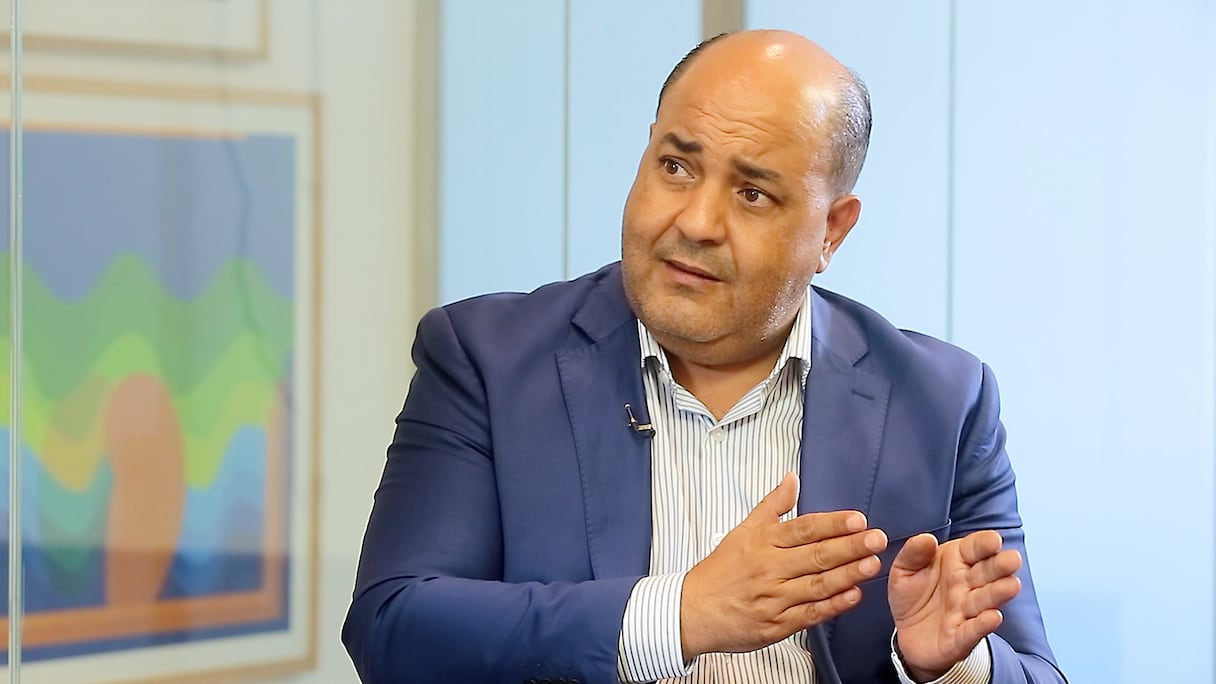
Speaking to Le360, Ahmed Mehdi Mezouari, a member of the USFP Political Bureau, criticized what he described as attempts by political parties to exploit the recent events in Ceuta for political gain.
“The events in Ceuta should not be used to settle political scores,” he said. “Many party statements focused on exchanging accusations, particularly among members of the governing majority. This is not an issue that should be turned into partisan conflict.”
Mezouari said the USFP supports the Interior Ministry’s assessment that human trafficking networks, online mobilization, and conspiracy narratives contributed to the attempted crossings but insisted that these explanations should not overshadow broader societal concerns.
“We agree with what the Ministry of the Interior presented regarding conspiracy theories and mobilization,” he said. “But none of that should prevent us from asking the real questions. Morocco is facing a deep social crisis. Irregular migration exists because many young people continue to dream of another life and board boats every day in search of it.”
Political defections are “normal”
The interview also addressed the departure of several USFP members to other political parties in recent years.
Mezouari downplayed those defections, arguing that they are a normal feature of political life.
“Anyone is free to change political parties, just as anyone can change homes,” he said. “Those activists have their own reasons and choices. What matters is that the party continues to exist and function.”
He noted that the USFP has around 55,000 members and continues to renew its structures and leadership.
“Politics has never been about individuals alone,” he said. “If we reduce political life to personal trajectories, we undermine political work altogether.”
“The USFP is far from dead”
Responding to claims that the USFP has lost its political relevance, Mezouari rejected suggestions that the party had reached the end of its political life.
“Those claims reflect psychological perceptions rather than political analysis,” he said. “A party that is dead does not produce new elites or develop political ideas.”
He acknowledged that the Moroccan left is experiencing a structural crisis but argued that the phenomenon extends far beyond Morocco.
“The left is facing challenges across the world because of objective global conditions, including the rise of the far right and the widening gap between citizens and politics,” he said.
A divided left
Mezouari argued that the Moroccan left’s greatest weakness lies in its inability to unite.
He said the USFP has repeatedly sought dialogue with other left-wing movements in an effort to build common political ground, but those initiatives have failed.
“We consider ourselves one of the country’s main political forces,” he said. “Yet bringing people together around a shared political project has become almost impossible for some who are still trapped in the political mindset of 1965.”
Despite those divisions, Mezouari insisted Morocco still needs a strong left.
“Morocco needs a genuine left. It remains a necessity and part of the solution for our society,” he said. “But under the current circumstances, reaching agreement on a common left-wing project appears difficult in both the short and medium term.”
The interview is the third installment of Morocco Votes 2026, the English-language adaptation of Le360 Arabic’s Legislatives 2026 (تشريعيات 2026) series exploring the parties, personalities and ideas shaping Morocco’s next parliamentary elections.
Watch the full interview:
