
The material extracted by engineer Giuseppe Ferraro as part of the forensic examination ordered by prosecutors on Abderrahim Fakir’s phone has been handed over to the criminal investigation unit handling the case.
The examination began with bypassing the phone’s PIN lock, a step considered essential to gain full access to the device’s data. The expert appointed by prosecutors, in the presence of consultants representing the parties, managed to isolate information dating from before the phone became locked in the absence of its unlock code. The initial possibility of sending the device to Rome for a complete unlocking has since been ruled out, with the extracted material instead transferred to the mobile investigation unit.
Investigators are examining data dating back to January 1, 2026. The aim is to find information in the phone’s memory and activity that could shed light on Abderrahim Fakir’s physical and psychological state on the day of his death in Via Svevo. Investigators and the expert are particularly looking for possible messages or references to medication, prescriptions, treatments or substances, as well as his most recent contacts and people he may have been in contact with around the Pilastro district. A second device belonging to the victim has yet to be located.
The forensic examination has also become the subject of controversy. Fabio Anselmo, the lawyer representing Fakir’s family, has raised concerns over the chain of custody of the phone. “The phone was seized on July 22, but it was not sealed until a week later. Before that, it was not protected,” he said.
Read also : Abderrahim Fakir case: Why the investigation is making little progress, according to family lawyer
Where does the investigation stand?
Several other examinations are also being conducted in parallel. The RIS in Parma, the Italian Carabinieri’s forensic investigation unit based in Parma, is working on a 3D reconstruction of the scene, while the RIS in Rome is examining 40 minutes of footage recorded by the body camera worn by the patrol leader during the intervention involving the two police officers.
Additional examinations linked to the autopsy are due to resume at the end of the month. They will first focus on Abderrahim Fakir’s heart, which was removed during the autopsy, followed by tissue samples, to assess other factors related to the pulmonary bleeding identified during the initial phase of the examination.
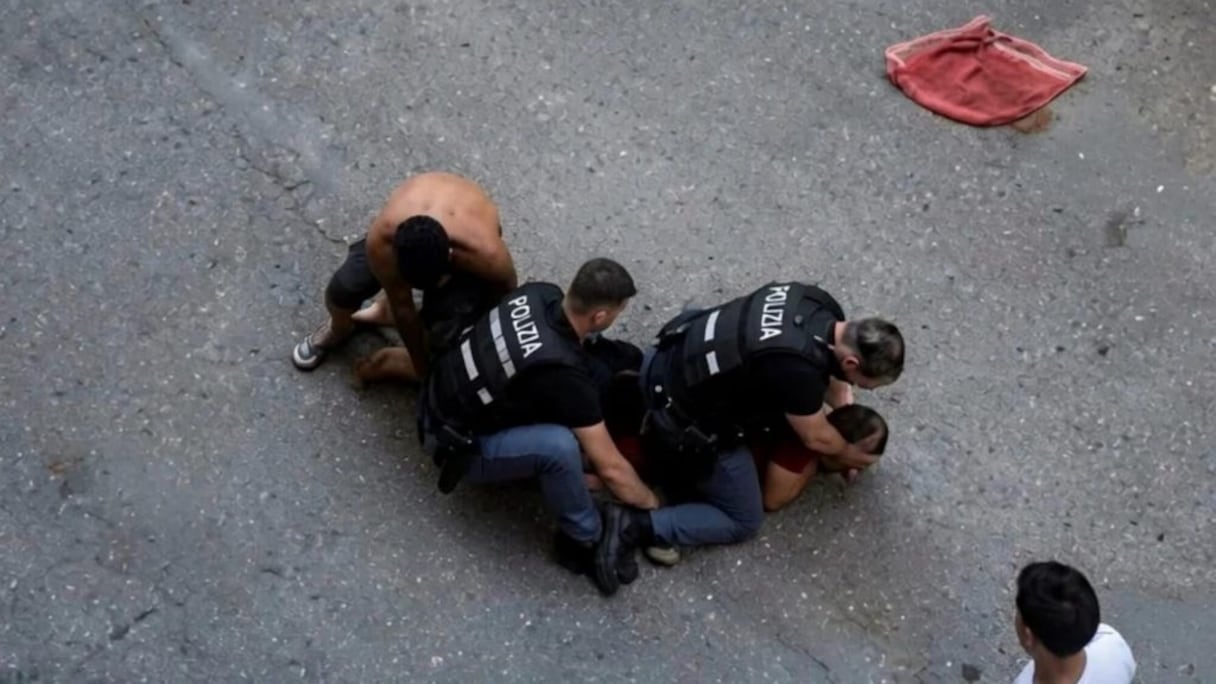
Abderrahim Fakir, a 42-year-old Moroccan who arrived in Italy at the age of five, died on July 19 after being pinned to the ground by two police officers during his arrest in Bologna. The initial autopsy results found his lungs filled with blood, as well as extensive areas of haemorrhagic infiltration caused by compression on his back. Fabio Anselmo described the findings as “violent mechanical asphyxia caused by dorsal compression.”
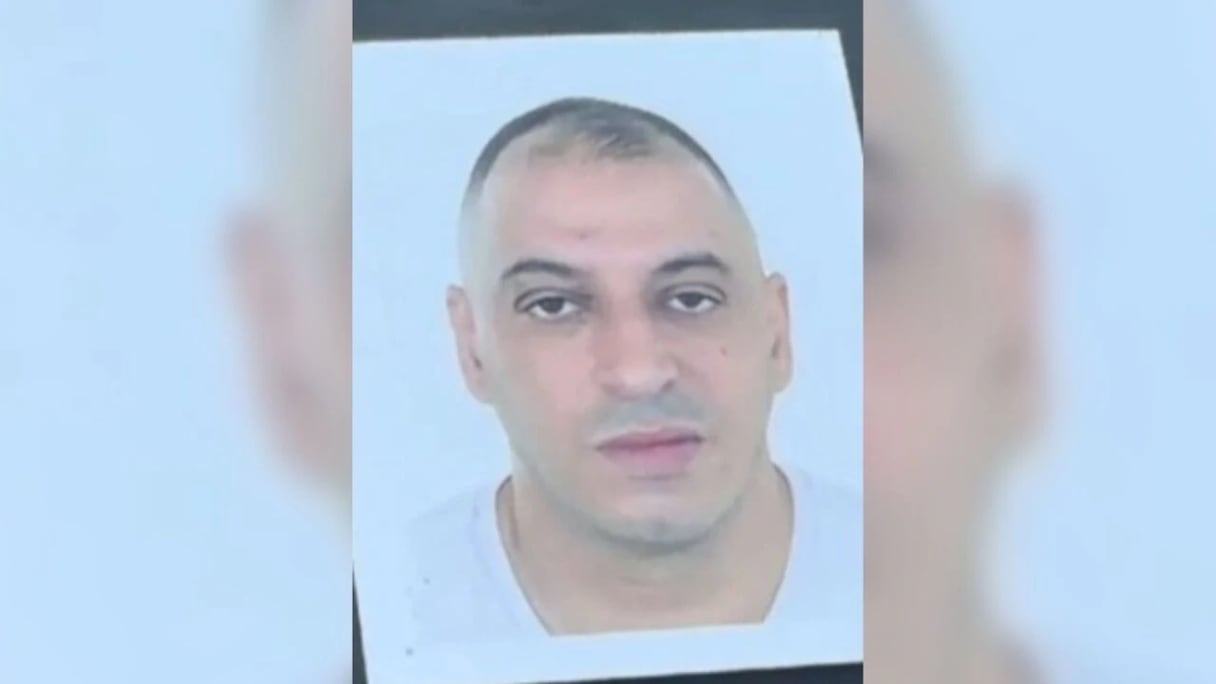
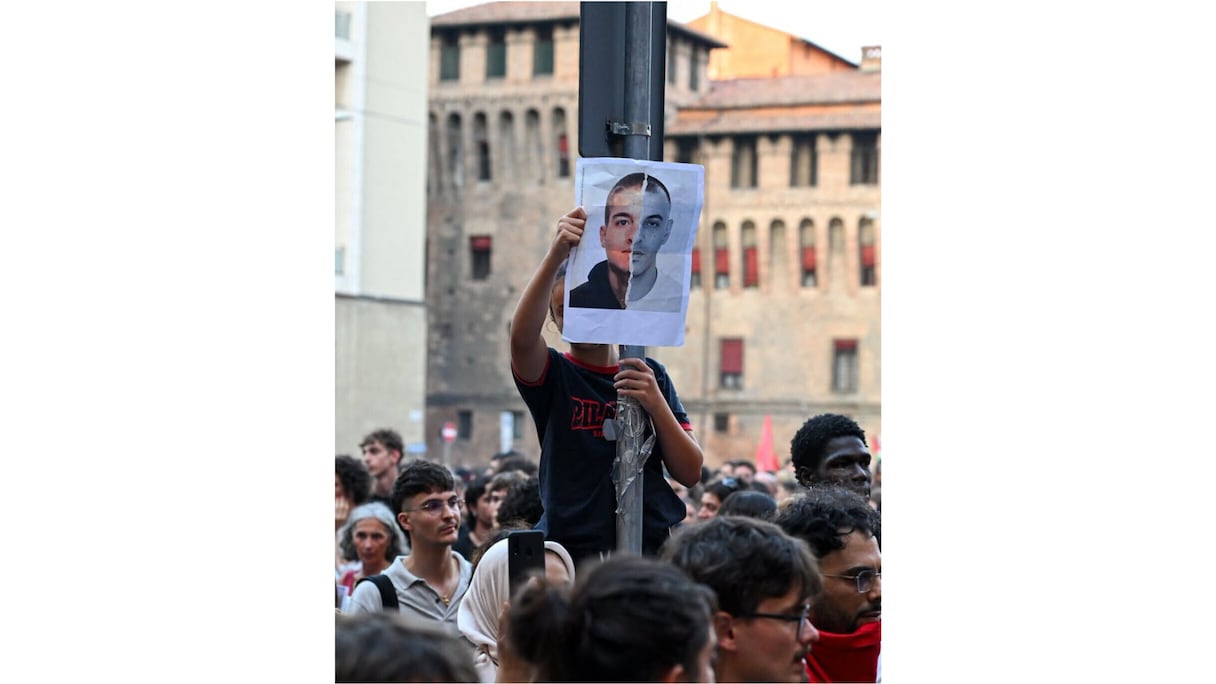
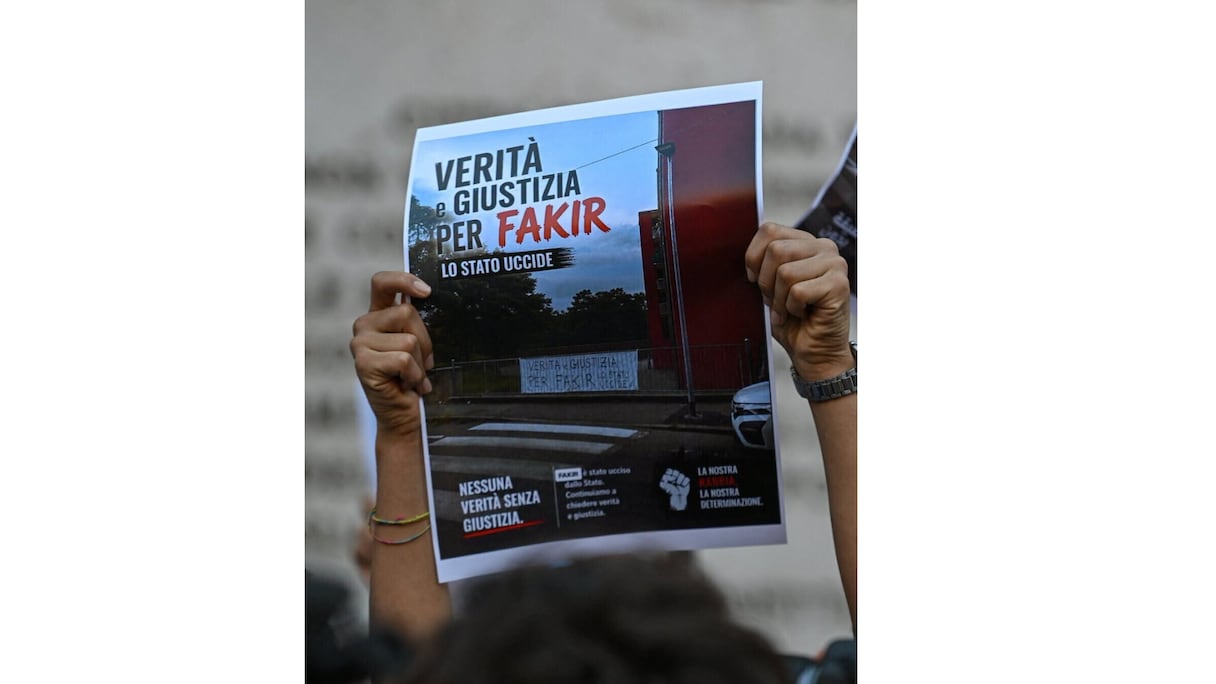
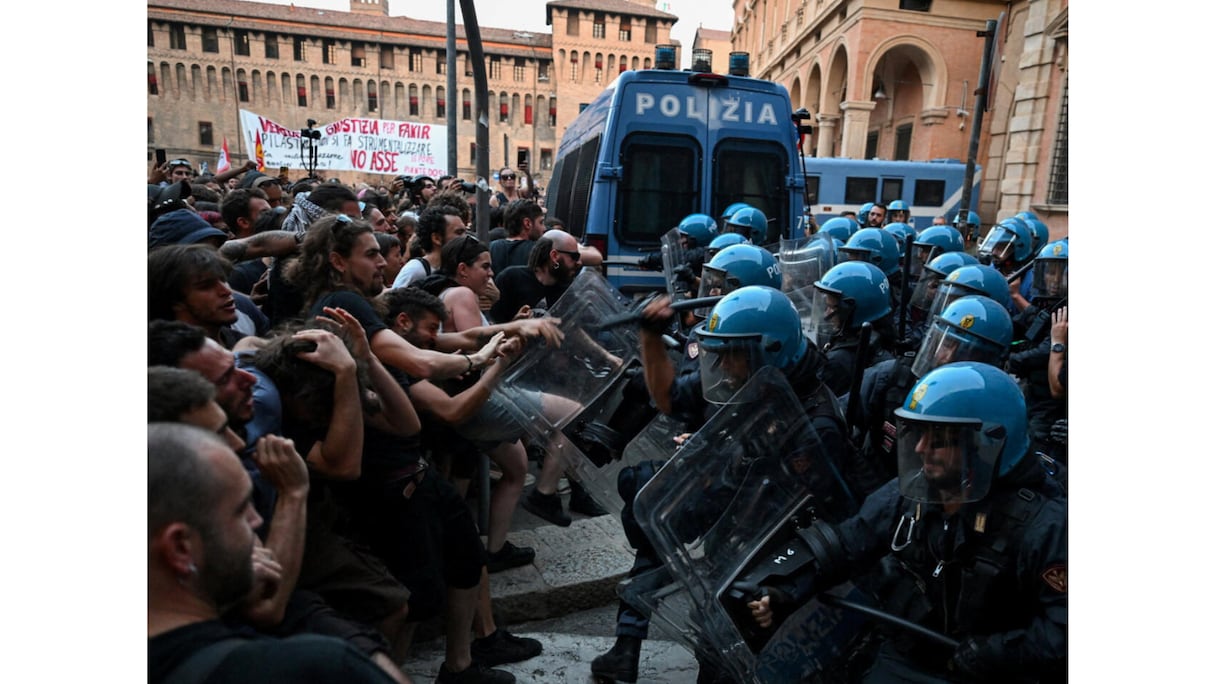
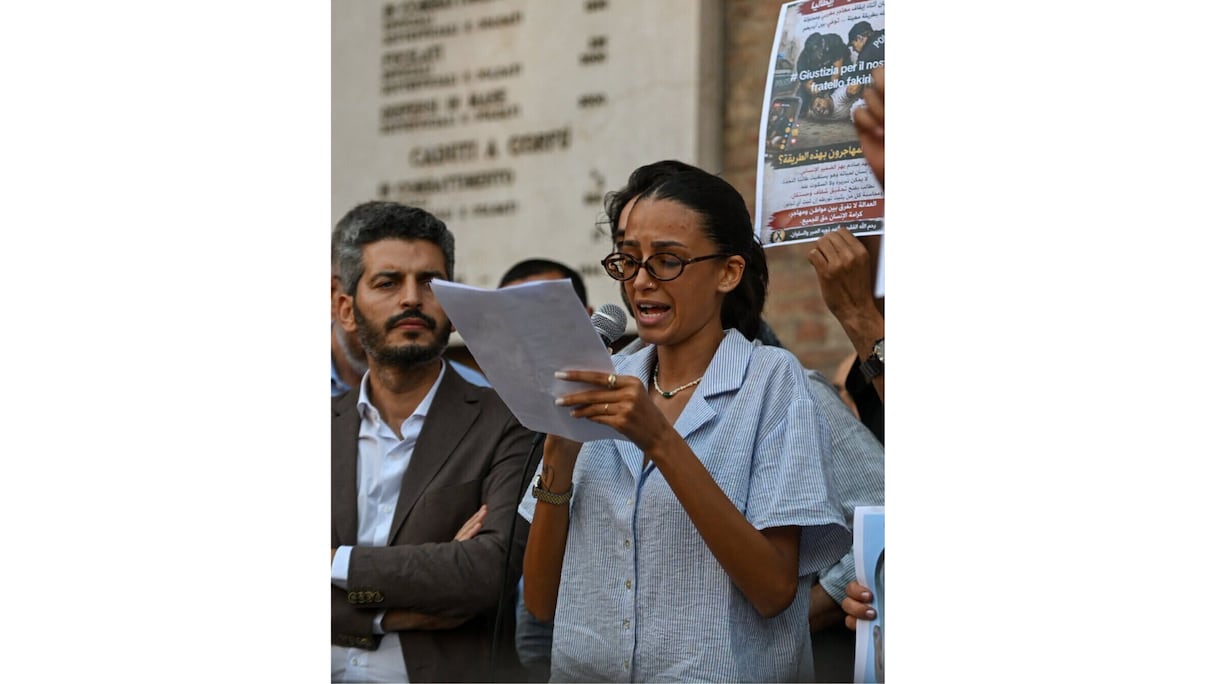
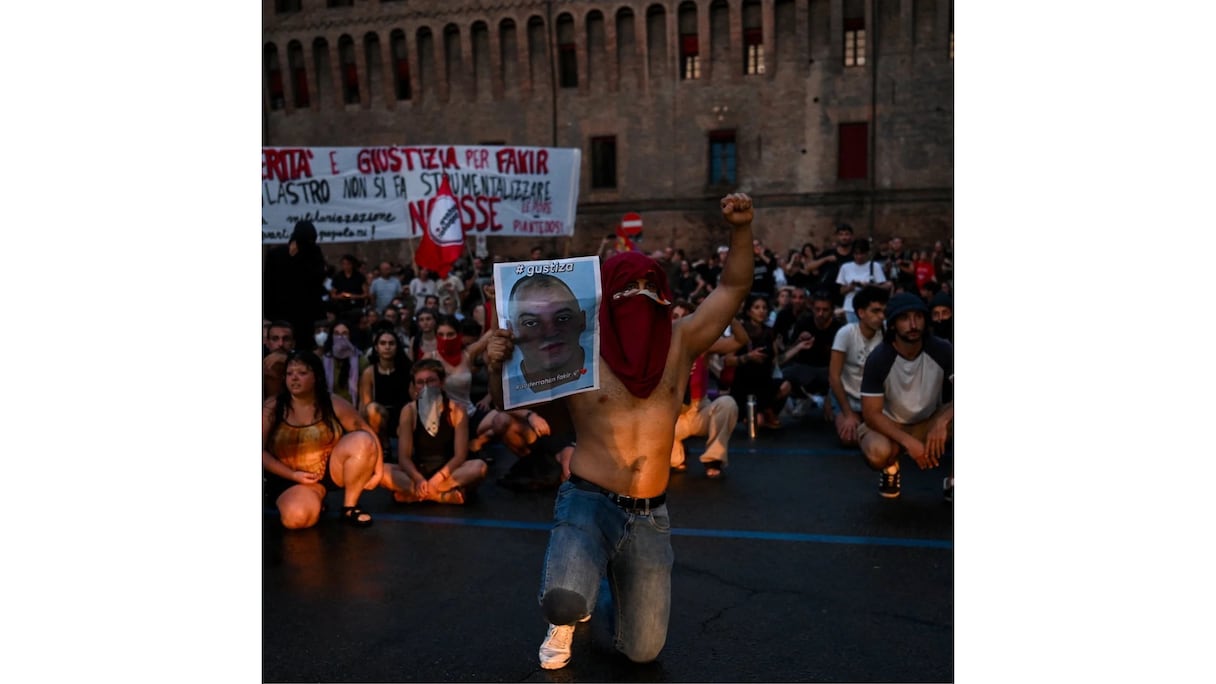

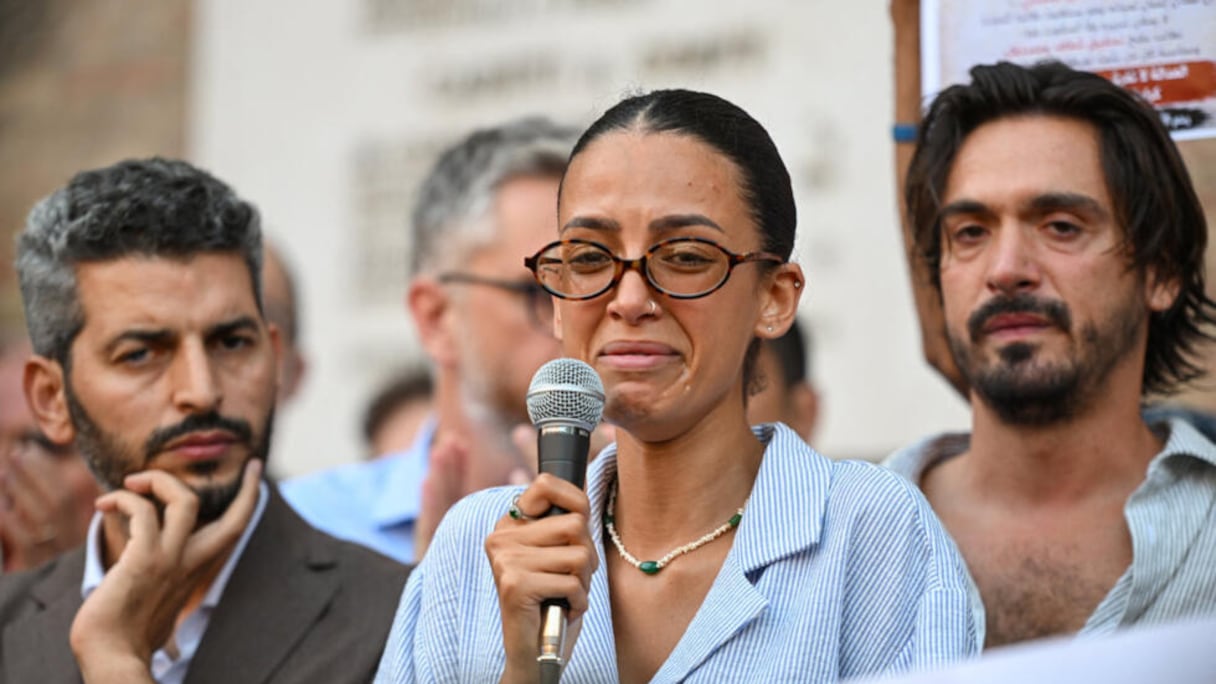
A portrait of Abderrahim Fakir during a demonstration organized following his death on July 20, 2026
These findings were considered consistent by Francesco Maria Caruso, former president of the courts of Reggio Emilia and Bologna, who also ruled out “any justifying cause” for the death. The lawyer had also filed a request for the investigation to be taken away from the police department to which the two officers under investigation belong, citing a ruling by the European Court of Human Rights requiring an independent investigation when law enforcement officers are involved.
Twenty-seven days after the incident, Fakir’s remains are still being held in Italy, while his family is calling for their repatriation as soon as possible.
