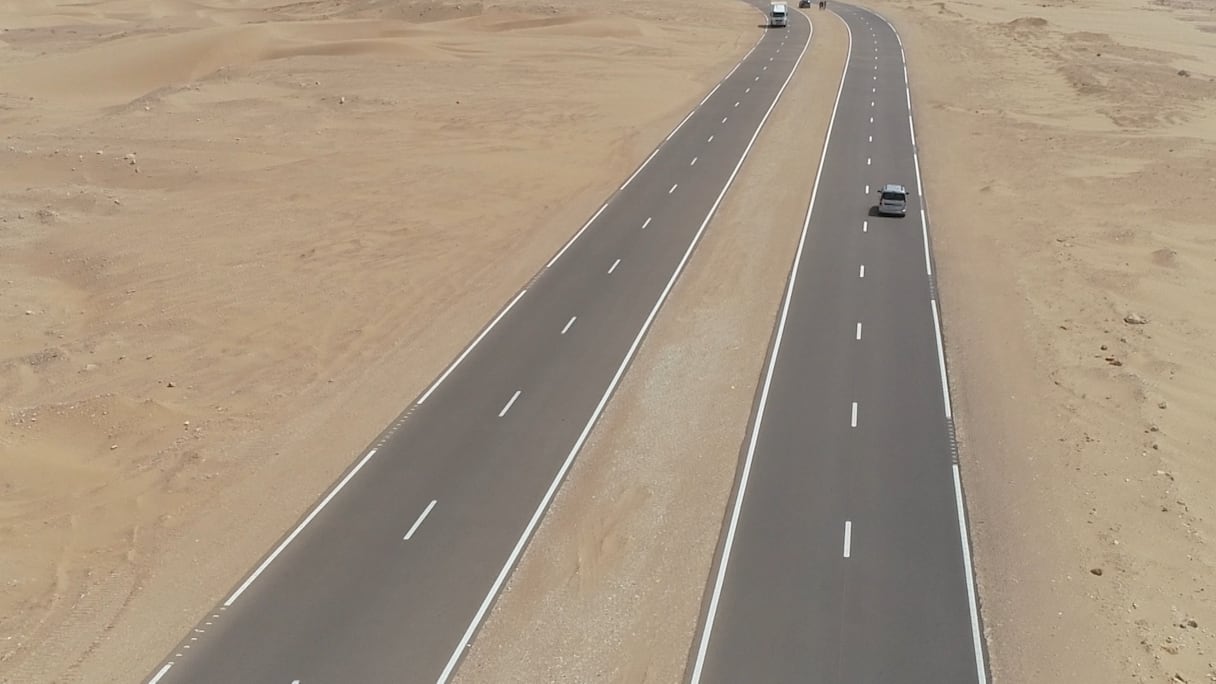
For the people who drive it, Morocco’s 1,055-kilometer Tiznit-Dakhla expressway is more than one of the Kingdom’s largest road infrastructure projects. It has changed the experience of traveling across southern Morocco, cutting journey times, improving road conditions and strengthening connections between the country’s north and its southern provinces.
Recently named the “Donald J. Trump Highway,” the nearly MAD 10 billion route also carries a diplomatic significance tied to one of the defining developments in Moroccan-U.S. relations — Washington’s recognition of Moroccan sovereignty over the Sahara.
The expressway stretches south from Tiznit, about 100 kilometers south of Agadir, through the Kingdom’s southern provinces to Dakhla, creating a major road artery designed to improve territorial connectivity and economic integration.
For community activist Omar Khenibila, the road’s new name reflects both those developmental and diplomatic dimensions.
“We have followed with great interest the development of the Tiznit-Dakhla expressway, which has been named ‘Donald Trump,’” Khenibila said. “This route is of major importance for the development of the Moroccan Sahara and helps strengthen the connection between the north and south of the Kingdom. We also followed the reaction of the U.S. president, who welcomed the initiative and highlighted the importance of this infrastructure.”
Khenibila sees the naming as an extension of the diplomatic shift triggered by the U.S. recognition of Morocco’s sovereignty over the Sahara, a position that helped reshape the international dynamics surrounding the issue.
Trump welcomed the decision on Truth Social, expressing his gratitude and highlighting the strength of relations between Rabat and Washington.
Read also : Tiznit-Dakhla expressway named “Donald Trump Highway”; US President thanks King Mohammed VI
A different journey south
Beyond the political symbolism, the expressway is having a direct impact on the people who use it.
By improving access to Morocco’s southern provinces and reducing travel times, the road has facilitated the movement of people and goods while making the regions it crosses more attractive to investment, particularly Laâyoune-Sakia El Hamra.
For professional drivers who have spent years making the journey, the difference is immediate.
“We are happy to have this road,” truck driver Saïd El Abrate told Le360 from the cab of his vehicle. “The journey used to be exhausting and wore us out, but this Laâyoune-Dakhla expressway makes our job easier. We would like all roads in Morocco to be like this.”
For freight operators, improved driving conditions also mean safer journeys and more efficient logistics between northern and southern Morocco.
The changes are equally noticeable to travelers returning to the region after years away.
Saïd Souhaïli traveled with his family from Larache, on Morocco’s Atlantic coast north of Rabat, to rediscover Laâyoune after several decades.
“We came from Larache to travel to Laâyoune using the Tiznit-Dakhla expressway,” he said. “This road encouraged us to come and visit the city. It had been a very long time since I was last here, and I found that it had changed enormously. Development has accelerated considerably, and it is heartwarming to see.”
His experience illustrates another effect of the road. Better connectivity is not only facilitating freight and investment but making the southern provinces more accessible to domestic travelers.
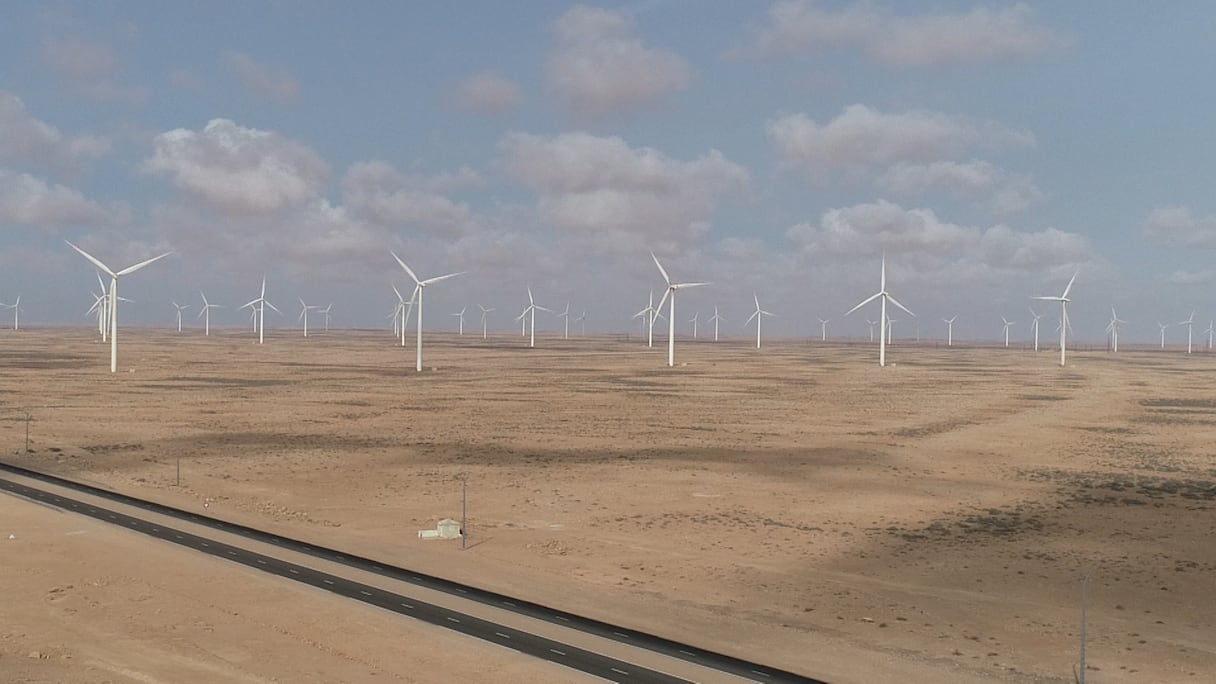
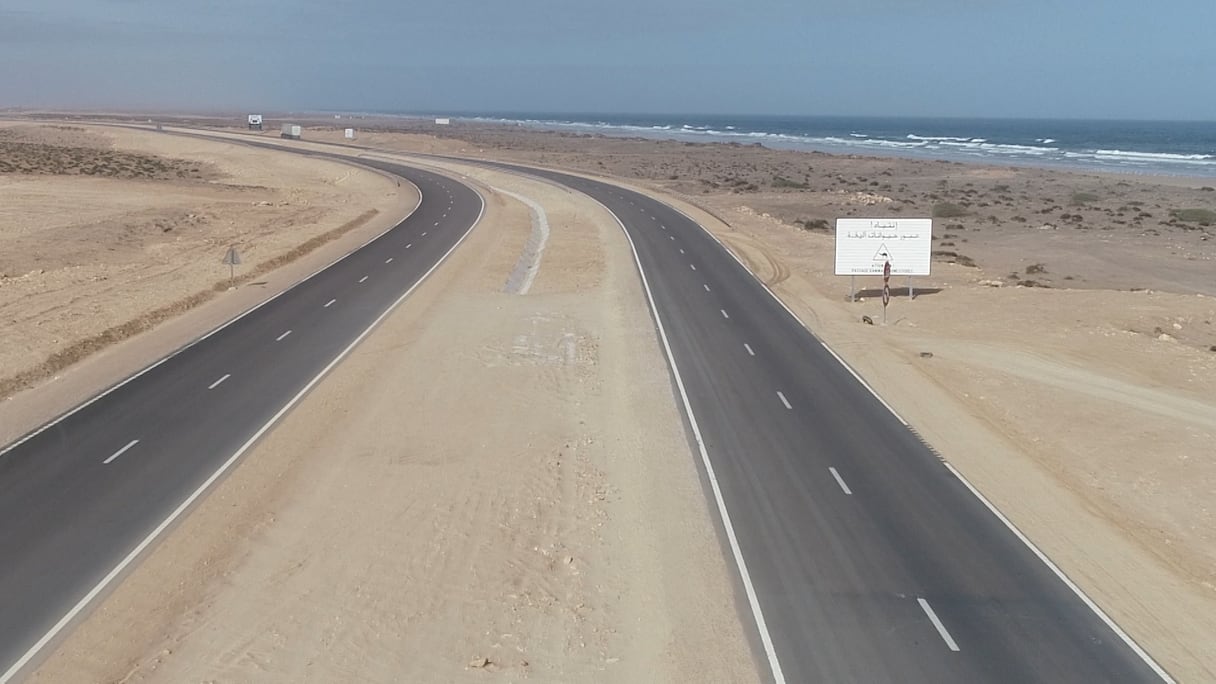
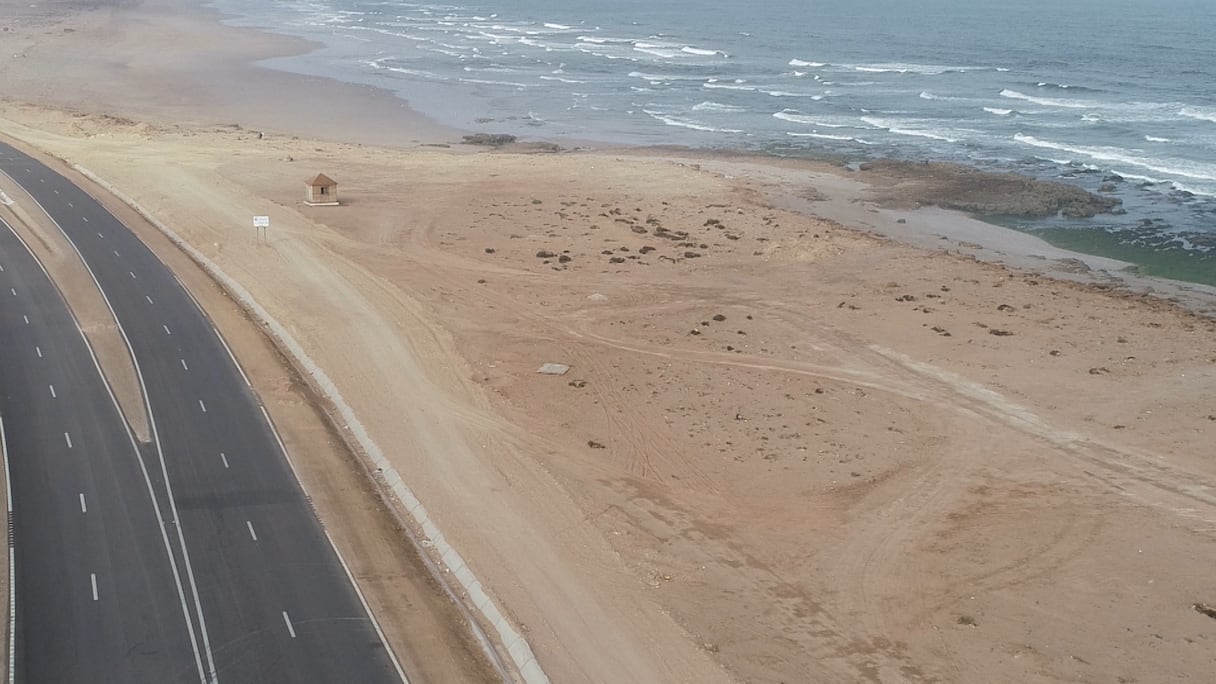
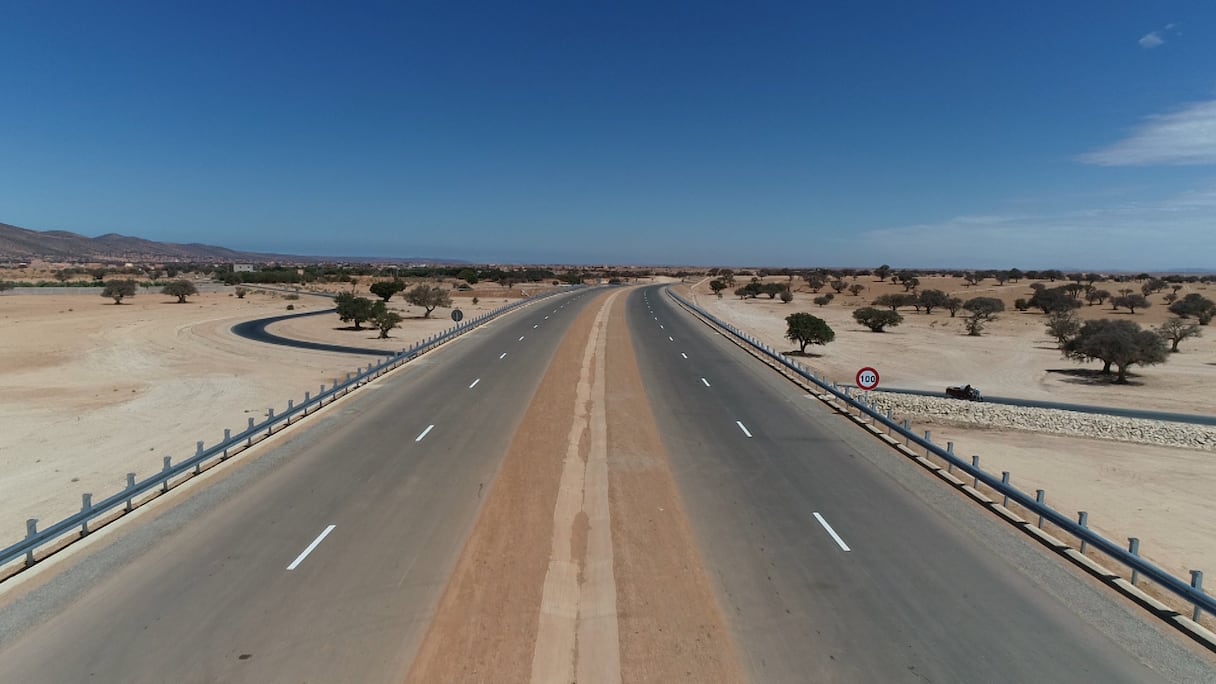
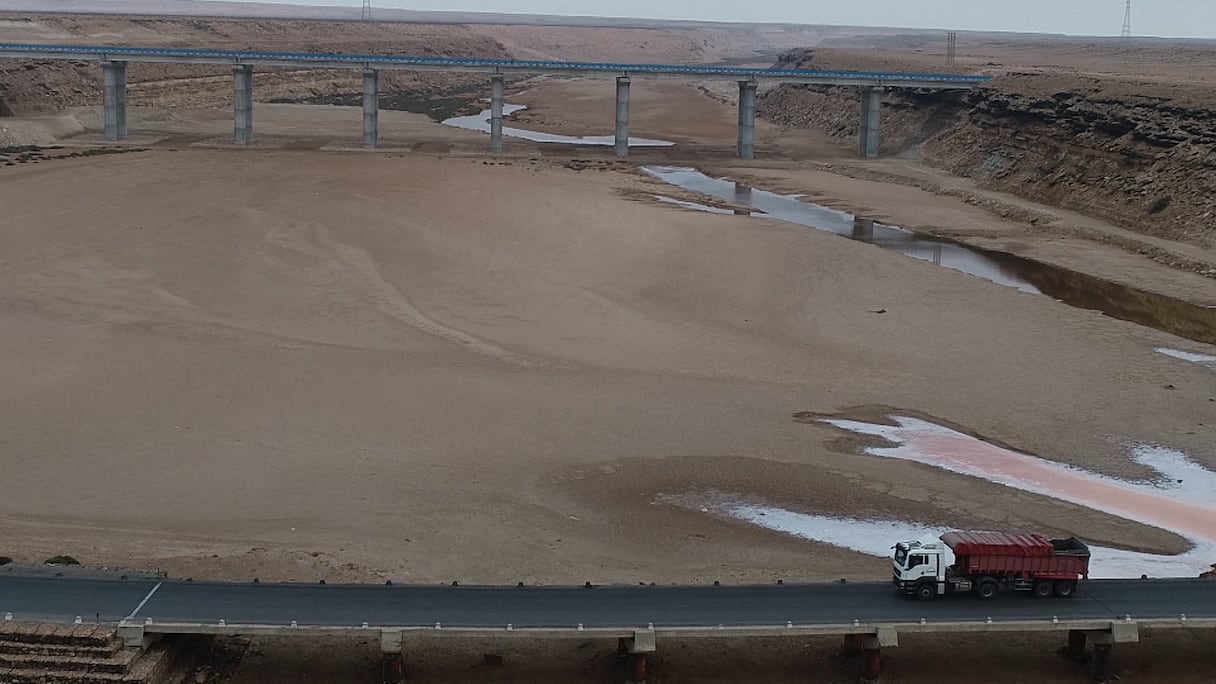
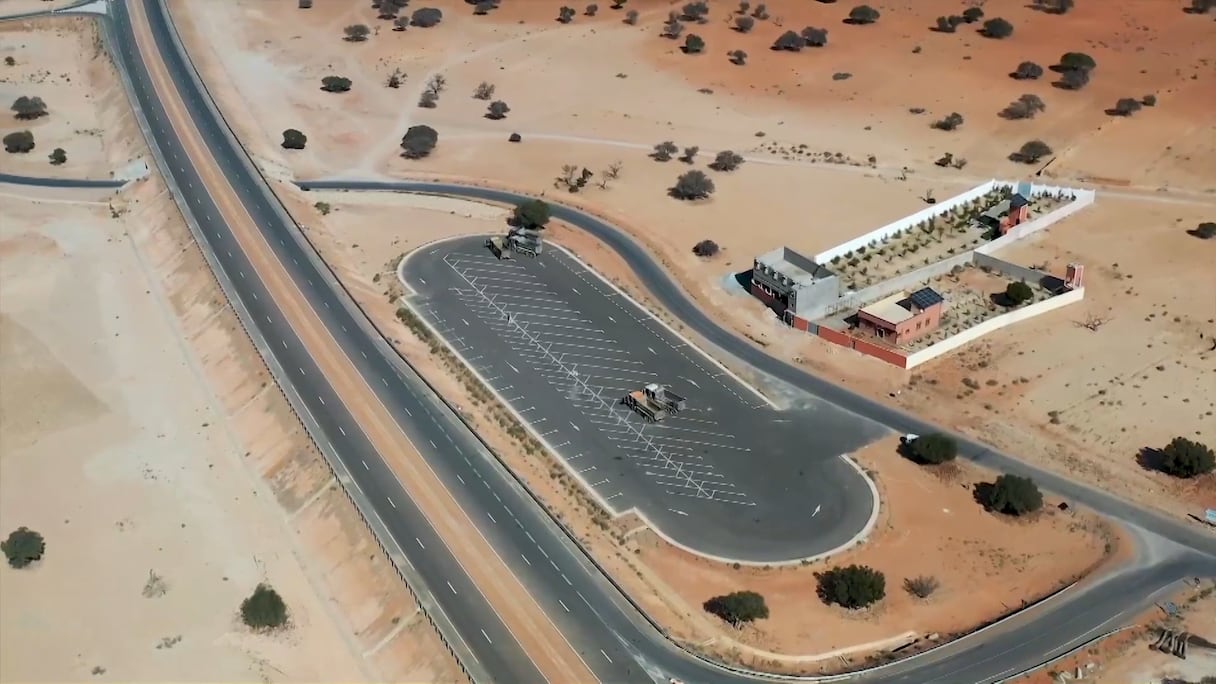


Vue d'un tronçon de la voie express Tiznit-Dakhla, qui s'étend sur une distance de 1.055 km. (H.Yara/Le360) . يارى حمدي
A MAD 10 billion infrastructure project
The Tiznit-Dakhla expressway is one of the flagship infrastructure projects under the New Development Model for the Southern Provinces, launched by King Mohammed VI in Laâyoune in November 2015.
Built for approximately MAD 10 billion, the project was developed through a partnership involving the Interior Ministry, the Ministry of Economy and Finance and the Ministry of Equipment, alongside the regions of Souss-Massa, Guelmim-Oued Noun, Laâyoune-Sakia El Hamra and Dakhla-Oued Eddahab.
