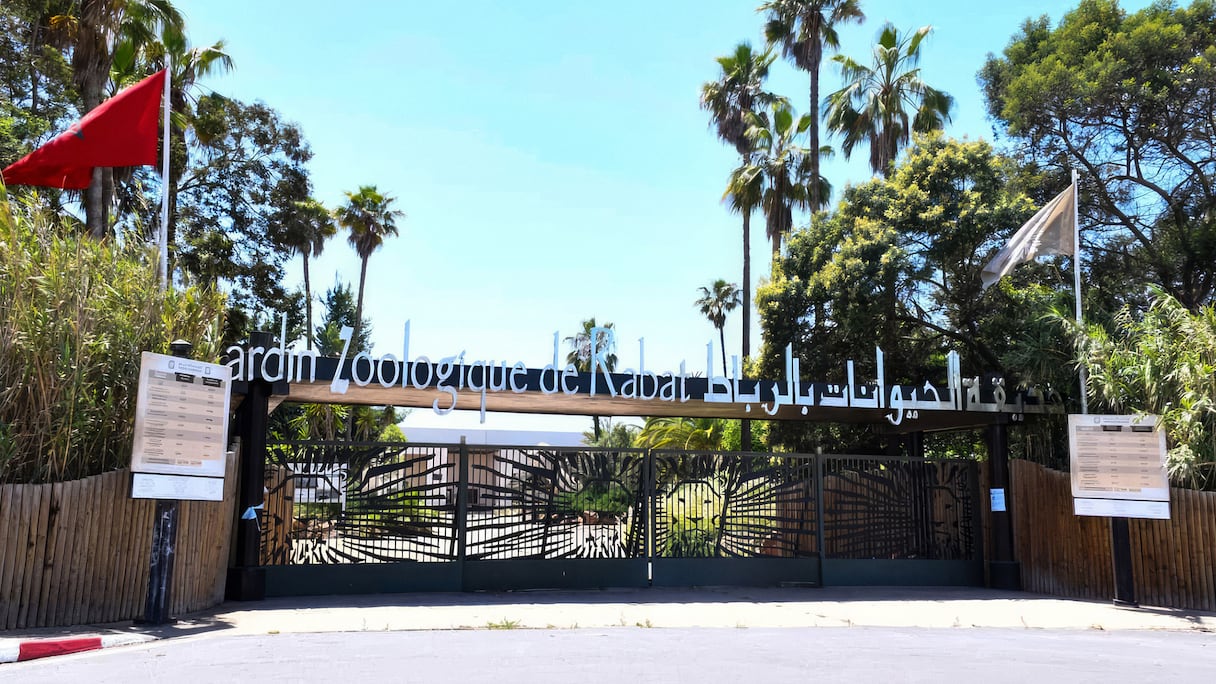
A video widely shared across social media by Mario Xtrauss, a Spanish content creator and animal welfare advocate, has drawn significant attention from zoo enthusiasts and the wider public.
From the opening minutes, Xtrauss leaves little doubt about his views. Standing before several enclosures, he expresses concern over what he describes as signs of poor animal welfare. Referring to a visibly weakened elephant, he says, “This animal is suffering from an infection. It’s tragic.”
Elsewhere, he points to “a young male in worrying condition, extremely thin, with protruding hips,” describing a chimpanzee he says is “left to boredom, watching time pass, surrounded by electric fencing.”
Xtrauss also highlights behaviors he believes indicate psychological distress. Referring to one captive animal, he says, “He’s banging against the glass to get attention,” while footage shows an ibis “playing with a piece of plastic or other litter.”
His criticism extends to several enclosures that he considers overly artificial.
“The defining feature of this place is concrete,” he says, also pointing to what he describes as “dirty water containing pieces of bread and decomposing organic matter” in some pools.
Beyond individual cases, Xtrauss questions the zoo’s broader conservation mission. He notes that Rabat Zoo presents itself as a leading conservation institution and is home to “the world’s largest population of Atlas lions,” a species now extinct in the wild.
“Can a zoo become a turning point for wildlife conservation in the country where it is located?” he asks, while arguing that “the promise of conservation appears to serve the institution’s image more than anything else.”
The video, however, is not entirely critical. Xtrauss also praises several aspects of the zoo, particularly its reptile house and some exhibits dedicated to native species.
He describes the agama enclosure as “immense,” with “natural vegetation,” “sunbathing areas,” and ample climbing opportunities. Greek tortoises, he says, benefit from “an ideal climate, plenty of hiding places and abundant food,” while several reptile facilities are described as “clean” and “overall well designed.”
Some exhibits receive particularly positive reviews. Radiated tortoises, he notes, enjoy an enclosure that is “spotlessly clean, with natural plants, very clean water and outdoor access.” Likewise, the Barbary macaque habitat is described as “well adapted,” featuring “social interactions, young animals at play,” and an environment that reflects the species’ natural habitat.
That contrast runs throughout the video. Xtrauss compares large but barren enclosures—even if the space is big, it’s empty. Imagine spending your whole life here," he says of a solitary rhinoceros, with others where animals appear more active and engaged.
He also criticizes what he sees as a lack of environmental enrichment for some species, particularly birds.
“They have nothing to do except eat,” he says of parrots housed in what he considers overcrowded aviaries. “These animals need mental stimulation, puzzles and challenges,” he adds, arguing that the issue remains largely overlooked.
The viral video has renewed questions about a zoo that, when it opened in 2012, enjoyed a strong reputation and attracted widespread public enthusiasm. An increasing number of visitors have since taken to social media to describe what they see as a gradual decline, citing fewer animals, reduced biodiversity and deteriorating infrastructure.
Those concerns call for a swift response from the authorities overseeing the zoo, particularly the Ministry of Agriculture, to restore the Rabat Zoo’s standards and recover the reputation it enjoyed in its early years.
