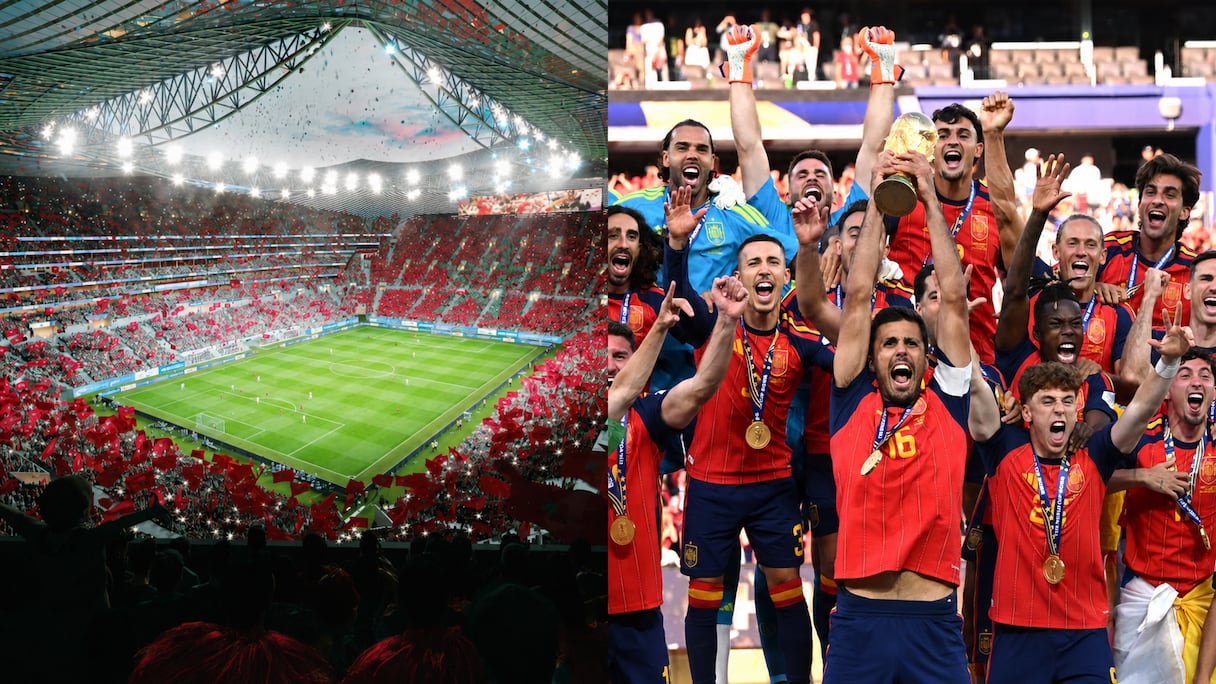
World Cups are won on the pitch. The decision over where to stage the final is made through an entirely different process. Since Spain lifted the 2026 World Cup trophy, however, part of the Spanish press has argued that the country has gained an edge in the race to host the 2030 final.
Spanish daily ABC makes that case in an article devoted to what it describes as the "battle" between Spain and Morocco. The newspaper recalls that "it was initially understood that the Santiago Bernabéu would be the chosen stadium" and argues that Spain’s recent World Cup title " appears to strengthen its bid."
The logic is straightforward: Spain are world champions, the Bernabéu is one of football’s most iconic stadiums, and Madrid should therefore host the 2030 final—as though the tournament’s showpiece match were a natural extension of La Roja’s success.
The language used by ABC is equally revealing. In its subheading, the newspaper claims Morocco is investing heavily in football not only to win the next World Cup but also to "take the tournament final away from us." The wording suggests Spain already has ownership of the event, with Morocco attempting to wrest it away.
In reality, the final has not been awarded to anyone. The joint bid submitted to FIFA officially proposes three venues capable of hosting either the opening match or the final: Madrid’s Santiago Bernabéu, Barcelona’s Camp Nou and Casablanca’s Grand Stade Hassan II. No commitment guarantees Spain the right to stage the tournament’s final match.
More importantly, the Spanish argument is not supported by FIFA’s official criteria. The host nation’s recent international results, previous World Cup performances or the prestige of its domestic league are not factors in determining the venue for the final.
Spain’s triumph may strengthen the narrative around the country’s bid, fuel public enthusiasm and serve as a communications asset. It does not, however, increase the Bernabéu’s capacity, expand its operational space or improve its hospitality offering. Nor does it enhance transport links, security arrangements, broadcasting infrastructure or fan facilities.
FIFA’s evaluation report is explicit on this point. Stadium assessments focus on capacity, compliance with tournament requirements, stand orientation, surrounding operational space, pitch quality, technical facilities, temporary infrastructure and sustainability commitments.
The governing body also considers transport, accommodation, security, medical services, media facilities, broadcasting infrastructure, VIP hospitality and commercial potential. While a stadium’s historical prestige may contribute to its overall appeal, a country’s World Cup title does not earn it additional points.
Significantly, the Santiago Bernabéu, Camp Nou and the Grand Stade Hassan II all received the same technical score—4.3 out of 5—in FIFA’s evaluation. At this stage, none of the three holds the advantage that some Spanish media outlets have already claimed.
The Bernabéu benefits from its history, recent renovation and Madrid’s experience in hosting major sporting events. At the same time, FIFA noted that the stadium’s proposed capacity of 78,297 seats sits at the lower end of the requirements for a World Cup final. Its location in a densely built urban area will also require adjustments to accommodate the temporary infrastructure needed for such an event.
Camp Nou, which is expected to exceed 100,000 seats after its renovation, comfortably meets FIFA’s capacity requirements.
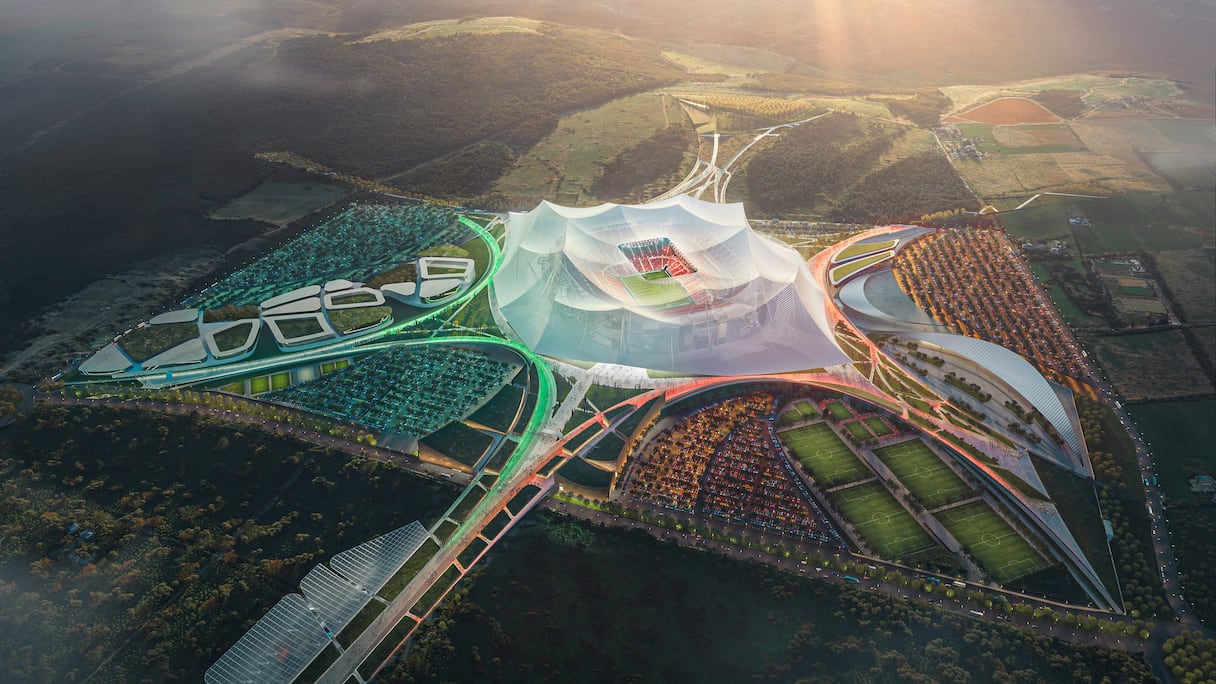
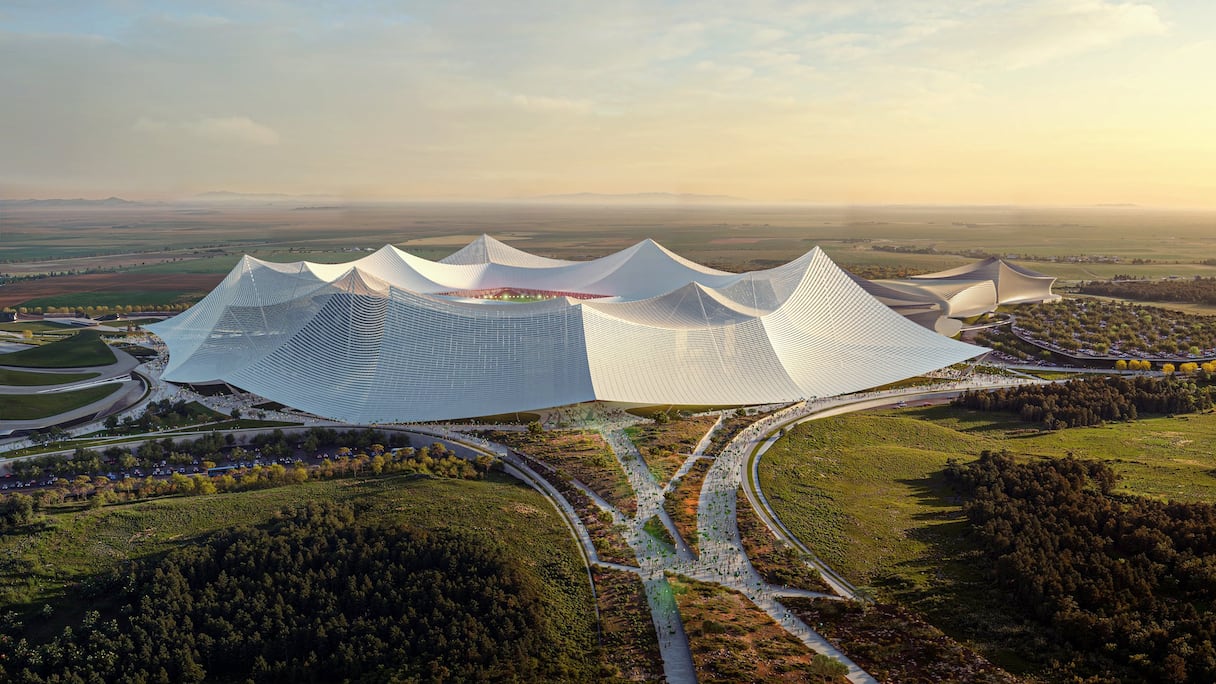
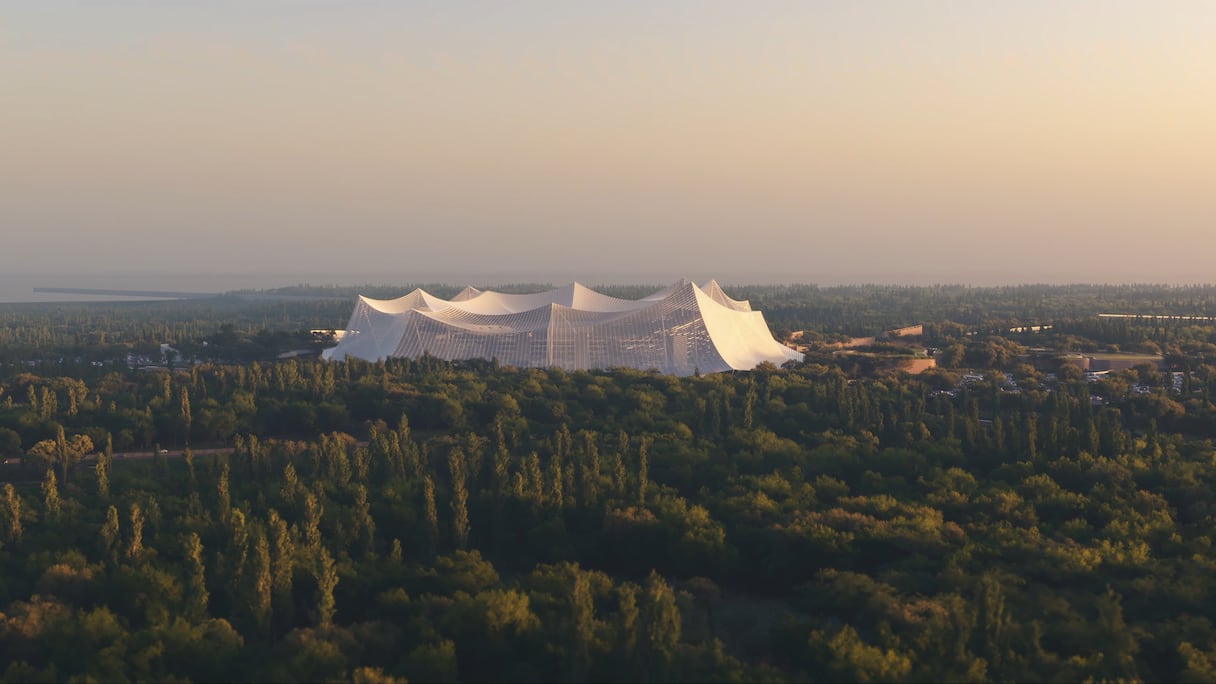
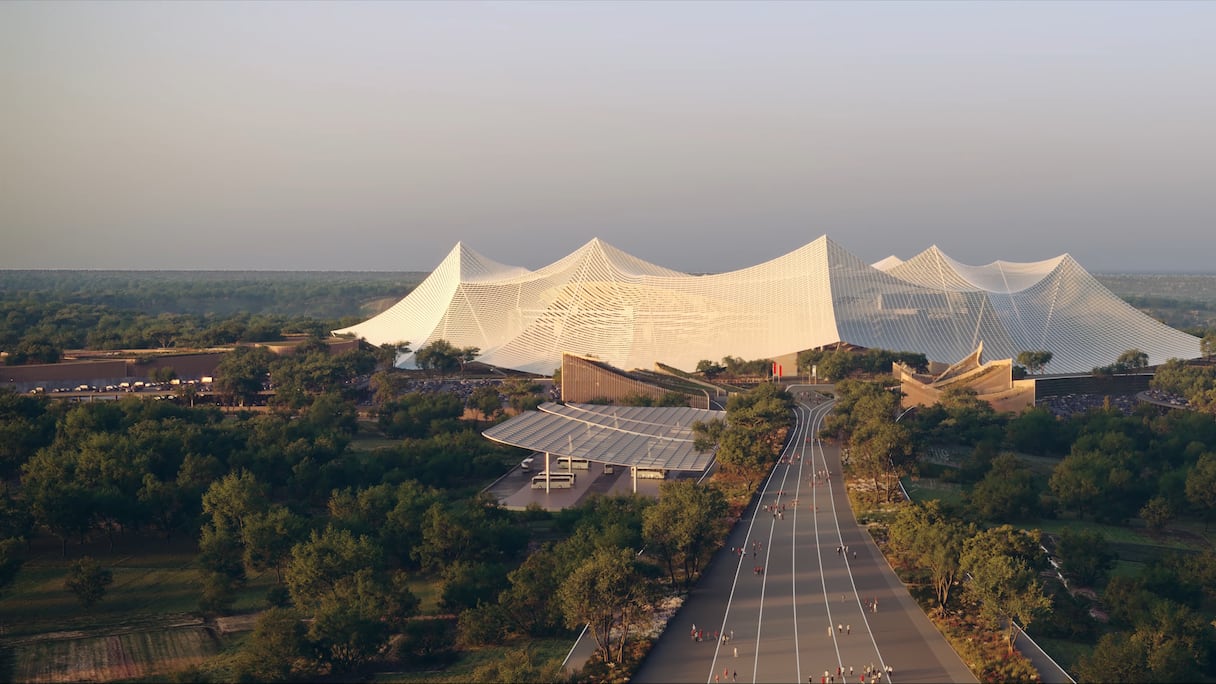
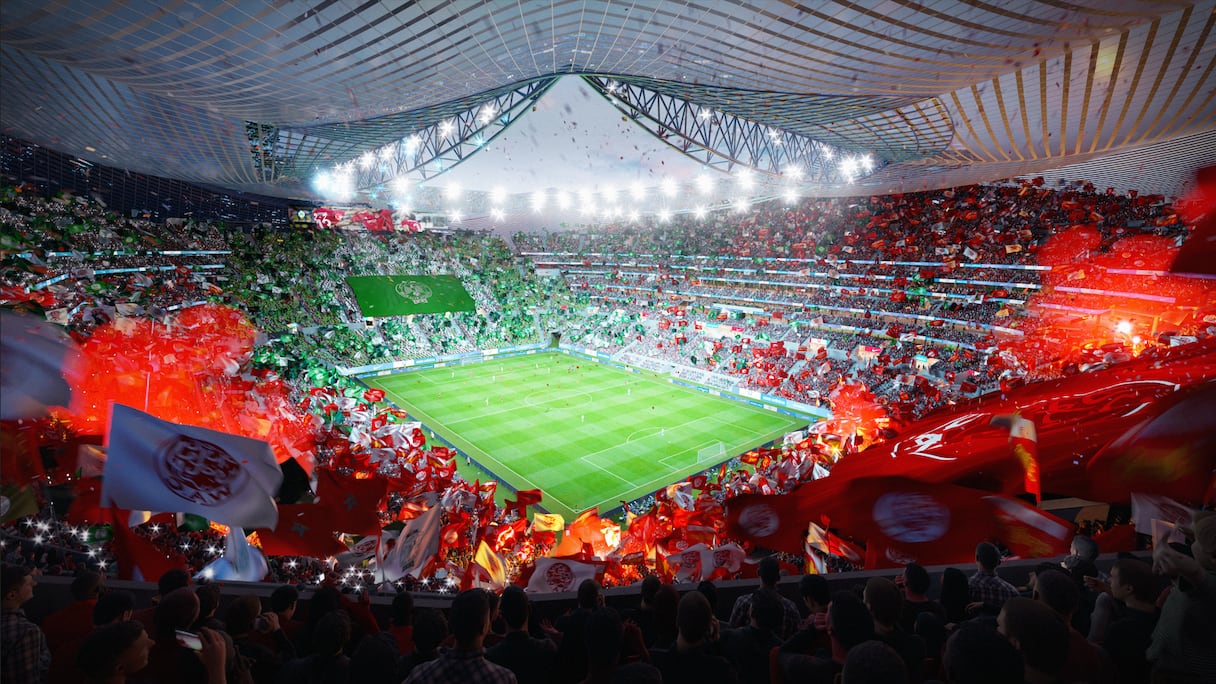
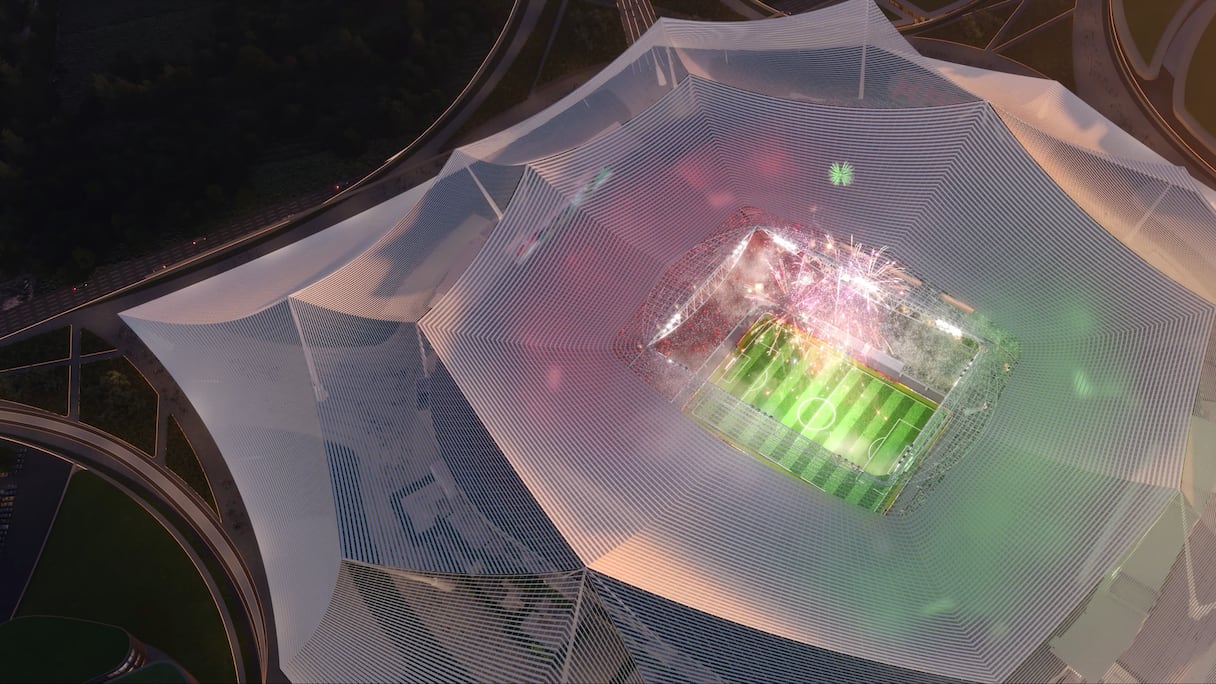
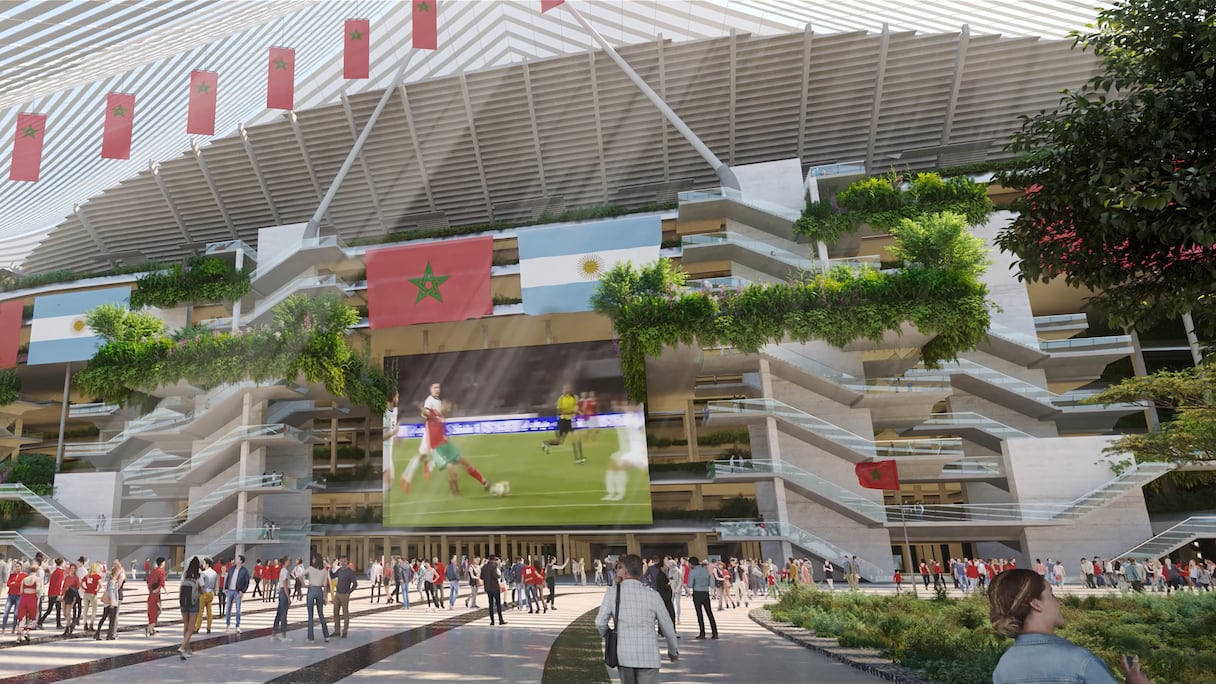
Casablanca, meanwhile, is proposing a stadium with a capacity of 115,000. The Grand Stade Hassan II would significantly exceed FIFA’s minimum requirement of 80,000 seats while offering extensive space for media operations, hospitality areas, parking and the logistical needs associated with hosting a World Cup final.


Faced with Morocco’s bid, ABC advances another argument: Moroccan influence behind the scenes. Quoting Spanish coach Pablo Franco—who won the Moroccan league title with Maghreb de Fès—the newspaper claims the Kingdom has "an impressive lobby, influential at the highest level."
"The history of Real Madrid and the Bernabéu could play a role. However, we don’t know what is happening behind the scenes, and those people are very skilled at pulling the strings," Franco is quoted as saying.
The newspaper’s emphasis on a supposed "Moroccan lobby" also reflects the growing unease surrounding the debate in Spain. As Casablanca’s project takes shape and the Grand Stade Hassan II emerges as a credible contender, confidence in the Bernabéu’s presumed superiority appears to be giving way to uncertainty. With technical comparisons offering no clear advantage, the discussion increasingly shifts toward influence and backroom decision-making.
Such framing also suggests that, should Casablanca ultimately be selected, it would owe more to lobbying than to the quality of its bid. Yet with its planned capacity of 115,000 seats and the extensive infrastructure surrounding the venue, the Grand Stade Hassan II presents technical credentials that stand on their own.
The race therefore remains wide open. Spain’s status as world champions gives it no special entitlement and does not automatically place the Bernabéu ahead of Casablanca. FIFA will not choose the venue for the final as a reward for a national team, but on the basis of technical, operational and, above all, commercial considerations.
