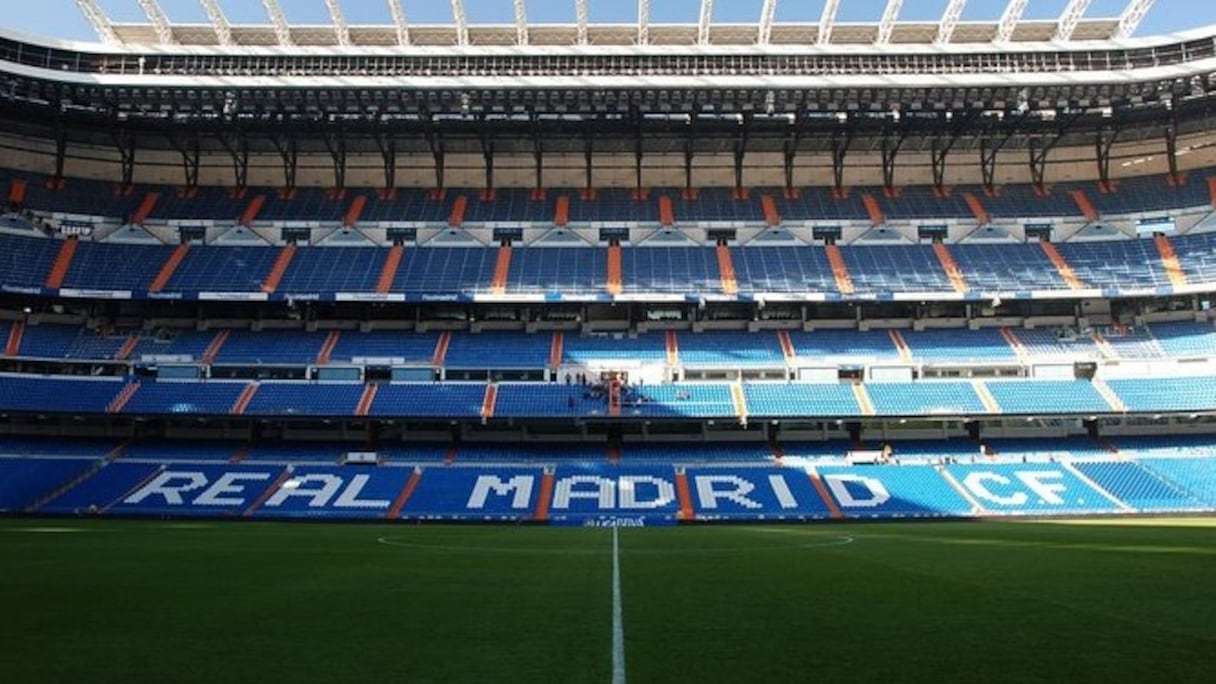
The Santiago Bernabéu has already delivered its verdict on the 2030 World Cup final. Not FIFA’s verdict — the governing body has yet to make a decision — but Real Madrid’s own. “We are the best.” That was reportedly the message a club official delivered to the international delegation during its visit to the Madrid stadium, according to a report published on Friday by Spanish daily AS.
The statement has not been officially confirmed and remains attributed to an unidentified representative. Nevertheless, the Spanish newspaper presents it as one of the key messages conveyed during the inspection.
“You can build a stadium out of gold, but you still have to know how to manage events. You need a team capable of running the stadium, and we are the best,” the Real Madrid representative reportedly declared.
The remark appears to allude, in particular, to Morocco’s Hassan II Grand Stadium project in Benslimane, designed to accommodate up to 115,000 spectators and also tipped to host the final. Through this statement, the Spanish club is seeking to emphasize that a stadium’s capacity and architecture are not everything, and that its experience in staging major events could weigh in its favor.
It is a legitimate argument to make as part of a bid. Declaring oneself the winner before the selection process has even concluded, however, is another matter altogether—somewhere between institutional promotion and self-congratulation.
Real Madrid has already won… in its own eyes
No one disputes the Santiago Bernabéu’s experience in hosting major matches and international events. But FIFA does not select a World Cup final venue on the strength of slogans or self-proclaimed superiority.
The international governing body assesses stadiums, but also transport, security, accommodation capacity, infrastructure, sustainability, commercial considerations and the operational arrangements of candidate host cities. The inspections currently under way are only one stage of the selection process.
Indeed, the purpose of the Bernabéu visit was not to award the final but to determine whether Madrid and its stadium meet the requirements to be included among the final host cities.
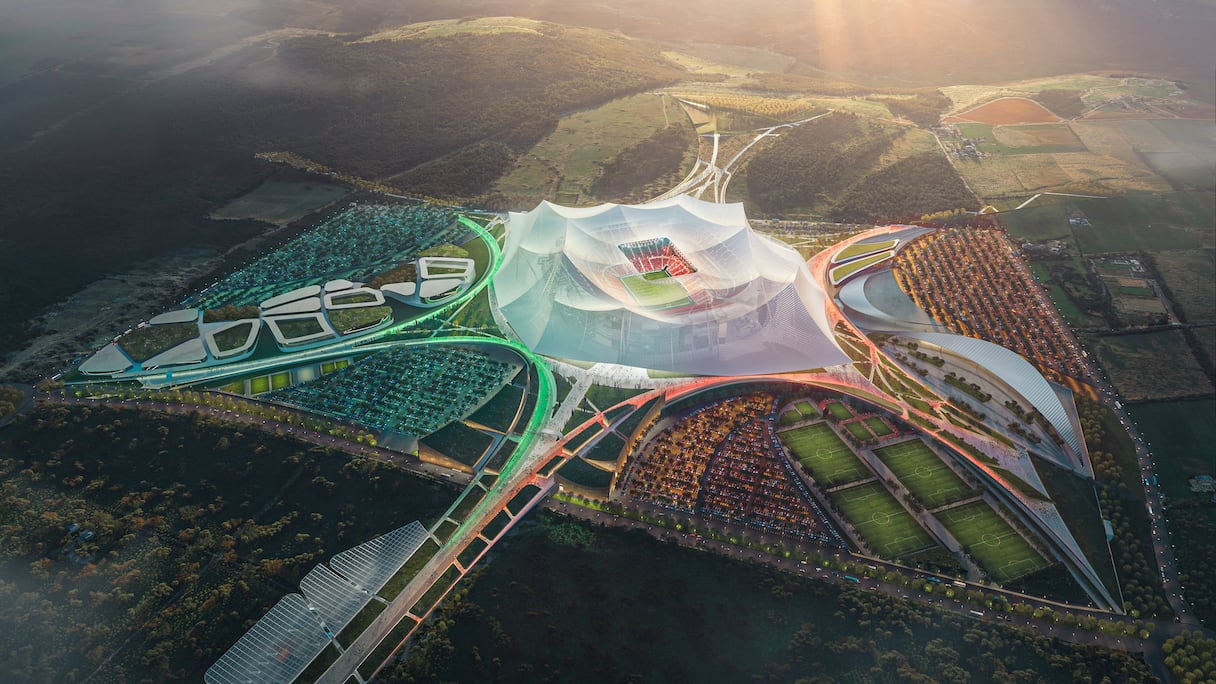
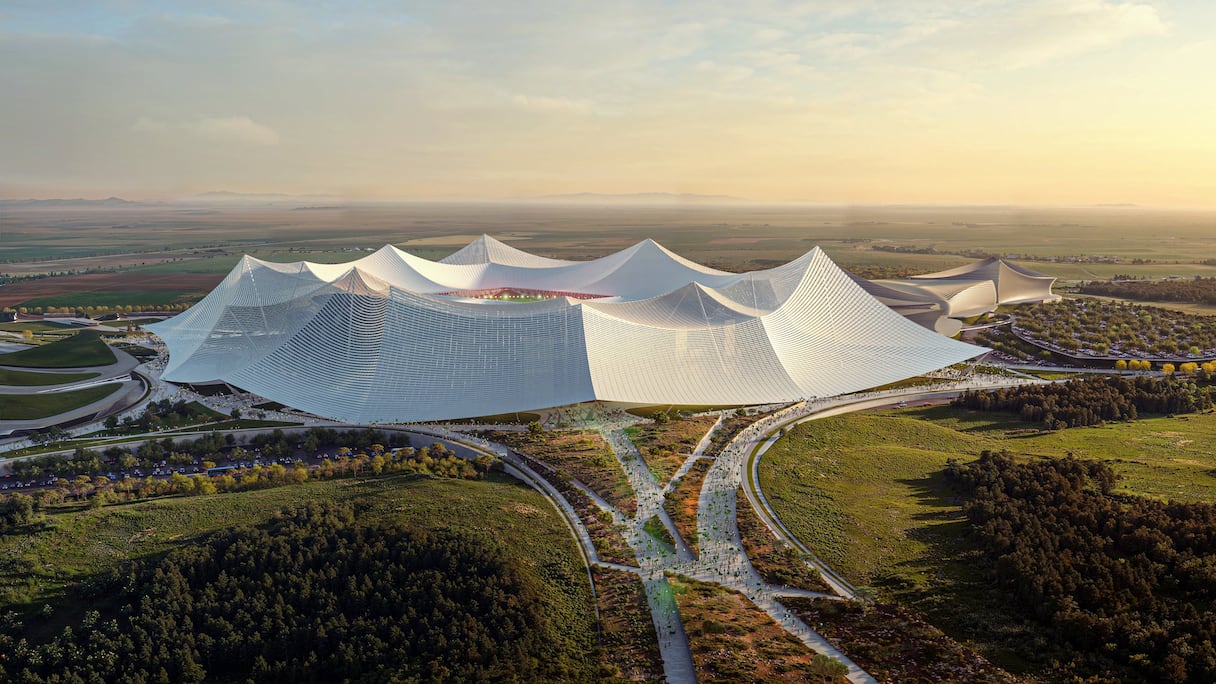
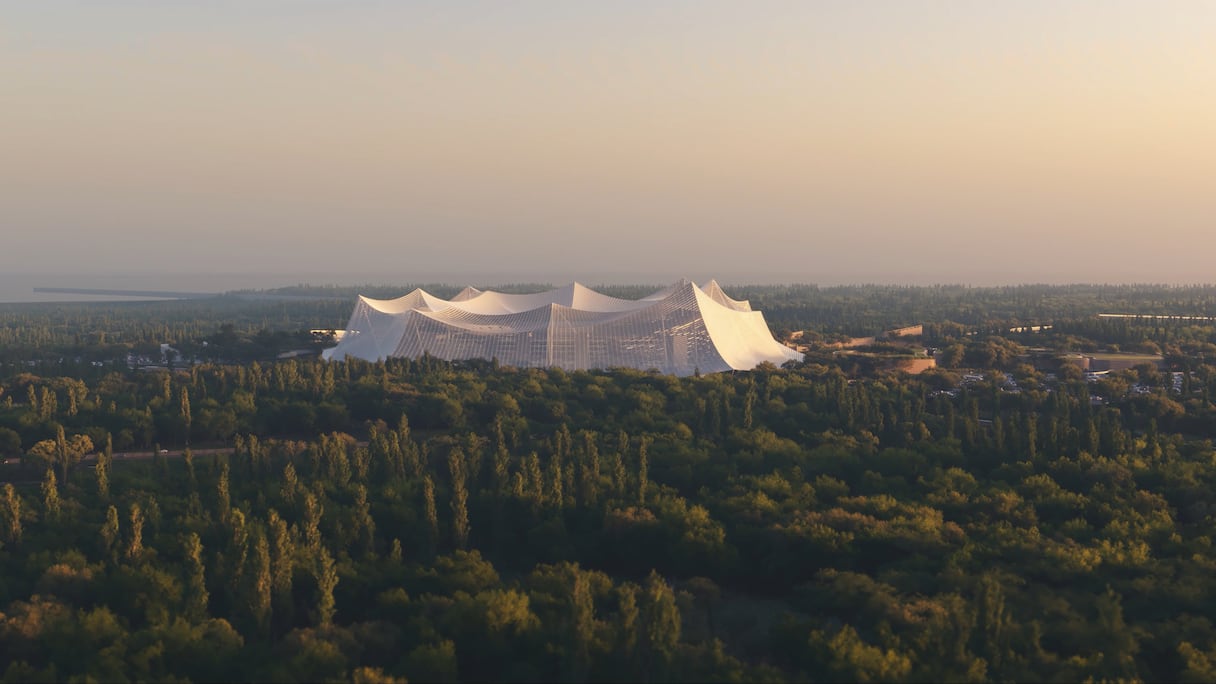
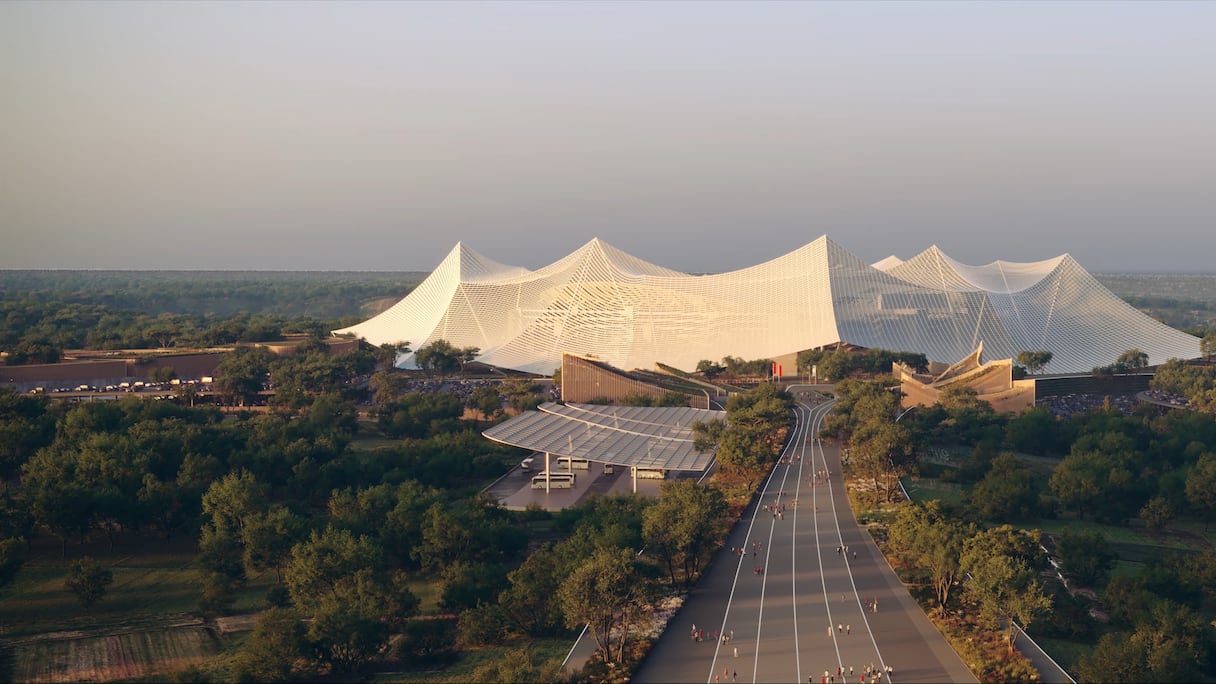
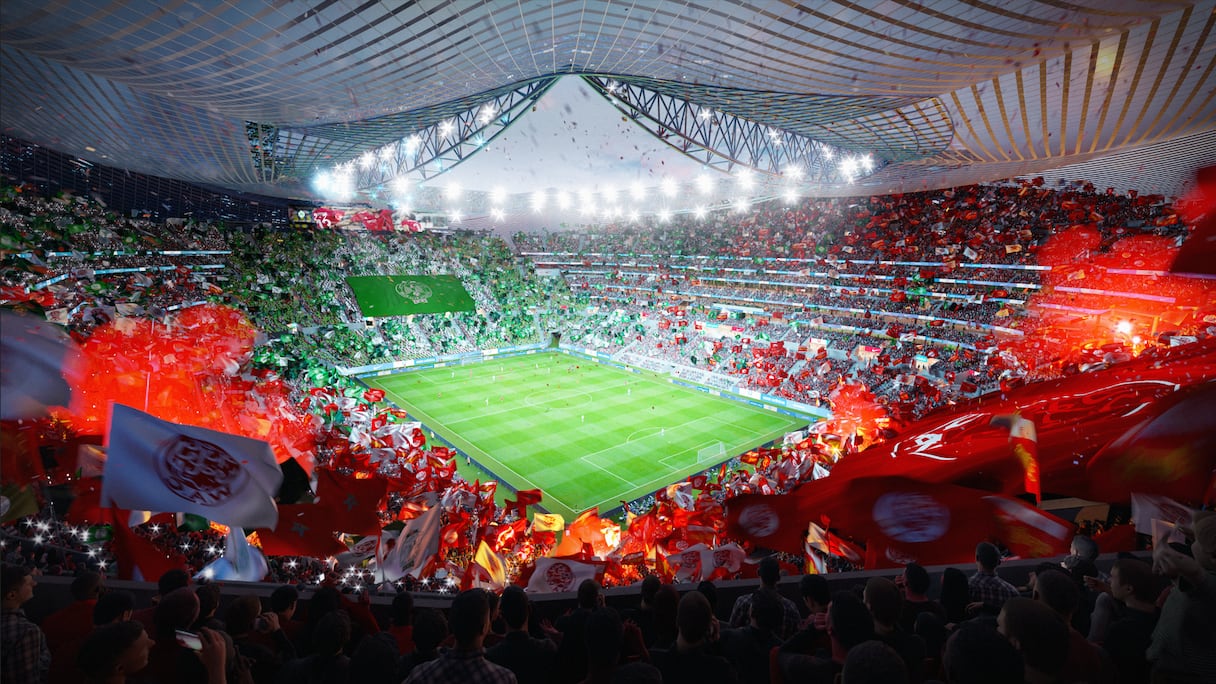
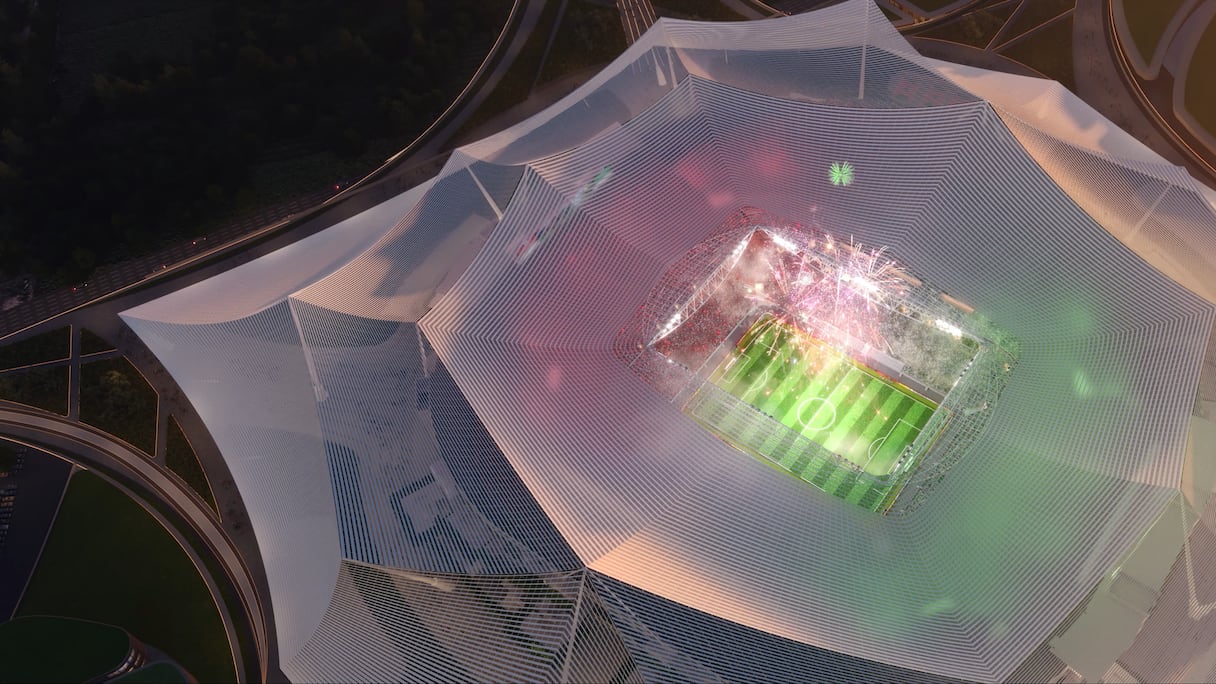
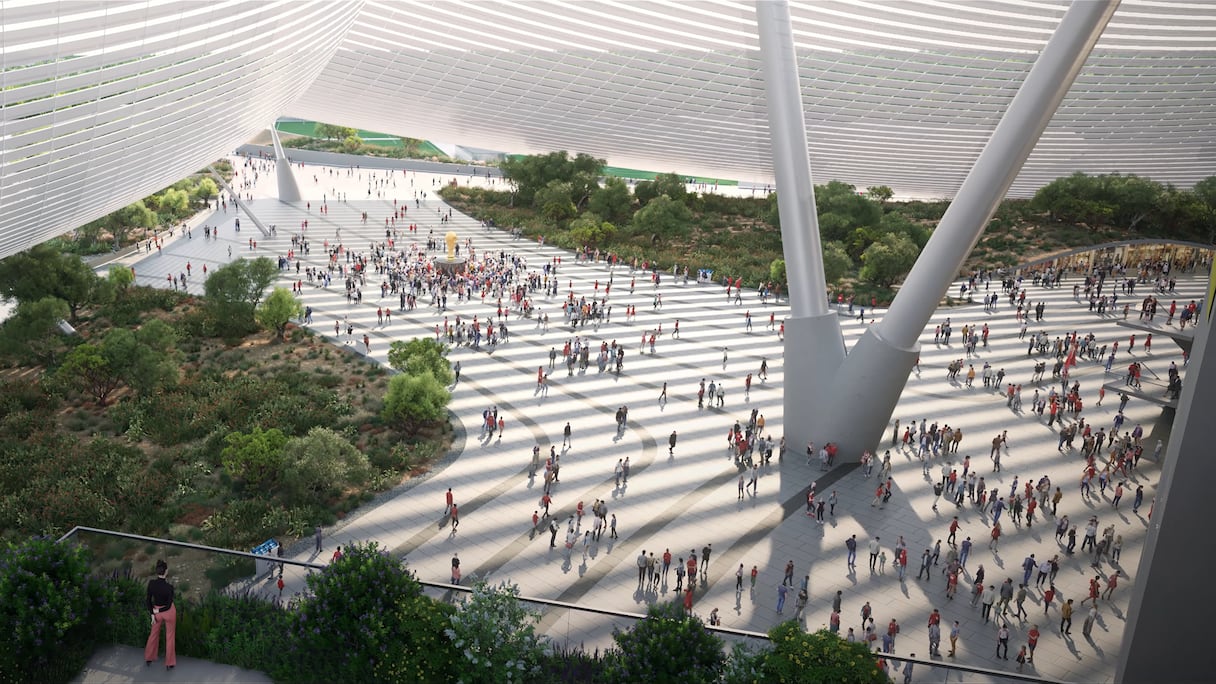

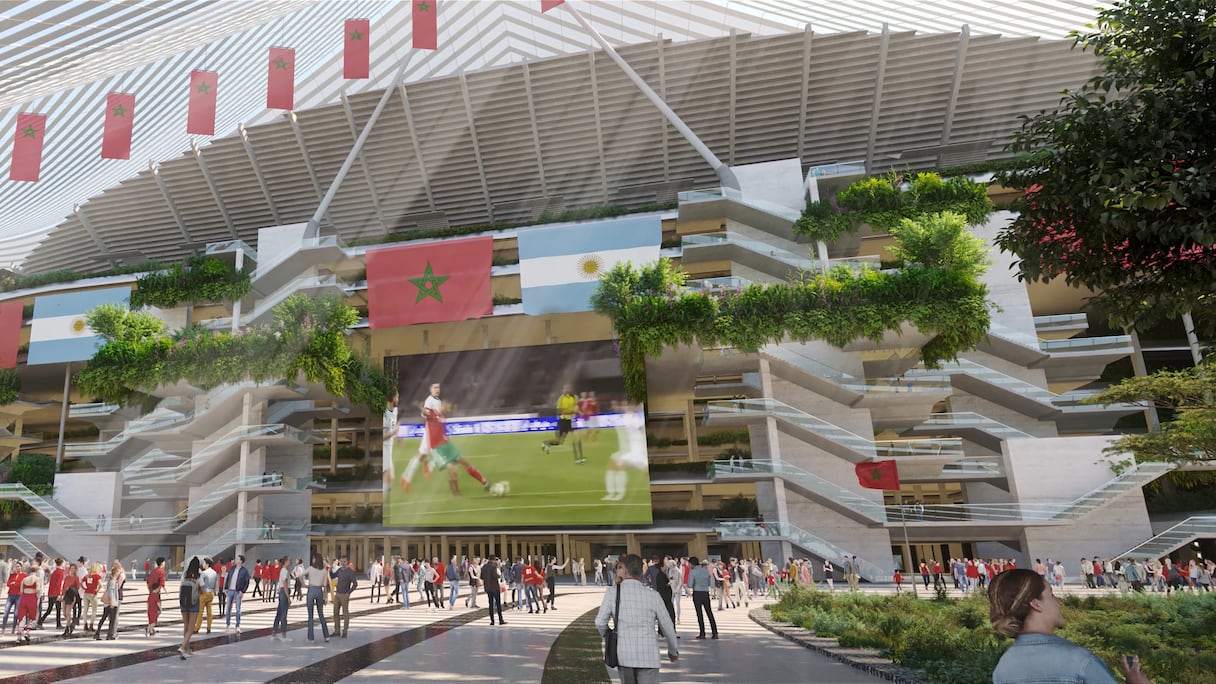
Model of the Grand Hassan II Stadium in Benslimane.
Despite this, Spanish officials have stepped up their declarations portraying the final as a foregone conclusion. Rafael Louzán, president of the Royal Spanish Football Federation (RFEF), reportedly told the delegation that he could envisage no scenario other than a final played on Spanish soil.
In its official communications, however, the RFEF adopted a more measured tone, referring simply to Spain’s ambition to “lead what will be the best World Cup in history,” without mentioning any commitment from FIFA or claiming that the decisive match had been awarded to the Bernabéu.
A joint bid that some seem to have forgotten
The AS article also claims that the project was “conceived and developed in Spain and Portugal” before Morocco joined it “along the way.” Such wording suggests a hierarchy between the three countries that is entirely absent from the bid officially approved by FIFA.
Spain, Morocco and Portugal were jointly designated as hosts of the 2030 World Cup. From an organizational standpoint, none of the three is a guest or a secondary partner. The formal bidding process began in October 2023, before the FIFA Congress officially approved their joint bid in December 2024.
Read also : FIFA inspects Santiago Bernabéu but holds off on discussing 2030 World Cup final
Although Spain and Portugal announced their intention to submit a joint bid before Morocco joined the project, that does not give them any ownership rights over the final. The choice of venue for the decisive match will depend on the criteria and discussions forming part of the international selection process, not on the order in which the bidders joined.
Spanish pressure is also taking on an increasingly visible political dimension. Alberto Núñez Feijóo, leader of Spain’s People’s Party, has even gone so far as to suggest that Spain could withdraw if the final were awarded to Morocco. It is a scenario that the Spanish press itself now considers difficult to envisage, given the commitments already signed.
Real Madrid, for its part, has chosen a different approach. No threats of withdrawal, but an equally emphatic message to FIFA: the club considers itself the best and intends to make its experience at the Bernabéu count.
Meanwhile, Morocco is preparing its six candidate venues for assessment by international inspectors. Once the process is complete, FIFA will have to compare the projects, capacities and guarantees put forward by each.
Until then, the Santiago Bernabéu remains a serious contender to host the final, but nothing more. Even if, in Madrid, the words “we are the best” continue, according to AS, to echo around the stadium’s stands.
