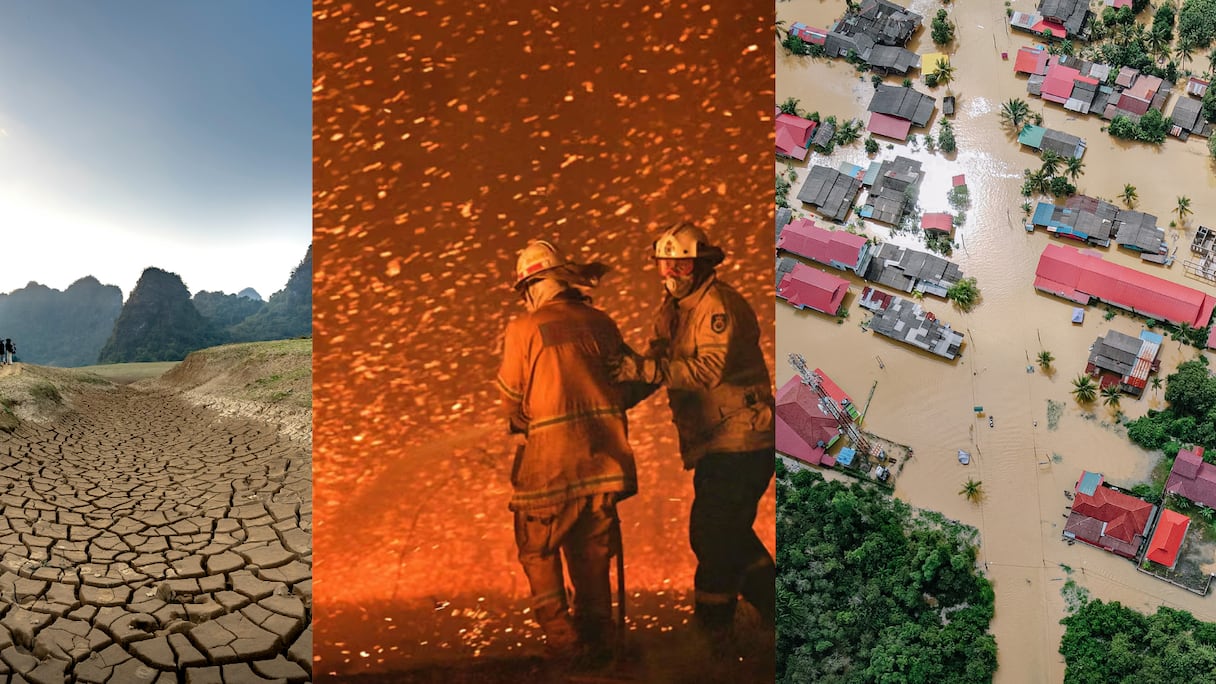
El Niño begins in the Pacific, but its effects do not stay there. Changes in ocean temperatures alter atmospheric circulation and tropical rainfall, which can in turn influence temperature and precipitation patterns across distant parts of the world. That makes the phenomenon one of the most important natural drivers of year-to-year climate variability.
A phenomenon born in the Pacific
El Niño is the warm phase of the El Niño-Southern Oscillation, or ENSO, a recurring interaction between the tropical Pacific Ocean and the atmosphere. It is characterized by unusually warm surface waters in the central and eastern equatorial Pacific, accompanied by changes in atmospheric circulation and rainfall.
Shifts in Pacific ocean temperatures affect tropical rainfall from Indonesia to the west coast of South America, while the resulting changes in atmospheric circulation influence weather patterns around the world.
The developing 2026 event is already showing a strong trajectory. The WMO’s August-October outlook describes a pattern consistent with a classic strong El Niño and says seasonal-average sea-surface temperature anomalies are expected to reach approximately 2.9°C. NOAA’s Climate Prediction Center, meanwhile, reported in August that sea-surface temperature anomalies in the eastern equatorial Pacific had exceeded 2.0°C, with the Niño-1+2 index reaching 2.9°C in July.
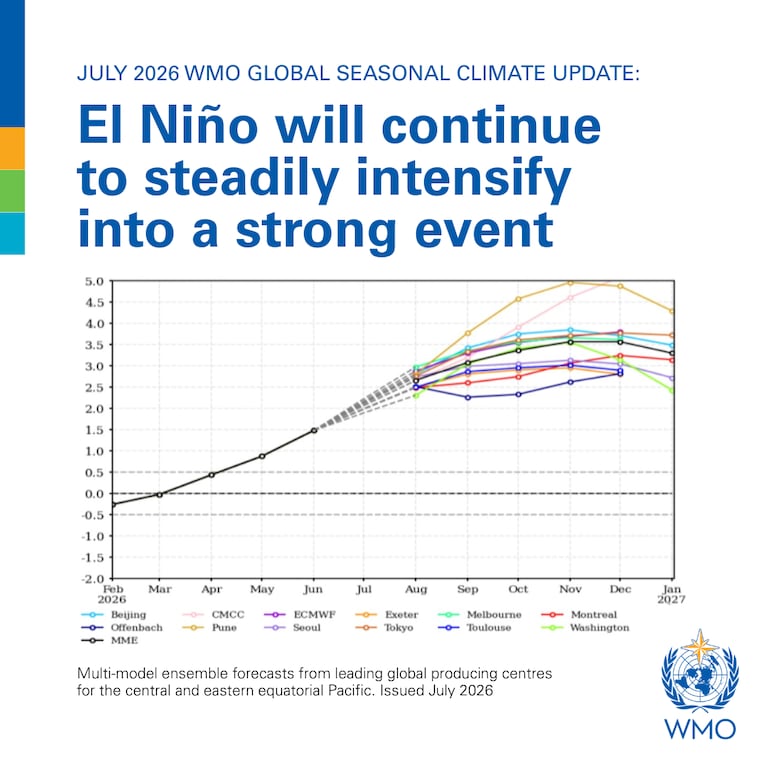
The WMO also expects above-normal temperatures across much of the world during the August-October period. But El Niño does not produce the same outcome everywhere. The agency stresses that no two events are identical and that other climate drivers also influence regional conditions.
One phenomenon, different consequences
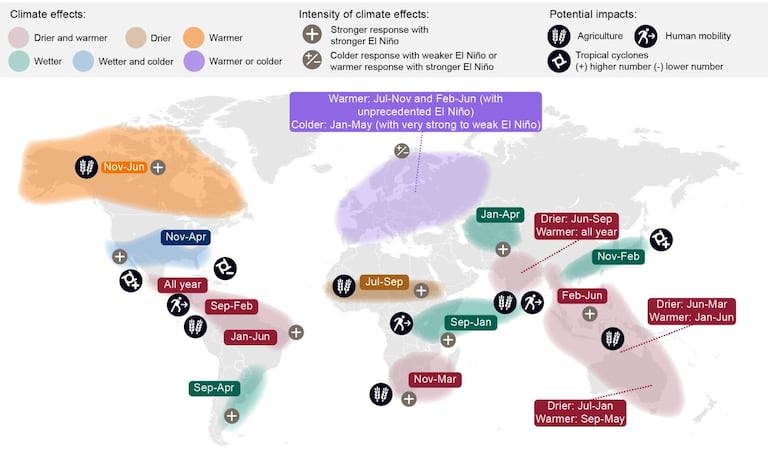
The global effects of El Niño are uneven.
For August through October 2026, the WMO expects wetter-than-normal conditions across the Greater Horn of Africa, parts of Central Asia, southern Europe, western North America south of 45 degrees north and southeastern South America. Drier-than-normal conditions are more likely over the Indian subcontinent, southern and eastern Australia, southern Central America and parts of the Caribbean, northwestern South America and northern Europe.
The Greater Horn of Africa is one region where the timing of El Niño matters strongly. The October-December period is an important rainfall season across the equatorial and southern parts of the region, contributing a large share of annual rainfall in countries including Ethiopia, Kenya and Somalia. Current forecasts point toward warmer and wetter-than-usual conditions in the region during the final quarter of 2026.
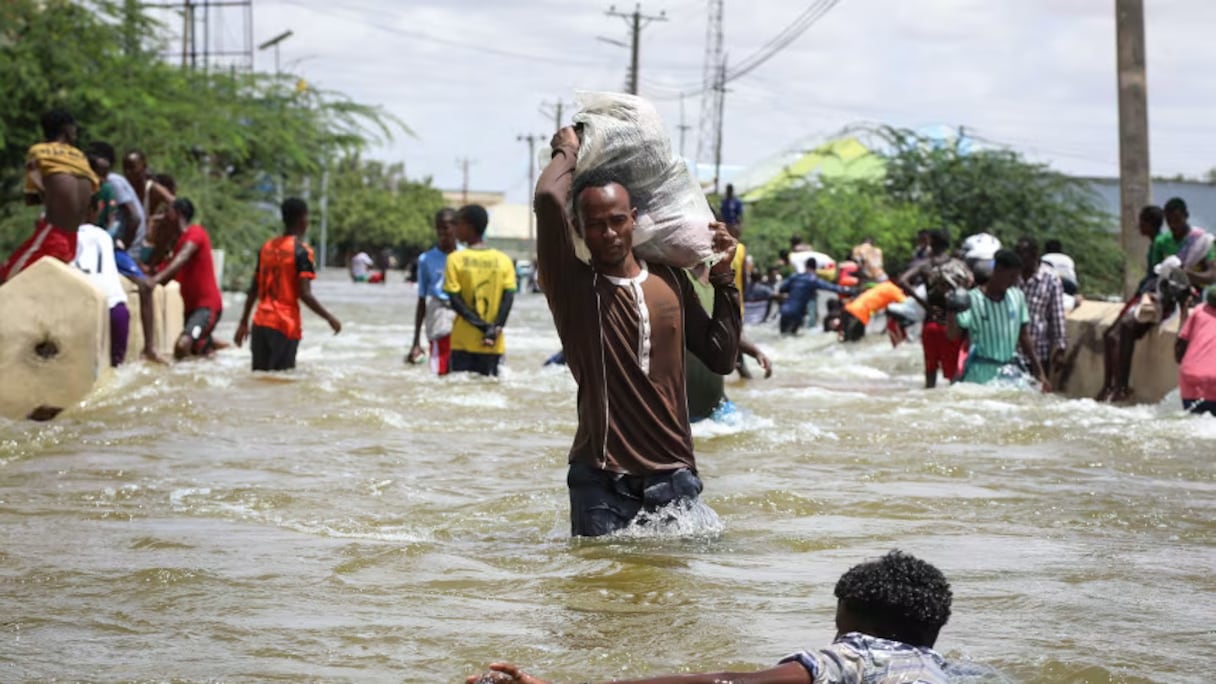
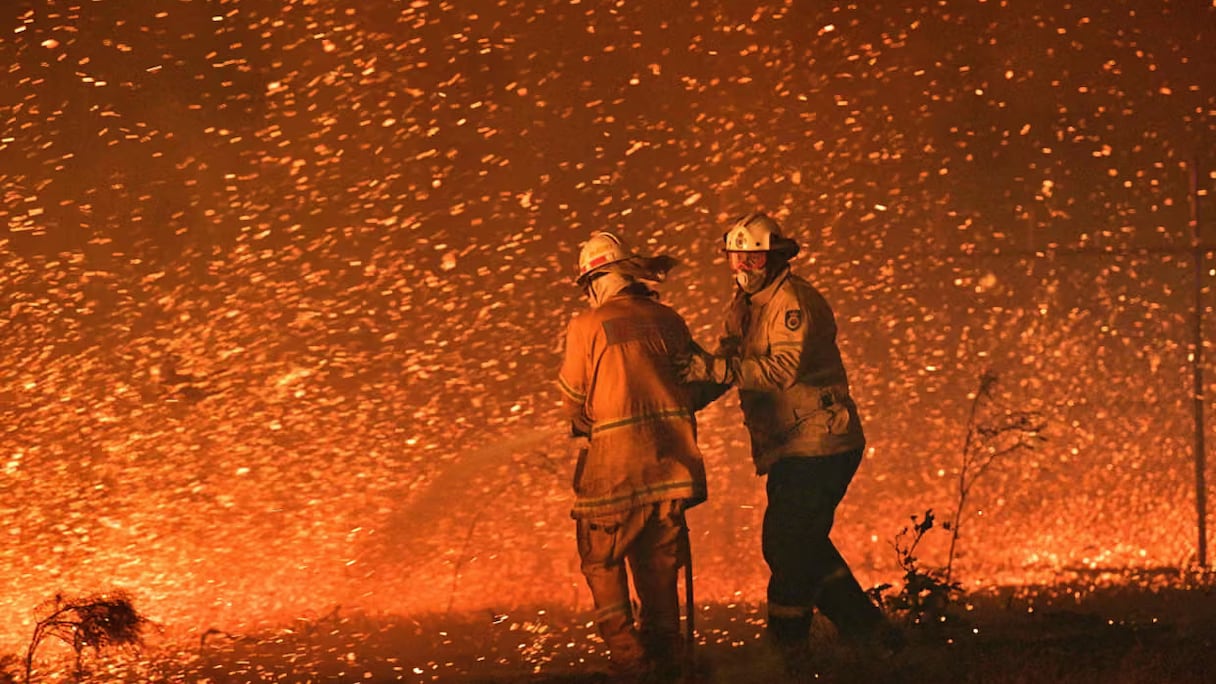
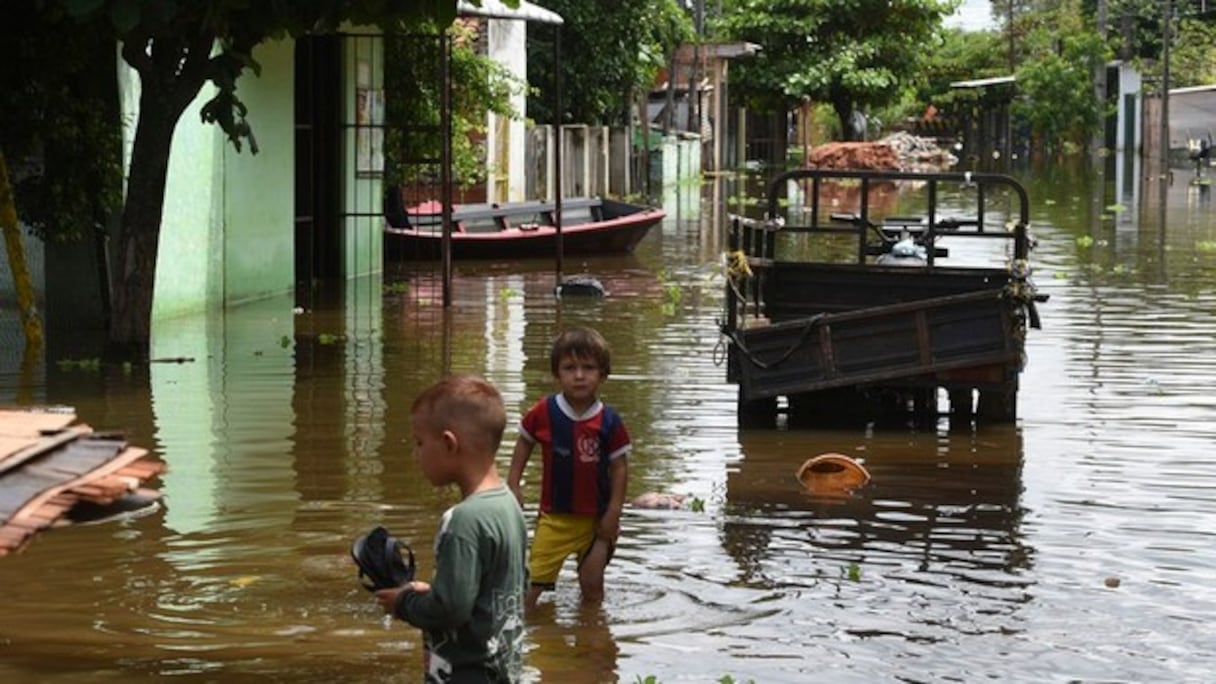
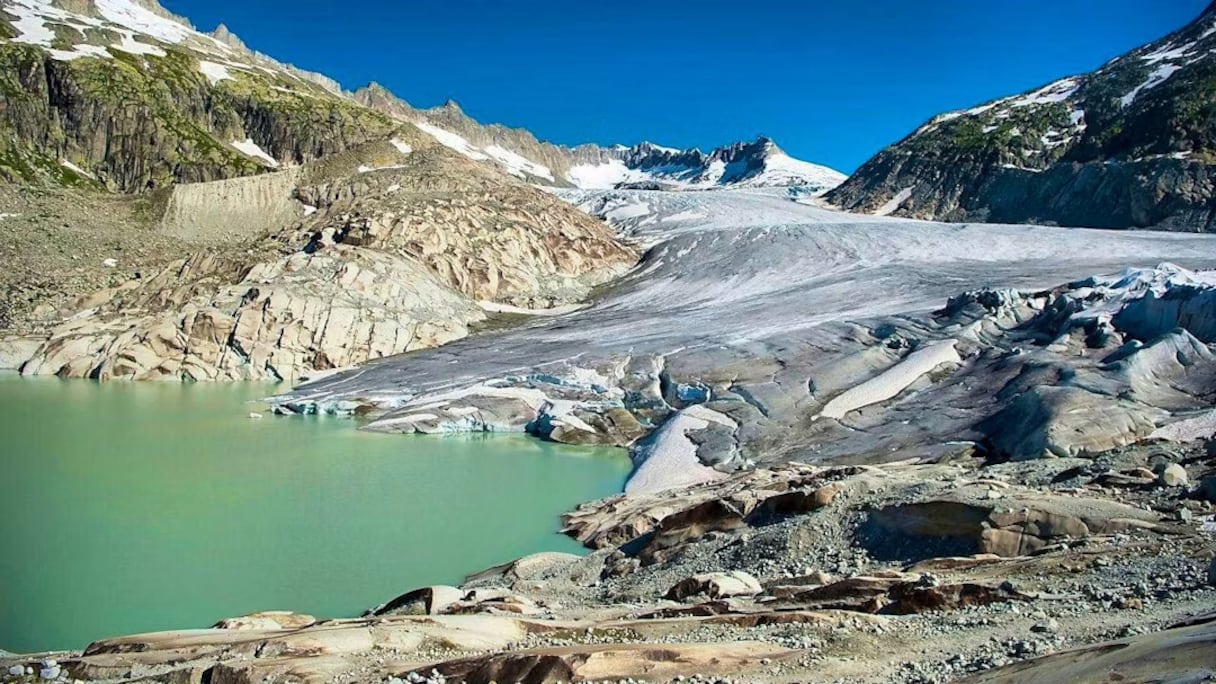
Somalia’s upcoming Deyr rainy season could be intensified by El Niño, raising fears of severe flooding similar to 2023, when floods displaced 1.2 million people and devastated farmland. (Image: Hassan Ali Elmi/ AFP)
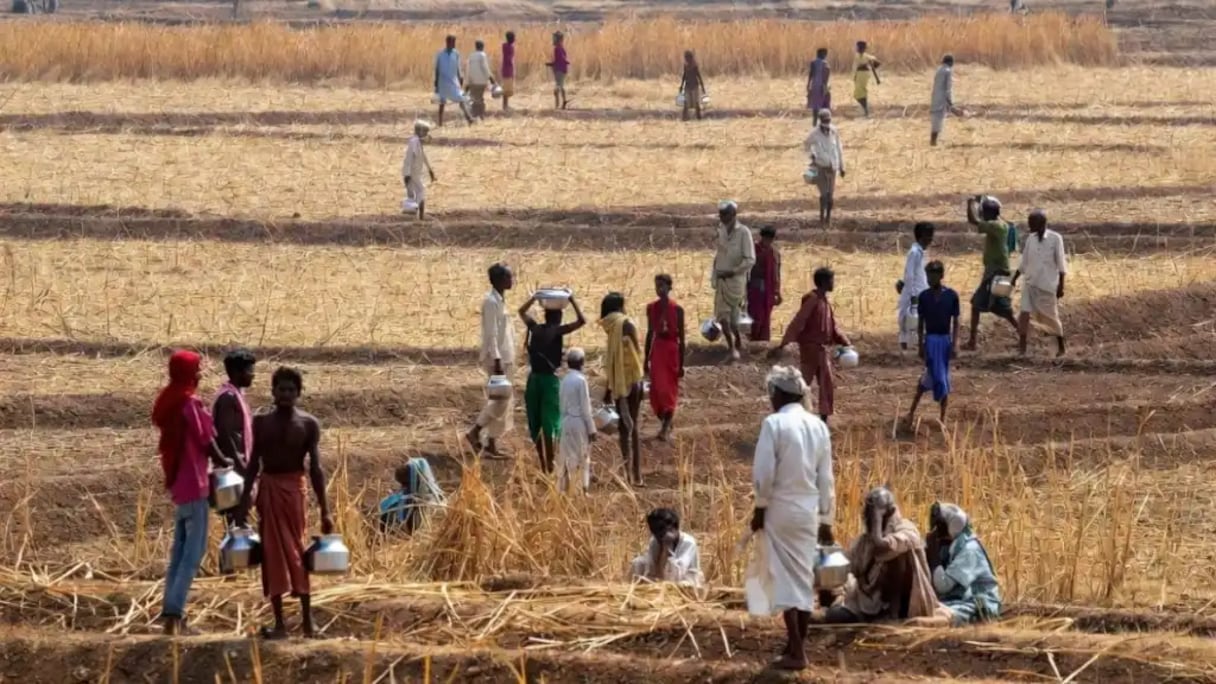
In India, meanwhile, the developing El Niño is already being watched in connection with the monsoon. The India Meteorological Department has forecast the 2026 southwest monsoon at around 90% of the long-period average, a below-normal outcome, while also forecasting the development of El Niño conditions during the monsoon season.
The contrast illustrates one of the defining features of El Niño: the same large-scale climate phenomenon can be associated with increased rainfall in one region and reduced rainfall in another.
When climate becomes an economic issue
The consequences do not stop with weather forecasts.
Agriculture is exposed because crops depend on temperature and rainfall conditions. NOAA notes that ENSO affects food production, while the WMO says its El Niño information is used to help agriculture, food-security and water-management authorities prepare for possible droughts, floods and temperature changes.
Commodity markets are already watching the developing event. Forecasters expect the strengthening El Niño to create risks for crops around the world, with particular attention on tropical commodities.
The effects can also reach the fishing industry. El Niño changes ocean temperatures and currents, affecting marine life and fisheries. Along the Pacific coast of South America, warmer ocean conditions associated with El Niño can reduce the nutrient-rich upwelling that supports marine ecosystems and fishing activity.
This makes El Niño more than a meteorological phenomenon. Changes in rainfall, temperature and ocean conditions can affect sectors that depend directly on climate and natural resources.
The infrastructure challenge
Governments and businesses are also preparing for potential disruptions.
The Panama Canal Authority, for example, is reducing the number of daily transits in September, cutting the total number of slots to 34 from September 3 and 32 from September 15, as reduced precipitation in the canal’s watershed raises concerns over water availability for the canal’s operations. The authority has also cited the need to mitigate the adverse effects of El Niño.
Companies are similarly examining the potential consequences for their operations. Corporate concern over El Niño has reached a multi-year high, with businesses discussing potential effects particularly across the Asia-Pacific and Latin America regions.
Read also : Thousands crowd shelters as wildfires force exodus in France, Spain
The concern is not simply about whether a particular country will be hotter or wetter. Weather disruptions can affect agriculture, transportation, water supplies and other parts of supply chains, making a climate event in one region relevant to companies operating far beyond it.
A hotter planet in the background
The 2026 El Niño is developing against a backdrop of long-term global warming, adding another layer to the story.
El Niño itself is a natural climate phenomenon and is not caused by human-induced climate change. But the two can occur simultaneously. El Niño typically has a warming effect on global climate, and 2024 became the warmest year on record amid the combination of the powerful 2023-24 El Niño and long-term human-induced warming. Global sea surface temperatures set a new daily record on August 22, 2026, according to the Copernicus Climate Change Service.
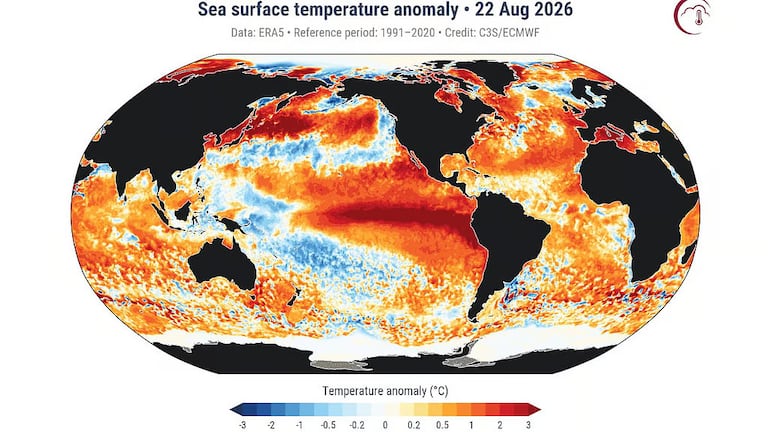
The WMO now expects the developing El Niño, combined with exceptionally warm global oceans and a developing positive Indian Ocean Dipole, to influence climate patterns during the months ahead. It also warns that the combination of oceanic climate drivers can amplify regional risks, including drought, flooding and wildfire risk in some areas.
Scientists are also examining how a warming climate could affect El Niño itself. Research summarized by NOAA indicates that questions remain about how ENSO will change under global warming, including whether extreme El Niño and La Niña events could become more frequent or stronger. The relationship remains an active area of research.
No single El Niño forecast for the entire world
El Niño provides a powerful signal for seasonal climate forecasts, but it does not determine the weather of every country months in advance. The WMO emphasizes that regional outcomes depend on the interaction of El Niño with other climate drivers and that impacts vary according to location and timing.
Read also : Flash floods leave more than 150 dead and hundreds missing along Nepal-Tibet border
What is clear is that the Pacific has entered a period that meteorological agencies are watching closely. NOAA forecasts a greater than 90% chance of a very strong event during the Northern Hemisphere fall and winter of 2026-27, while also putting the chance of a historic event exceeding the strength of every El Niño since 1950 at roughly 69% during October-December. The WMO forecasts further intensification through the coming months.
What happens next will be measured not only in ocean temperatures, but in rainfall, drought, heat, agriculture, fisheries and the decisions governments and businesses make to prepare.
El Niño may begin thousands of kilometers from many of the places it affects. But once the Pacific changes, the rest of the climate system responds.
