The finding comes from the UN’s 2026 Global Risk Report, which draws on the views of 1,300 people from governments, international organizations, civil society, the private sector and academia across 155 countries. Respondents assessed 28 political, economic, environmental, societal and technological risks based on their likelihood, potential impact and the world’s preparedness to respond.
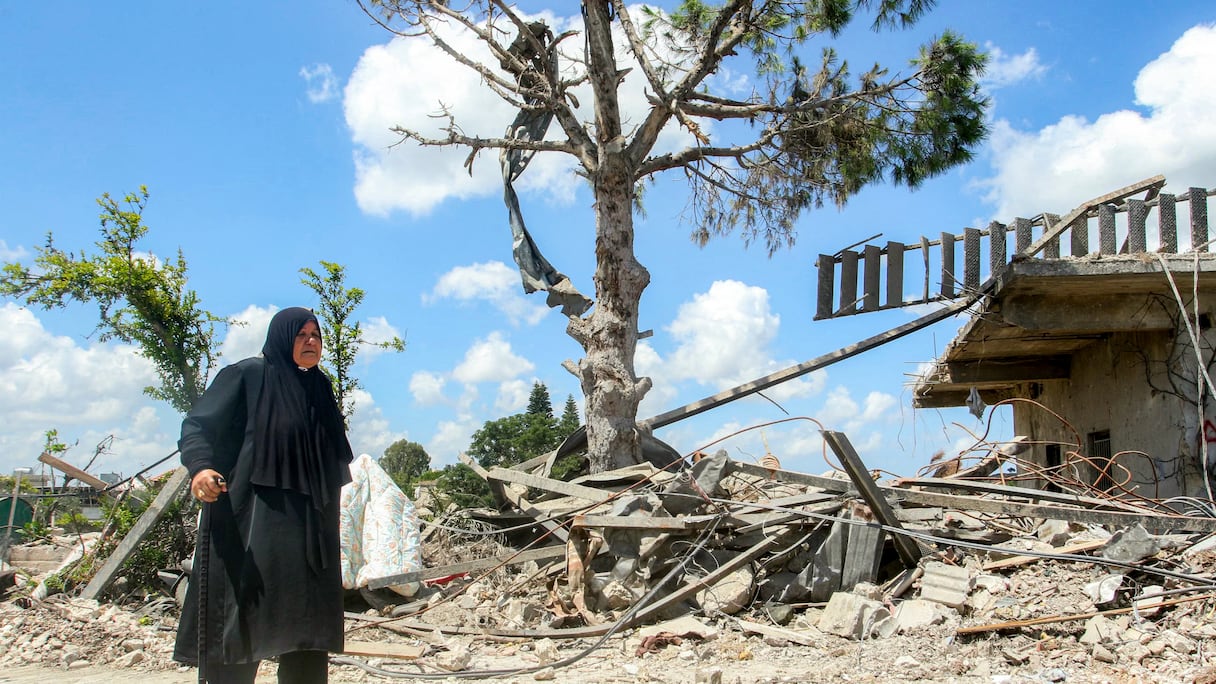
Large-scale war climbed 16 places compared with the 2024 survey, the biggest rise recorded for any of the 28 risks.
The concern also extends further into the future. Some 76% of respondents said the effects of a large-scale war could affect a significant share of humanity within seven years.
Read also : UN sets November 27 as International Day to Eliminate Child Marriage
The risk was the only one to rank among the top six across all four measures used in the survey: importance, imminence, interconnectedness with other risks and lack of preparedness.
“Political risks have moved centre stage,” UN Secretary-General António Guterres wrote in the report’s foreword. He said the prospect of large-scale war was viewed as “far more important and far more immediate” than two years earlier, while institutions expected to respond were seen as less able to act.
Geopolitical tensions rise
The shift is visible across all seven regions covered by the survey. Large-scale war and geopolitical tension now rank among the top 10 risks in every region and among the top five in six of them. In 2024, the two risks had made the top five in only one region. Weapons of mass destruction also entered the top 10 in Central and Southern Asia, Sub-Saharan Africa and Oceania.
Read also : UN maritime agency warns global shipping faces mounting security threats
At the same time, concerns over artificial intelligence and frontier technologies have grown. AI-related risks entered the top 10 in Europe and North America, while respondents in Eastern and South-Eastern Asia also reported greater concern over AI, the power of technology companies and the possibility of a global financial crisis.
The report identifies several risks as interconnected. Resource shortages, economic fragmentation, misinformation and weaker multilateral institutions can contribute to geopolitical tensions, which in turn increase the risk of large-scale war. The strongest link among the 705 connections identified between risks was the relationship between geopolitical tension and war.
Climate risks remain high
Despite the shift toward political and security concerns, climate change remains the risk respondents considered most important overall.
Environmental risks falling down the rankings do not necessarily mean they have become less dangerous, the report says. Rather, they have received less attention compared with other threats, which can also affect funding and preparedness. Pandemics and biological threats, meanwhile, fell out of the top 10 across all regions, reversing some of the concern seen in the 2024 assessment. The survey also found that 86% of respondents considered funding for risk reduction and mitigation insufficient.
Read also : UN votes for new world map to correct Africa’s distorted size
Weak governance and coordination, a lack of political consensus, declining trust and accountability, and gaps in data were among the main obstacles identified in managing global risks. The UN stresses that the report is a snapshot of how experts perceive global risks, not a prediction of what will happen. Respondents nevertheless continued to identify cooperation between governments as the most effective way to prevent and manage global risks.