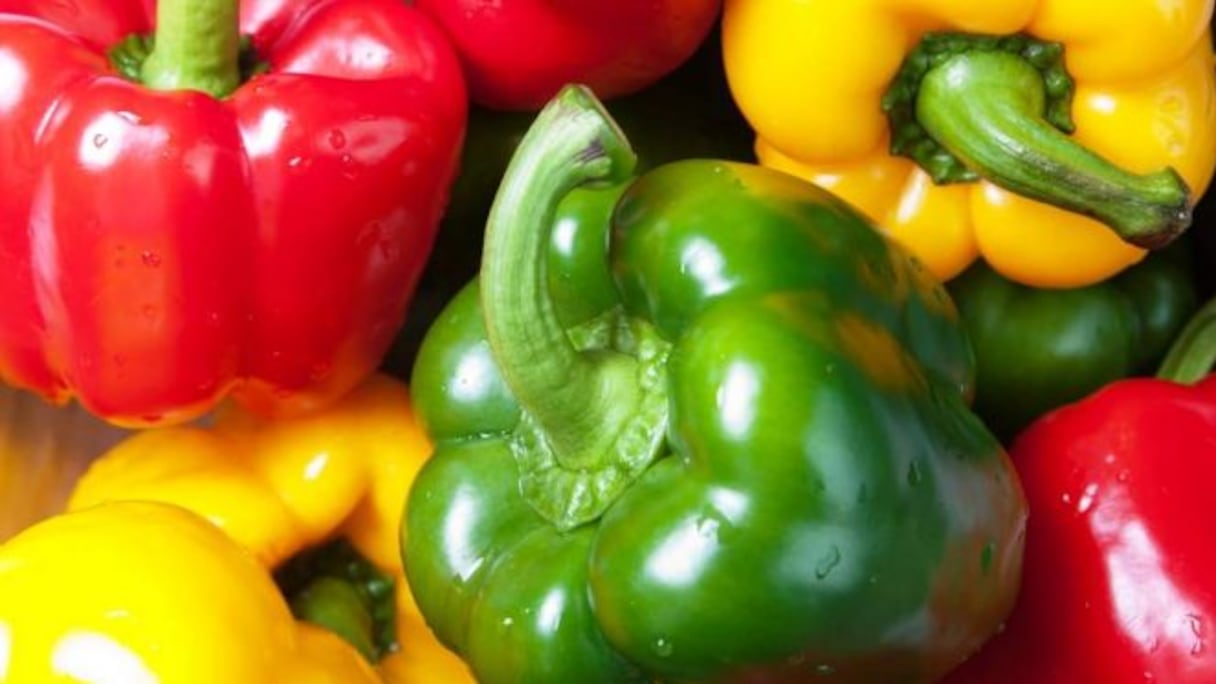
Speaking to Le360, Amine Amanatoullah, a farmer and exporter in the Souss region, said pepper crops have been under pressure from several diseases and pests for nearly two years.
The biggest threat is thrips, an insect that attacks flowers. Infested plants produce deformed fruit or fail to develop fruit at all. Flowers also drop, reducing yields.
The producer also pointed to the type of greenhouses used in Morocco. Traditional structures leave crops more exposed to weather conditions, changing temperatures and plant diseases.
According to Amanatoullah, the latest price increases are partly linked to a disrupted planting schedule. A shortage of available seeds prevented farmers from planting in July, as they usually do. High temperatures in August and September then damaged young plants and reduced yields.
“Higher production costs are limiting supply in the face of demand,” he said.
Amanatoullah described two years of difficult weather conditions, with disrupted growing seasons, late rainfall and high temperatures. He also cited a global seed shortage and the lack of disease-resistant varieties, including in Almeria, Spain.
High temperatures disrupt biological pest control
To avoid chemical pesticides and the residues they can leave behind, farmers rely on beneficial insects to control crop pests. But high temperatures can upset this biological balance.
According to the producer, heat changes the behavior of these insects, sometimes causing them to harm plants rather than protect them.
There are, however, signs of some relief. Cooler weather this week and light rainfall have eased growing conditions and allowed production to recover partially. Bell peppers are expected to return to markets gradually.
The question of profitability remains. Farmers need to earn a return on their investment or at least recover their costs, Amanatoullah said. When a harvest no longer covers expenses, they cannot continue shouldering the risk alone.
In the Souss region, the area devoted to tomatoes and other vegetables has declined from more than 20,000 hectares. Production has fallen accordingly, leaving less produce available and pushing prices higher as small and medium-sized growers withdraw from the sector.
Read also : Morocco’s sweet pepper exports to UK surge 60% to 10,400 tons
Larger producers are better able to absorb the pressure thanks to their export activities and the size of their farms. Even so, diseases affecting pepper and tomato crops are complicating their business calculations.
Rising production costs in Morocco are also undermining the competitiveness of Moroccan produce abroad, particularly against products from Egypt, Spain and Turkey.
Transport and distribution add further costs. Marketing, fuel, transportation and plastic and wooden packaging all increase the price of moving produce from the Souss region to domestic markets. Consumers bear part of these expenses through intermediaries’ margins. Distributors must cover transport and delivery costs while making enough profit to remain in business.
Amanatoullah called on the agriculture authorities to support production intended for the domestic market and prevent more growers from leaving the sector.
He cited the decline in yields as an indication of the scale of the problem. Bell pepper production has fallen from 90 to 100 tons per hectare to a maximum of 60 tons, due to diseases and production difficulties.
Labor shortages are adding to the pressure. With fewer Moroccan workers available, farmers are increasingly recruiting seasonal labor from other regions of the country and even from abroad.