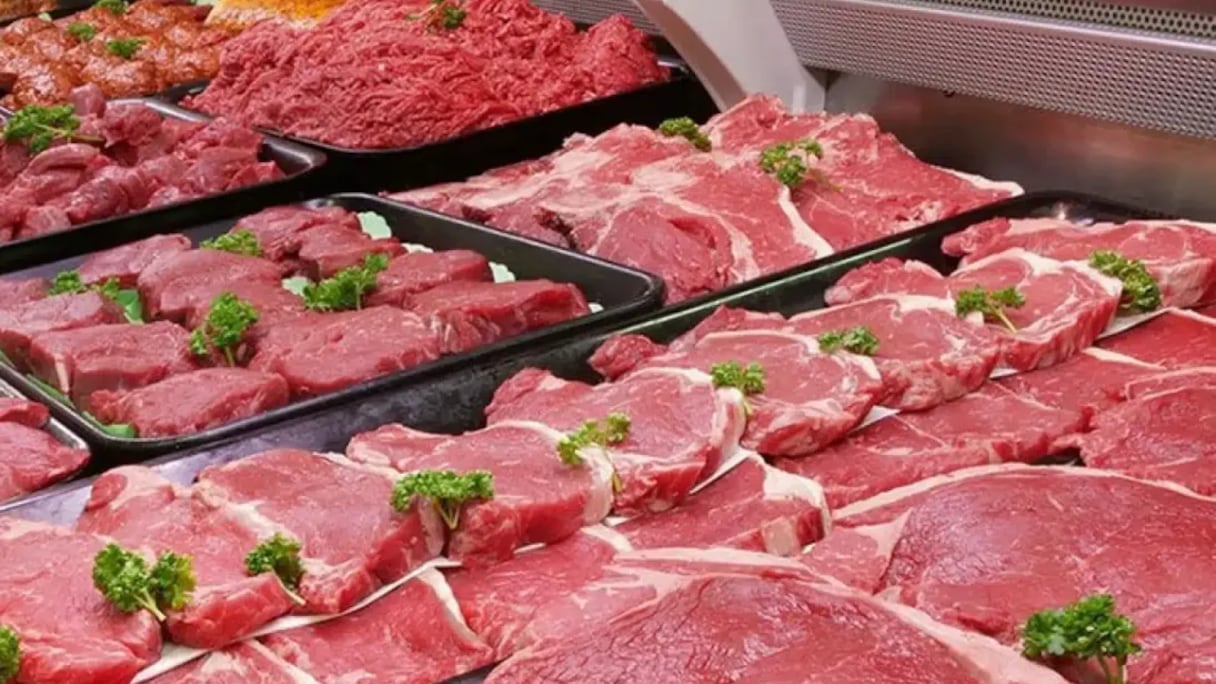
Beef is selling above MAD 140 a kilogram in some parts of the country, and frozen meat from Brazil and Uruguay is now being lined up for arrival from October as traders look farther afield for supplies.
But the new shipments will not be heading for neighborhood butcher shops or weekly souks.
Hicham El Jawabri, regional secretary of the wholesale red meat traders’ association in Casablanca-Settat, told Le360 that preparations were under way for the consignments, with Brazil expected to provide the bulk of the frozen meat.
“Agreements and arrangements are mainly focused on Brazil, which is the main approved source for importing frozen meat,” he said.
European sourcing has proved difficult, pushing importers towards Latin American suppliers.
The frozen meat has a defined market. El Jawabri said it would go mainly to hotels, classified restaurants and establishments looking for particular cuts and types of meat, leaving the traditional butcher trade largely dependent on fresh supplies.
“Contrary to what some people may think, this meat is not intended for traditional butchers or weekly markets,” he said.
Handling it comes with its own restrictions. Once thawed, the meat must be consumed and cannot be put back into refrigeration, even briefly, El Jawabri said. Imports will also have to meet regulatory and quality requirements, while customs duties and VAT will feed into their final cost.
Live cattle continue to arrive for slaughter from approved markets, including Brazil and Uruguay, while traders are watching developments in Spain after livestock disease disrupted supplies there.
El Jawabri said signs from Spain were improving, raising the possibility of cattle imports resuming in the coming months. Its proximity would give Spanish cattle an advantage in transport time over Latin American shipments.
None of that, he cautioned, points to a sudden return to the prices consumers once paid.
International production and shipping costs, along with supply and demand, will continue to determine how far prices can fall. Beef returning to around MAD 70 or MAD 80 a kilogram remains unlikely under current market conditions, he said.
