The total volume of stored water rose from 11,229.53 million cubic meters on October 19 to 11,335.61 million cubic meters on October 23.
The national filling rate climbed from 65.95% to 66.57% over the same period. However, the gains slowed toward the end of the week. Reserves increased by 68.48 million cubic meters between October 19 and 20, followed by gains of 21.57 million and 20.73 million cubic meters over the next two days. Between October 22 and 23, the total fell by 4.70 million cubic meters.
Of the country’s 69 dams, 25 held more water than on October 19, while 34 recorded declines and 10 remained unchanged. The dams that gained water added a combined 134.75 million cubic meters, compared with losses of 28.65 million cubic meters at the others.
Mohammed V, Hassan Addakhil and Kadoussa lead the gains
Mohammed V Dam, in the Moulouya basin, recorded the largest increase. Its reserves rose from 89.55 million to 128.89 million cubic meters, a gain of 39.34 million. Its filling rate jumped from 54.28% to 78.13%. Most of the increase came between October 19 and 22, with the dam adding just 0.69 million cubic meters on the final day.
Read also : Morocco advances 14 major dam projects backed by more than MAD 29 billion
In the Guir-Ziz-Ghris basin, Hassan Addakhil Dam gained 23.38 million cubic meters, bringing its filling rate to 73.17%. Kadoussa Dam added 18.71 million cubic meters, with its rate rising from 32.16% to 40.51%.
Most of these inflows arrived between October 19 and 20. During that period, a significant flow of water in the Oued El Ahmar in central Errachidia was reported by the flood notification and alert system installed upstream in the Ziz basin.
El Kansera Dam, in the Sebou basin, gained 8.28 million cubic meters, raising its filling rate from 63.92% to 67.96%. Mansour Eddahbi Dam added 7.15 million cubic meters to reach 49.09%, while Sidi Mohammed Ben Abdellah Dam gained 7.10 million, reaching 71.23%. Bin El Ouidane Dam added 6.31 million cubic meters to reach 80.56%.
Al Massira Dam gained 6.02 million cubic meters, bringing its filling rate to 40.72%. Tiddas Dam added 3.50 million cubic meters, pushing its rate above 91%, while Tamalout Dam gained 3.25 million to reach 83.09%.
Five river basins gain water, four record declines
The Moulouya basin recorded an increase of 44.24 million cubic meters, with its filling rate rising from 65.81% to 72.11%. Mohammed V Dam accounted for nearly 90% of that gain.
The Guir-Ziz-Ghris basin followed with an increase of 42.25 million cubic meters. It recorded the largest rise in filling rate, up 7.71 percentage points from 47.84% to 55.55%.
The Oum Er-Rbia basin gained 17.97 million cubic meters, reaching a filling rate of 58.89%. The Bouregreg basin added 12.56 million cubic meters to reach 77.58%, while the Draa-Oued Noun basin gained 7.54 million, bringing its rate to 37.83%.
Read also : Mokhtar Soussi Dam: Expansion passes 85% as storage capacity nears sevenfold increase
Four basins recorded declines. The Sebou basin lost 7.54 million cubic meters, with its filling rate falling to 76.38%. The Loukkos basin shed 7.39 million cubic meters, dropping to 73.99%. The Souss-Massa basin lost 1.84 million cubic meters and fell to 46.92%, while the Tensift basin declined by 1.71 million to 74.14%.

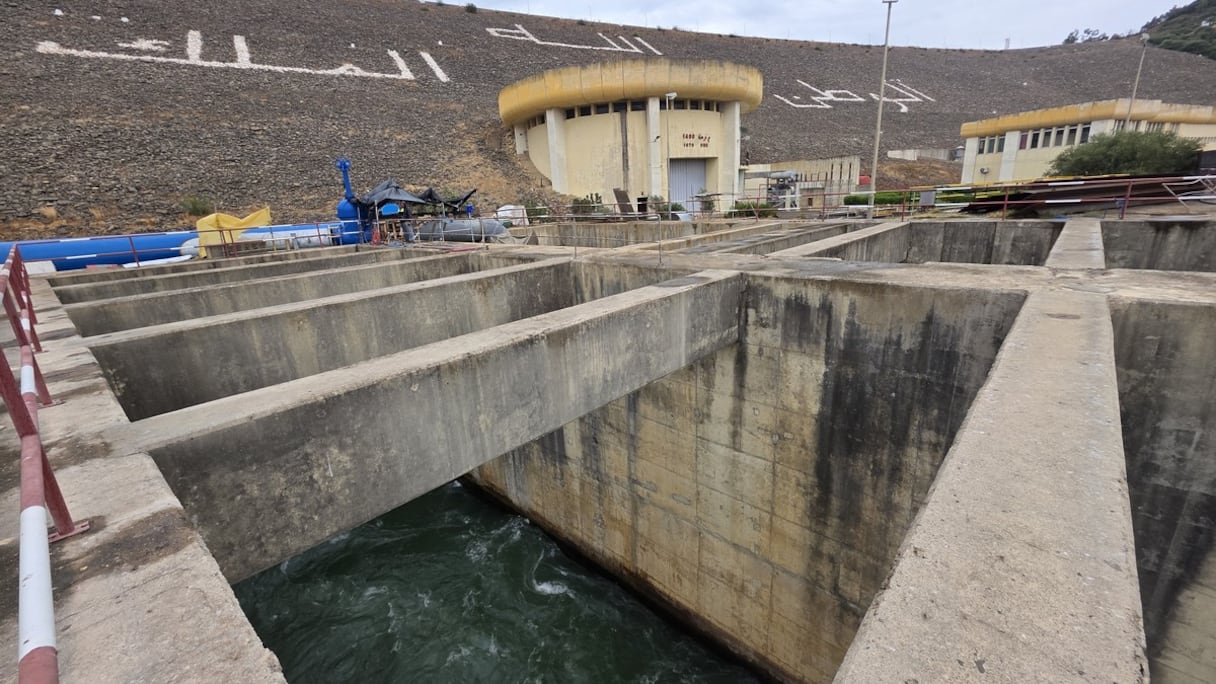

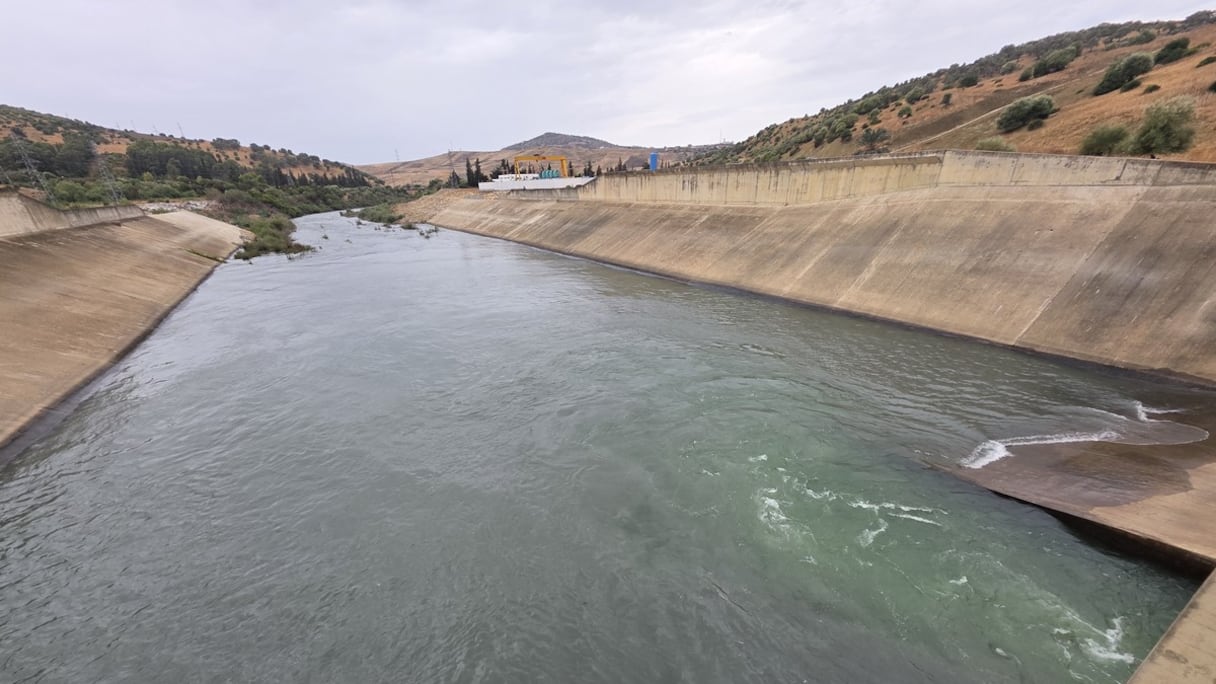
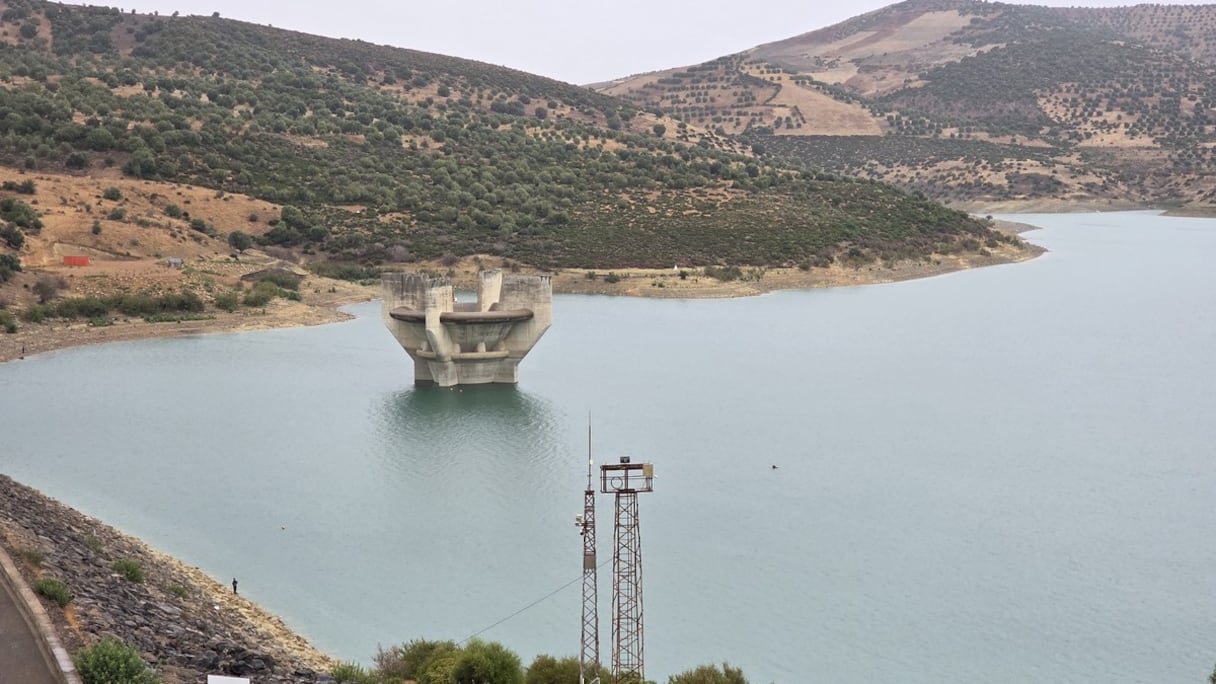
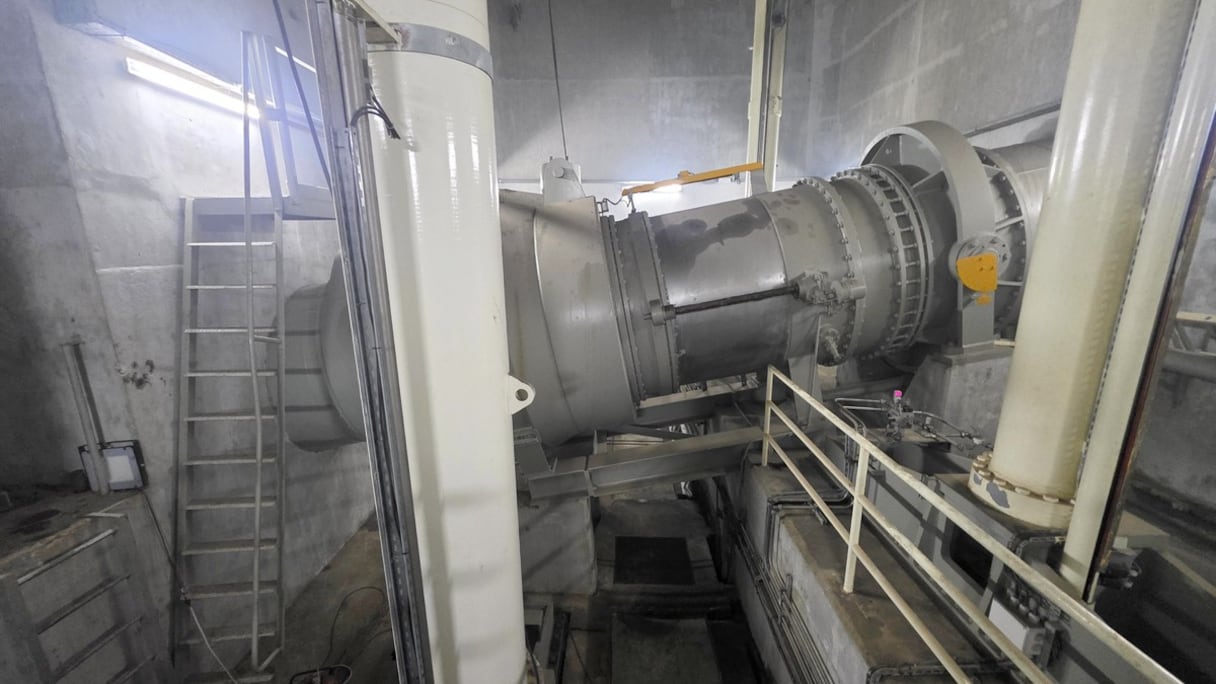
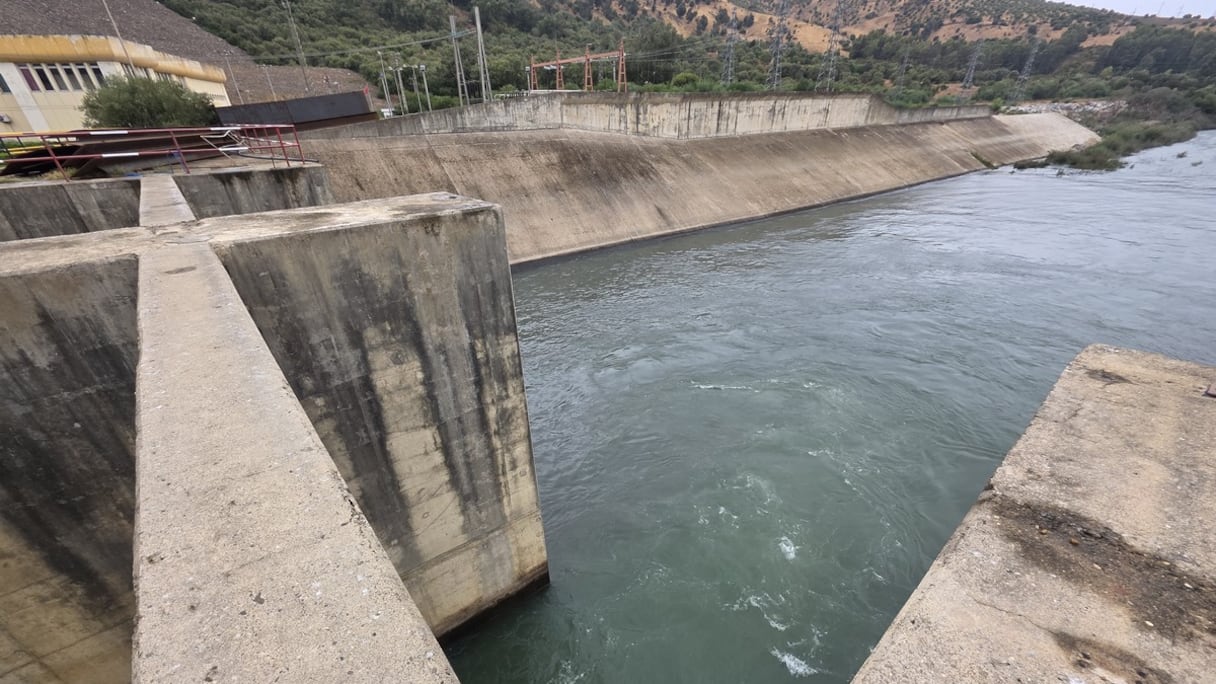
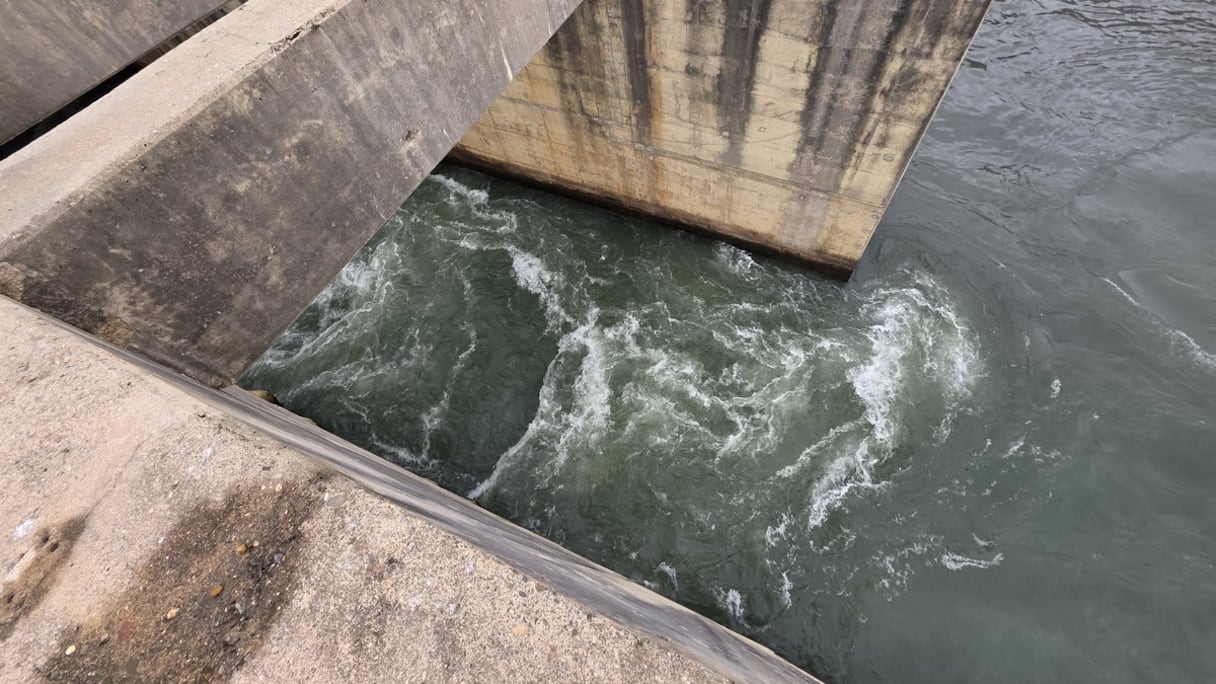
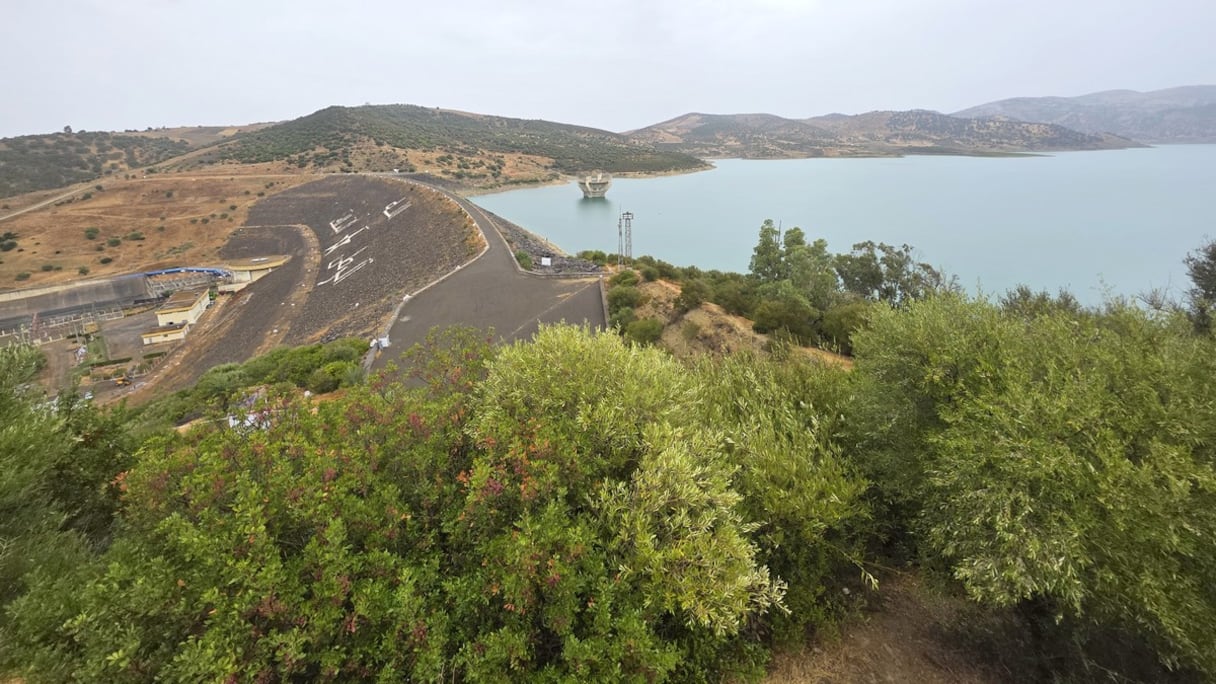

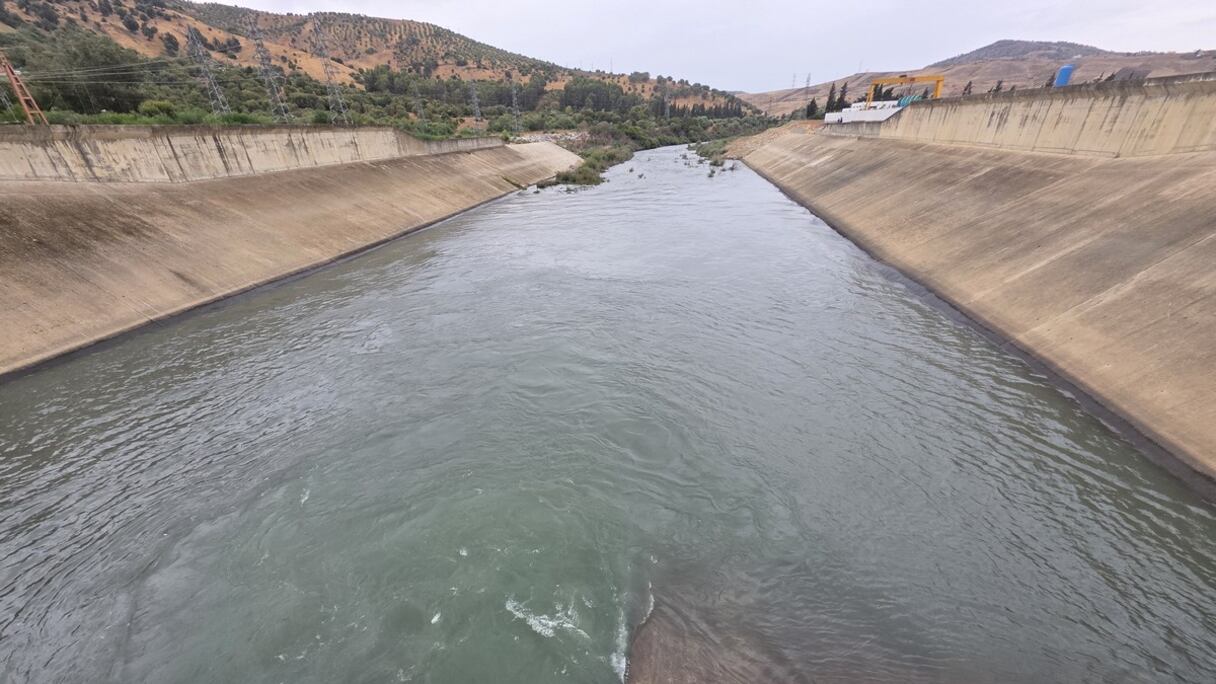
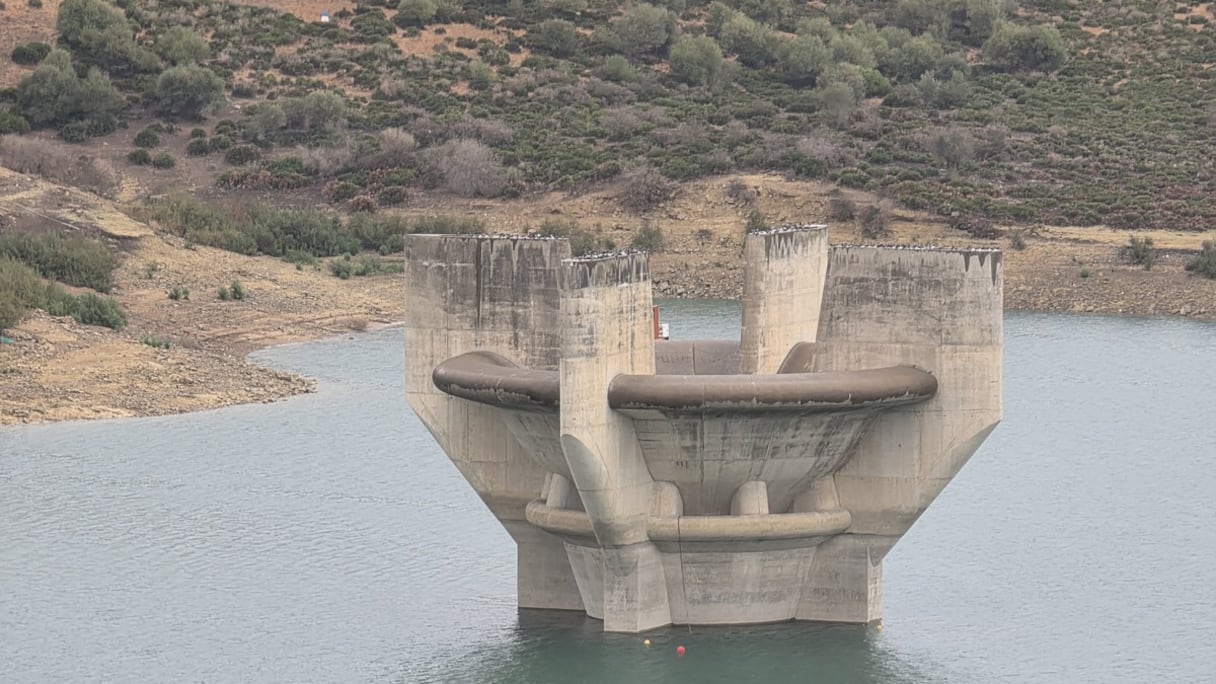
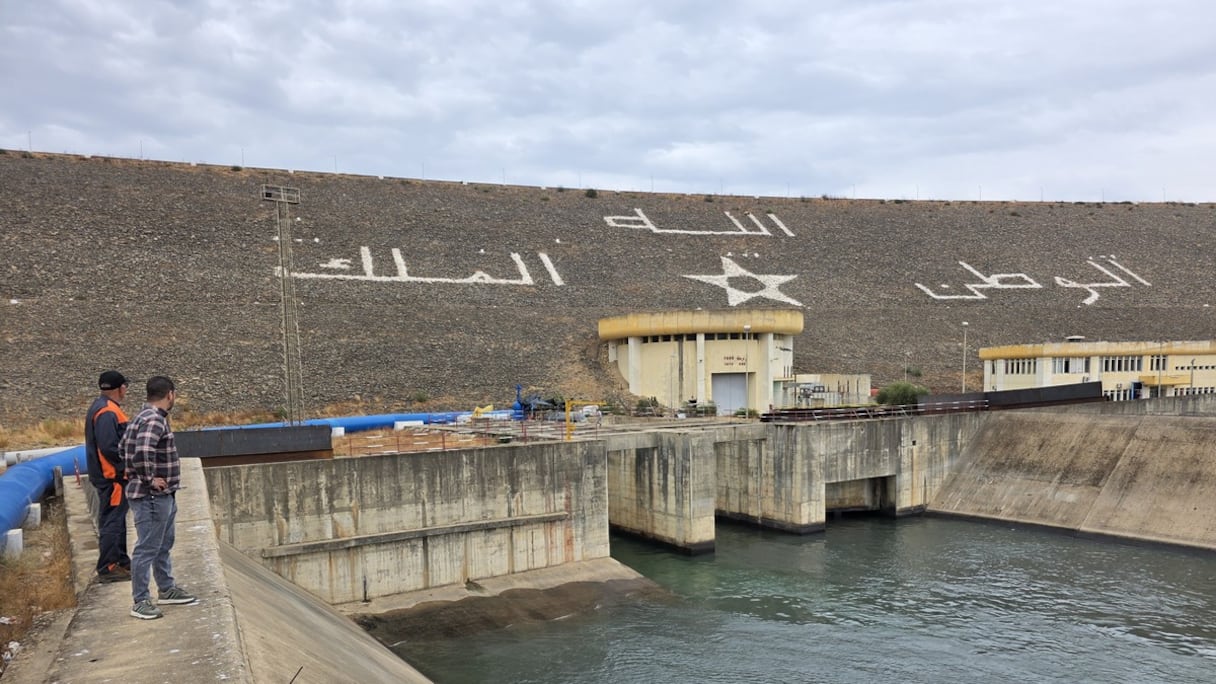

Oued El Makhazine Dam. (S.Kadry/Le360)
Al Wahda and Dar Khrofa continue to lose water
Two major dams accounted for most of the losses. Al Wahda, the country’s largest dam, lost 15.68 million cubic meters over the five-day period, recording a decline each day. Its filling rate slipped from 79.61% to 79.16%.
Dar Khrofa Dam, in the Loukkos basin, lost 4.83 million cubic meters, with its filling rate falling from 84.24% to 83.22%. Together, the two dams accounted for more than 70% of the total losses.
On October 23 alone, they recorded a combined decline of 5.59 million cubic meters, exceeding the net national decrease of 4.70 million cubic meters that day.
Despite the latest fluctuations, the national filling rate of 66.57% on October 23 remained well above the 31.72% recorded on the same date in 2025, a difference of nearly 35 percentage points.
All river basins were above their levels from a year earlier. The Oum Er-Rbia basin rose from 9.79% in October 2025 to 58.89%, while the Moulouya increased from 28.91% to 72.11% and the Souss-Massa from 16.99% to 46.92%.
The smallest year-on-year differences were recorded in the Guir-Ziz-Ghris basin, at 55.55% compared with 47.13% in 2025, and the Draa-Oued Noun basin, at 37.83% compared with 28.52%.
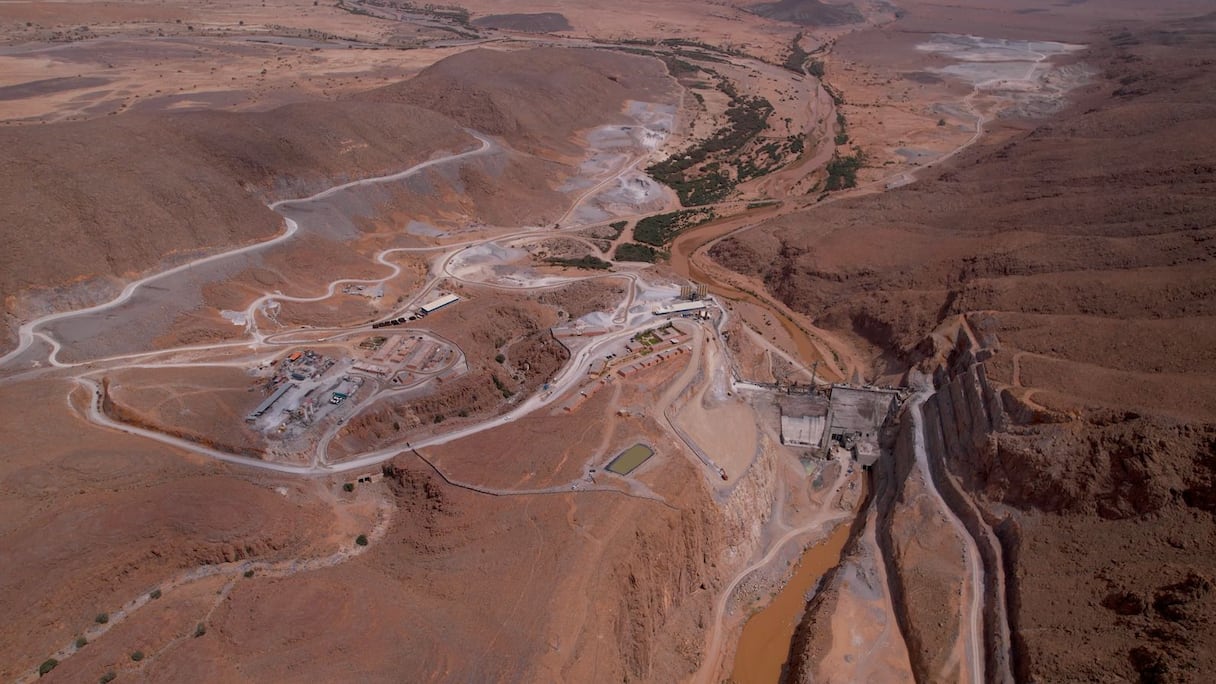
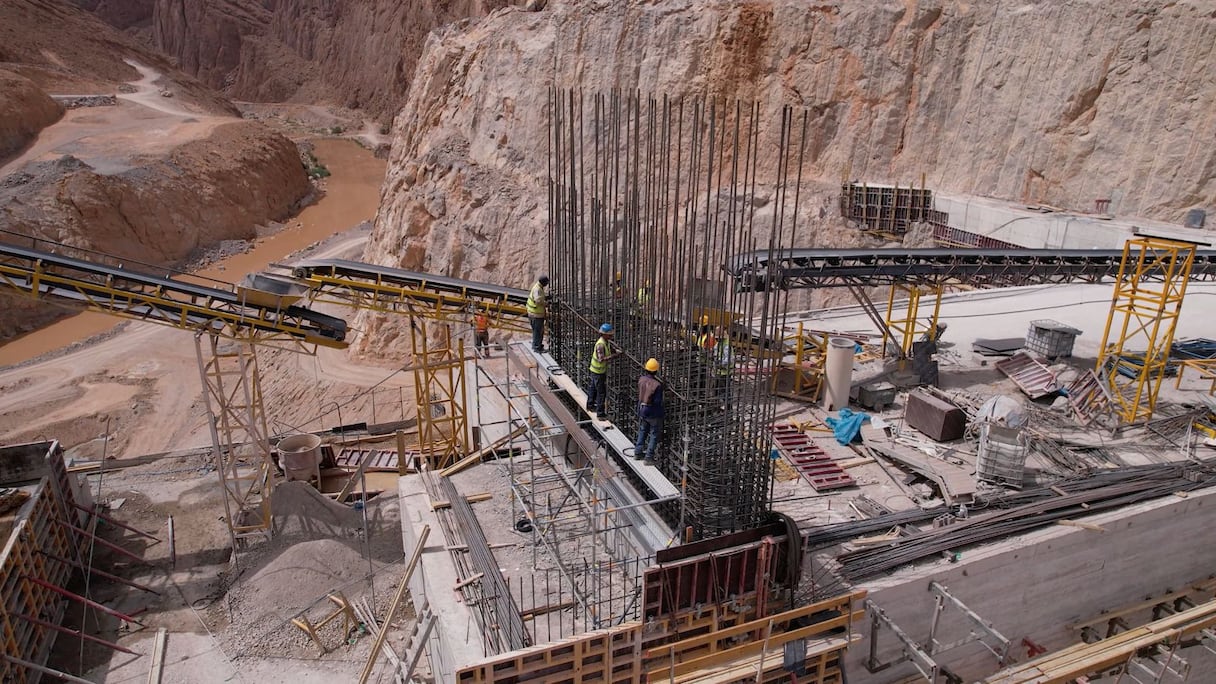
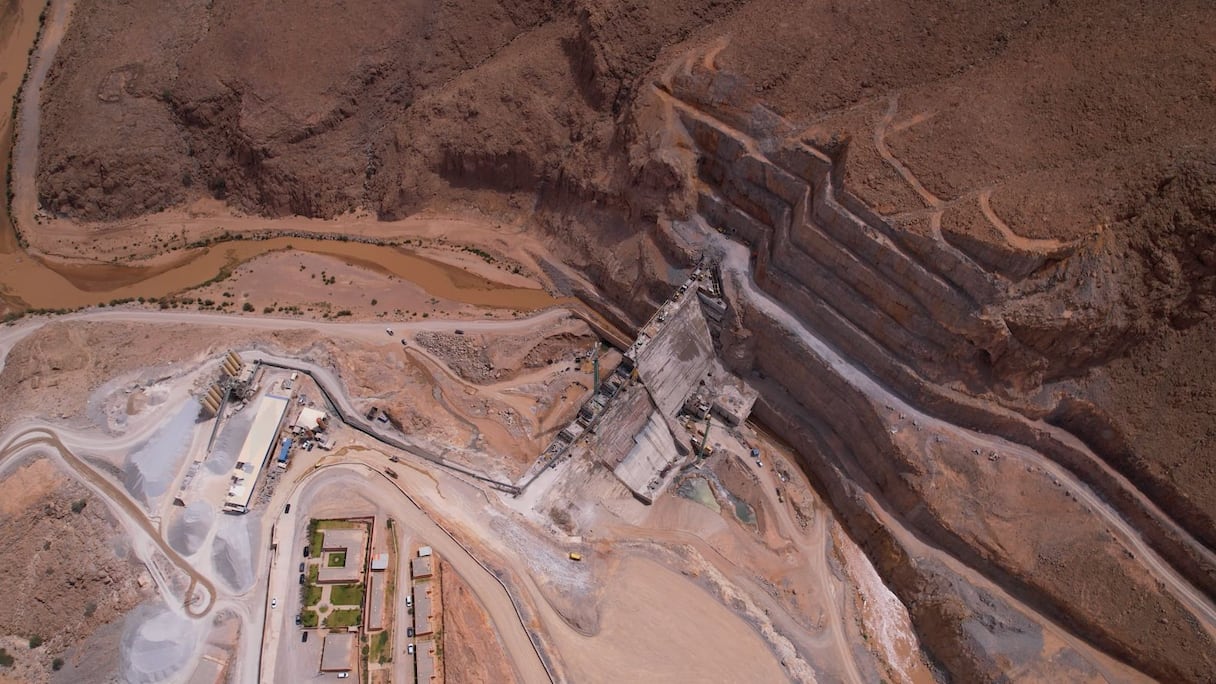
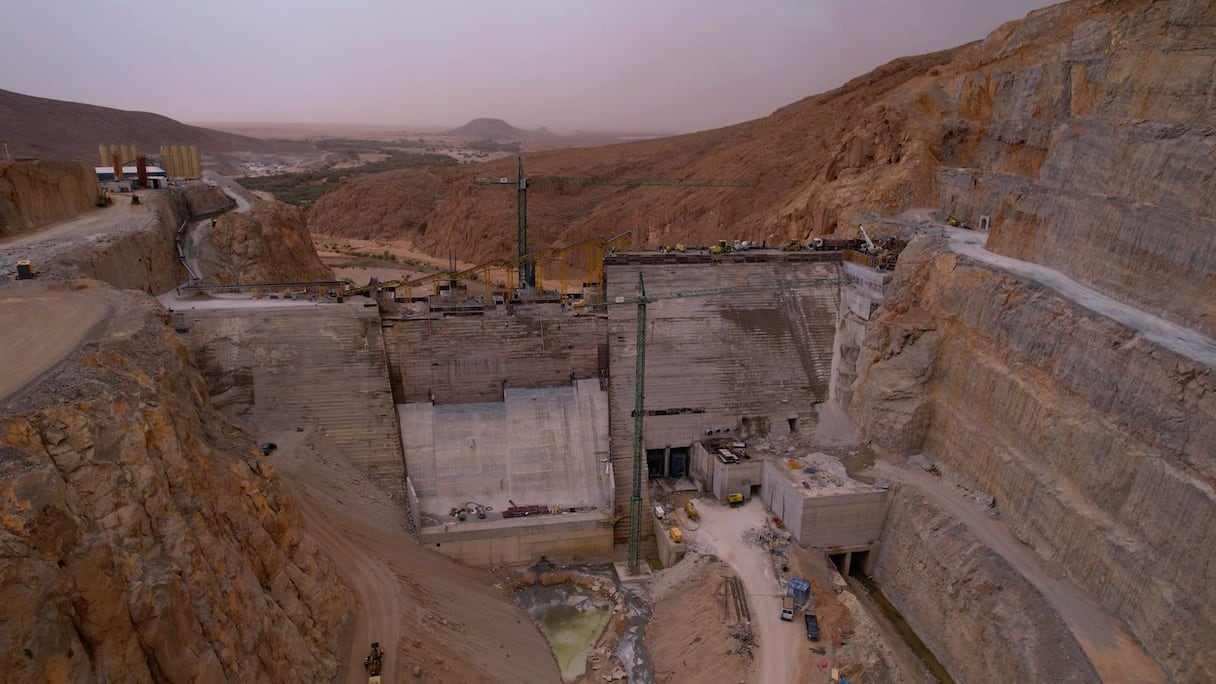


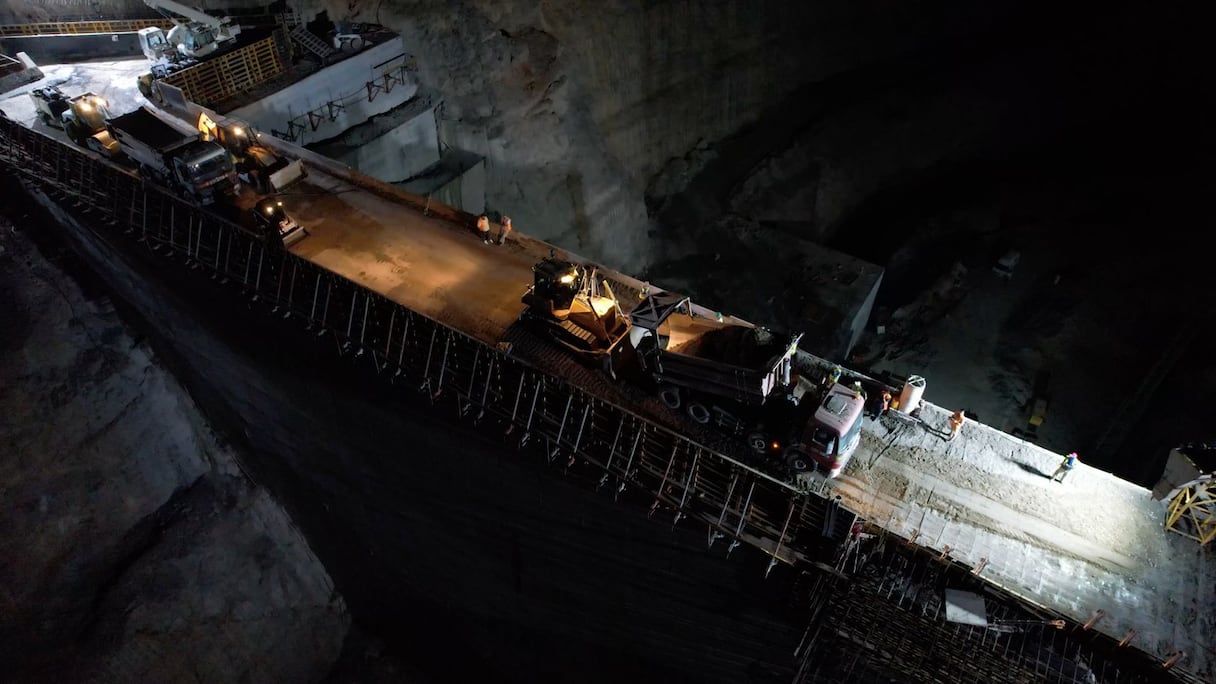


Inside the Kheng Grou Dam construction site, Morocco’s fifth-largest dam, on Thursday, October 15, 2026. Construction is 91% complete.
The government’s 2026-2031 program, presented to Parliament on October 19, calls for the construction of around 400 hydraulic structures. The total includes small dams, hillside dams and rainwater collection facilities intended in particular for arid and semi-arid areas, mountainous regions and oases.
The program also includes six new desalination plants, which are expected to raise available water supplies to 1.8 billion cubic meters by 2031.
It further provides for a second phase of the inter-basin water transfer project, which will carry water from the Bouregreg basin to the Oum Er-Rbia basin at Al Massira Dam. The reservoir has gained 6.02 million cubic meters since October 19, bringing its filling rate to 40.72%.
