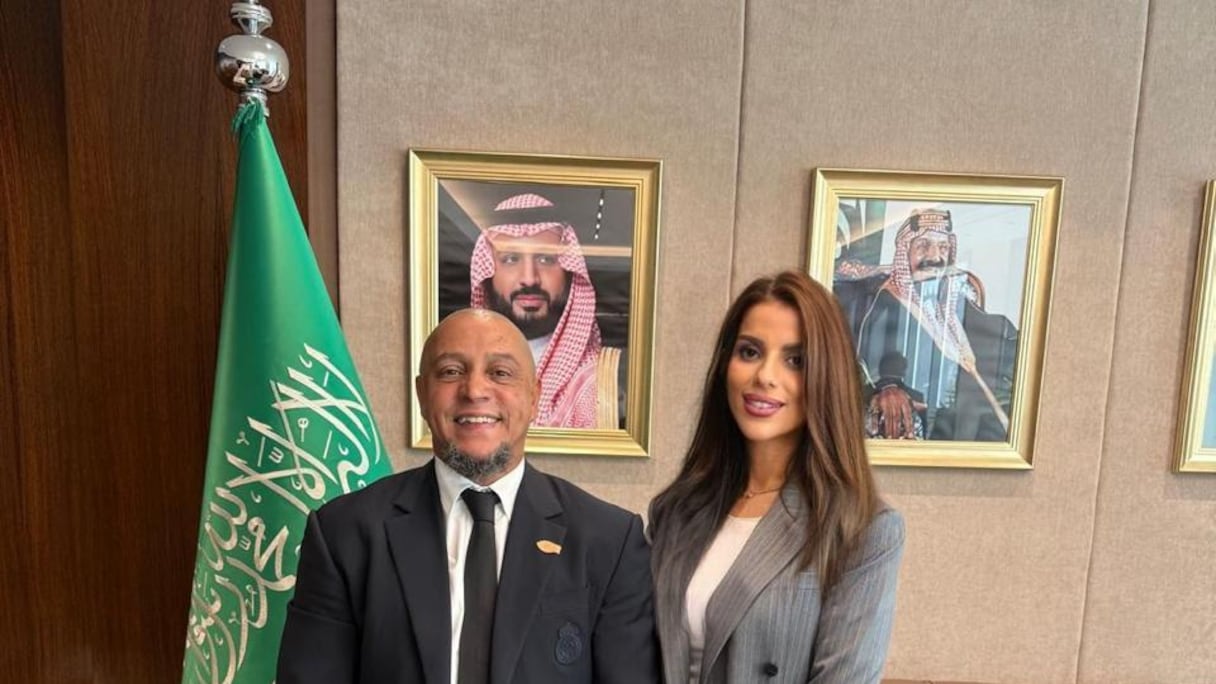
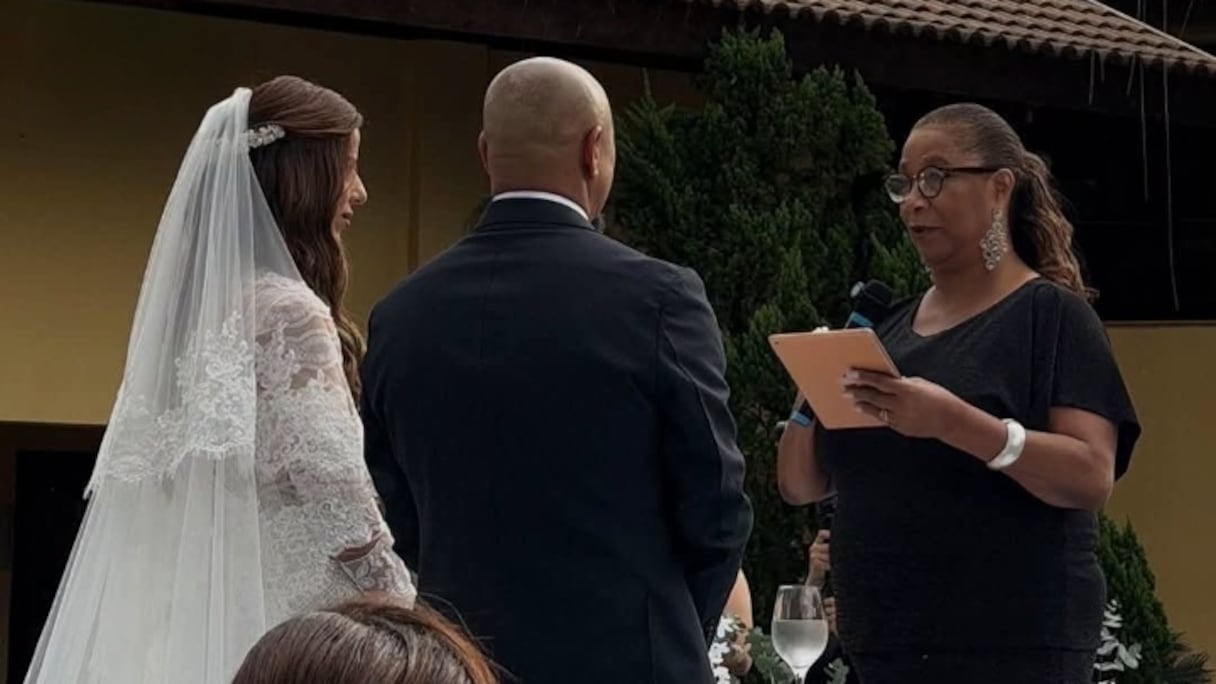
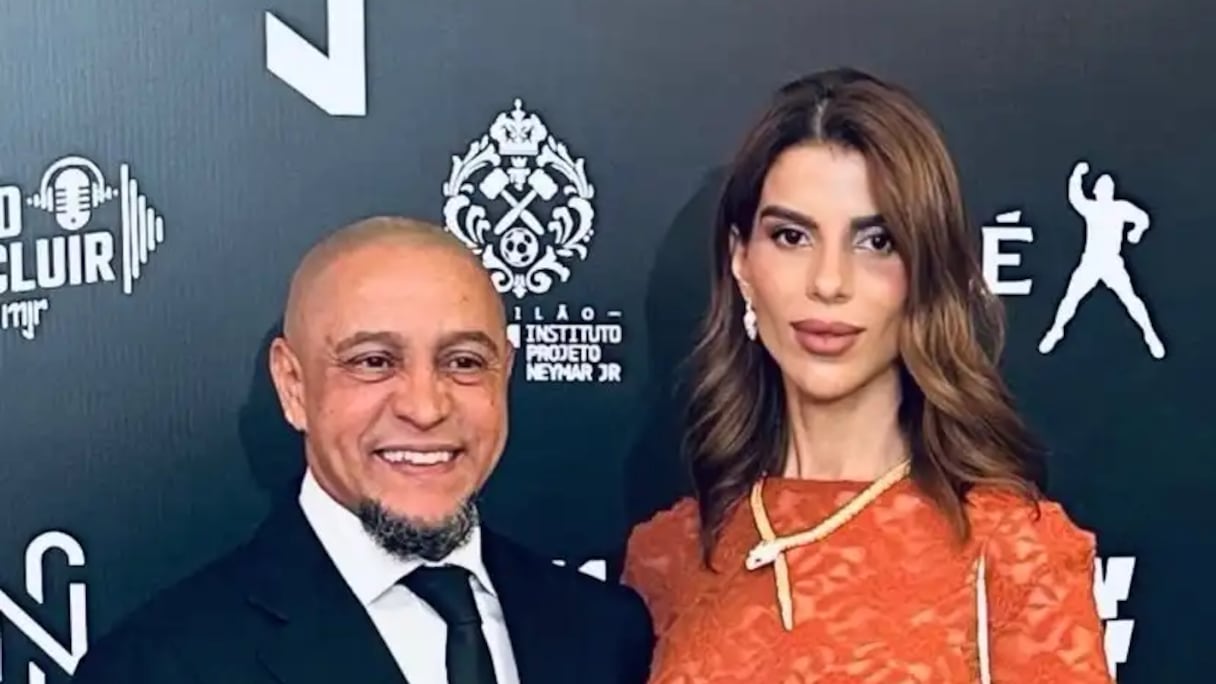
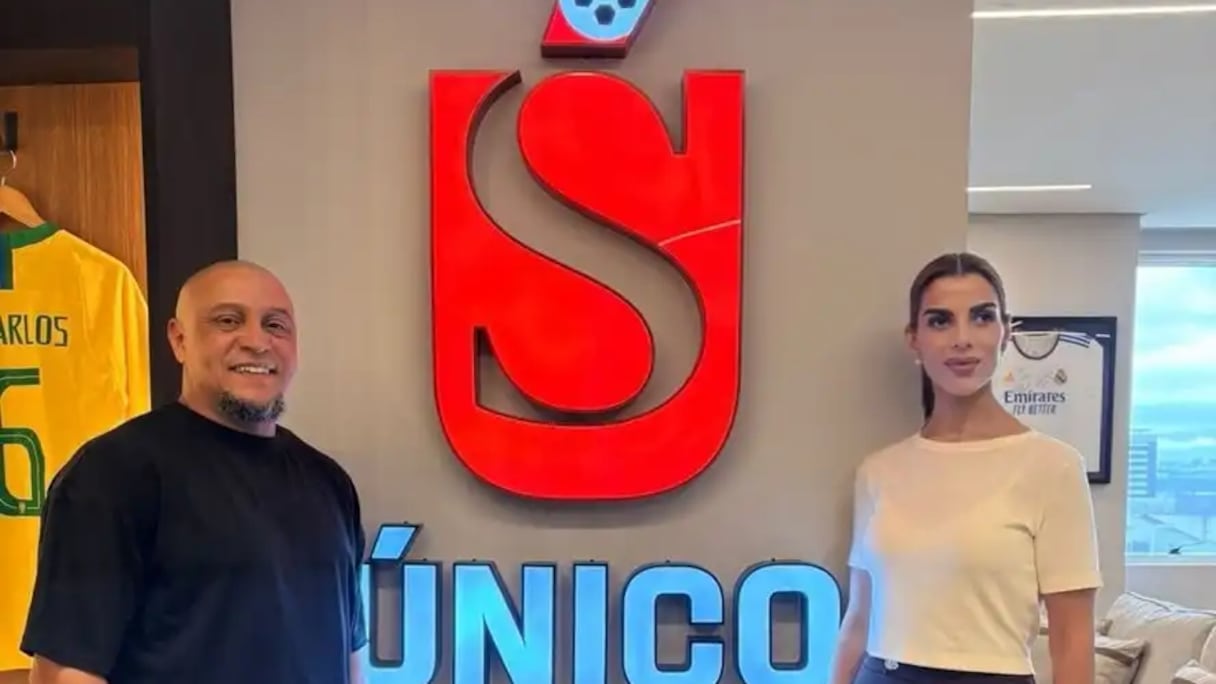
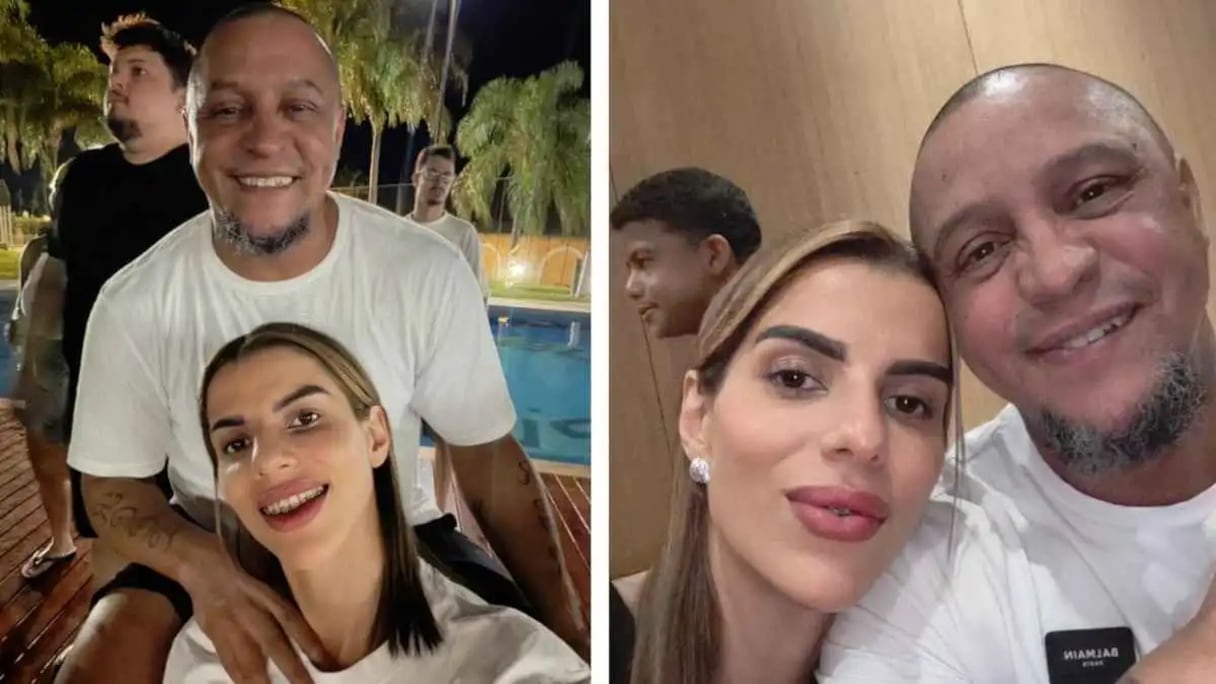
Moroccan-Spanish sports executive Souhaila Ettahiri has found herself suddenly in the international spotlight following her marriage to Brazilian football legend Roberto Carlos.
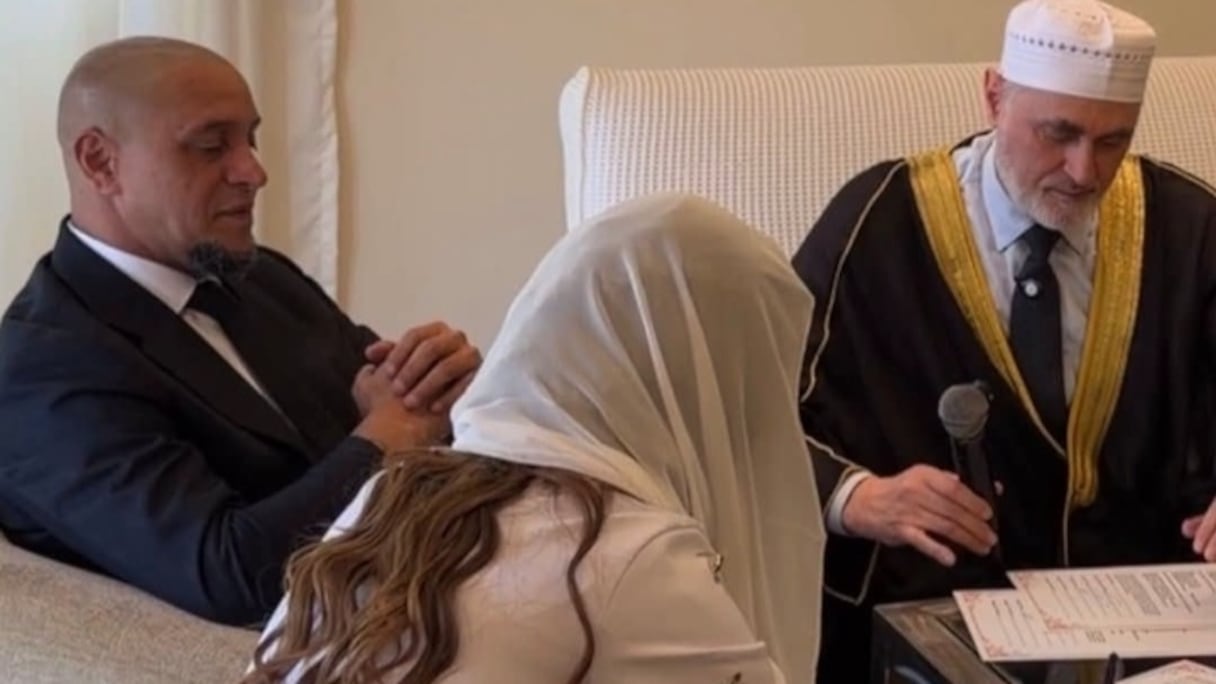
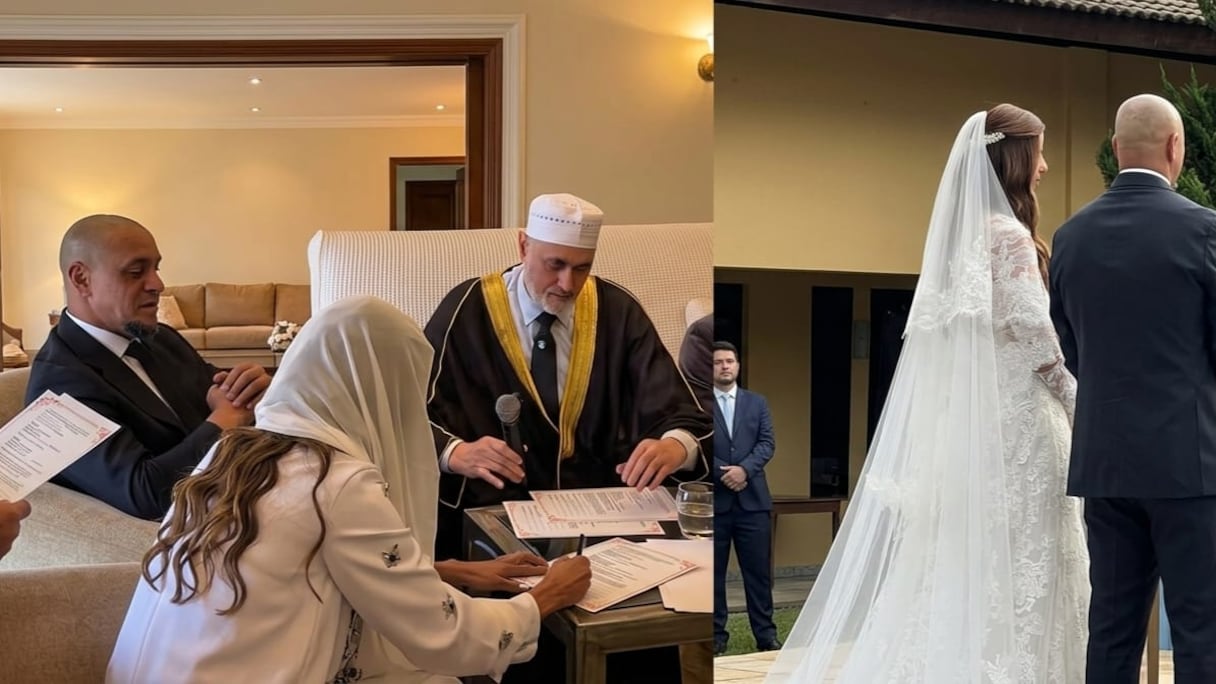
Their relationship has generated headlines well beyond Morocco, particularly after reports circulated claiming that the former Real Madrid and Brazil star had converted to Islam. Both Carlos and Ettahiri have since rejected those claims.
But there is considerably more to Ettahiri’s story than the speculation surrounding her husband.
Her family comes from Al Hoceima in northern Morocco, her professional life has taken her across Europe, Africa and the Arab world, and much of her work has centered on football, institutional relations and sports development. She now wants to bring some of that experience to Morocco, with projects targeting young players, football academies and women’s sport.
In an interview with Le360 Sport, Ettahiri discusses her Moroccan roots, her career in international football, the opportunities she sees in a country preparing to co-host the 2030 World Cup and the projects she hopes to develop for young Moroccans.
She also speaks about Carlos, his relationship with Moroccan football, the possibility of working together in Morocco and the conversion story that followed their marriage.
Le360: Your career has taken you across several countries. How important have your Moroccan roots remained to you?
Souhaila Ettahiri: I am Spanish of Moroccan origin, and my family comes from the Al Hoceima region in northern Morocco. I am very proud of my roots and of the culture and values with which I was raised in my family. Although my career has taken me to work in Europe, Africa and the Arab world, Morocco has always remained an essential part of my identity.
What does Morocco represent to you today?
Morocco is more than the country of my origins. It is part of my personality, my memories and my values. I feel very proud of what it has achieved in recent years, particularly in sport.
You have built a career in international football. How did that journey develop?
My career developed gradually through work on sports projects, institutional relations and strategy. Working across different cultures and markets gave me international experience and a broader perspective on the football industry, which today has become an important economic and social sector.
You have spoken about wanting to work on projects in Morocco. What do you want to build?
I would like to contribute to projects related to youth development, talent development and the creation of academies based on modern methodologies, as well as organizing sporting events and building partnerships between Morocco and international institutions.
What do you believe you can offer young Moroccans through those projects?
I want to contribute to creating real opportunities for young people, particularly talented young people whose circumstances do not allow them access to the appropriate training and opportunities.
For me, a successful academy does not simply develop a footballer. It helps develop an educated and disciplined young person who is capable of competing internationally.
Does women’s football form part of those ambitions?
Yes, absolutely. I believe women’s football has enormous potential in Morocco, and I hope to contribute to projects involving training and the creation of professional opportunities for women across different areas of sport.
Moroccan football has undergone a remarkable transformation. How do you view that development from inside the industry?
The development has been exceptional. It is the result of a long-term vision and investment in infrastructure, training and talent. Morocco today commands considerable respect internationally, and that is a source of pride for every Moroccan.
Morocco will co-host the 2030 World Cup with Spain and Portugal. What does that mean to you?
It is a historic opportunity. What matters most to me is thinking about the legacy that will remain after the tournament—developing young people, creating jobs, developing the sports industry and attracting more international investment and expertise.
Your name has inevitably attracted much more media attention because of your relationship with Roberto Carlos. How do you approach that interest?
I respect the media interest, but I prefer to keep the details of my private life away from the media. Roberto is someone with an extraordinary history in football, and I value his experience and career, but I think it is important to have boundaries that protect private life.
One story in particular traveled around the world after your marriage—the claim that Roberto Carlos had converted to Islam. What actually happened?
I want to be very clear on this point: Roberto Carlos did not convert to Islam. What has been circulating on social media about this is not true. He has made no official announcement to that effect, and it is therefore important not to present these reports as fact.
Reports also claimed that he had met a Muslim cleric and recited the Shahada. Where did that story come from?
I don’t know the source of this story, but it is not true. No sheikh or preacher named Jihad Hassan came to visit him or recite the Quran to him, as has been reported.
I think these stories are a clear example of why information needs to be verified before it is published, particularly when religion and people’s private lives are involved.
Has Roberto ever discussed Islam or the Quran with you privately?
Respect for different religions and cultures is natural, but I don’t think it would be appropriate to disclose private conversations.
What I can confirm is that any discussion about Islam or the Quran does not mean that someone has converted to another religion.
What does Roberto Carlos think of Moroccan football? Does he have particular memories of Morocco?
He has great appreciation for Moroccan football. One of his special memories is the match he played against Raja Casablanca at the Club World Cup when he was a Real Madrid player. He remembers very well the quality of the match and the skill and character displayed by the Moroccan players. Since then, he has retained a particular respect for Raja and for Moroccan football more generally.
Given your own ambitions in Moroccan football and Roberto Carlos’ experience, could we eventually see the two of you working together on a project in Morocco?
There are ideas and projects under consideration, but I prefer not to discuss details before anything becomes official. When there is a confirmed project that can be announced, the Moroccan public will be the first to know.
What would you ultimately like your own contribution to Morocco to be?
I am proud of my Moroccan roots, and I hope to use my international experience to serve young people and contribute to genuine sporting projects in Morocco.
My ambition is not simply to be visible. I want to leave a tangible impact and contribute, even in a small way, to a better future for sport and young people in my country.
