The PJD has decided to take its 54 seats into opposition, turning Abdelilah Benkirane’s post-election position into party policy as Morocco’s new parliamentary order begins to settle.
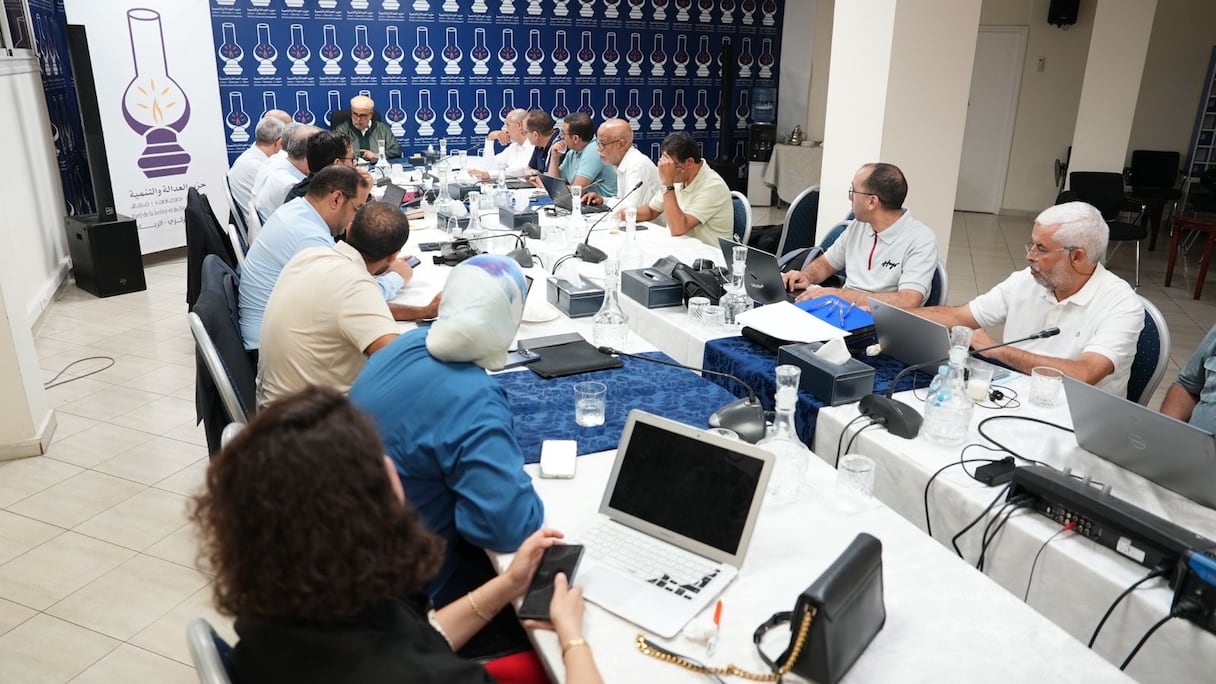
The decision came after an extraordinary meeting of the party’s General Secretariat chaired by Benkirane following Sept. 23’s legislative elections. It will now go before the PJD’s National Council, which has been called into extraordinary session on Saturday to consider the results.
For the PJD, opposition will this time come with considerably more muscle.
The party has returned with 54 MPs after being reduced to 13 in the 2021 rout, finishing fourth behind PAM on 97, RNI on 66 and Istiqlal on 65. It regained ground in major cities and picked up seats in some rural constituencies.
Benkirane had shown his hand a day earlier. There was, he said on Thursday, “absolutely no room” for the PJD in a government headed by PAM. He cited the history between the two parties and said the PJD’s natural place was in opposition.
The General Secretariat has now widened that position beyond PAM. Its statement said the party should remain in opposition and exercise what it described as its constitutional and political responsibilities as a “responsible national opposition force.”
That takes 54 seats out of the government equation even before coalition talks have properly got under way. PAM, with 97 MPs, cannot govern alone and will need partners to command a majority in the 395-member House. The three parties of the outgoing coalition—PAM, RNI and Istiqlal—still have 228 seats between them, enough arithmetically to retain a majority if they choose to stay together.
Read also : UC, MDS waste little time, pool 25 seats in new House
The PJD, meanwhile, is preparing for a different fight.
Its General Secretariat welcomed what it called the broadly “positive” conduct of the election and credited the party’s result to five years of opposition work and what it described as a vigorous campaign. But it was not signing off on everything that happened on polling day.
The party threatened legal action against polling station officials who, it says, failed to hand copies of vote-counting records to representatives of candidate lists immediately after the count. Its complaints could include criminal proceedings, according to the statement.
The polling records have been a sore point since election night. Even before the national result was known, the PJD’s central campaign committee was calling on authorities in several constituencies to deliver the records, which parties use to check local counts against the figures subsequently compiled and declared.
Its quarrel goes beyond individual polling stations. The PJD again took aim at the electoral quotient and the abolition of the vote threshold, changes it argues have worked against its ability to translate votes into seats. It also criticized the expansion of the polling network to more than 40,000 stations, claiming the larger number made scrutiny harder and left more room for money to find its way into the contest. These remain the party’s claims; the Interior Ministry has said the election proceeded normally overall.
The National Council meets in Bouznika at 10am on Saturday to have the final say on the party’s reading of the election and the course it takes in the new legislature.
