Dawn broke over Morocco on Monday, July 6, 2026, as a security shockwave rippled simultaneously across several regions of the kingdom. From Casablanca to the foothills of the Souss region, elite units of the General Directorate for Territorial Surveillance (DGST) neutralized one of the most sophisticated and advanced terrorist threats Morocco has faced in recent years. It was a major operation that mobilized cutting-edge technical and technological capabilities.
The operation was launched under the strictest secrecy as the first light of day barely reached Morocco’s coastline and interior. Thanks to intelligence of exceptional precision, painstakingly gathered and analyzed by DGST operatives, the Central Bureau of Judicial Investigations (BCIJ) initiated a coordinated nationwide intervention.
There was no room for improvisation. Members of the DGST’s Special Force were deployed simultaneously across seven Moroccan cities, covering a broad swath of the national territory: Agadir, Taroudant and Inezgane in the Souss region, Casablanca, El Hajeb, Tétouan, Fquih Ben Salah, and Safi.
The results of the synchronized raids were immediate. Ten extremists poised to act were arrested. The suspects’ profiles underscored both the dangerous nature and hybrid structure of the cell. Among them was a minor, highlighting the continued recruitment of young people, as well as a former inmate previously convicted under Morocco’s anti-terrorism law, illustrating the complex challenge of recidivism and homegrown radicalization.
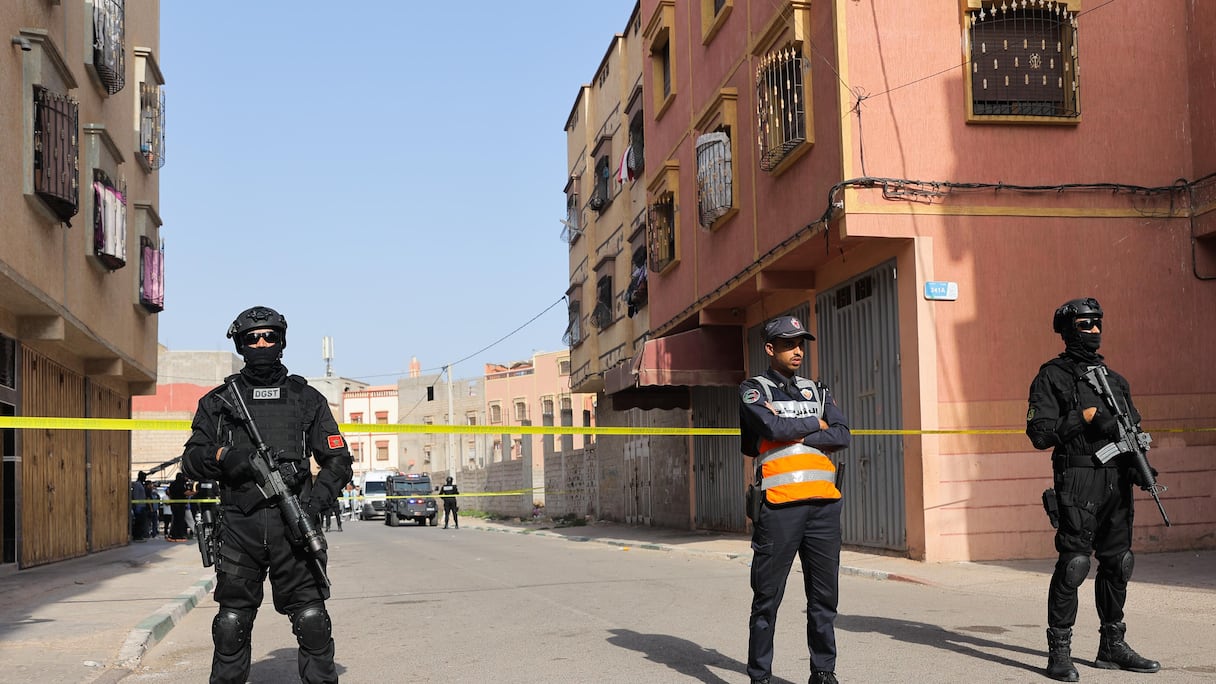
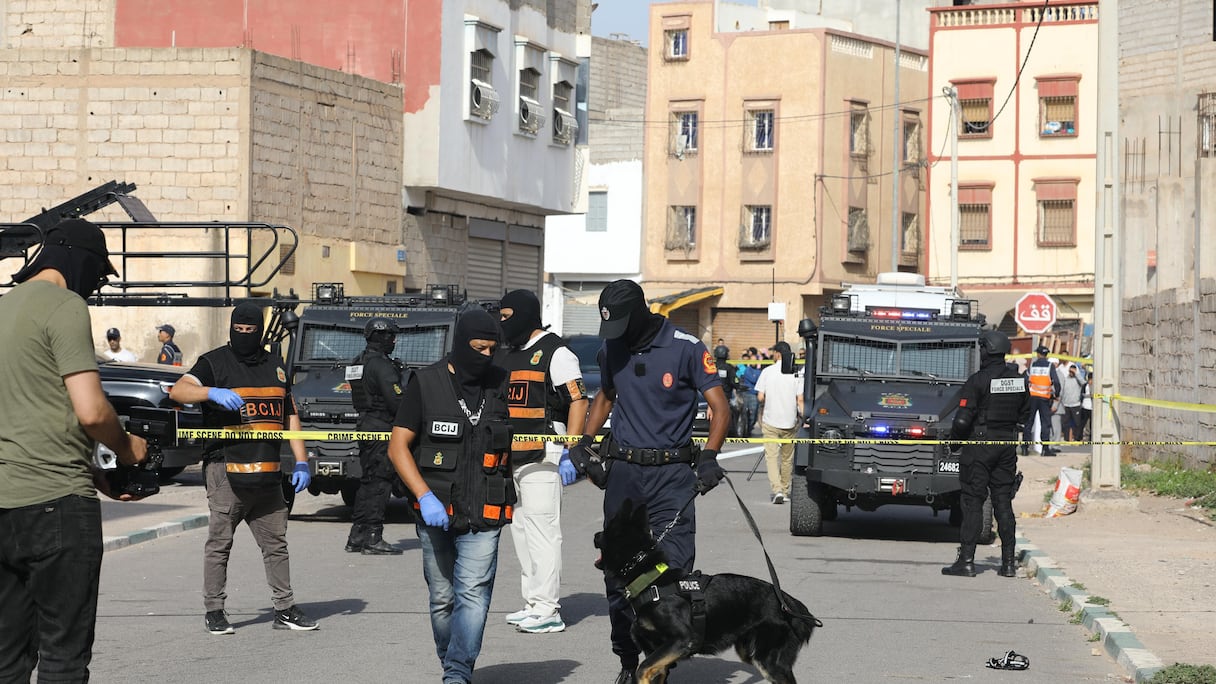
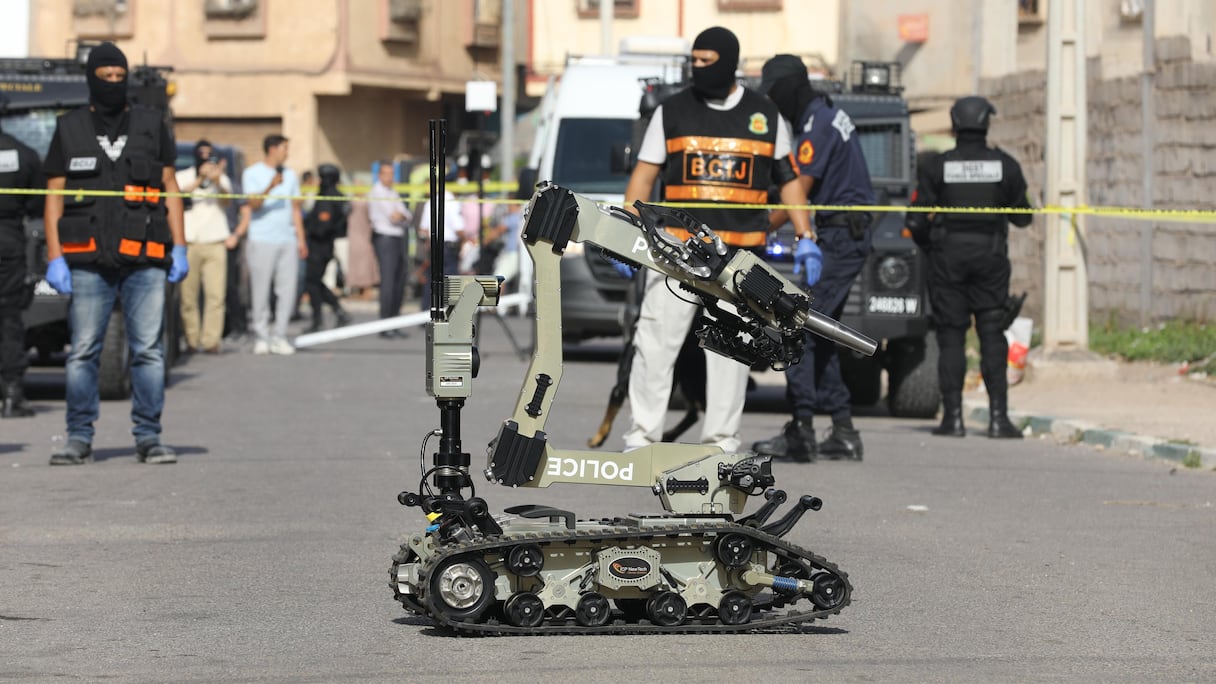
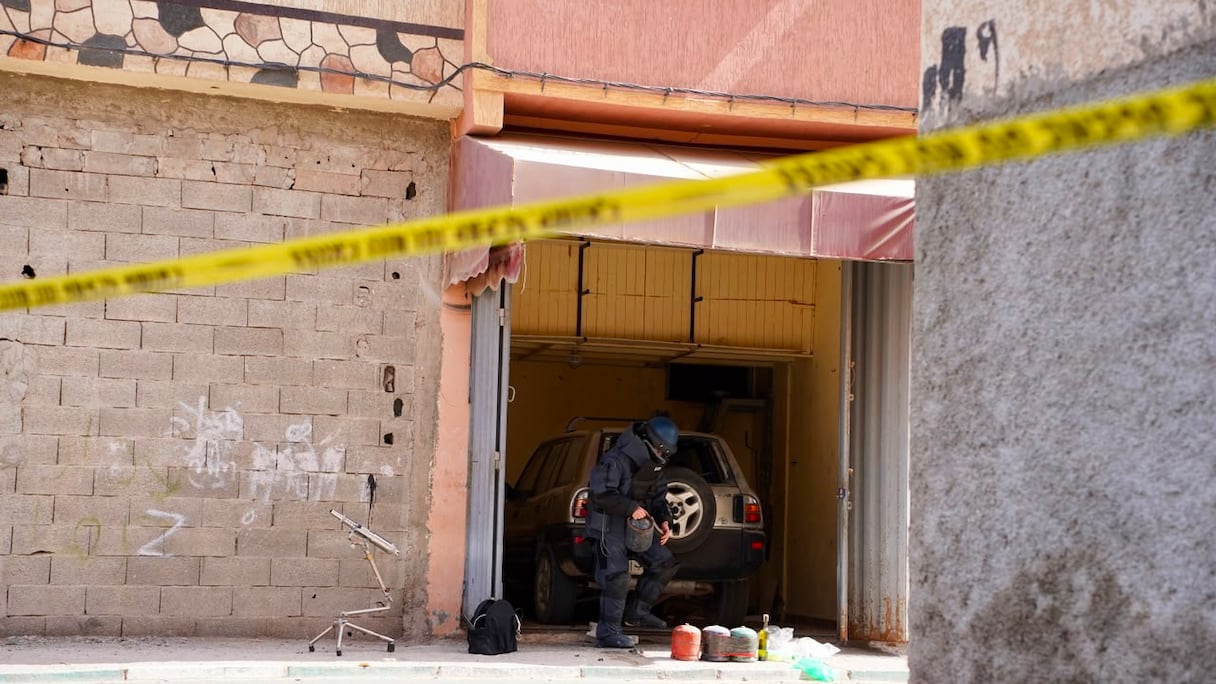
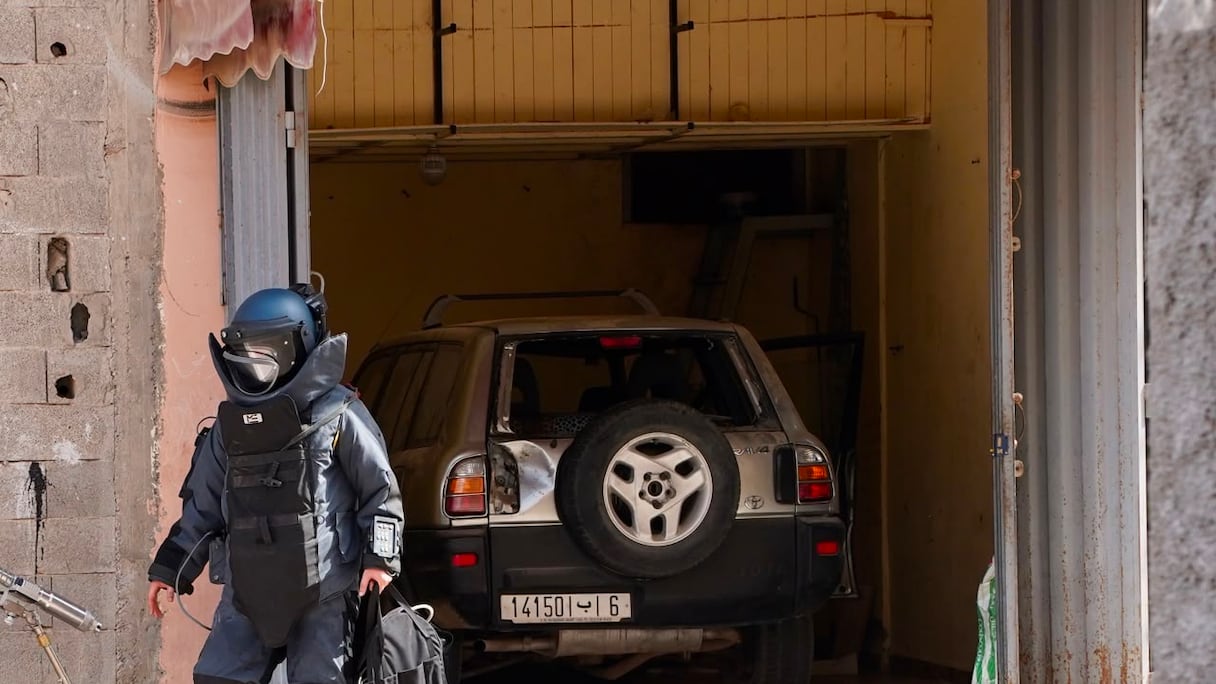
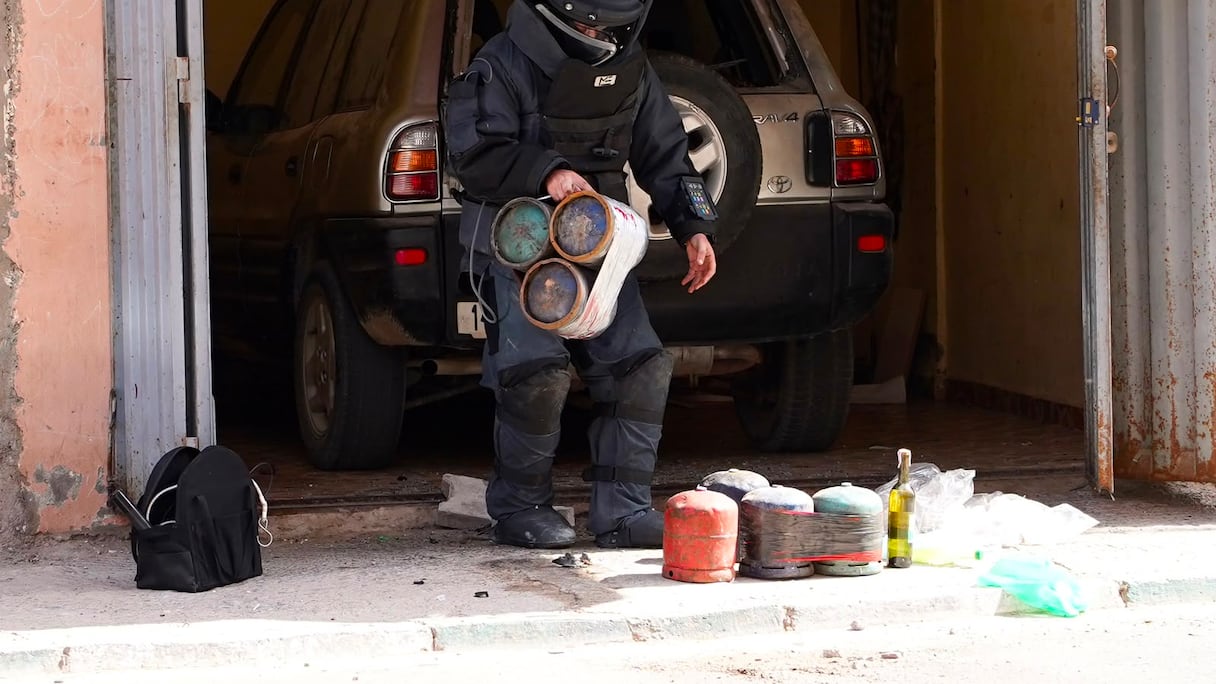
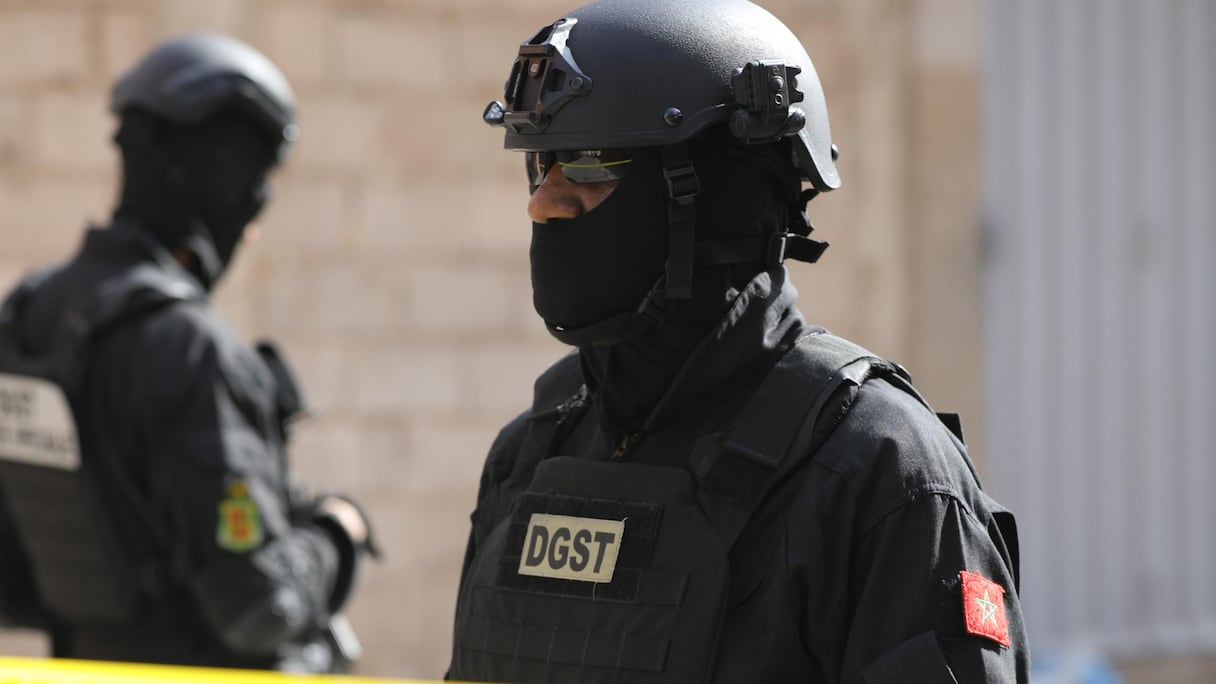
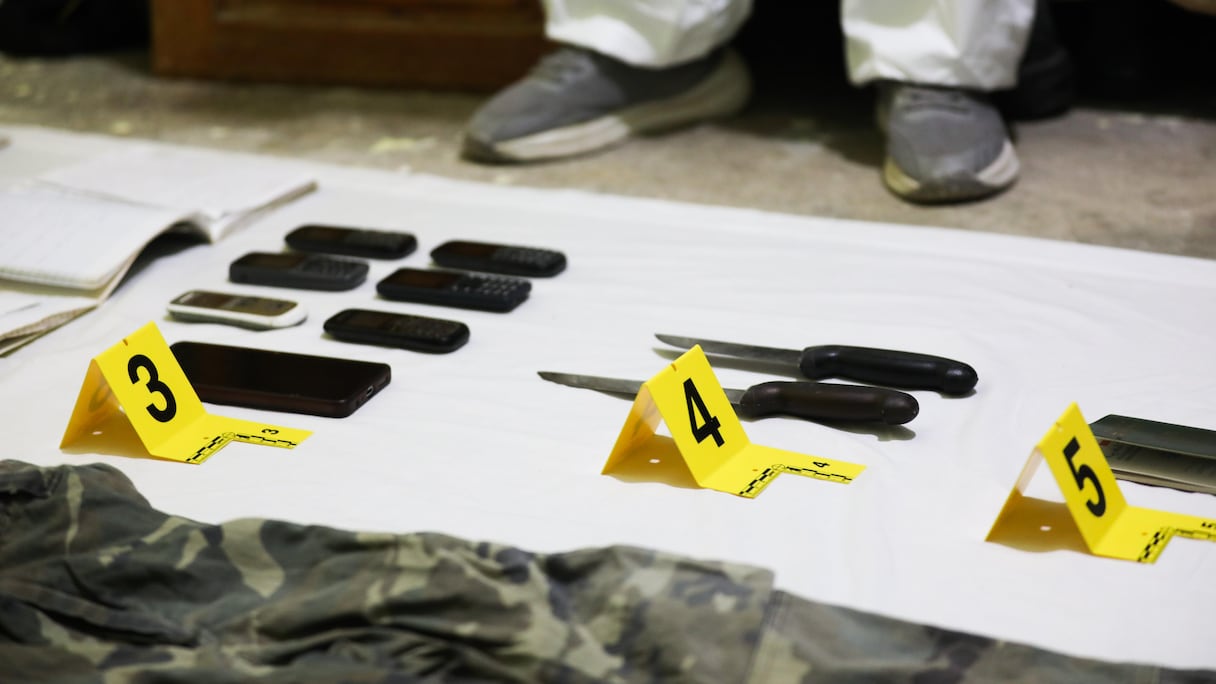
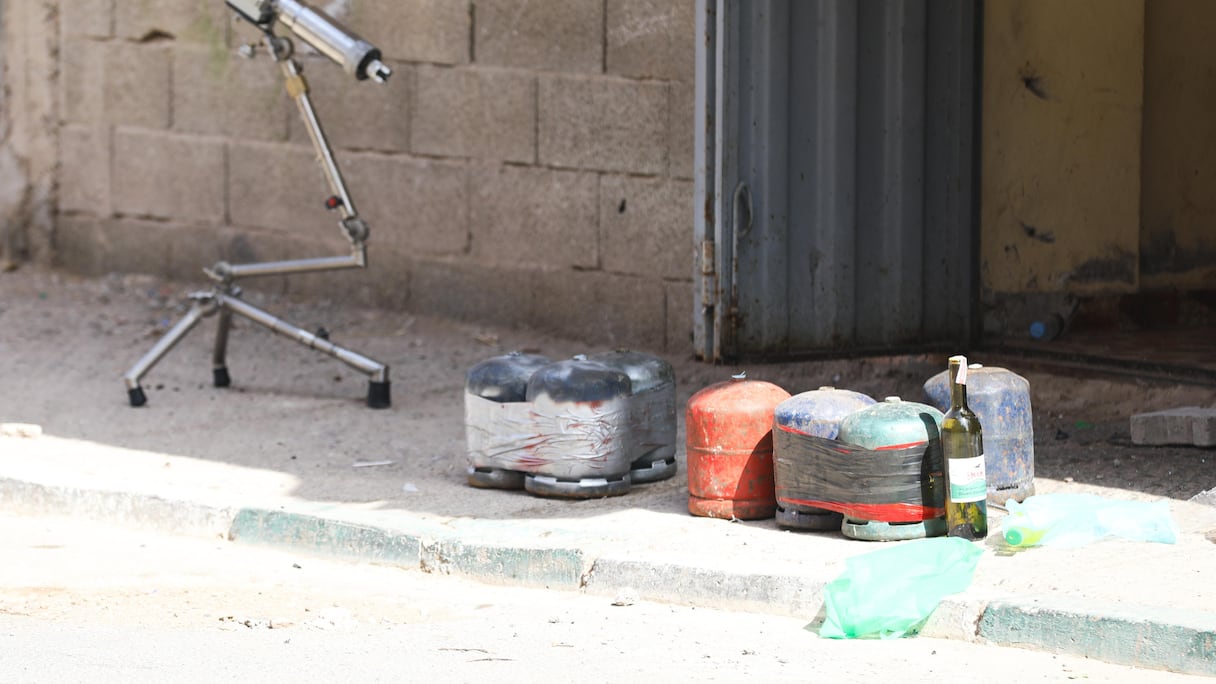
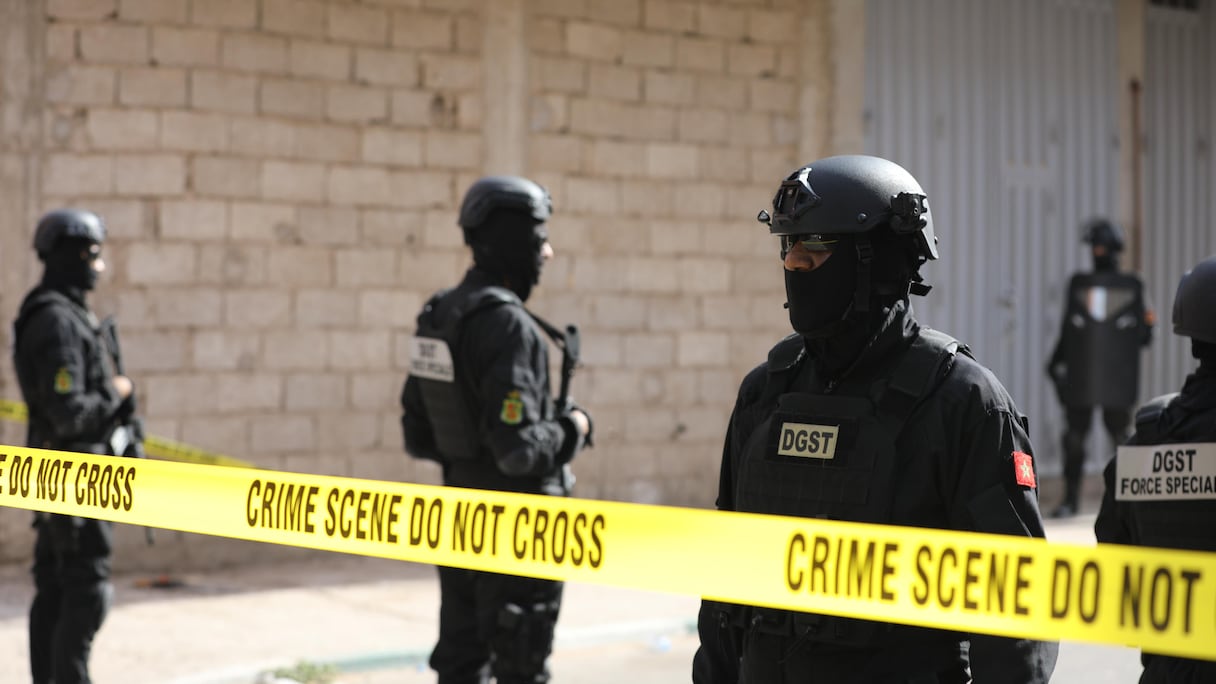
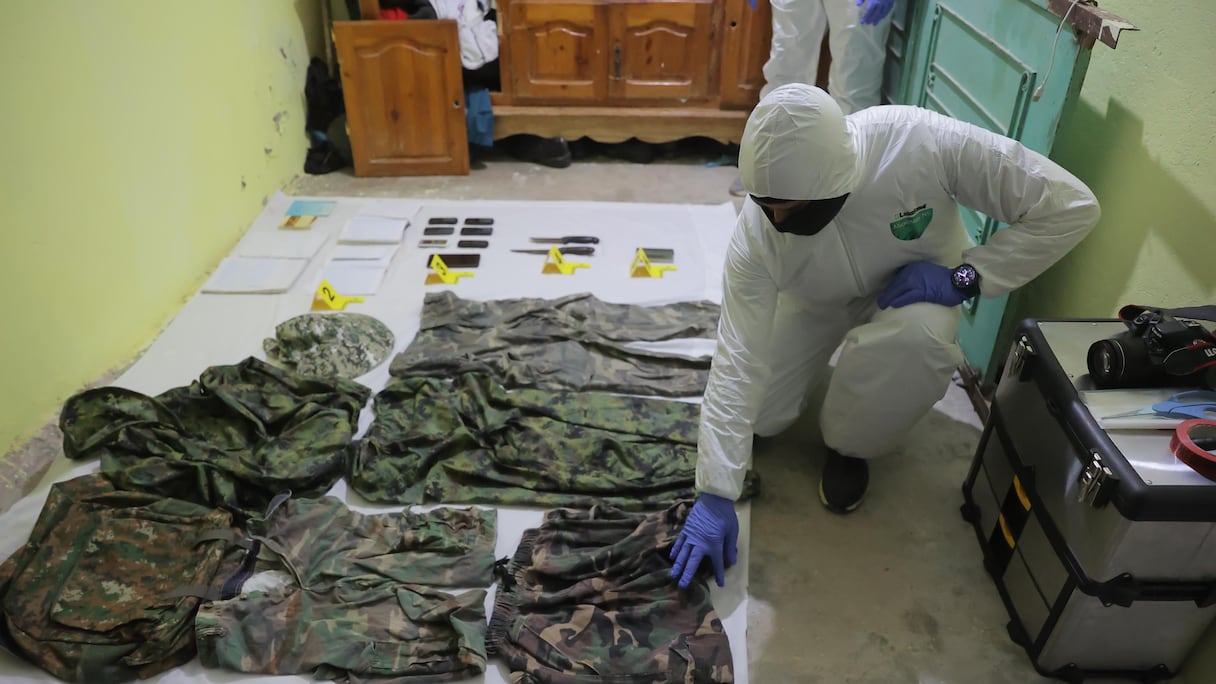
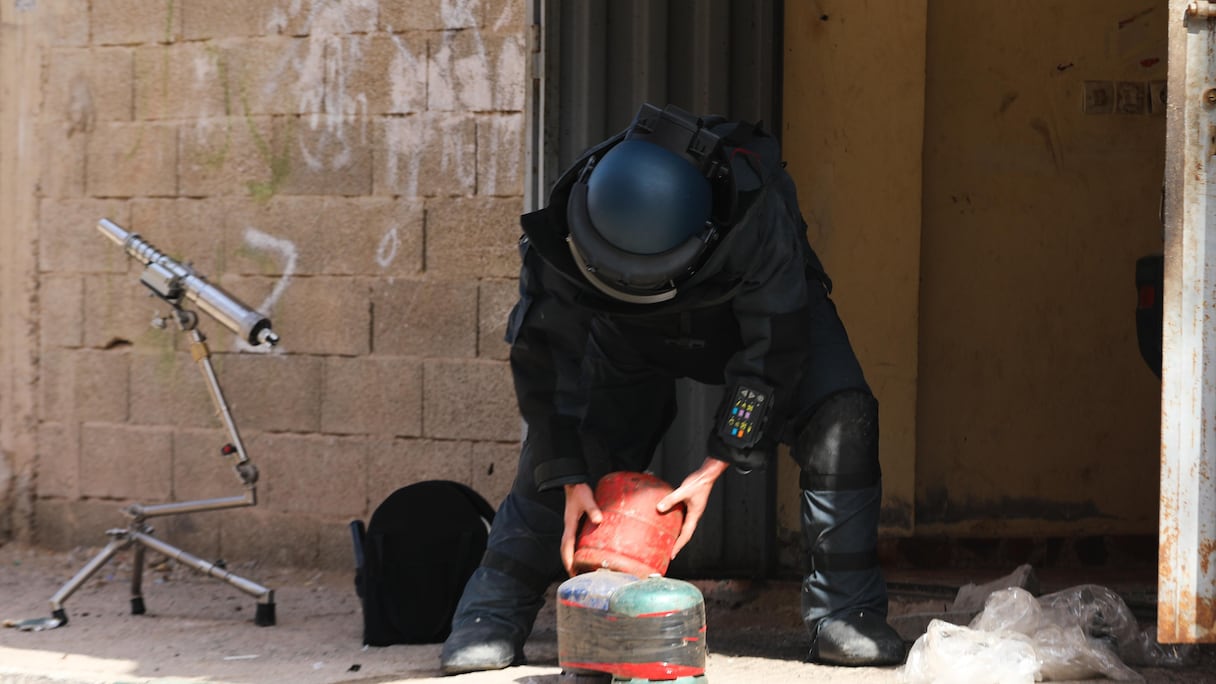
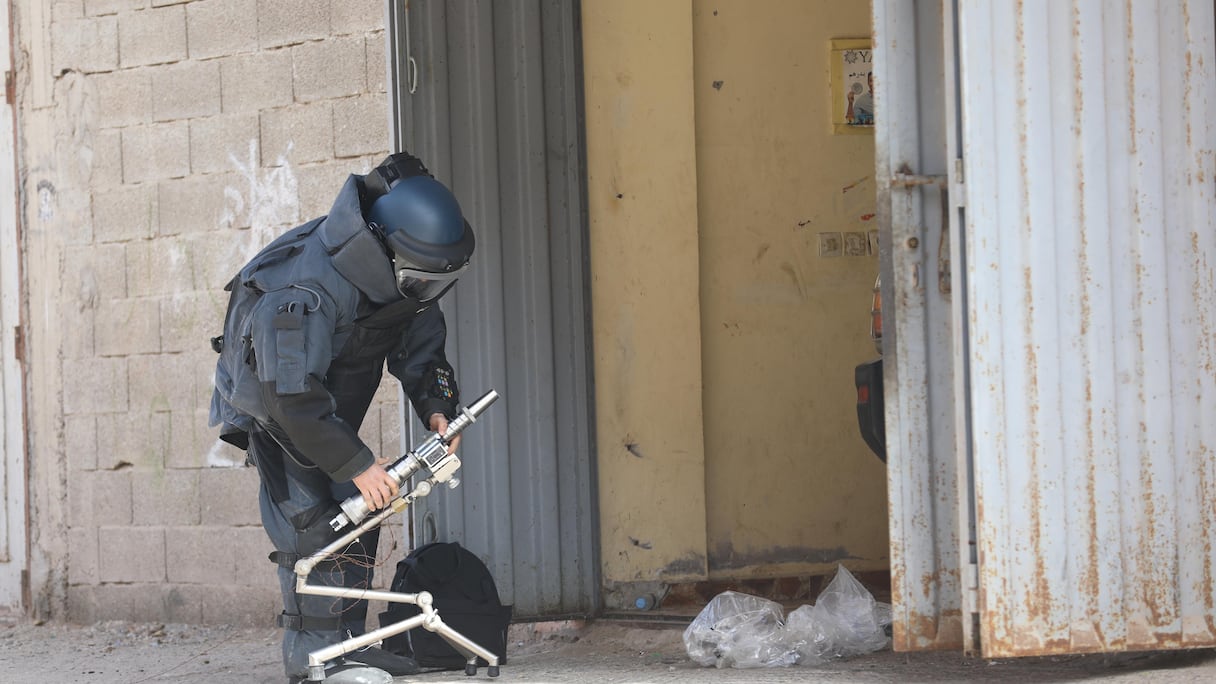
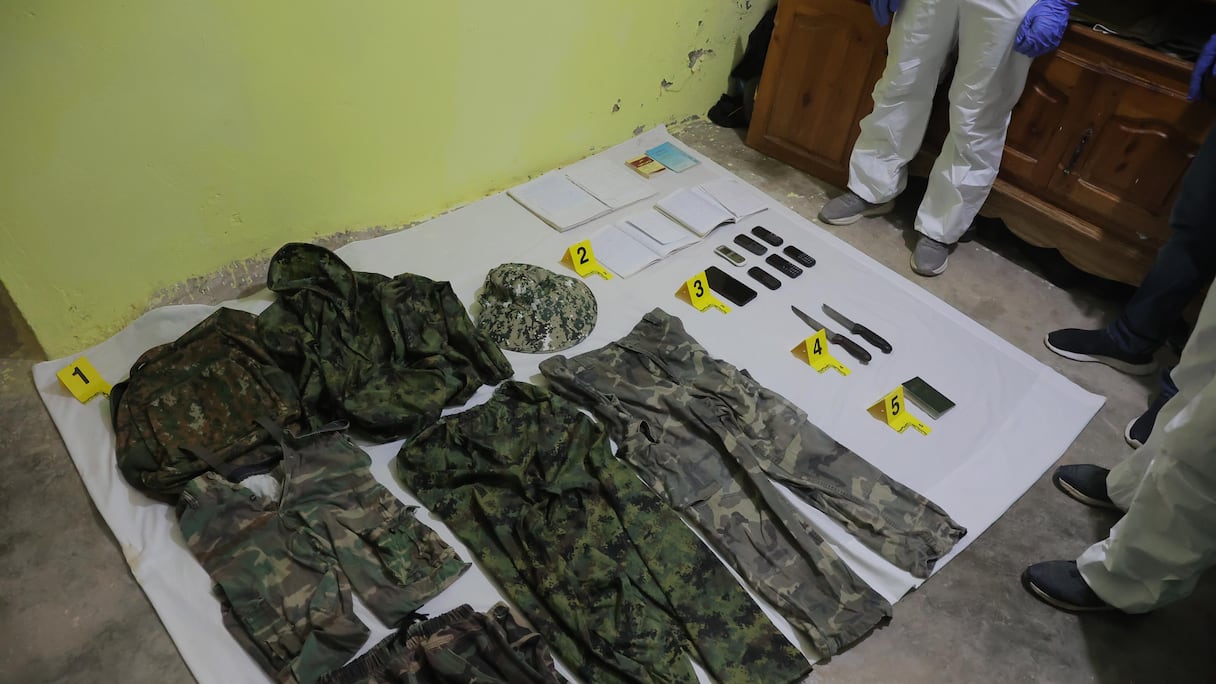
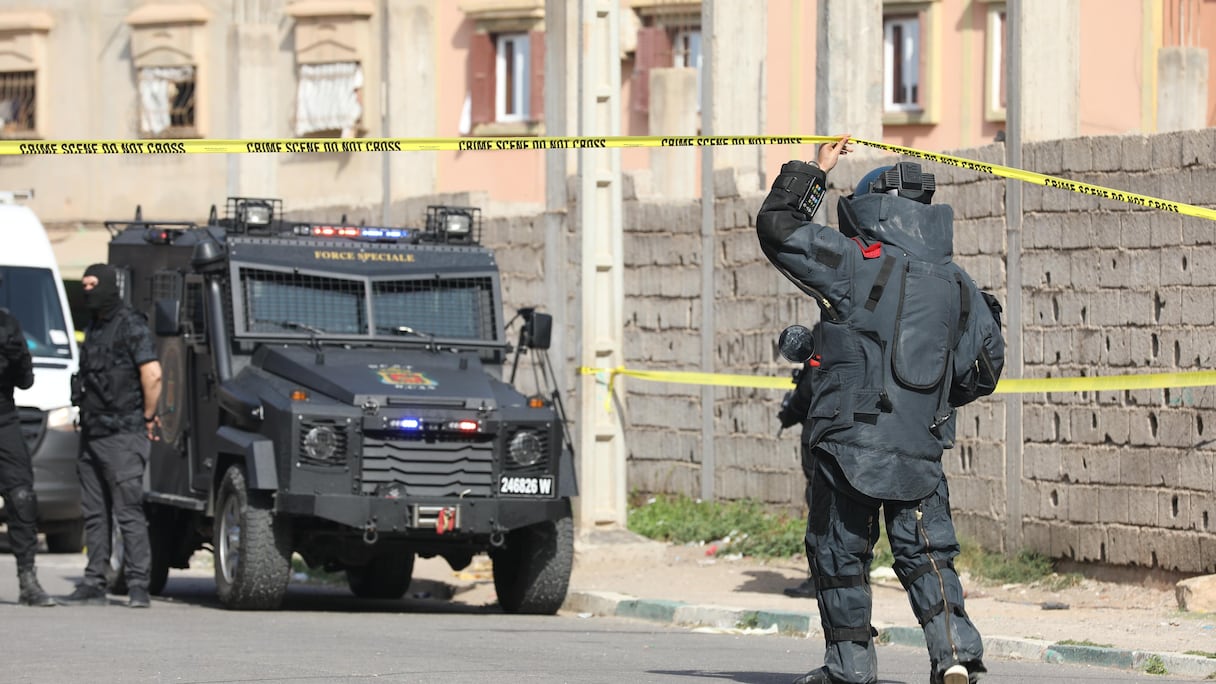
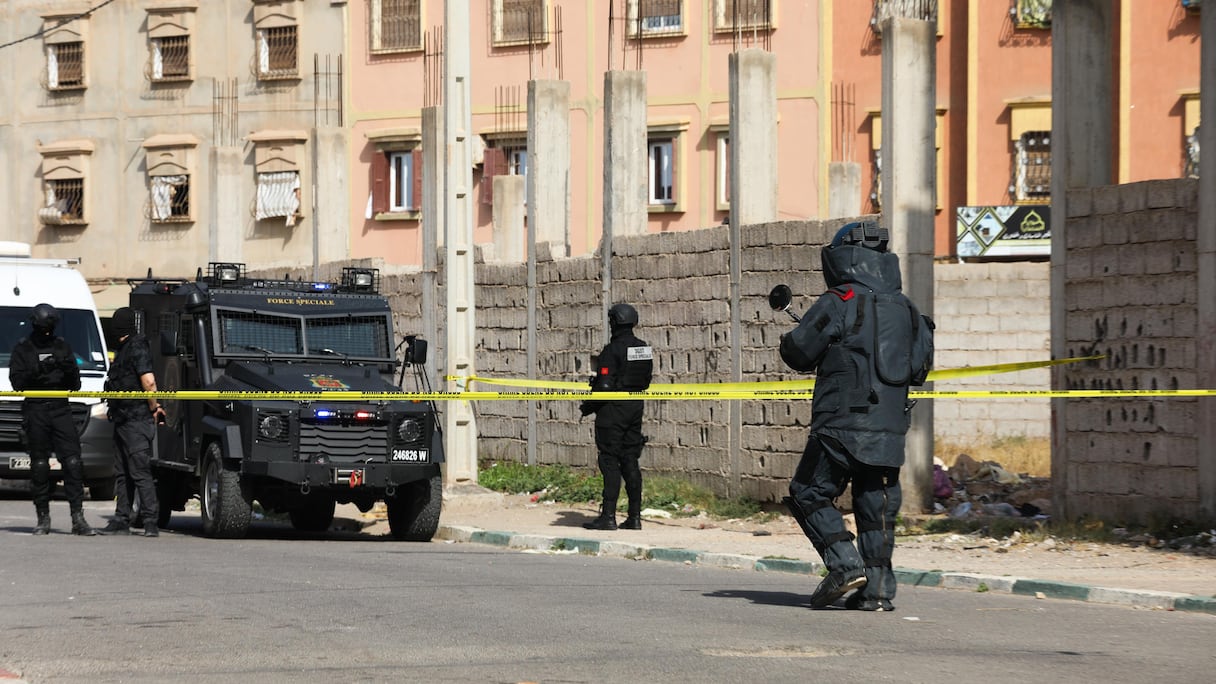
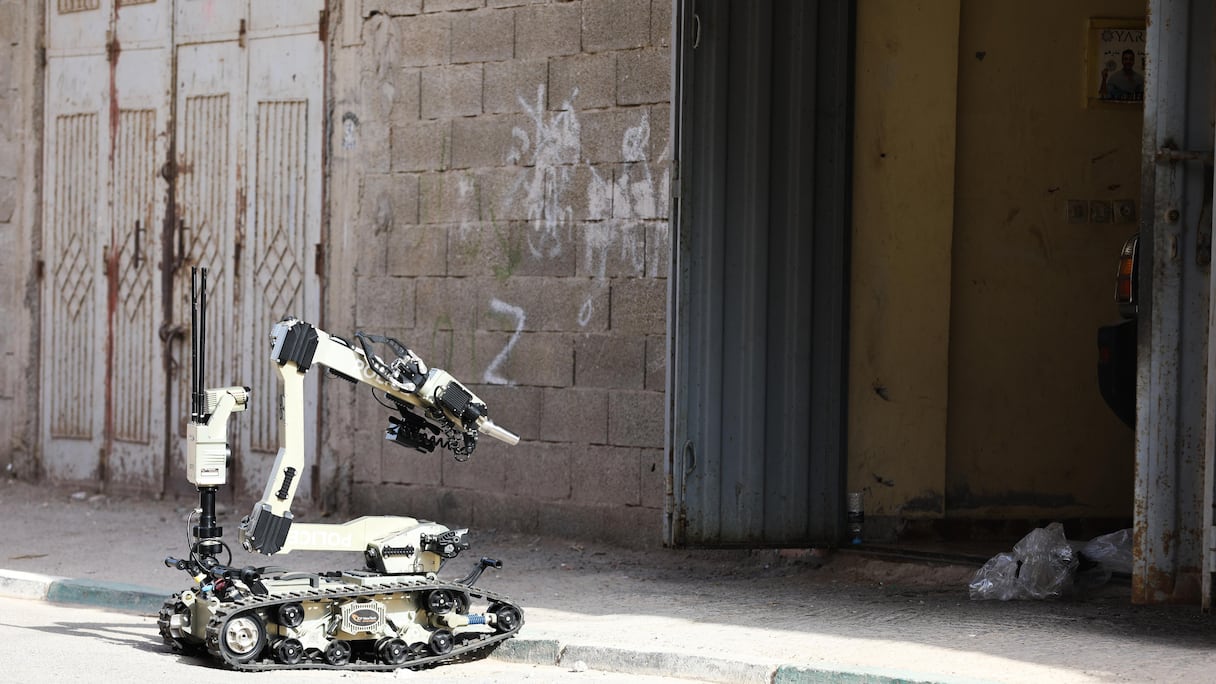
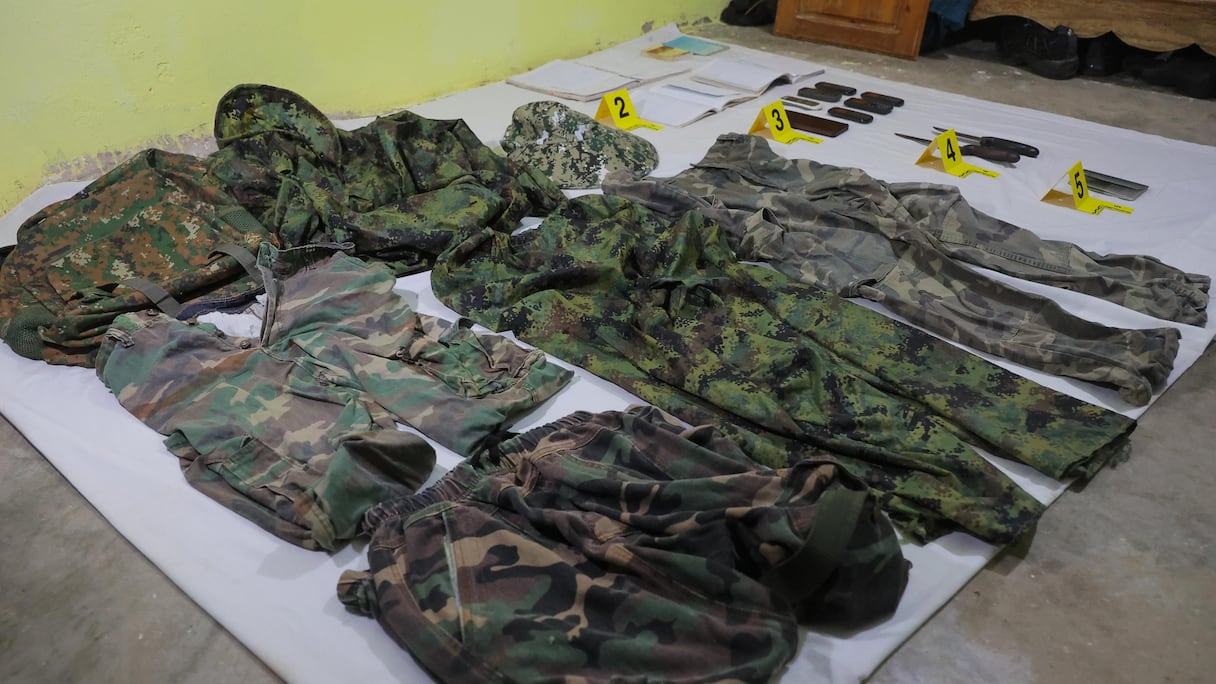
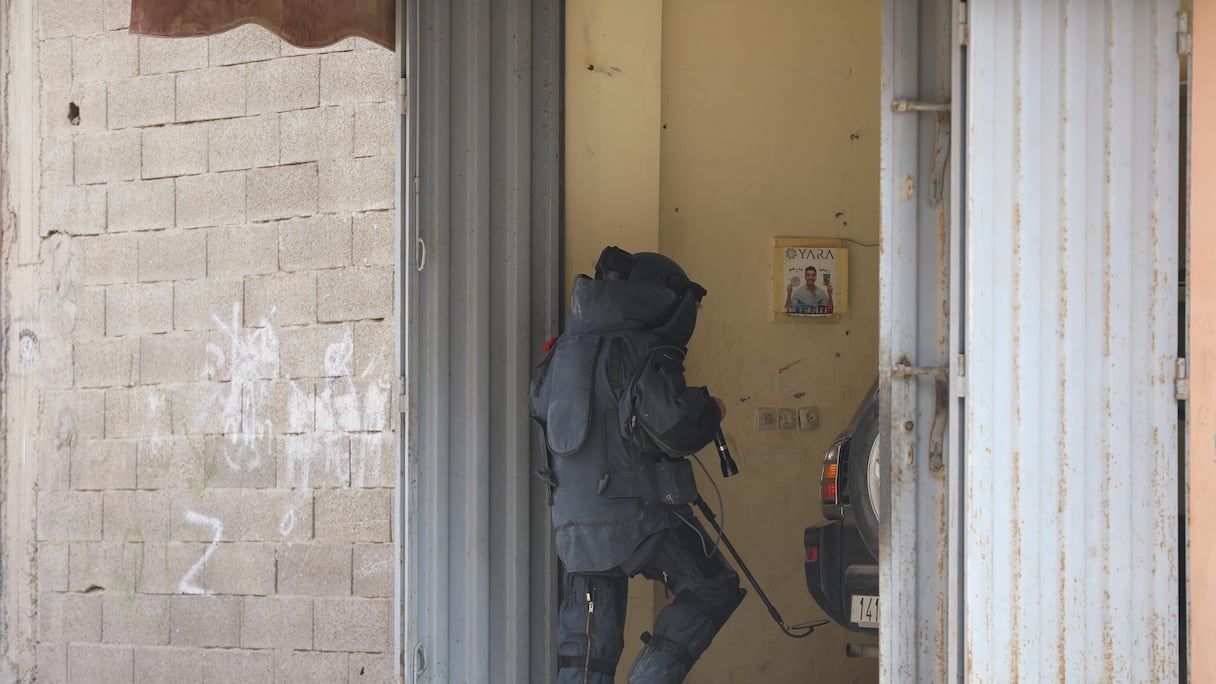
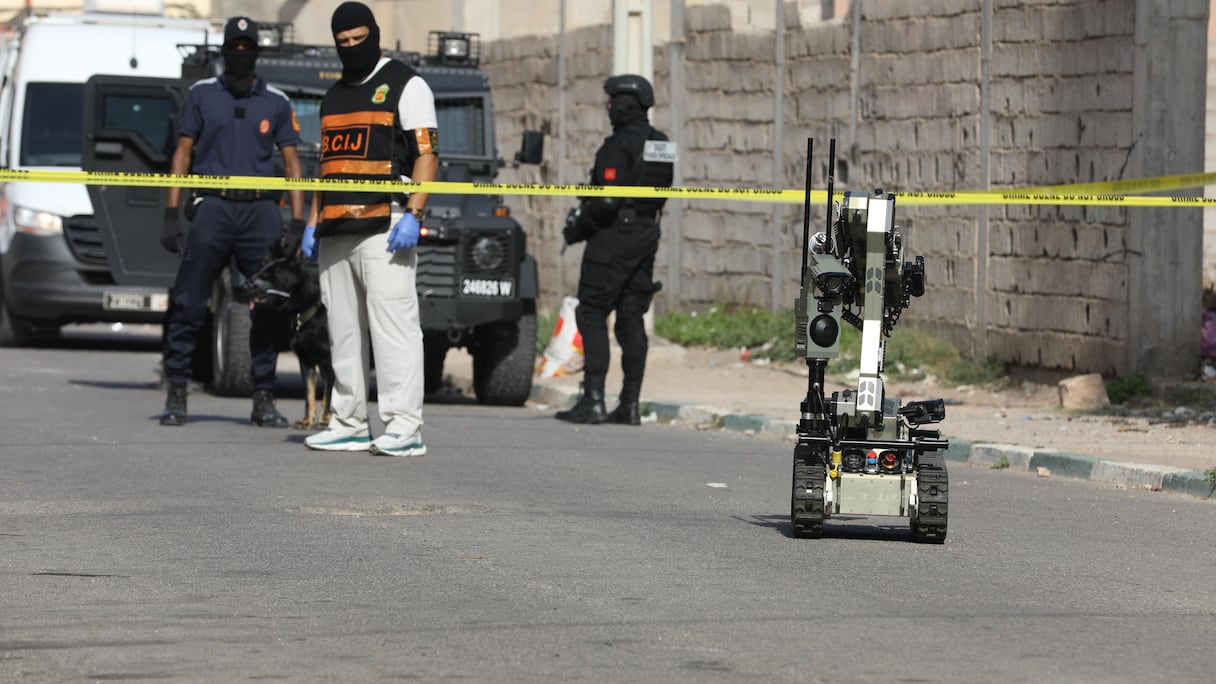
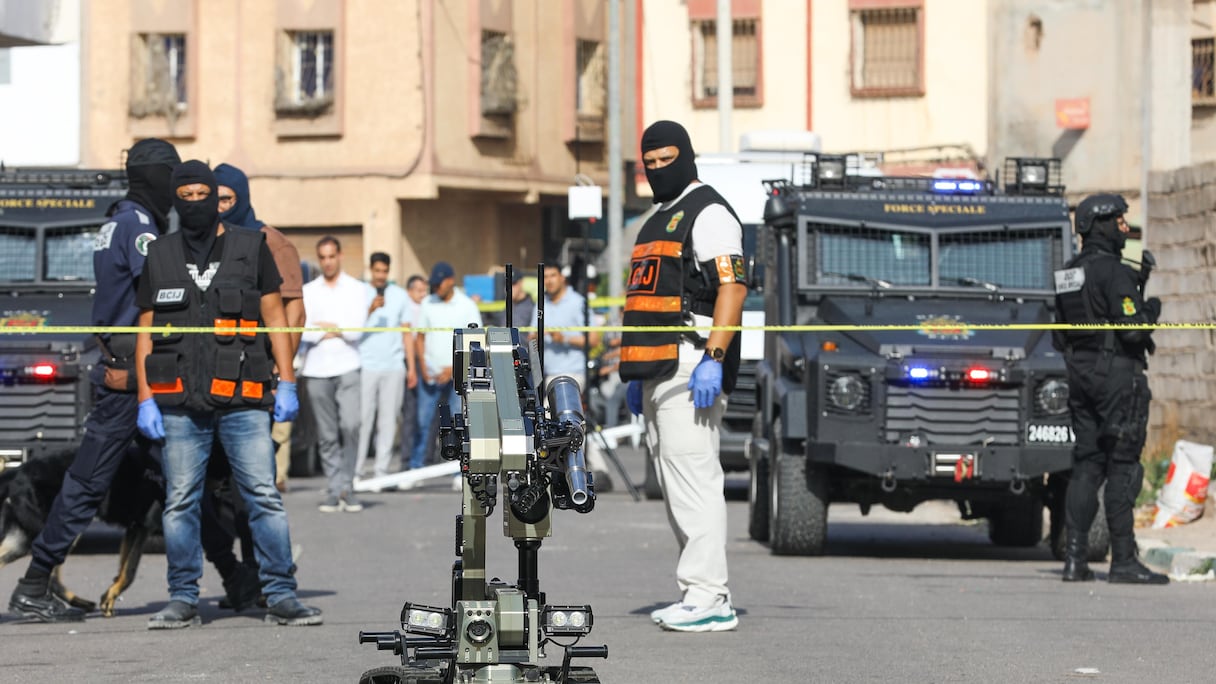
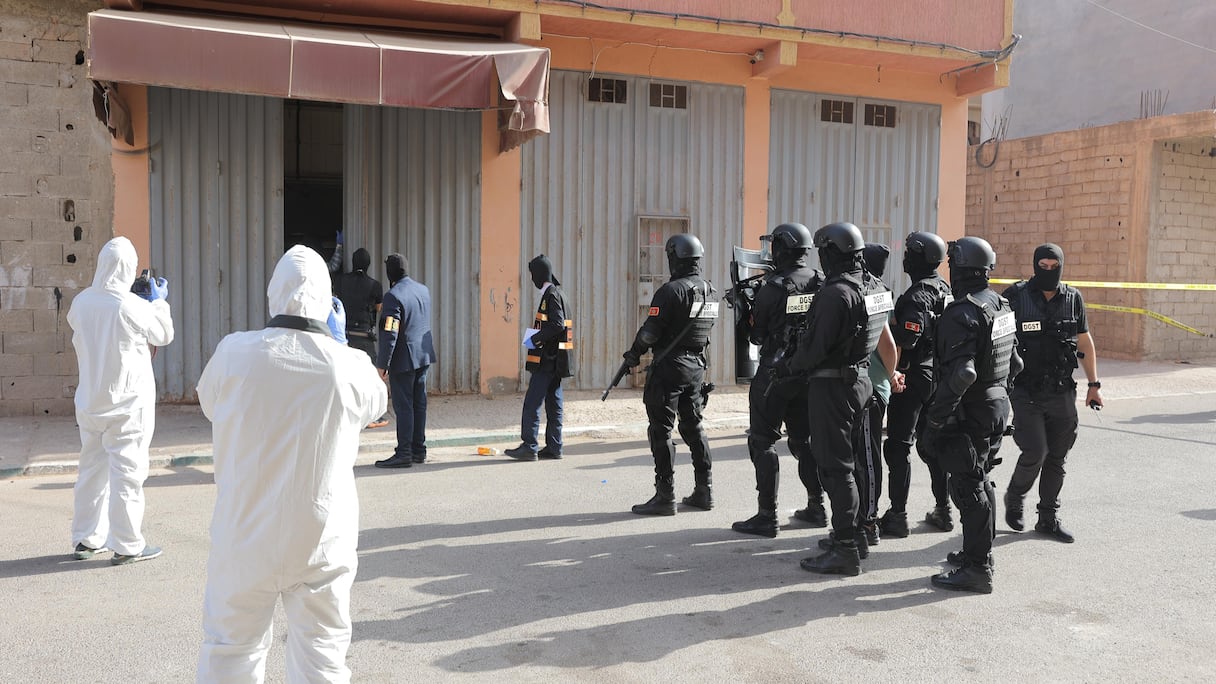
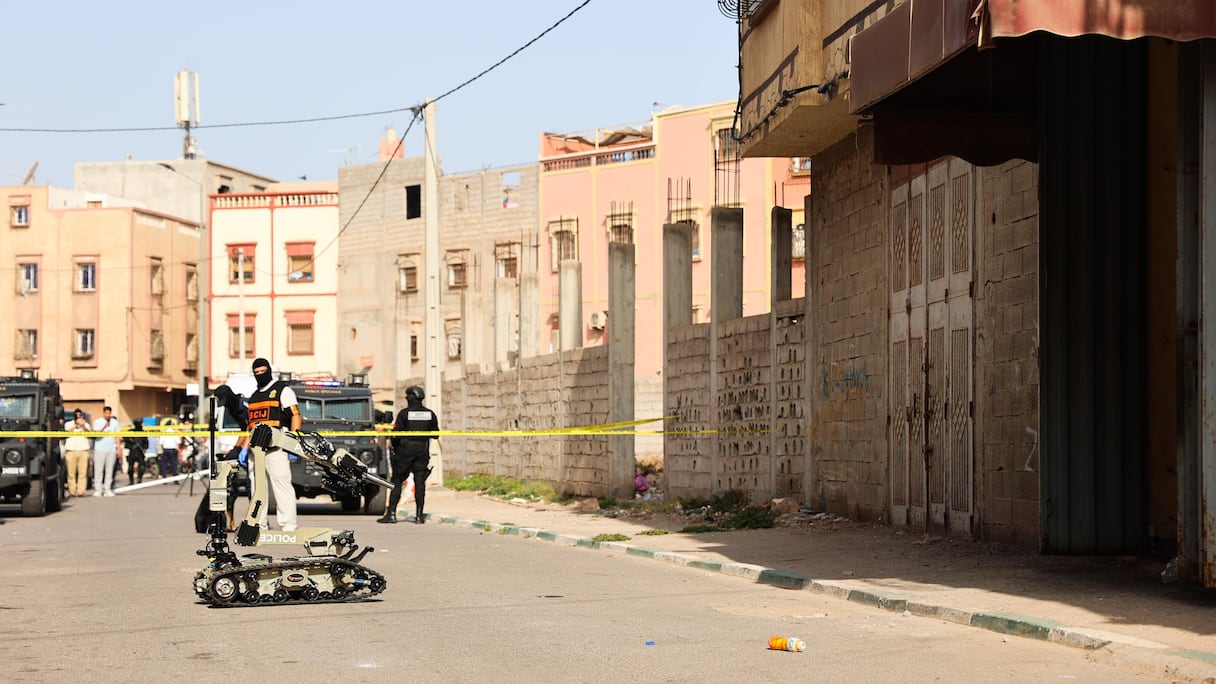
Lors de l'intervention des éléments de la Force spéciale de la DGST à Agadir, Taroudant, Casablanca, El Hajeb, Tétouan, Fquih Ben Salah et Safi.
Field investigations confirmed that the members of the cell had pledged allegiance to the self-proclaimed “caliph” of the Islamic State (Daesh). They had recently established direct contact with the organization’s Sahel branch. The instruction that came from the Sahel was explicit: rather than attempting to join combat zones in sub-Saharan Africa, they were to remain in Morocco and carry out an agenda of domestic sabotage.
An arsenal in the shadows
Once the suspects had been subdued, judicial police officers and BCIJ investigators began searching the various premises. Conducted in strict compliance with legal procedures and judicial safeguards, the searches were supported by National Police canine units.
What police discovered inside the homes confirmed that the cell had entered an immediate operational phase. Officers seized bladed weapons of various sizes and tactical equipment. They also recovered military uniforms along with a series of handwritten extremist ideological documents.
More troubling still, the documents contained detailed guides and diagrams explaining how to manufacture and assemble improvised explosive devices. Investigators also seized multiple electronic devices and digital files. Among the material examined, two videos drew particular attention. One showed the formal recitation of the oath of allegiance to Daesh. The other contained explicit threats to carry out large-scale attacks against key institutions across the kingdom.
The vehicle workshop and the bomb disposal robot
The defining moment of the operation unfolded in the industrial zone of Inezgane, near Agadir. As investigators expanded their field operations, security forces uncovered a concealed warehouse that had been converted into a logistical workshop.
Inside stood a four-wheel-drive vehicle. An inspection revealed that its original fuel tank had been completely modified to allow the engine to run on butane gas.
The technical objective was chilling. The modifications were designed to maximize the thermal effect and blast wave of either an explosive suicide attack or a vehicle-ramming operation targeting institutions or highly sensitive strategic sites.
Faced with the risk of an immediate detonation, emergency security protocols were activated. The area was sealed off and residents living near the warehouse were evacuated as a precaution.
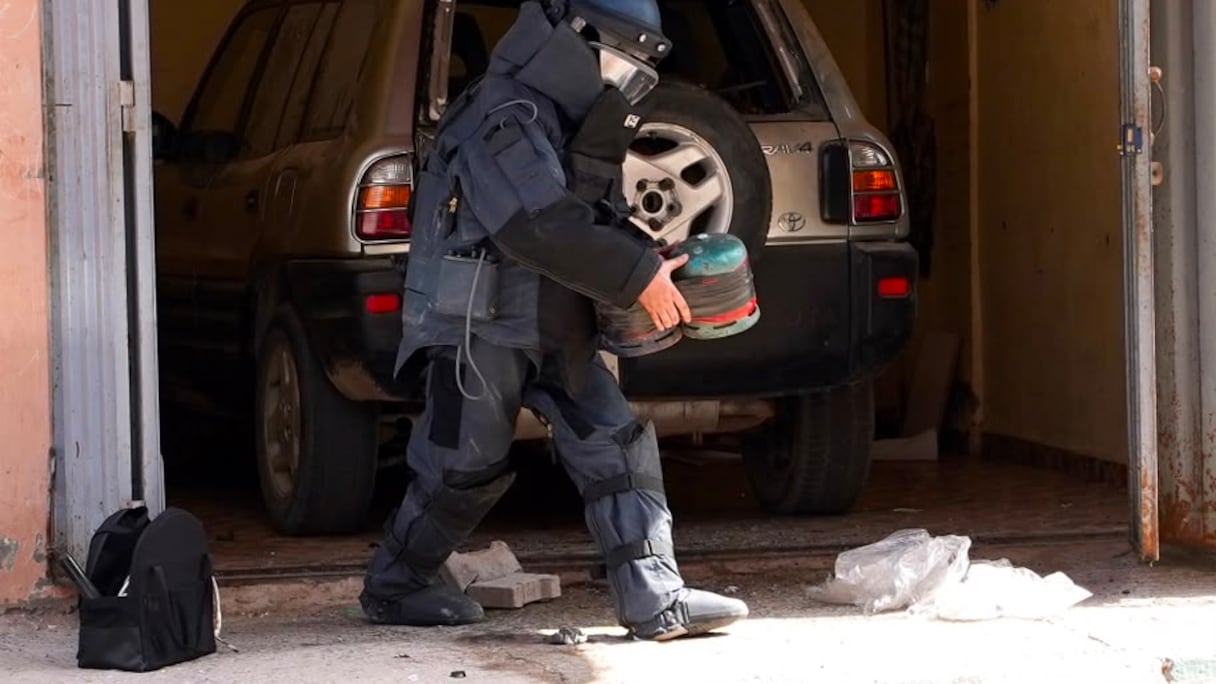
A specialized bomb disposal unit from the General Directorate of National Security (DGSN) then took over. To eliminate any risk to personnel, technicians deployed remotely operated robots together with precision thermal and chemical sensors to examine the booby-trapped vehicle. Once the site had been stabilized and declared safe, crime scene investigators and forensic specialists moved in to secure the evidence.
Inside the warehouse, investigators uncovered an expanding cache of materials: butane gas cylinders ready for use; pressure cookers—a classic tool of urban terrorism—some already packed with hundreds of nails intended to serve as shrapnel, while others had already been fitted with electrical wiring and detonator systems.
They also recovered industrial equipment, including welding devices, electrical circuit breakers, and signaling lamps, along with substantial quantities of solid and liquid chemical substances, all of which were immediately sent to police laboratories for analysis.
A highly compartmentalized structure
As the investigation progresses under the supervision of Morocco’s anti-terrorism prosecutor, the cell’s modus operandi has become increasingly clear. The internal organization established by the network’s leader followed the compartmentalized military standards dictated by Daesh’s central leadership.
Each member had been assigned a single, tightly defined role to ensure that the fall of one operative would not compromise the rest of the organization. Some were responsible for selecting targets, others for reconnaissance and surveillance, while a third team was tasked with acquiring the materials and equipment needed to carry out sabotage operations.
This advanced structure demonstrates that the group had moved well beyond the stage of indoctrination and had entered the tactical planning phase, ready for execution.
The case is now in the hands of the judiciary. The nine adult suspects have been placed in police custody, while the 17-year-old suspect has been placed under a special supervision measure pending further questioning.
For the BCIJ and the DGST, however, the investigation is only beginning. In the coming days, the focus will be on decrypting data recovered from the seized mobile phones and hard drives to map the encrypted communication channels linking the cell to its logistical coordinators in the Sahel-Saharan region and to ensure that no other dormant branches remain, either within Morocco or beyond its borders.