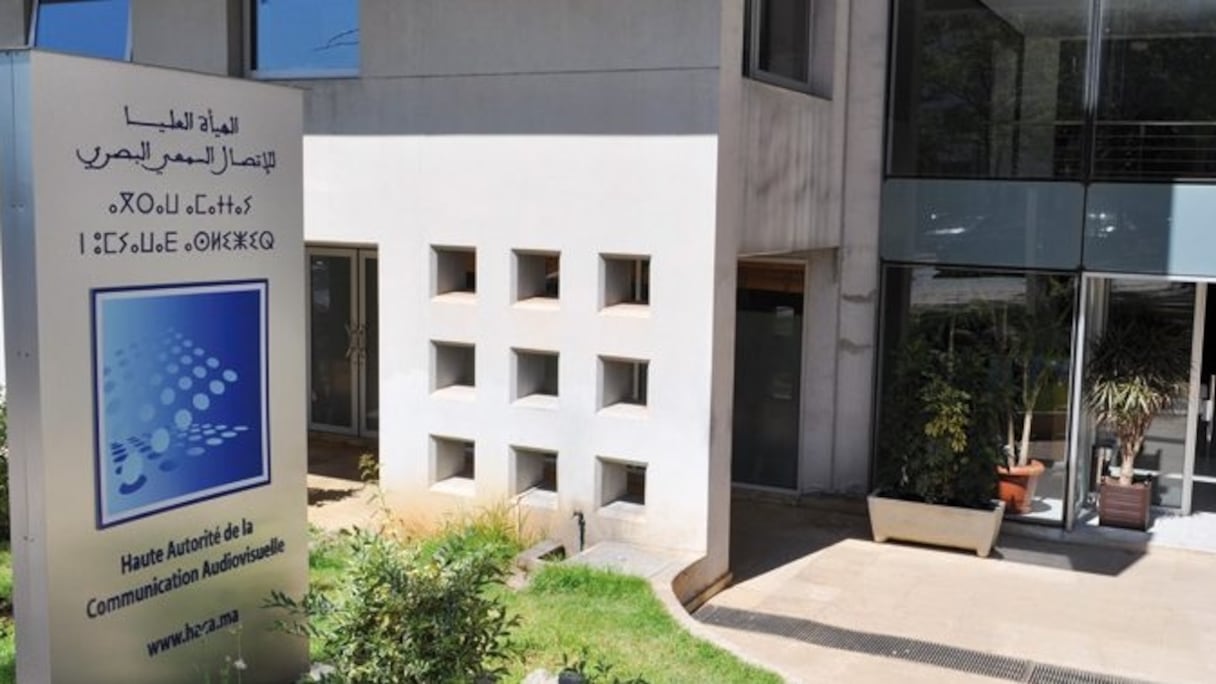
The study was prepared by HACA’s working group on “Regulation and Digital Media” under the title “Social Media Platforms and Political Communication: Between Impact and the Risks of Disinformation.”
The study looks at the impact of digital platforms on democratic life in Morocco, as well as media disinformation, algorithmic polarization and the digital dynamics of political parties represented in Parliament.
It also provides an overview of citizen movements in Morocco and abroad that have turned social media into public spaces. The study examines these platforms as spaces for expressing different views, while also highlighting their exposure to disinformation, algorithmic manipulation and political polarization.
The study “highlights the contours of a connected Morocco, while also breaking down and reframing the mechanisms of media disinformation,” HACA said.
Read also : From social media to Parliament: Barik beats bigger party machines to claim PUD’s lone seat
Nargis Rghai, head of HACA’s working group on “Regulation and Digital Media,” said democratic practice on social media in Morocco has become an increasingly pressing issue as technology develops rapidly.
“The issue of democratic practice on social media in Morocco is one that we must address in light of the rapid development of modern technology, which poses major challenges to the quality of democratic dialogue,” Rghai said.
She added that “media disinformation and algorithmic manipulation are two phenomena that pose a real threat and could negatively affect democratic dialogue or distort perceptions of political reality.”
After warning against “algorithmic democracy,” Rghai, who is also a member of HACA’s council, said the opacity of algorithms and the concentration of power in the hands of major internet companies raise questions about transparency and citizen oversight.
“Regulating transparency, promoting digital media literacy and diversifying news sources are all essential ways to address this issue,” she said.
Political parties’ digital presence
The final section of the study examines the digital presence of political parties on four social media platforms, Facebook, X, YouTube and TikTok, as well as on the parties’ own websites.
Read also : 2026 elections: Electoral complaints fall by more than 60%
The working group collected data covering the period from January to May 2026 to analyze the digital activity of Moroccan political parties represented in Parliament following the legislative elections held on September 8, 2021.
Twelve political parties represented in Parliament were included in the study. The January-May 2026 period was deliberately selected to provide an analysis outside the peak election period and avoid the impact of the intensity of electoral campaigning on the study’s findings and conclusions.
The study recorded 2,651 posts on the main Facebook pages of the 12 parliamentary parties.
On TikTok, six parties published a total of 925 videos. On YouTube, five parties published 507 videos, while four parties published a total of 1,012 posts on X.
The study also examined the websites of the political parties included in the research.
HACA found that Facebook generally remains a central space for exchanging views and ideas and maintaining proximity to citizens. TikTok, meanwhile, has emerged as a platform for rapid and wide-reaching engagement among young people and younger generations.
YouTube offers storytelling and explanatory opportunities that the parties have not fully exploited, according to the study.
X is characterized by rapid interaction and the ability to quickly circulate messages across the media space, while political party websites serve primarily an institutional and official function and have failed to generate strong appeal among citizens.
At the local level, the impact of social networks on individuals depends on the ability of institutions, civil society and citizens to promote responsible digital culture, address abuses and strengthen digital media literacy, the study said.
Rghai said Morocco’s challenge is to establish its own framework for regulating the sector while balancing national principles with openness, innovation and the protection of individual rights.
Read also : Elections: Vote inducements, online violations among 93 poll complaints
“The challenge facing our country is to establish its own system for regulating this field, based on a model that reconciles respect for national principles with the requirements of openness and innovation and the protection of individual rights,” she said.
HACA’s previous work on digital media
HACA’s working group on “Regulation and Digital Media” has previously published several resources addressing digital media and emerging technologies.
In 2021, it published a guide titled “Using the Internet Safely: Proper Use of the Digital Space by Young People and Children.” A second guide, “Guide to Combating Disinformation: References, Tools and Practices,” followed in 2022.
The group also published a 2024 study on “Artificial Intelligence, Audiovisual and Digital Production in Morocco: Impacts of a Technological Transformation,” followed in 2025 by a comic titled “Digital Violence: Breaking the Barriers Through a Comic.”
The latest study is available through HACA’s website.
