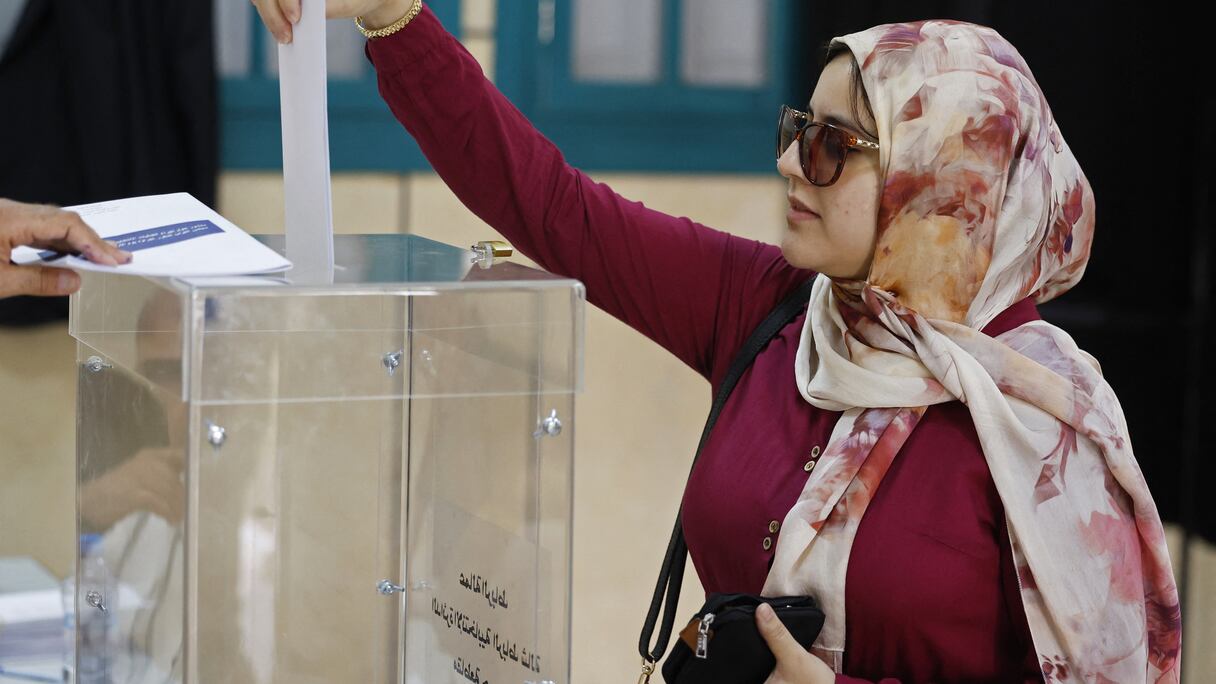
The figures, presented by the Public Prosecution and reported Friday evening on the first channel’s newscast, cover the different stages of the electoral process, from voter registration through election day. Complaints were filed directly with prosecutors or through an online application that allows citizens to refer cases to judicial authorities remotely.
Each complaint was reviewed and, where warranted, a judicial investigation was opened. The investigations were conducted in coordination with the security units responsible for monitoring elections within the judicial police of the General Directorate of National Security (DGSN) and the Royal Gendarmerie. The Public Prosecution said cases were handled swiftly, with investigations taking an average of less than 48 hours.
Read also : New Government: What comes next after El Mansouri’s appointment?
The largest number of complaints was recorded on election day. The reported incidents mainly involved common-law offenses regularly seen during election periods, including violence, insults and violations of privacy.
The Public Prosecution also reported an increase in offenses committed on social media, particularly defamation and violations of privacy. Investigations were opened and legal proceedings initiated when the reported offenses were established.
Four complaints over polling-station records
A separate issue involved the handover of polling-station records to representatives of candidates. Four complaints were filed in Midelt, Fahs-Anjra, Tangier and Souk El Arbaa du Gharb.
Investigations into the cases led to two complaints being closed after no offense was established. The other two remain under review.
The Presidency of the Public Prosecution recalled the provisions of Article 57 of the organic law governing the House of Representatives, which requires polling-station records to be handed to candidate representatives who are present when the documents are prepared.
Read also : After campaign bruising, PAM and RNI test coalition waters
Legally, the Presidency of the Public Prosecution said, an offense can only be established if the candidate’s representative is present at the polling station when the record is prepared. If the representative leaves before the vote count is completed and returns after the document has been prepared, that alone does not meet the legal requirement for prosecution unless other evidence is present.
After reviewing the complaints received and the investigations opened, the Public Prosecution said the September 23 vote was conducted in compliance with legal provisions and that reported violations were handled in accordance with the procedures in force.
