Morocco’s historic run at the 2022 FIFA World Cup marked a defining moment for the country’s international image, but translating that momentum into lasting soft power will require a deliberate national strategy, according to a report released by the African Center for Strategic Studies and Digitalization.
The report, titled Morocco and the World Cup: Between Sporting Performance, Media Momentum, and the Construction of Soft Power, argues that the Kingdom possesses considerable assets but has yet to organize them into a coherent framework capable of generating sustained international influence.
The study identifies the 2022 World Cup as the starting point of that transformation. Morocco’s achievements extended well beyond football, becoming a global symbol associated with authenticity, cultural identity, and national pride. According to the report, “the Moroccan jersey” has come to embody an image that transcends the sport itself, creating valuable intangible capital that remains powerful but fragile.
One of the report’s central arguments is that sporting success does not automatically generate soft power. Its author stresses that soft power must be approached as a public policy in its own right, rather than as a byproduct of athletic achievement.
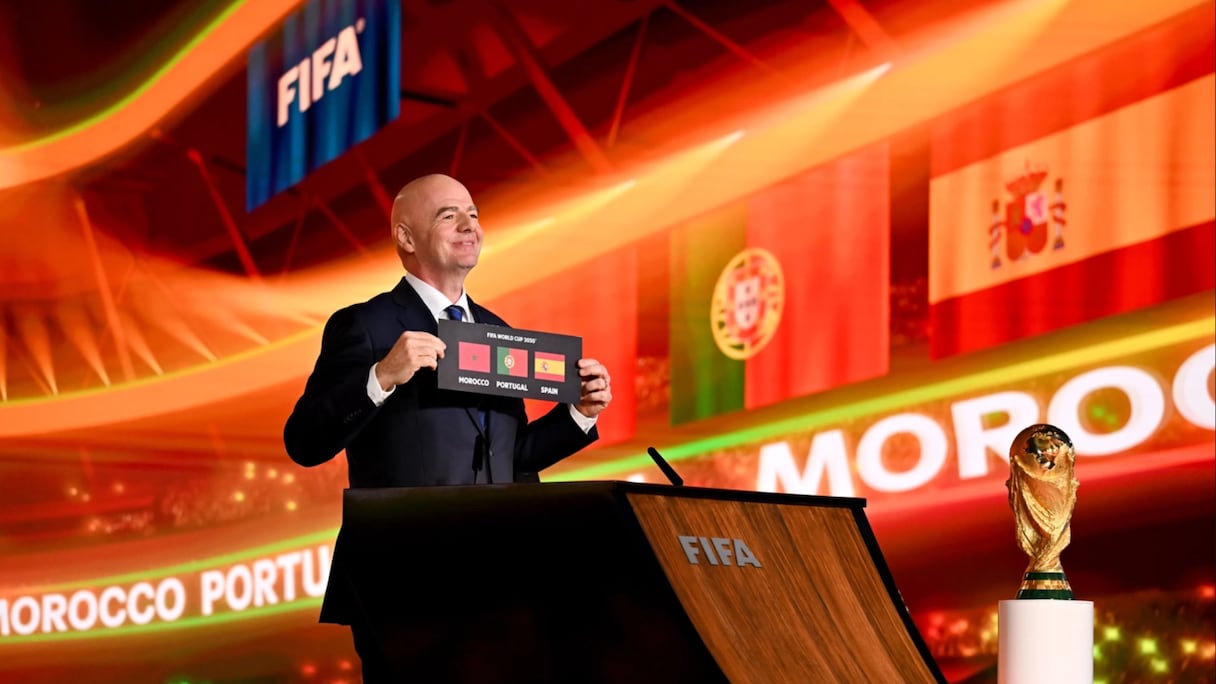
The report argues that soft power should be “managed and measured” as a strategic national project. From that perspective, the 2030 FIFA World Cup, which Morocco will co-host with Spain and Portugal, represents “a starting signal” rather than a final objective.
The study also identifies several structural weaknesses, including “the absence of a coordinated strategy,” insufficient coordination among public institutions, and media production that remains too limited in its international reach. It also points to a lack of tools to measure the real impact of ongoing initiatives, limiting Morocco’s ability to convert moments of collective enthusiasm into lasting influence.
The years leading up to 2030 are presented as a critical window of opportunity. Morocco’s growing international visibility, the role of its diaspora, and the dynamism of a digitally connected younger generation could all strengthen the country’s global standing if brought together under a coherent national narrative.
The report nevertheless warns against what it describes as a persistent misconception—that soft power will naturally emerge from sporting achievements and major international events.
It notes that “ninety minutes without good governance can undermine weeks of momentum,” underscoring the importance of effective management during high-profile moments. Other risks identified include the emergence of competing narratives and the possibility of projecting only a superficial image abroad.
To succeed, the report highlights three essential pillars. The first is authenticity, arguing that only “values that are lived rather than proclaimed” can generate credible influence. The second is strong governance, particularly in managing sensitive situations. The third is youth engagement, with sport serving as “a vehicle for awareness rather than complacency.”
The report also outlines several recommendations. It calls for the development of a national soft power strategy, stronger international media production, and greater engagement with Morocco’s diaspora, describing it as “both a showcase and a daily network of influence.” It also advocates embedding sport within broader social and educational policies to ensure its long-term impact.
In conclusion, the report argues that “soft power is not propaganda” but rather the ability to inspire trust and attract support.
Morocco, it says, already possesses the resources to achieve that goal. The real challenge lies in aligning its messaging with its actions. Ultimately, the report concludes, the decisive contest will not be played only on football pitches but through the overall coherence of the country’s national project.