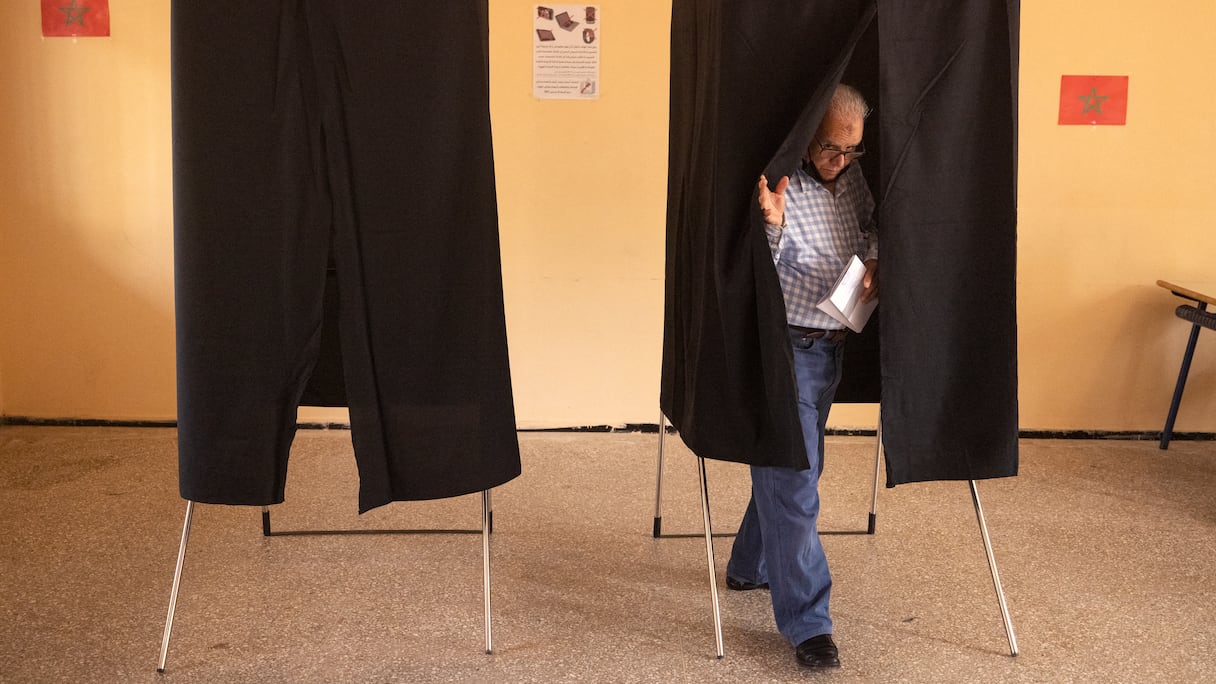
More than 15.8 million Moroccans will have their say on Wednesday after weeks of promises, rallies and hard selling by parties chasing the 395 seats in the House of Representatives—and a place in the arithmetic of the next governing majority.
Until midnight on Tuesday, however, there are still votes to chase.
Parties and candidates have the remaining hours to make their last pitch before the campaign shutters come down and 15,801,162 registered voters take over.
There has been no shortage of people asking for their vote. Some 7,288 candidates on 1,850 lists are in the run across local and regional constituencies, according to Interior Ministry figures.
That leaves, on average, more than 18 candidates chasing every seat in the House. Men make up 54pc of the electoral roll and women 46pc.
Prices, purchasing power and incomes have repeatedly surfaced at rallies and in party programs, with candidates promising everything from changes to direct aid and wider social protection to tax relief for vulnerable households and the middle class.
Jobs have been another hard sell, particularly to young people and women. Parties have pitched support for small and medium-sized businesses, financing and tax breaks for start-ups and proposals to bring more of the informal economy into the fold.
The outgoing majority has been asking voters to judge what it did with the last mandate. The opposition has spent much of the campaign telling them why they should not give it another one.
By midnight, both arguments will have run their course.
Wednesday’s contest will also be fought under a rulebook carrying stiffer penalties for those tempted to seek votes by other means.
Twenty-eight of the 32 provisions dealing with electoral offenses have been amended, bringing heavier prison terms and fines, while some offenses have been upgraded to crimes.
People prosecuted after being caught in flagrante delicto for certain offenses involving probity, morality or the integrity of the electoral process can be barred from standing. First-instance felony convictions and appeal convictions carrying ineligibility can also shut the door on a candidacy.
Deepfakes, fake news and manipulated images or statements can bring criminal penalties where social media, online platforms or artificial intelligence are deliberately used to commit electoral offenses, defame candidates, violate voters’ privacy or undermine the vote.
Alternative sentences have been taken off the table for electoral offenses covered by the legislation.
Keeping watch over the contest will be a central election monitoring commission bringing together the Interior Ministry and Public Prosecutor’s Office. Provincial commissions pair walis or governors with prosecutors, backed by regional commissions across the Kingdom’s 12 regions.
Until the clock strikes midnight, though, candidates still have a few hours left to knock on doors, work the crowds and make whatever case remains to be made.
