Morocco is among the first countries to make concrete commitments to the reconstruction of Gaza.
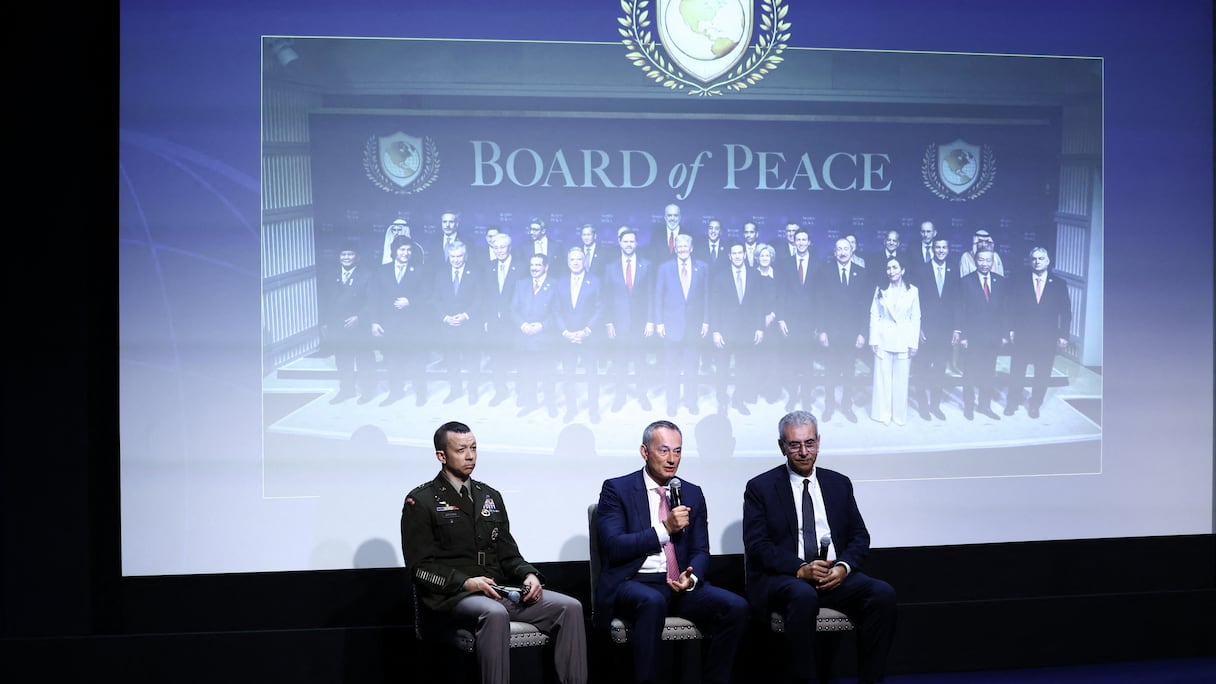
During a Peace Council briefing held Wednesday in New York on the sidelines of the 81st session of the United Nations General Assembly, with US Special Envoy for the Middle East Steve Witkoff and Jared Kushner in attendance, Moroccan contributions were outlined on both the military and civilian fronts.
General Jasper Jeffers, commander of the International Stabilization Force (ISF), first announced that the force’s advance contingent was ready. “We have trained and prepared our advance force, made up of contingents of 500 soldiers from Kosovo and Morocco, ready to deploy,” he said. He added that the infrastructure of the temporary base that will accommodate the first 500 troops had been completed.
The commitment follows Morocco’s signing, on July 15, 2026, of the Participation Agreement for the International Stabilization Force in Gaza. Morocco is therefore part of the initial group of troops expected to deploy on the ground before additional contingents arrive.
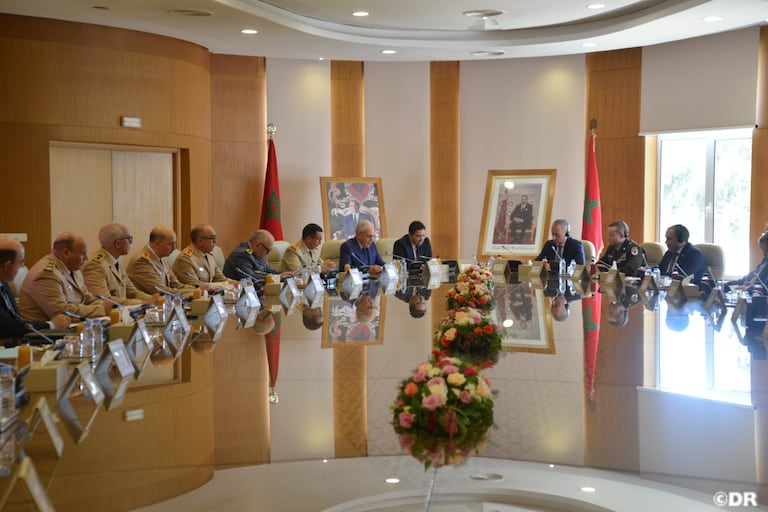
The move draws on the extensive experience accumulated by the Royal Armed Forces through United Nations peacekeeping operations. Morocco’s diplomacy is thus translating its stated principles into concrete action on the ground while maintaining its longstanding position in favor of a two-state solution.
On the occasion, Morocco also reiterated the need for a sovereign and independent Palestinian state based on the June 4, 1967 borders, with East Jerusalem as its capital, living alongside Israel in security and peace.
During the briefing, General Jeffers also recalled how far the process has come since negotiations began. “A year ago, the ISF was not even a concept,” he said. The force’s headquarters now operates around the clock with more than 50 international military officials and planners. Several reconnaissance operations have already been carried out in Rafah, while the next contingents from Albania, Kazakhstan and other countries are being prepared.
Field hospital and training in deradicalization
Morocco’s second contribution is focused on humanitarian assistance and education. Aryeh Lightstone, special adviser to the US envoy for peace missions, outlined it while reviewing the contributions proposed by partner countries. “We have spoken with Morocco, which has offered to provide a field hospital, as well as train nurses and teachers in deradicalization,” he said.
Other countries have offered expertise in complementary areas. Kazakhstan has committed to helping students who have been deprived of education for the past three years enroll in universities. The United Arab Emirates has proposed developing an “Emirati city” to provide residents with a safe place to live. Bahrain has offered a turnkey e-government solution to help Gaza’s administration operate.
The briefing also presented the broader framework of the recovery plan. Dr. Ali Sha’at, chief commissioner of the National Committee for the Administration of Gaza (NCAG), advocated for a reconstruction led by the people of Gaza themselves. “We are here to rebuild Gaza through the children of Gaza, who have been denied this right for far too long,” he said, noting that Gazan children have been out of school for three years.
The plan includes around 71 programs covering humanitarian development, infrastructure, economic recovery and security. The chief commissioner stressed one guiding principle: “One authority, one law and one weapon. We will not allow a return to the past.” He called on donors to channel their assistance through the financial mechanism established to allow each contributor to track how its aid is used.
Joost Borsboom, the Peace Council’s financial director, put the overall project portfolio at $6 billion. An initial six-month program worth $2.45 billion will cover 66 programs. This first phase will rely entirely on donations.
The Peace Council has so far received $18 billion in pledges, of which only $280 million has been called for the initial setup phase.
Reconstruction begins alongside planning
On the ground, initial work has already begun. Shadia Jaradat, head of infrastructure and reconstruction at the Office of the High Representative, said the approach was to “build while we plan.” Emergency repairs to public services, temporary shelters, site clearance and road works are already underway. These facilities are intended to allow the NCAG, its police force and the ISF to operate from the first day.
An emergency plan covers the next six months, while a detailed master plan will set out longer-term priorities for 2030, 2040 and 2050. Jaradat, a Palestinian engineer from a village near Hebron, also announced that Gazan contractors, engineers and workers are being prequalified and registered to work alongside international companies.
“Gazan people will not only rebuild their cities, they will also rebuild their lives, their economy and their future,” she said.
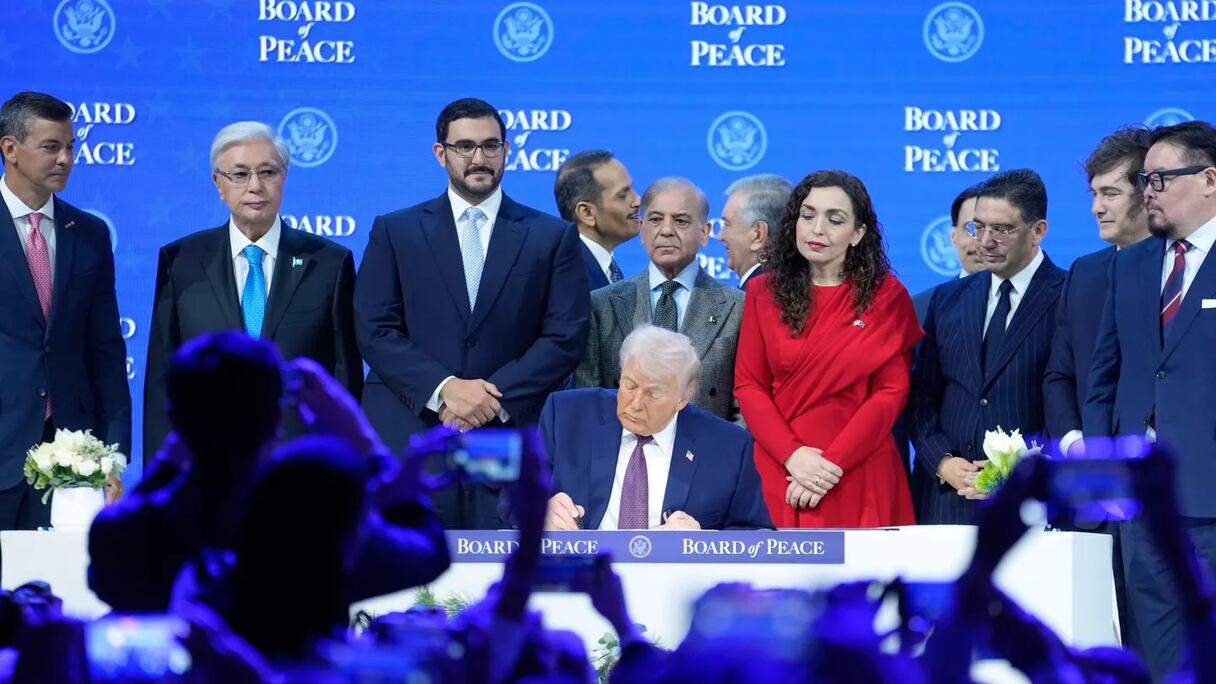
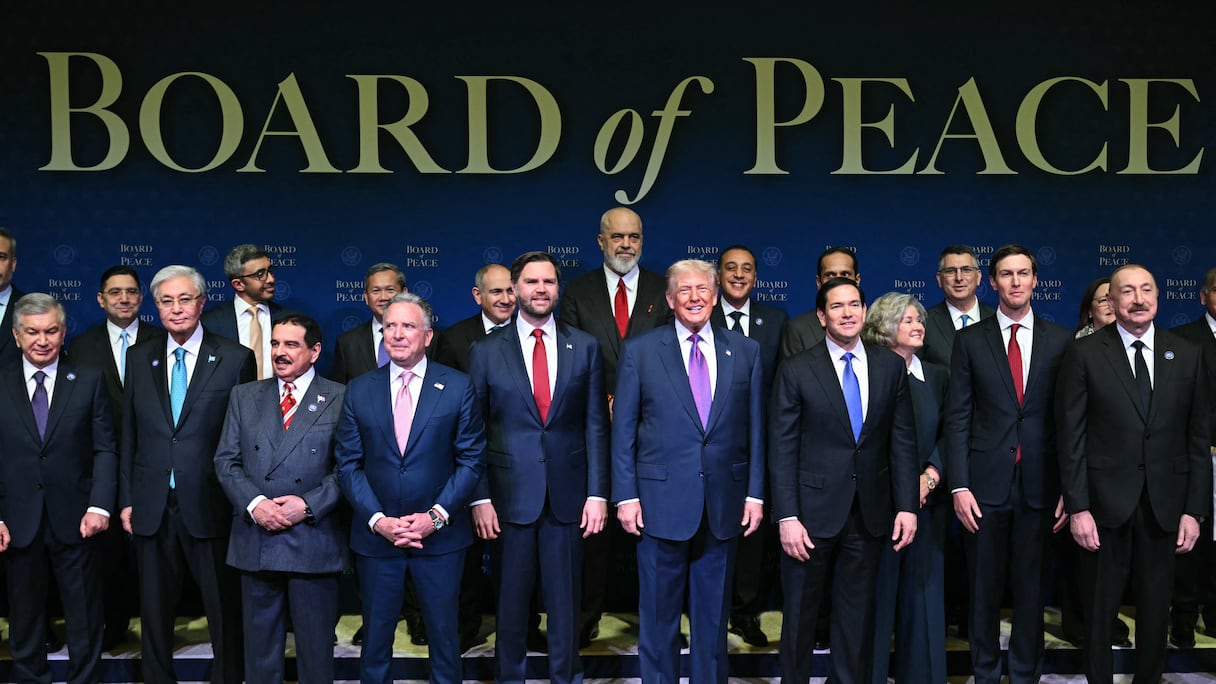
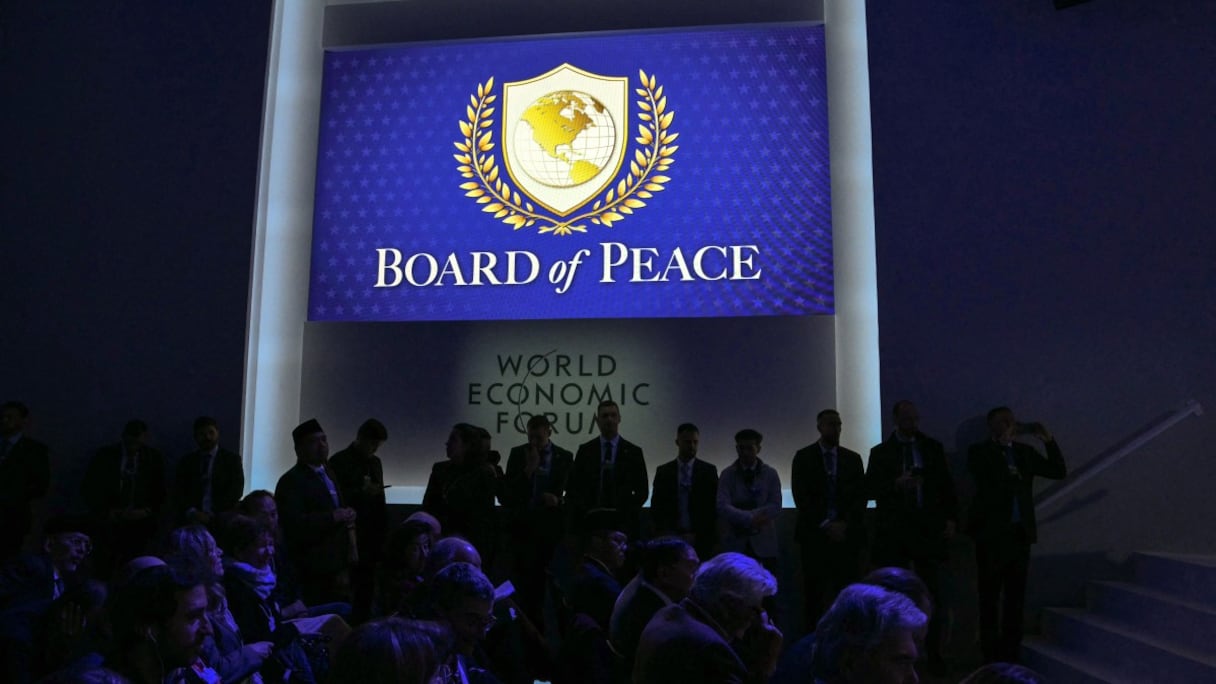
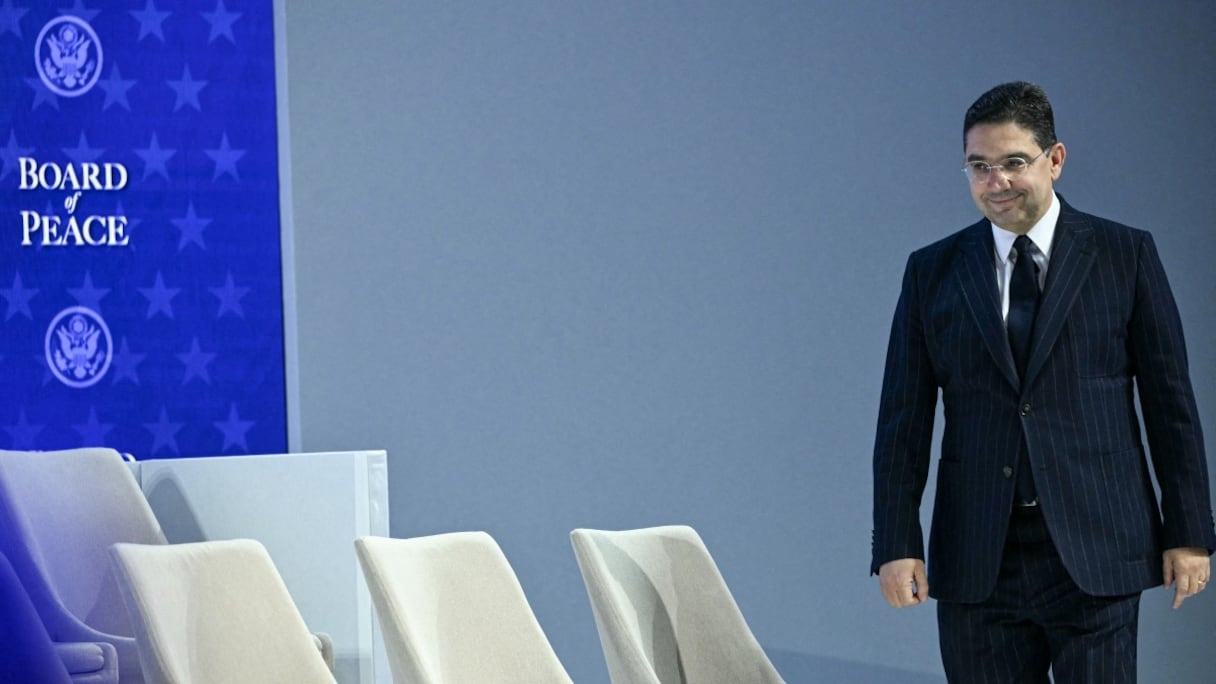
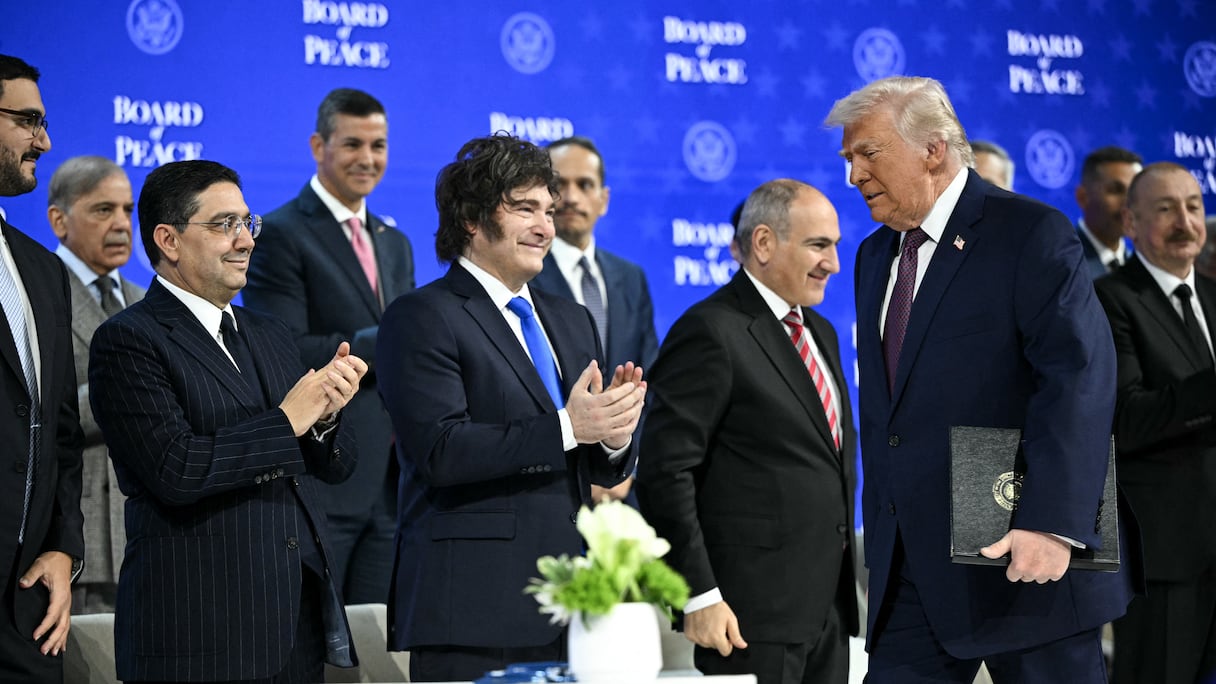
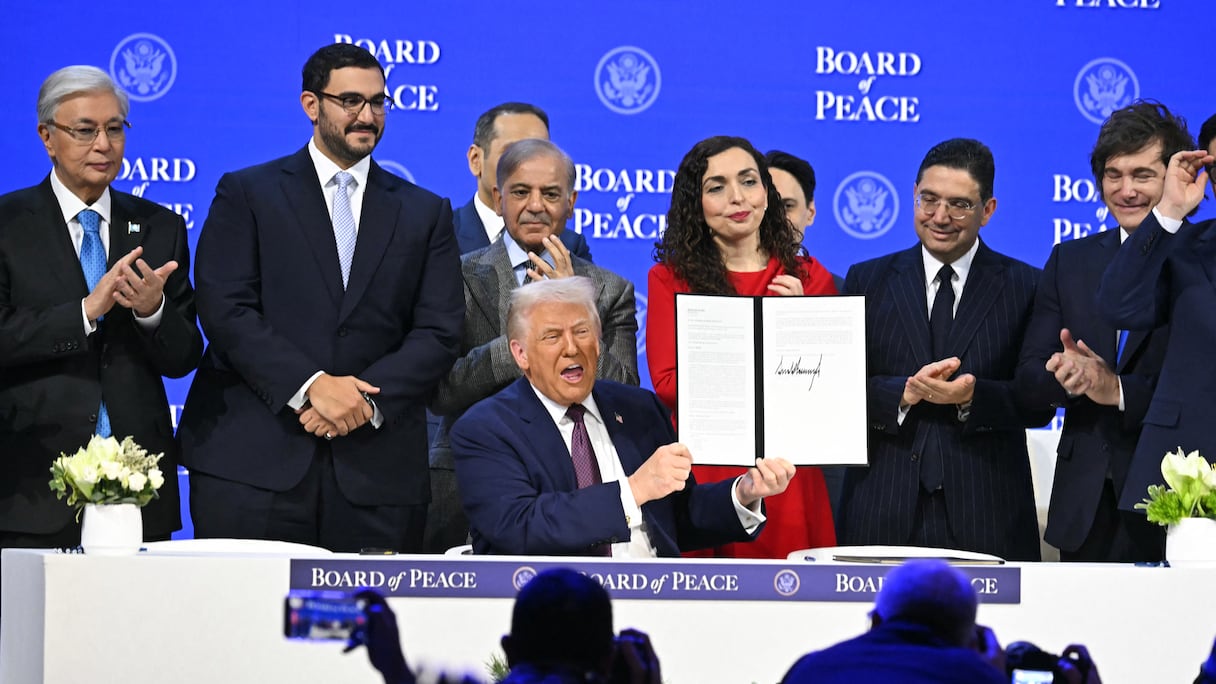
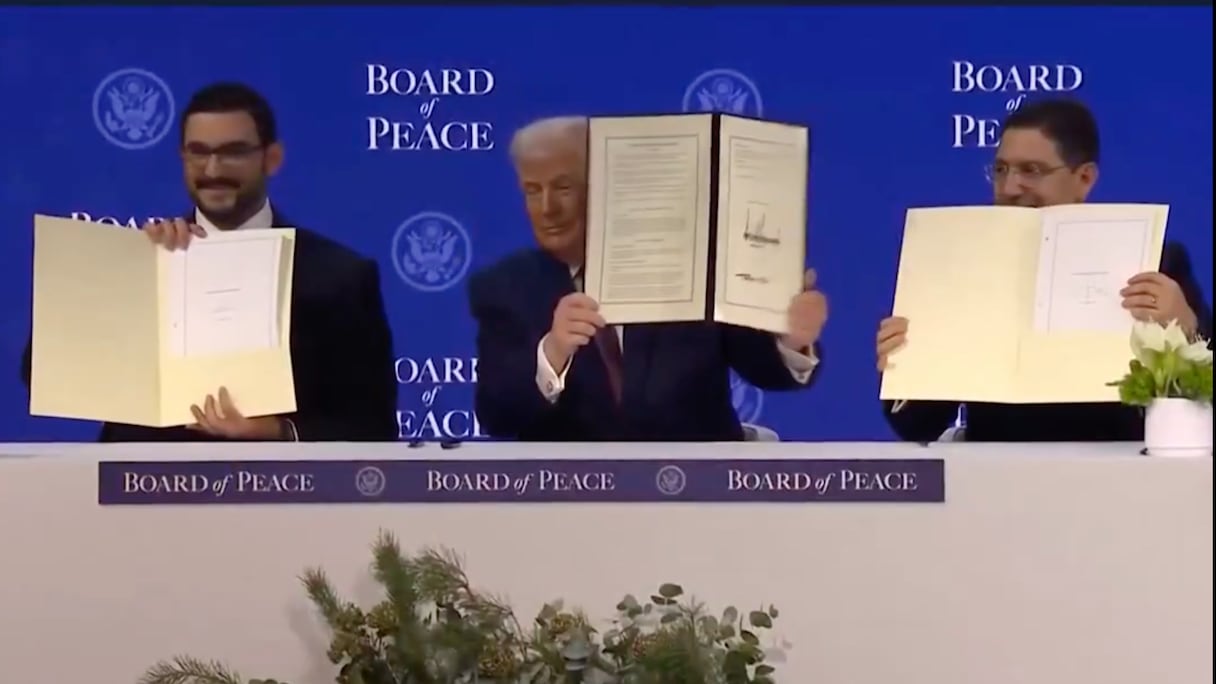
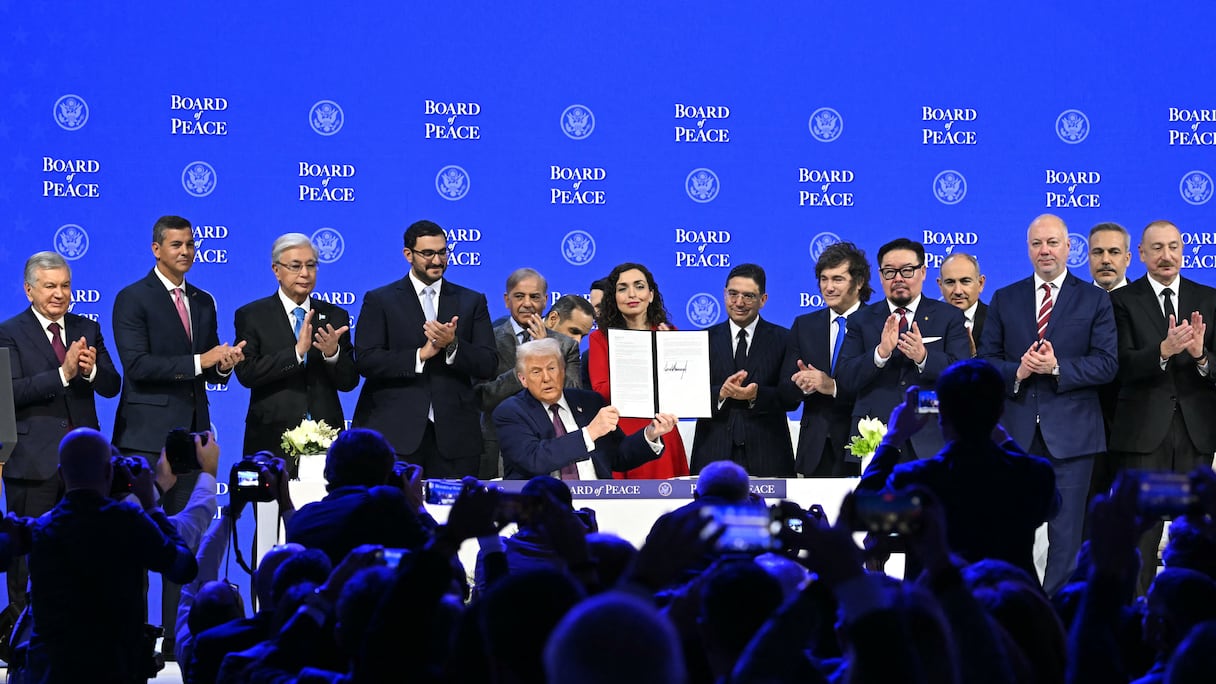
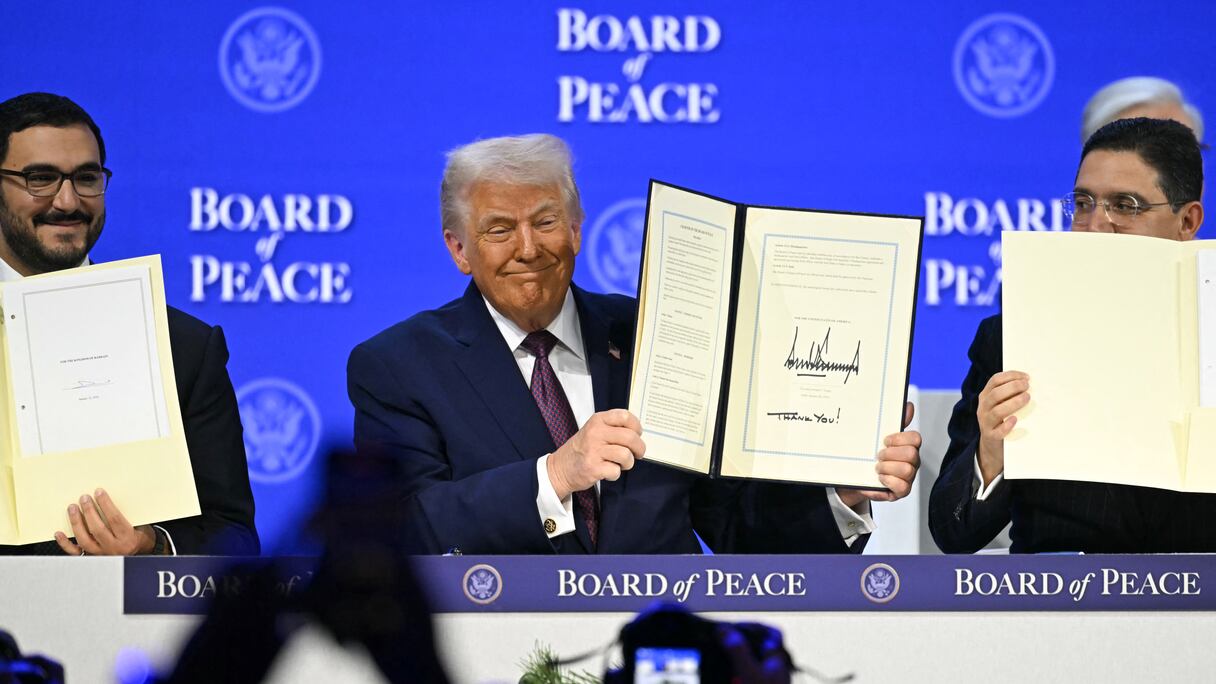
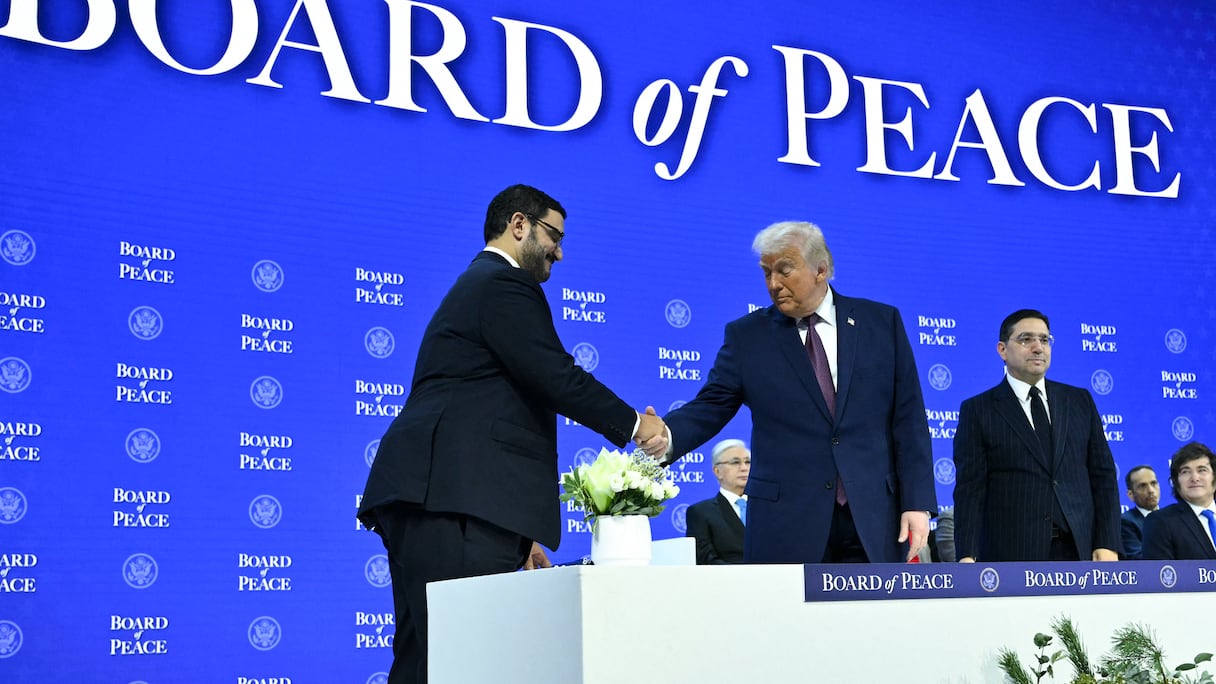
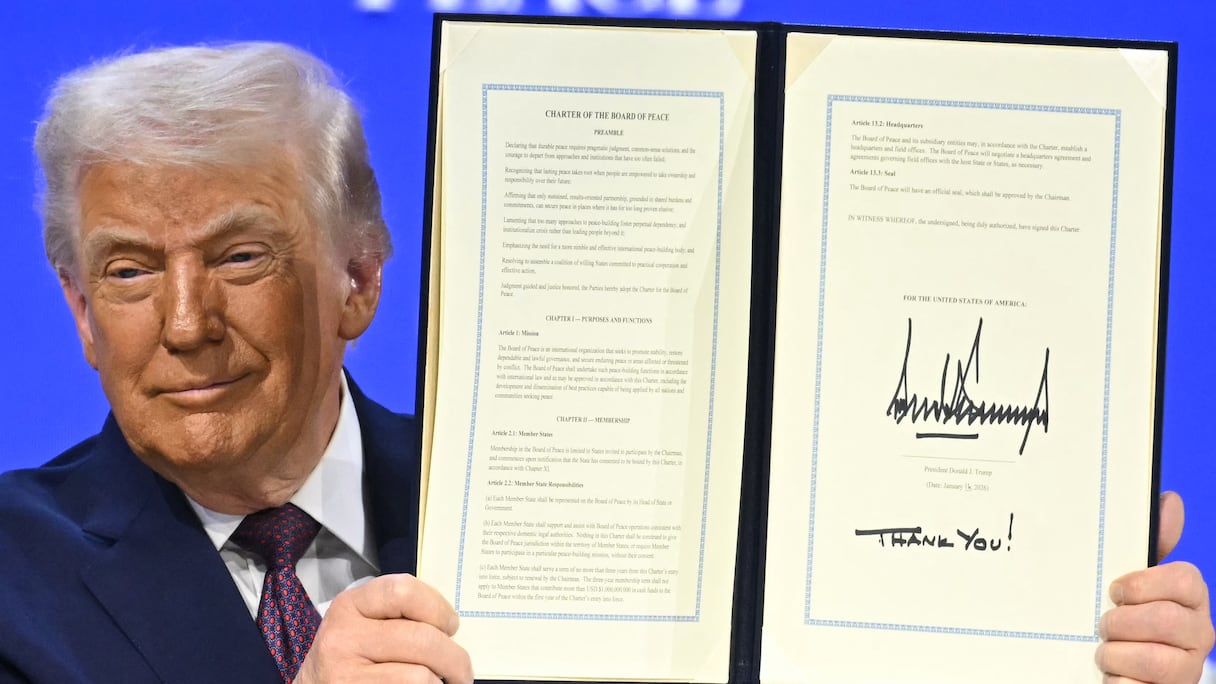
Trump signe la charte de son initiative «Conseil de la paix» lors de la réunion annuelle du Forum économique mondial en Suisse, le 22 janvier 2026. (PHOTO:AP)
The financial framework is also taking shape. Dr. Bashir Rayyes, NCAG finance commissioner, announced that a five-year financial plan is being prepared with the support of external consultants.
The document will set out projected revenues and expenditure, the expected duration of reliance on donor assistance and the conditions for a return to self-sufficiency. “We do not want to go back to 2023. We want to take Gaza toward 2030, 2040 and 2050,” he said. The plan remains a draft and will be submitted to other partners before being finalized.