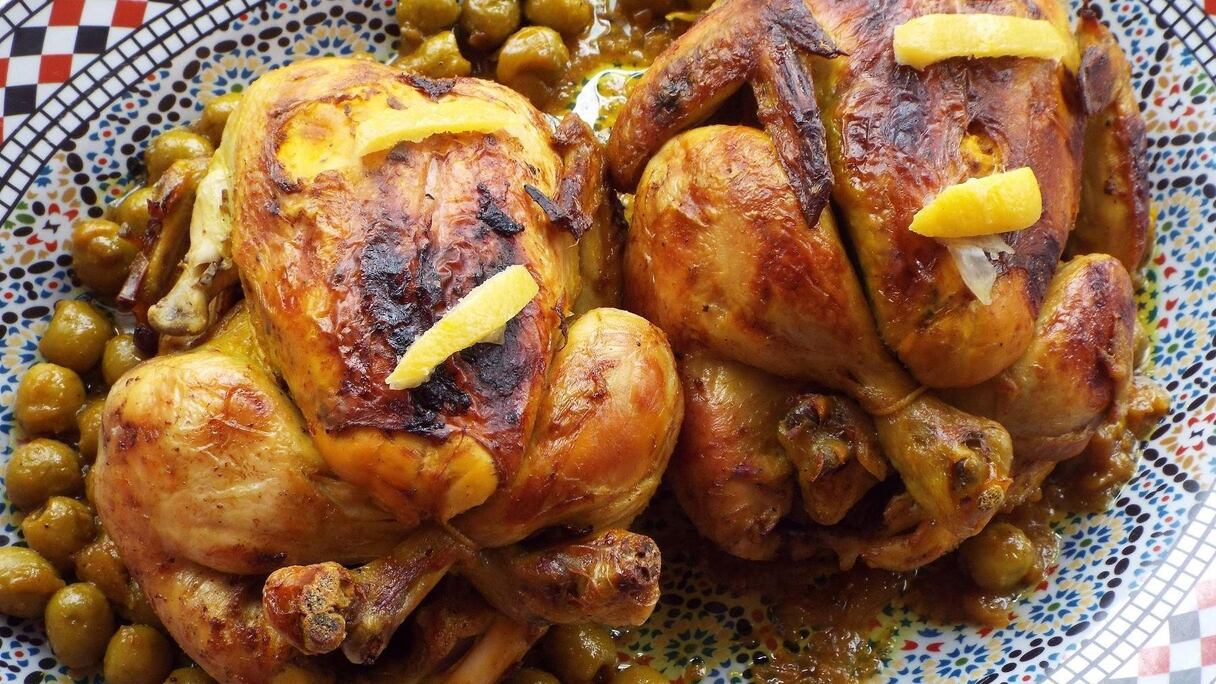
Chicken prices may have dropped sharply in recent weeks, but Moroccan families planning summer weddings are unlikely to notice much difference in their final bill.
Industry professionals say lower poultry prices have had only a limited impact on catering costs, as expensive red meat, event services, and other operating expenses continue to keep wedding budgets elevated.
The issue comes as Morocco enters its busiest wedding season, when demand for catering traditionally peaks.
“The catering business will never return to what it was before COVID-19,” Hassan Douch, secretary-general of the Moroccan Federation of Event Caterers, told Le360.
“The sector is gradually recovering, and trust is returning between caterers, suppliers, and customers, but we are still far from pre-pandemic conditions.”
According to Douch, this year’s wedding season has been quieter than in previous years.
“There is less demand because many of the food products we rely on remain expensive,” he said. “A number of professionals also left the industry after the pandemic because of the losses they suffered and moved into other sectors.”
The shift is also reflected in the size of Moroccan weddings.
“In the past, some families organized receptions for 400 or 500 guests,” Douch said. “Today, most weddings are limited to close relatives and friends, and it’s now rare to see more than 200 or 250 guests.”
The smaller celebrations are largely driven by tighter household budgets rather than changing tastes.
Falling chicken prices, limited savings
Despite the recent collapse in poultry prices, caterers say consumers should not expect significantly cheaper wedding menus.
Unlike households, professional caterers generally purchase ingredients through specialized suppliers that issue formal invoices instead of sourcing products from traditional wholesale markets.
“Our raw material costs remain high,” Douch said. “Lamb and beef prices are still elevated, and the prices we pay through our suppliers have not fallen in the same way consumers may see in retail markets.”
He also dismissed suggestions that some families are removing chicken from wedding menus because of the so-called “Tayyibat diet” trend.
“It has nothing to do with any diet,” he said. “Some people have become suspicious of the sharp fall in chicken prices and wonder whether there is a particular reason behind it. If their budget allows, they prefer serving fish or red meat instead.”
Affluent households, he added, are generally preserving the quality of their menus while reducing the scale of their celebrations.
“Instead of organizing a reception with 40 tables, they now hold one with 20,” he said. “That allows them to maintain a high standard while keeping spending under control.”
Weddings adapt to a new reality
Douch said it is impossible to define a standard price for wedding catering because costs vary widely depending on the venue, decoration, floral arrangements, table settings, and the range of services requested.
Rather than competing on price alone, many caterers are adapting to a market where families are increasingly focused on controlling spending without sacrificing the overall quality of the event.
