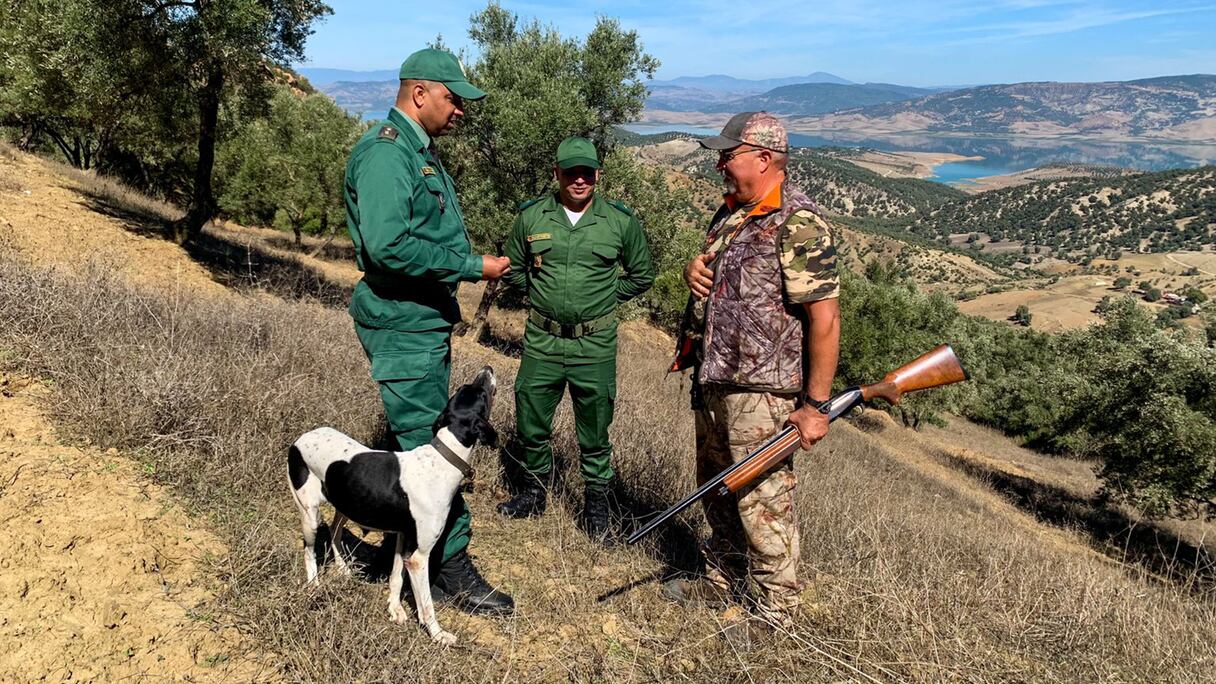
Morocco’s 2026–2027 hunting season will open nationwide on Oct. 4 under regulations that maintain existing quotas while expanding wildlife conservation, habitat management and efforts to regulate hunting activity.
The Higher Hunting Council approved the calendar and rules for the new season during a meeting held July 13 at the Ministry of Agriculture, Maritime Fisheries, Rural Development and Water and Forests, according to the National Agency for Water and Forests (ANEF).
Dove hunting will follow a separate calendar and is scheduled to open July 24, 2027, the agency said.
After reviewing scientific monitoring data on wildlife populations, the council decided to keep hunting quotas, license fees and rules governing organized wild boar drives unchanged.
The measures form part of Morocco’s “Forests of Morocco 2020–2030” strategy, which seeks to balance biodiversity protection with rural development and the regulated use of forest resources.
More than 65,000 hunters last season
More than 65,000 hunters participated in the 2025–2026 season across public and leased hunting grounds, alongside about 5,000 foreign and domestic hunting tourists.
The average harvest of resident small game rose slightly to 1.58 partridges per hunter per hunting day, according to ANEF.
Morocco currently has 1,737 leased hunting areas covering nearly 4.39 million hectares. Of those, 1,424 are managed by hunting associations and 239 are allocated to hunting tourism.
The number of leased areas has increased by 36% since 2020, reflecting the authorities’ growing reliance on hunting associations and specialized operators to help manage wildlife populations and habitats.
Partridge releases support wildlife restoration
Morocco released about 178,000 captive-bred partridges into leased hunting areas during the previous season as part of efforts to replenish small-game populations.
The birds were raised at national wildlife breeding centers before being introduced into managed habitats.
ANEF said the program is intended to support population recovery while maintaining regulated hunting opportunities.
The agency and the Royal Moroccan Hunting Federation are also working together on hunter training, habitat restoration and efforts to combat poaching.
More than 6,300 wild boars culled
The council also reviewed Morocco’s campaign to control wild boar populations, which can damage crops and create safety risks for communities near forests.
As of June 15, authorities had conducted 1,414 organized drives across the country, resulting in the culling of 6,339 wild boars, or an average of 4.48 animals per operation.
ANEF said the campaign had helped limit agricultural damage and reduce risks in affected rural communities.
Hunting tourism and digital services expand
Morocco is continuing to develop hunting tourism, which is supported by 146 specialized companies operating across 239 hunting areas.
Authorities say the activity contributes to employment, tourism revenue and economic activity in rural areas when conducted under regulated conditions.
The council also highlighted the nationwide rollout of the AmodiaChasse digital platform, which allows hunters and operators to complete administrative procedures online and gives authorities greater oversight of hunting areas.
Work is also underway to introduce bow hunting as part of efforts to diversify Morocco’s regulated hunting offer.
The council said the rules adopted for the new season are intended to preserve ecological balance while supporting rural economies and maintaining responsible hunting practices.
