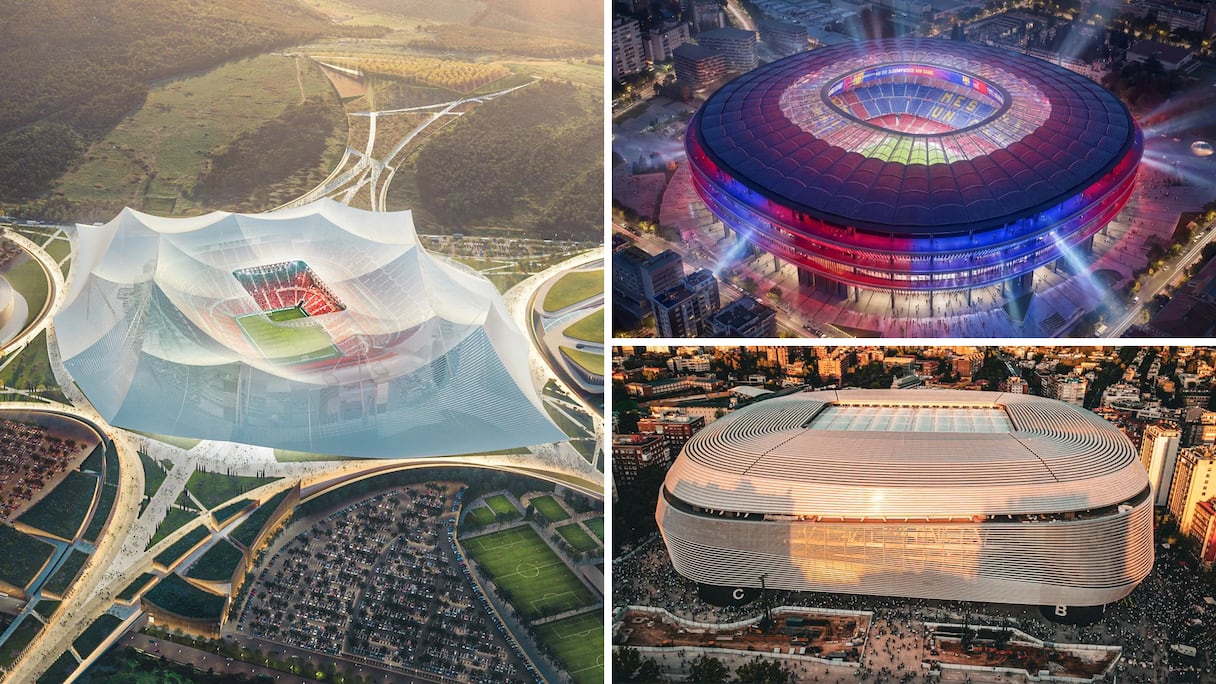
In recent weeks, a narrative has taken hold in Spain that the race for the 2030 World Cup final now has two sides: Spain, a football powerhouse defending what is essentially its own turf, and Morocco, an ambitious neighbor accused of trying to steal the tournament’s most prestigious match.
How convenient. Very convenient indeed. While everyone is looking toward Casablanca, far less attention is being paid to what’s happening between Madrid and Barcelona.
After all, the first battle is right there in Spain. Madrid is pushing for the Santiago Bernabéu Stadium. Barcelona is putting forward Camp Nou. Behind these two stadiums are two cities and two global football giants, as well as political and economic interests that do not necessarily align.
Barcelona’s bid is anything but symbolic. FC Barcelona and the city authorities have formally expressed their desire to host the final with the support of the Catalan government. Meanwhile, Madrid is highlighting its experience, infrastructure, and a thoroughly modernized Bernabéu. This is precisely where Casablanca comes in.
Casablanca, the opponent that brings Spain together
Spain now has a unifying position. “The final must be played in Spain.” It’s difficult to imagine a position that would be more unifying in Madrid or Barcelona. This approach also serves a practical purpose: it defers the divisive question “Great—but where?” for another day.
Rafael Louzán himself is walking that tightrope. As president of the Spanish Football Federation, he is pushing for the final to be held in Spain while remaining neutral. He praises the Bernabéu, acknowledges Camp Nou’s arguments, and leaves the final decision to FIFA.
Backing Madrid too early would provoke Barcelona. Choosing Barcelona would mean confronting Madrid. However, supporting Spain’s bid allows both cities to remain on the same side.
As Casablanca becomes a more credible contender, it provides Spanish stakeholders with a common opponent and a much more favorable narrative than another Madrid-Barcelona showdown.
Even if Casablanca were to drop out tomorrow, the Bernabéu would not automatically get the final. Camp Nou would still be there.
Barcelona has a major argument in its favor: capacity. The new Camp Nou is expected to have more than 100,000 seats, compared to fewer than 80,000 for the Bernabéu in the configuration evaluated by FIFA. Louzán himself has acknowledged the importance of that difference.
Madrid counters with a nearly finished stadium, proven organizational experience, and a capital city accustomed to hosting major events. Meanwhile, Barcelona has a larger stadium and a metropolitan area with all the necessary attributes to host the final.
Even without Casablanca, Spain would still have a problem to solve. And not a small one.
Spain’s real problem lies elsewhere
The language surrounding Morocco’s bid also deserves closer attention. After hearing so much about Spain needing to “keep” or “defend” the final, it’s easy to forget the most important point: FIFA hasn’t awarded it to anyone yet.
Therefore, Morocco is not trying to take back a match that belongs to Spain. Morocco will co-host the 2030 World Cup, and Casablanca is a candidate city on the same basis as the two Spanish cities.
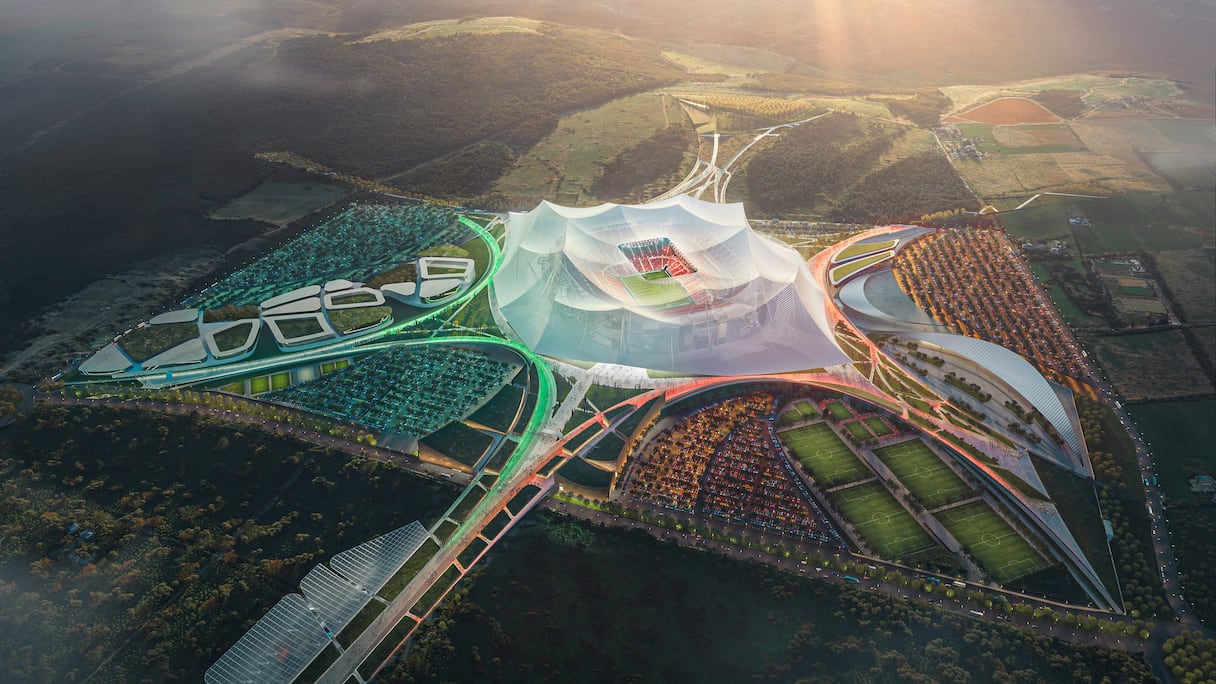
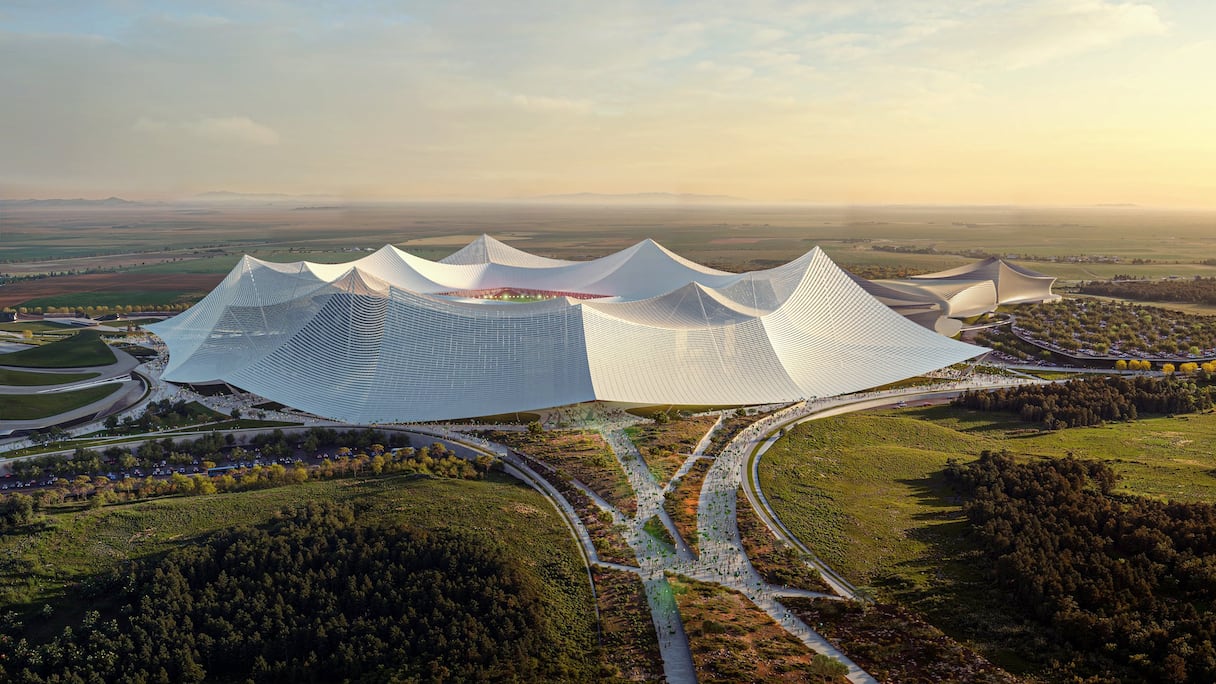
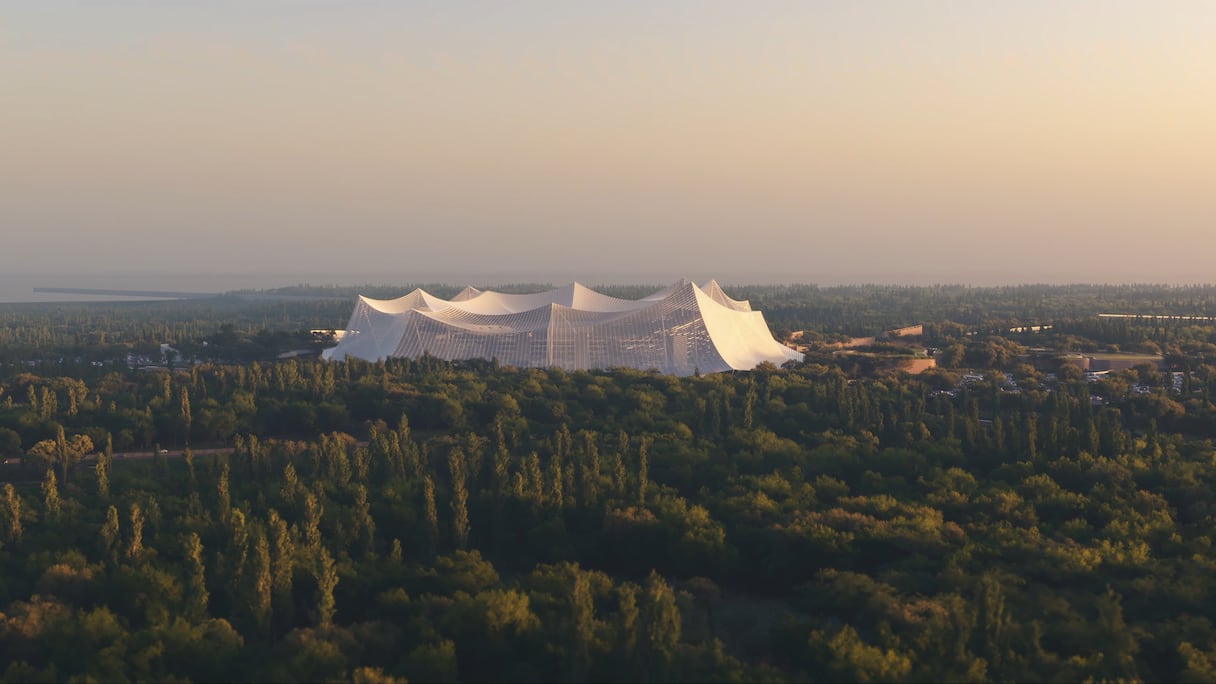
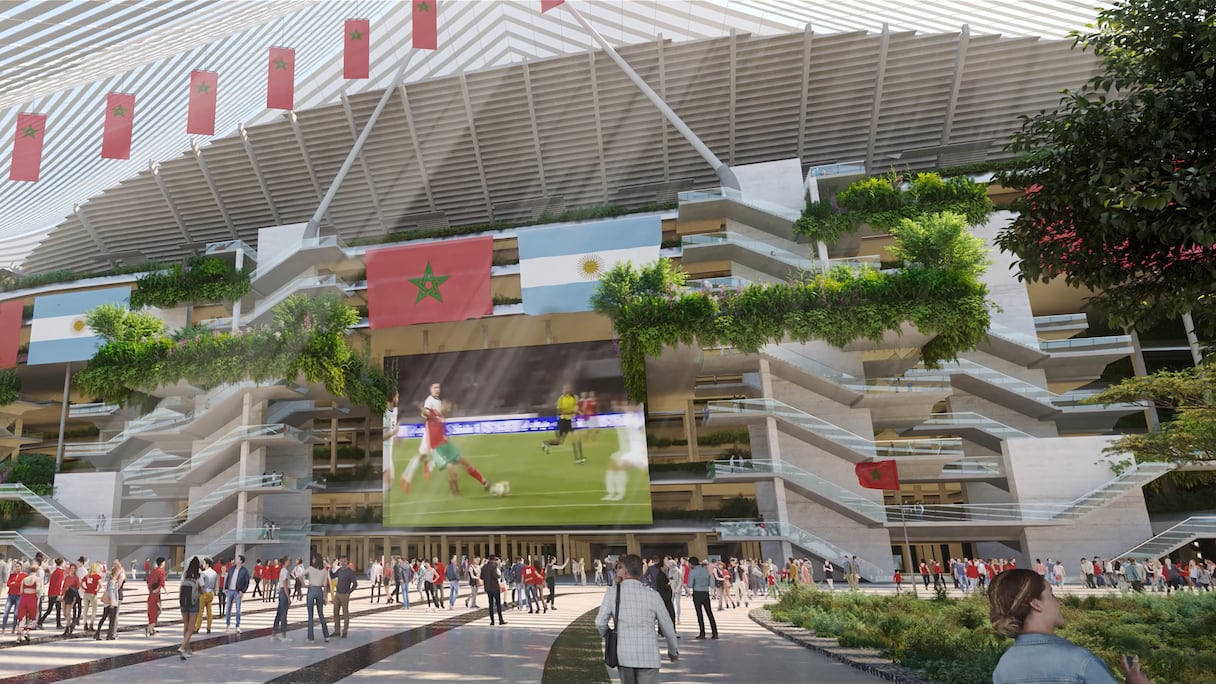
With an announced capacity of 115,000, the Grand Stade Hassan II was not designed to merely fill a quota. Morocco is investing in its stadiums, transportation network, airports, and infrastructure with one goal in mind: to host the biggest events of 2030, including the final. Why should it apologize for that?
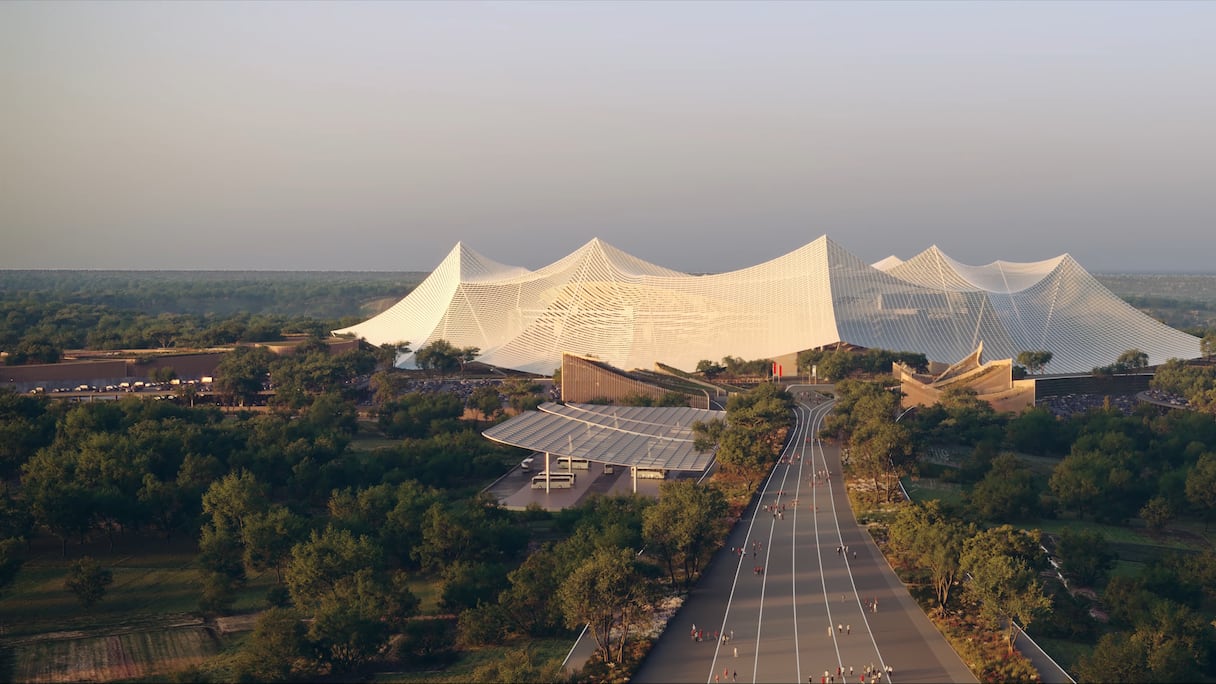
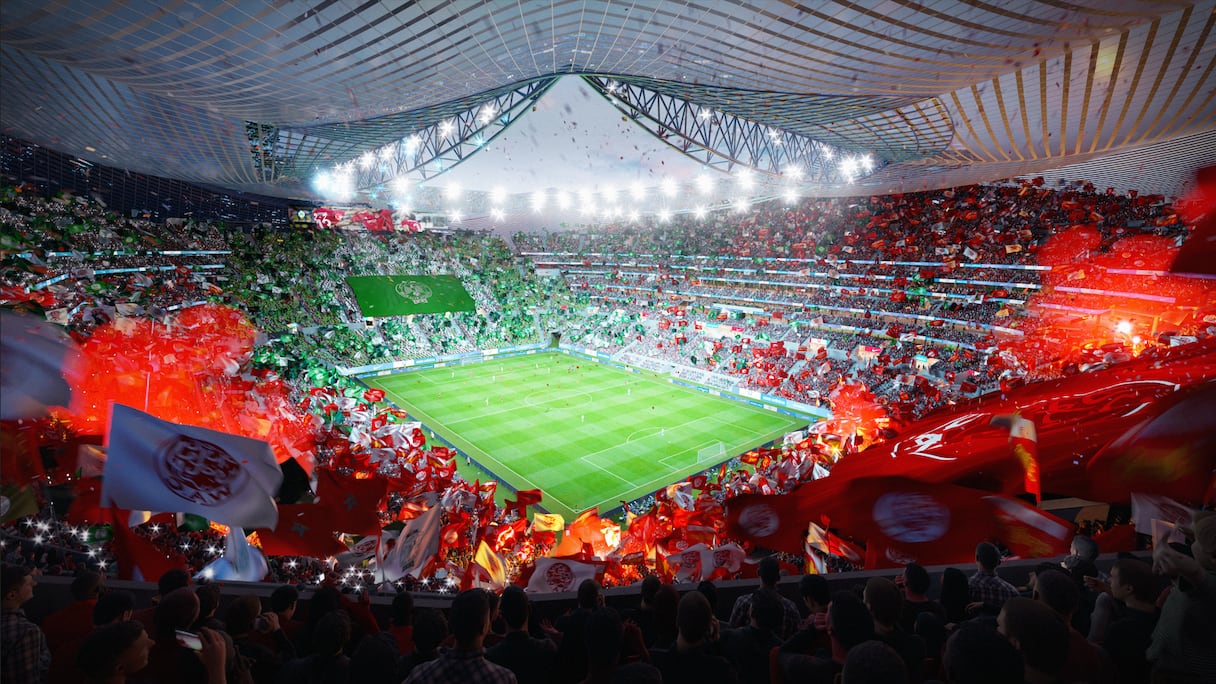
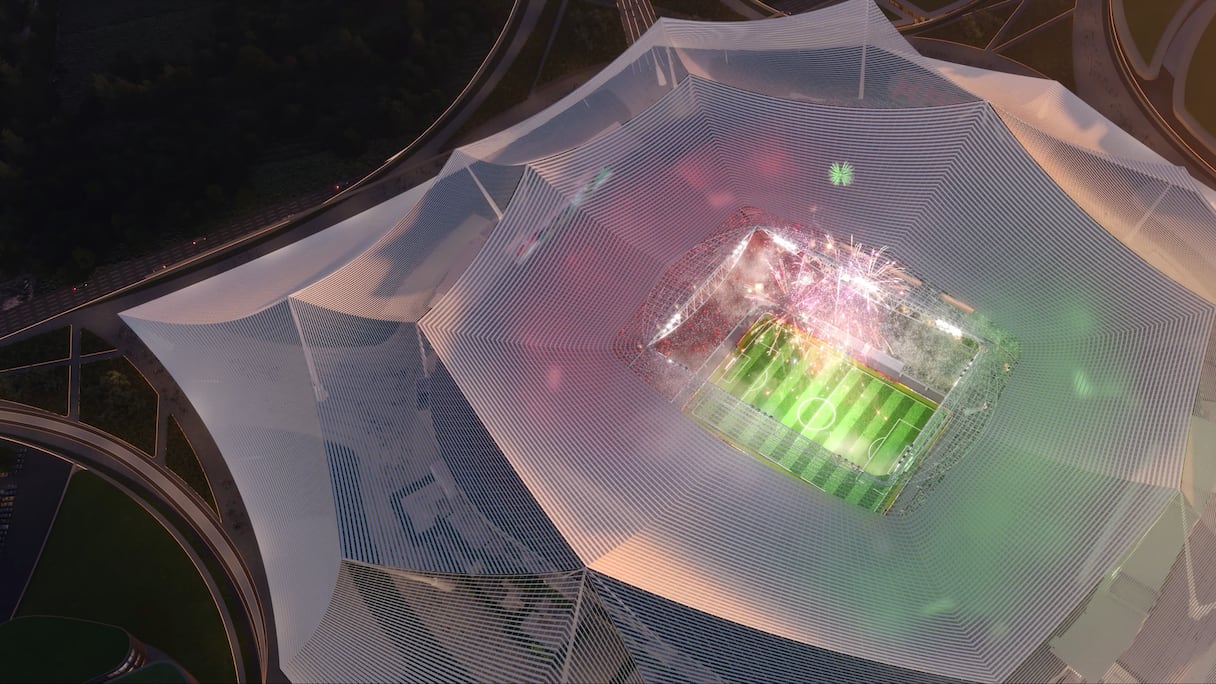
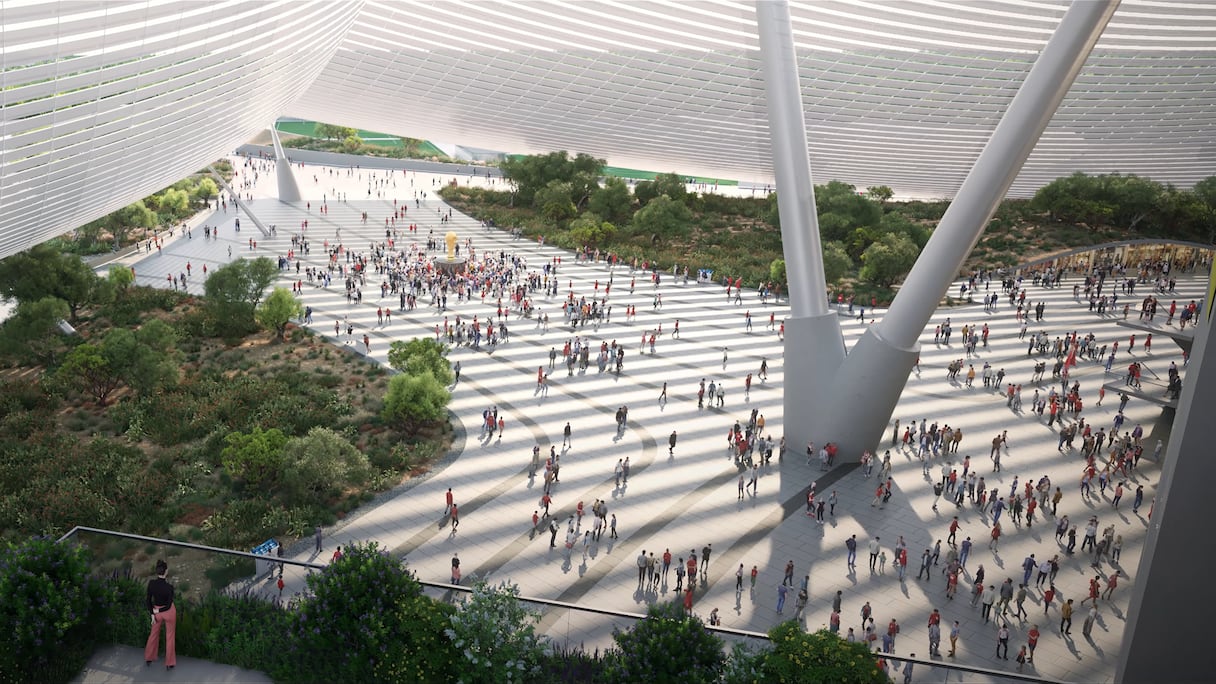

Spain obviously has considerable strengths. However, its organization is divided among the football federation, the central government, municipalities, autonomous communities, and the clubs that own the major stadiums. Everyone wants the World Cup to succeed. However, that does not necessarily mean that everyone wants the same thing.
Morocco has a more centralized structure around its major projects and the Morocco 2030 Foundation. This guarantees nothing for Casablanca, but it makes its bid easier to understand and coordinate.
Casablanca wants the match. In Spain, the priority is ensuring it does not go to Casablanca. Only then will the question of which city will host the event be settled: Madrid or Barcelona.
Casablanca’s growing presence in the race has prompted some in the Spanish press to refer to a supposed “Moroccan lobby.” But what is Madrid doing when it campaigns for the Bernabéu? What is Barcelona doing when it pushes for Camp Nou?
They are doing exactly what Casablanca is doing: defending their interests.
Read also : 2030 World Cup: A campaign driven by fear
The ‘united front’ — but for how long?
Building the largest stadium in the world, modernizing infrastructure, and convincing FIFA are not lobbying activities unique to Morocco. Madrid and Barcelona do the same when they put forward their own arguments.
The difference lies mainly in the narrative. What Spain describes as sports diplomacy is more easily portrayed as an offensive when Morocco does it. This double standard reflects a new reality above all: Casablanca has become a credible contender.
For a long time, the final appeared to be a contest between Madrid and Barcelona. However, the Grand Stade Hassan II has disrupted that assumed hierarchy, turning what was once a Spanish duel into a genuine three-way race.
Madrid and Barcelona can therefore put their knives away for the time being. As long as Casablanca remains in the running, their one shared priority is keeping the final in Spain.
However, if FIFA were to eliminate Morocco from the running tomorrow, everything would change. Spain would finally have to answer the question it has carefully avoided: Madrid or Barcelona?
It would then become clear that, behind Spain’s unity in the face of Morocco’s ambitions, lies an older battle.
Spain has found its common “enemy.” However, it still has to determine who its real opponent is at home.
