After impressing throughout the tournament with the quality of their football and consistent performances, Mohamed Ouahbi’s side finally met their match against a disciplined, clinical French team that made the most of its chances. The result confirmed Les Bleus as one of the favorites to lift the World Cup.
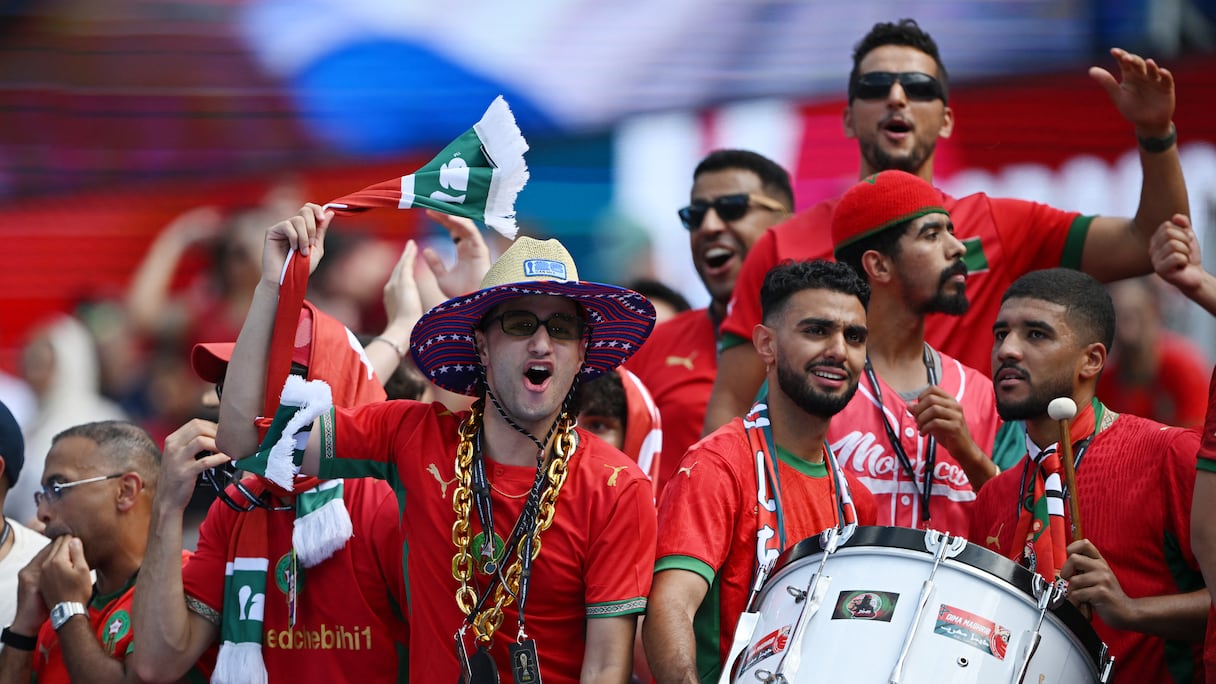
In front of a packed Gillette Stadium, where supporters from both nations created a vibrant atmosphere, Achraf Hakimi and his teammates battled Kylian Mbappé’s France in a quarter-final that lived up to expectations.
The match had all the ingredients of a closely contested encounter, and neither side found it easy.
Changes on both sides
Ouahbi made three significant changes to his starting lineup. Noussair Mazraoui moved into central defense in place of Chadi Riad, while Anass Salah-Eddine started at left-back. Further forward, Chemsdine Talbi replaced the injured Ismael Saibari, who picked up an injury against Canada in the Round of 16.
France coach Didier Deschamps also made adjustments, with Manu Koné replacing Aurélien Tchouaméni in midfield and Désiré Doué starting on the left wing instead of Bradley Barcola. The rest of the lineup remained unchanged.
The match got underway in ideal conditions, with fans from both countries setting the tone for an intense contest from the opening whistle.
Bounou keeps Morocco in the game
France made a fast start. Within the opening five minutes, Yassine Bounou was called into action twice, first to deny Kylian Mbappé and then Dayot Upamecano, immediately showing why he has been one of Morocco’s standout performers.
Les Bleus continued to dominate possession and press high up the pitch. Morocco attempted to build patiently from the back despite the relentless pressure but struggled to seriously test Mike Maignan during the first half.
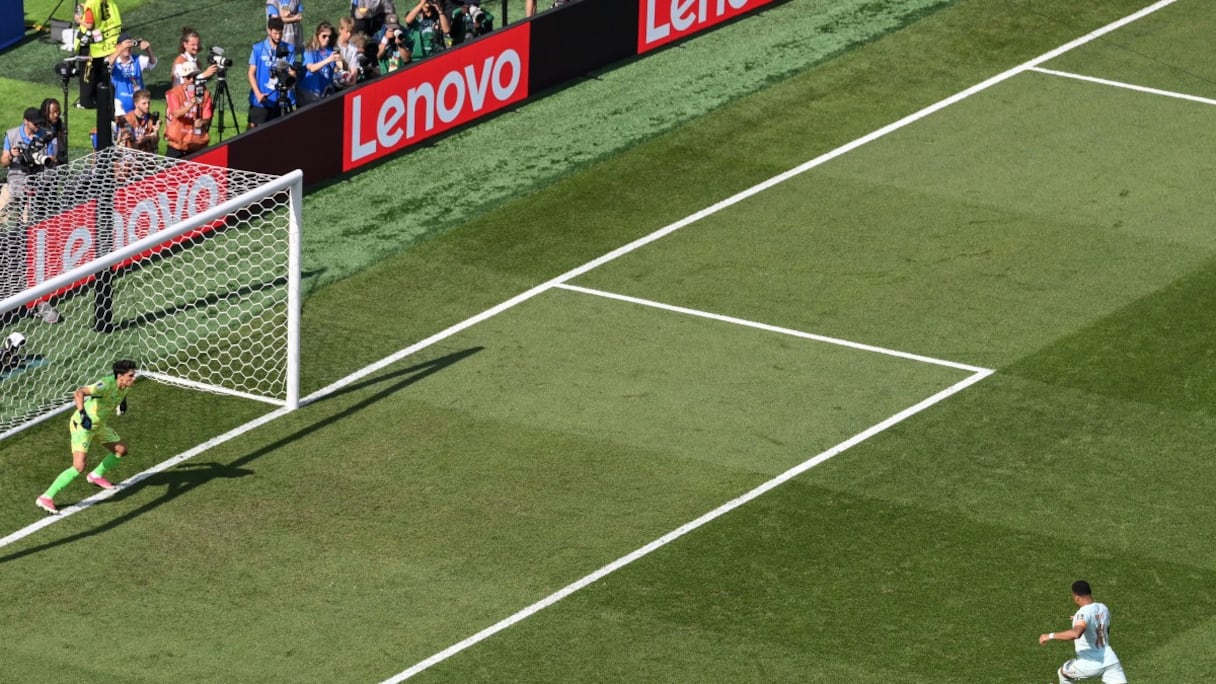
The game’s turning point came in the 26th minute. Désiré Doué raced through on goal before being brought down by Mazraoui inside the penalty area. The referee pointed straight to the spot, overlooking what Morocco believed was an earlier foul by Doué on Achraf Hakimi.
Bounou, however, came to Morocco’s rescue once again.
Guessing correctly, the Moroccan goalkeeper saved Mbappé’s penalty to keep his side in the contest. He continued his outstanding display by denying Doué in the 38th minute before rushing off his line to thwart Mbappé again moments later.
Despite France’s dominance and a string of chances, the two teams went into the break level at 0-0. France had enjoyed the better of the opening half, registering around 10 attempts, while Morocco failed to produce a shot on target.
Mbappé and Dembélé settle the contest
France returned after the interval with even greater intensity, determined to break the deadlock.
Bounou continued to produce crucial saves but was finally beaten in the 61st minute when Mbappé curled an unstoppable effort beyond his reach to give France the lead.
Immediately afterwards, Ouahbi sought to change the course of the match by introducing Sofyan Amrabat and Soufiane Rahimi in place of Ayyoub Bouaddi and Bilal El Khannouss.
The response Morocco hoped for never materialized.
Five minutes later, Ousmane Dembélé doubled France’s advantage with a low strike that Bounou managed to get a hand to but could not keep out.
Ouahbi then made his remaining substitutions, sending on Yassine Gessime for Brahim Diaz, Zakaria El Ouahdi for Anass Salah-Eddine, and Amine Sbai for Chemsdine Talbi.
Despite the changes and Morocco’s efforts until the final whistle, the Atlas Lions could not find a way back into the match. France managed the closing stages professionally and secured a 2-0 victory to book their place in the World Cup semi-finals.
Another milestone for Moroccan football
Morocco leave the North American World Cup with pride intact.
The only African and Arab nation to reach the quarter-finals, the Atlas Lions have no reason to be ashamed of their elimination by one of the world’s strongest teams.
The defeat will inevitably leave a sense of disappointment, bringing an end to the dreams of a remarkable generation that has embodied Morocco’s extraordinary rise since its historic run at the 2022 World Cup.
But this loss does not diminish the progress made.
The long-term project undertaken by Morocco to establish itself among world football’s elite is already producing results, and, with only a few exceptions, this squad is expected to remain together for the 2030 World Cup. Their story is far from over.
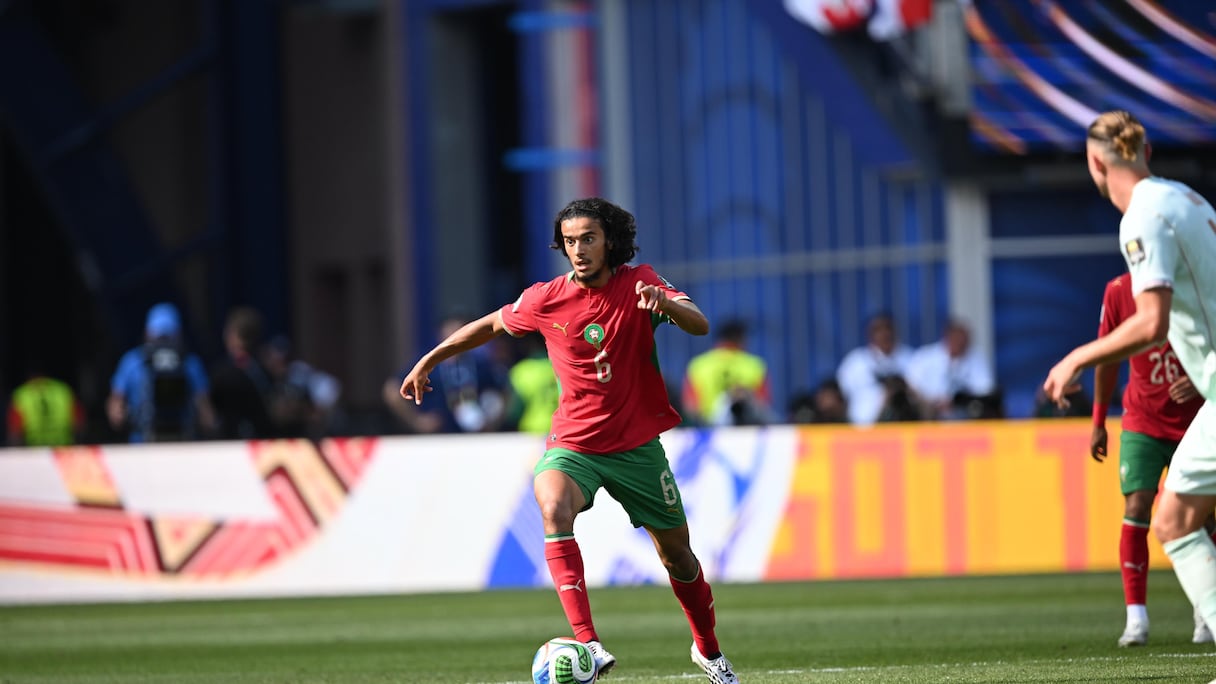
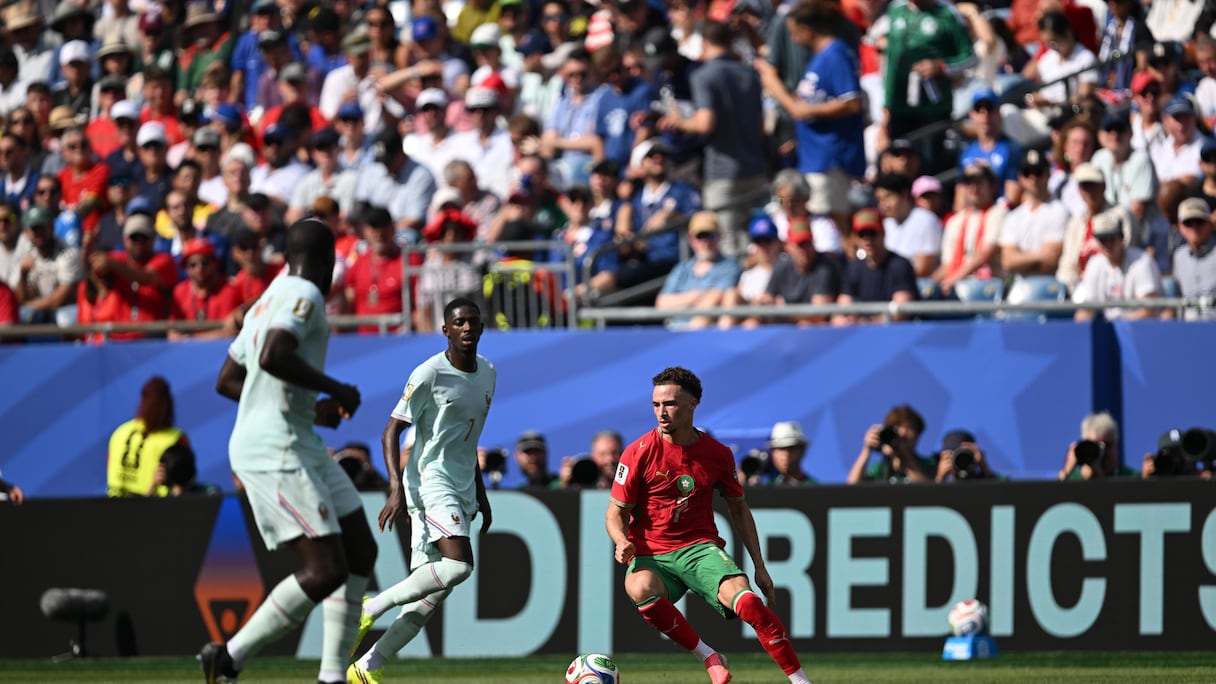
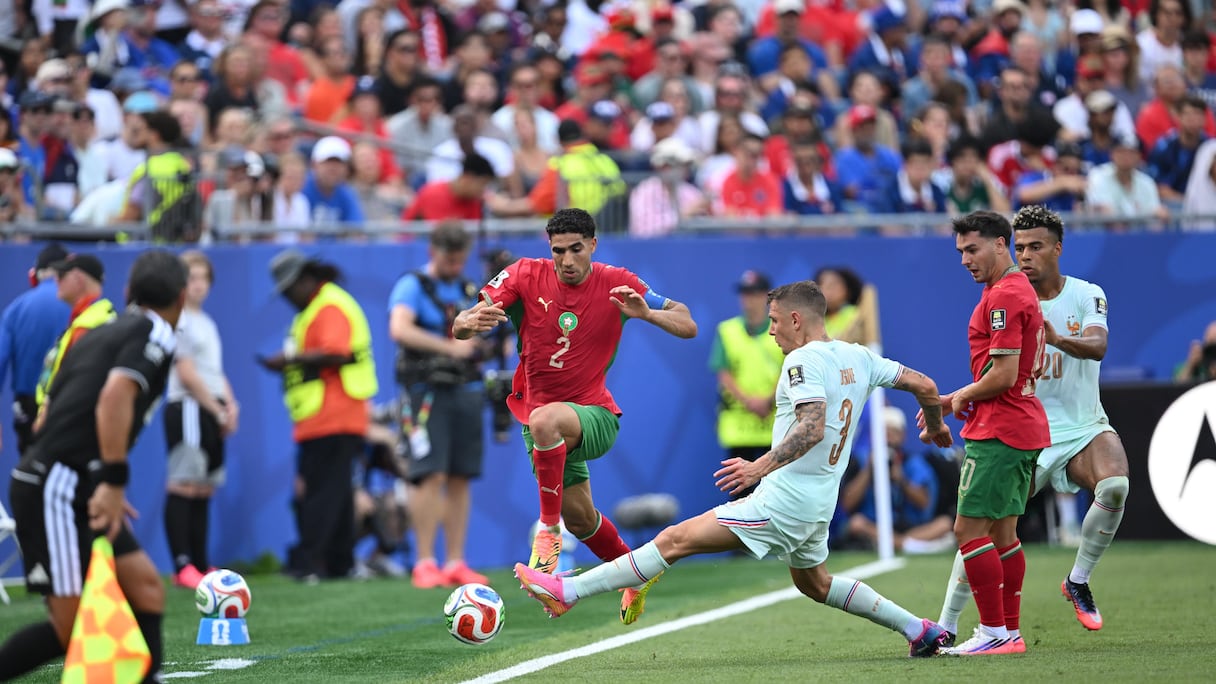
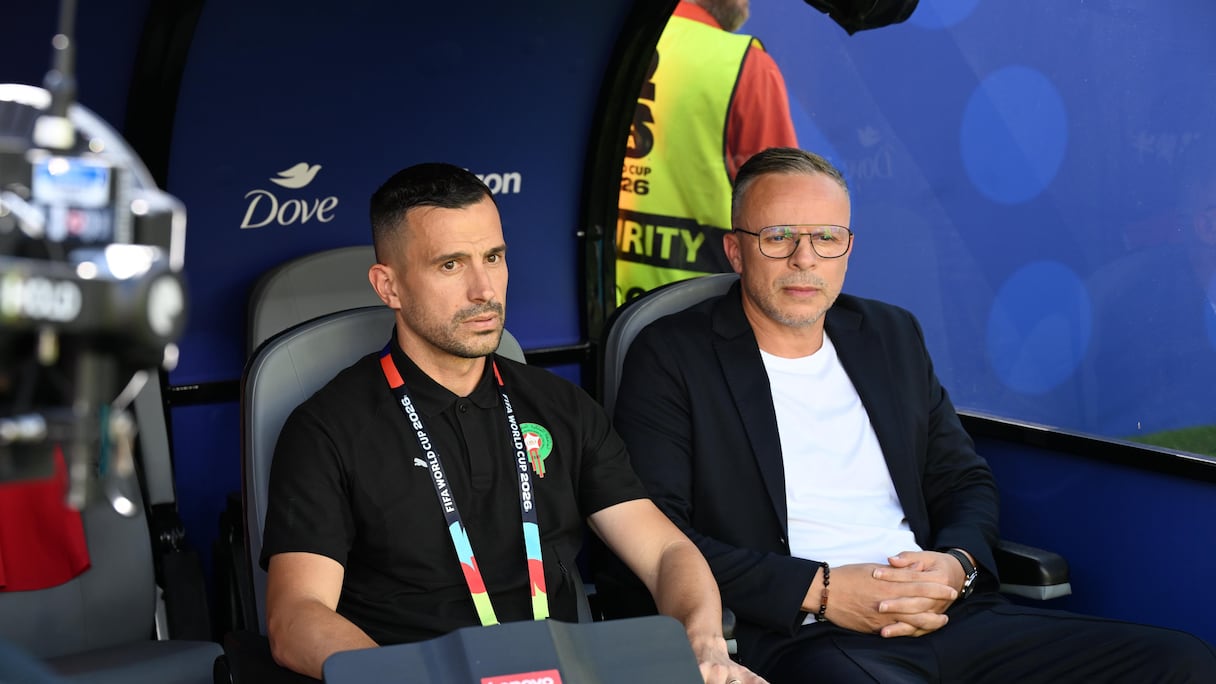
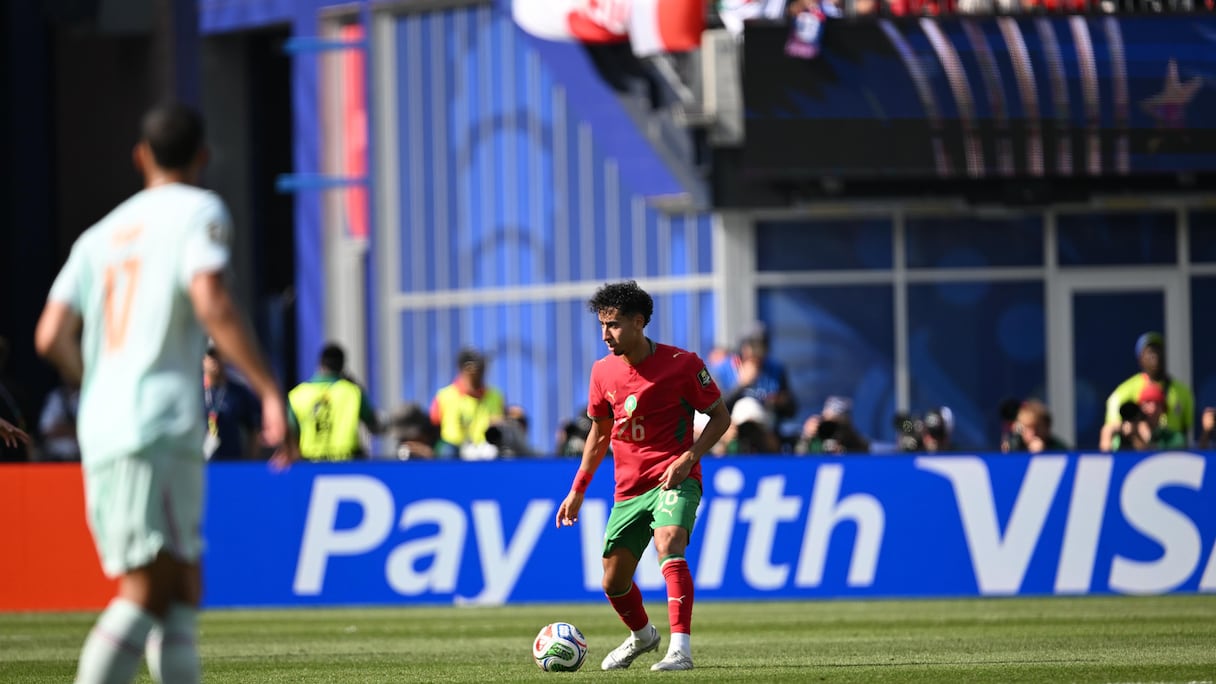
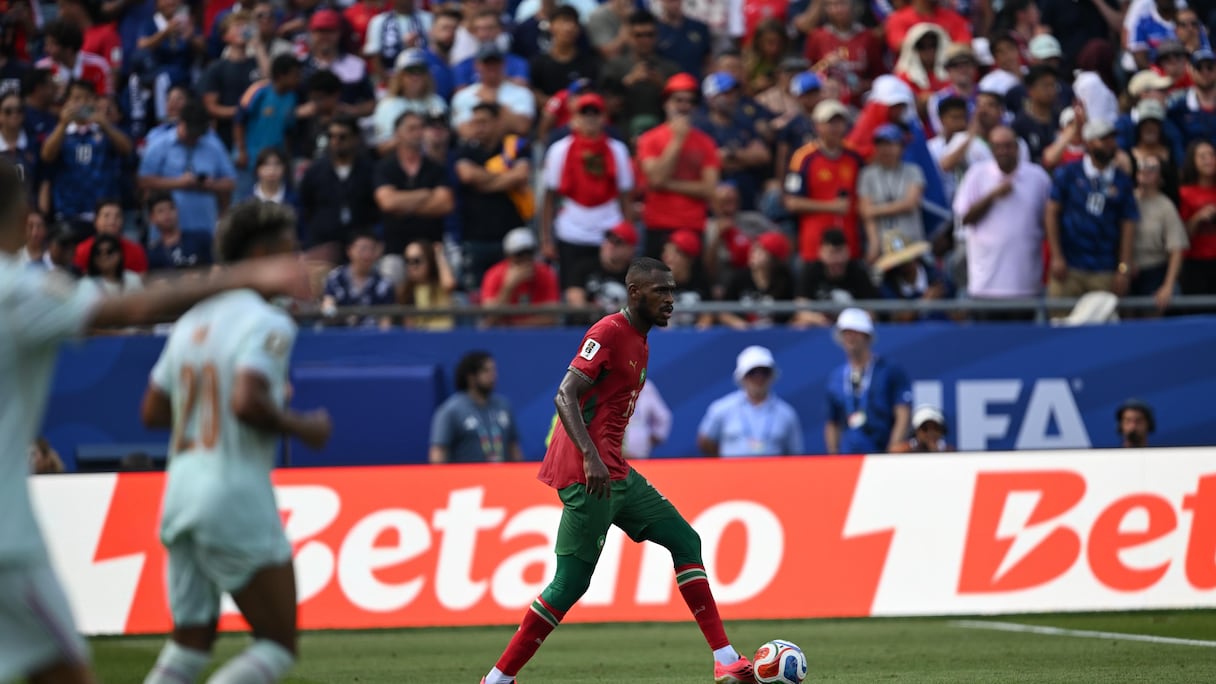
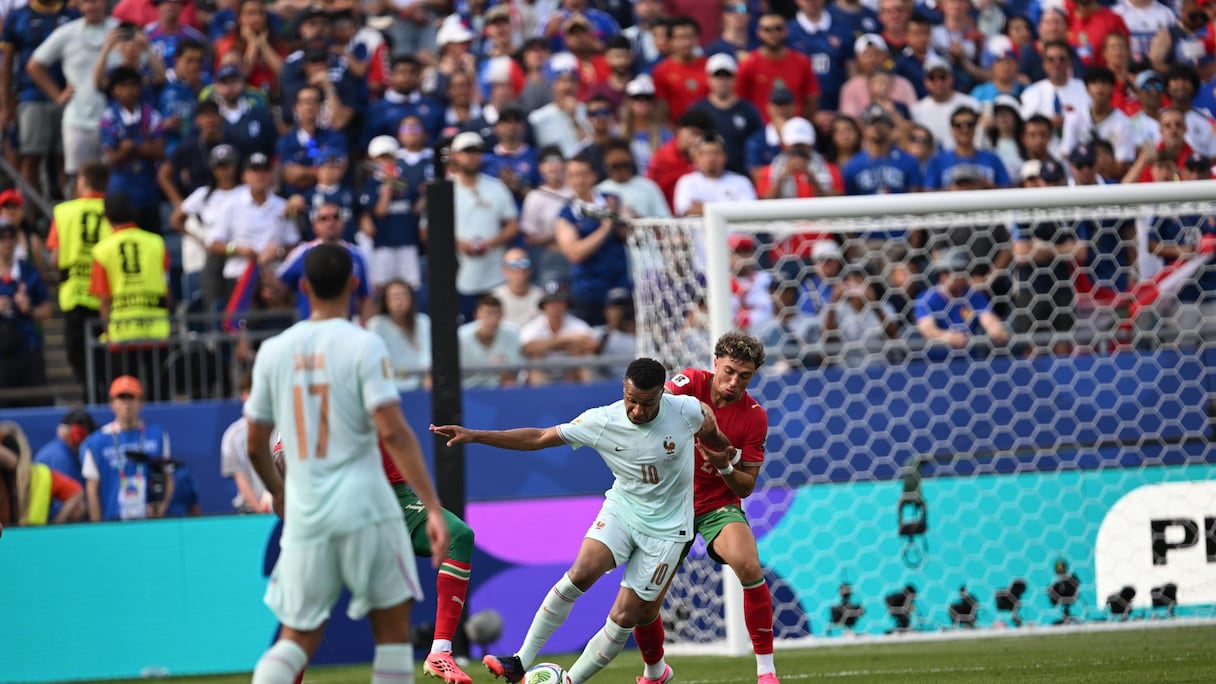
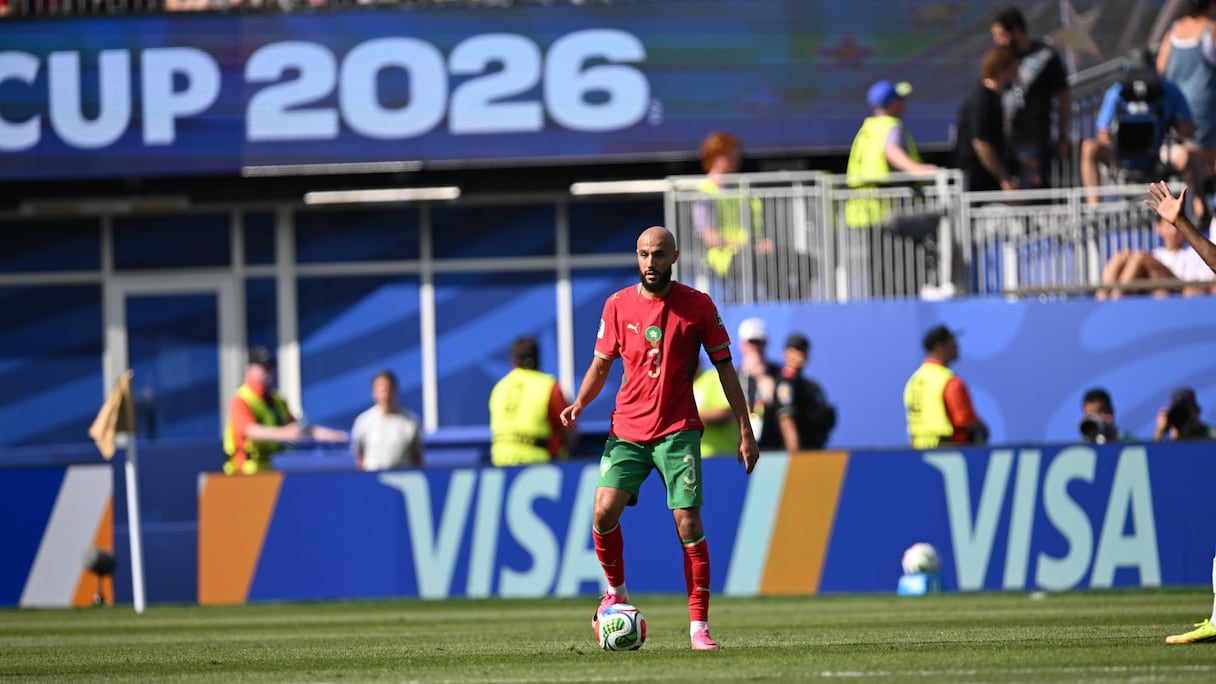
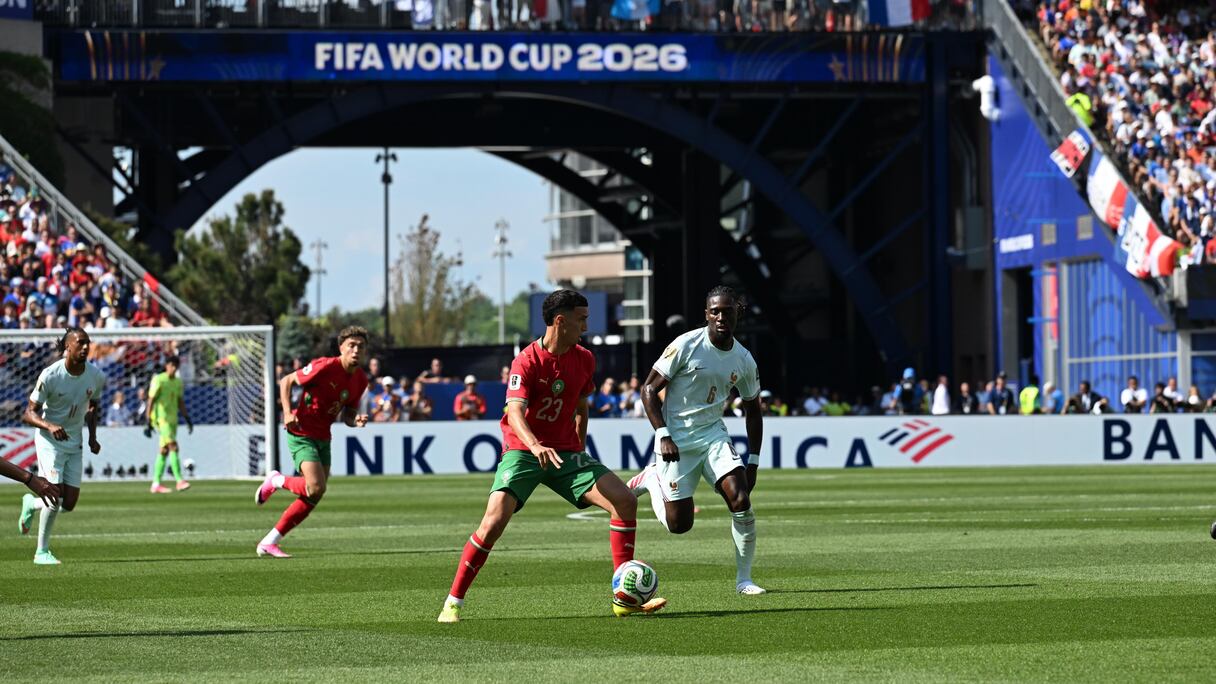
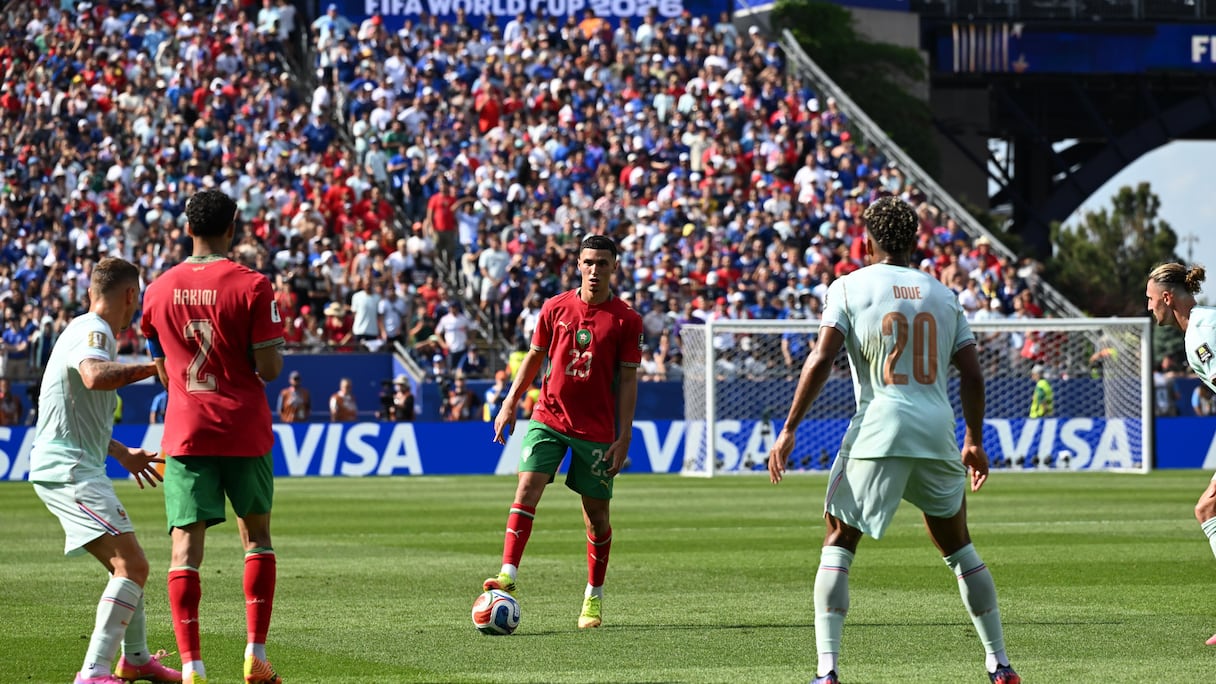
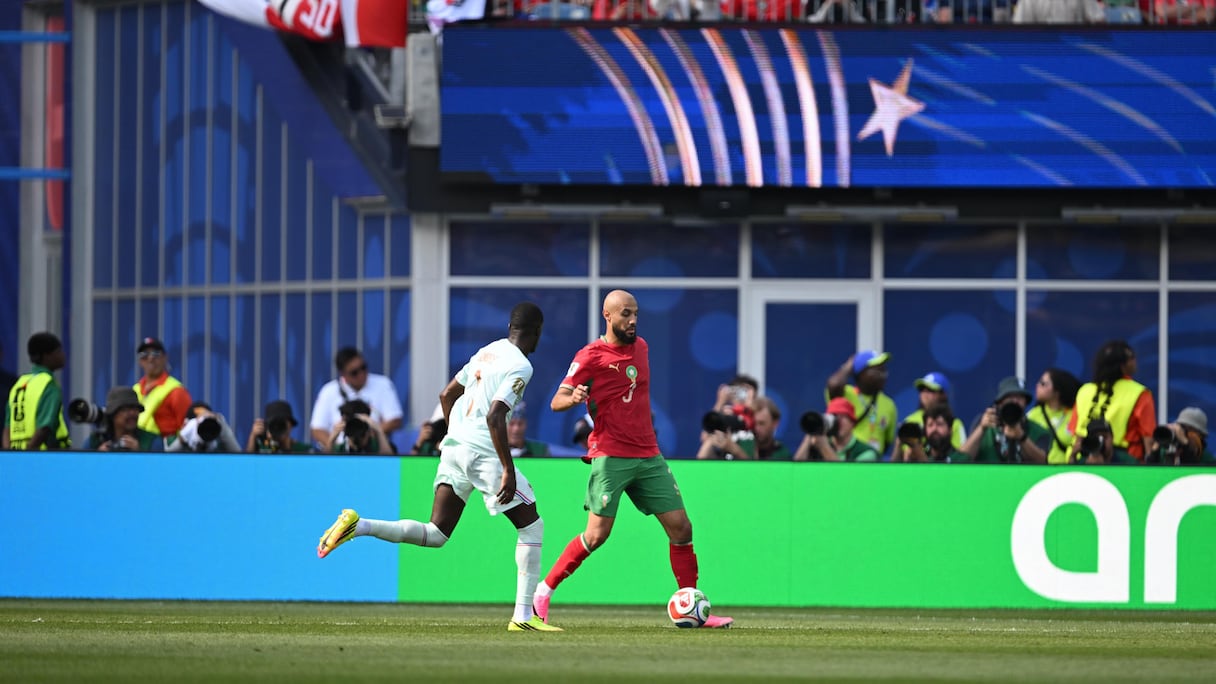
Ayyoub Bouaddi lors du match Maroc-France en quart de finale du Mondial 2026 disputé à Boston le jeudi 9 juin.
Moroccan supporters, both at home and abroad, recognized that achievement. Despite the disappointment, they continued to express pride in a team that delivered another memorable World Cup campaign and represented the country with distinction.
While every player and member of the coaching staff deserves recognition for the tournament, special praise goes to Mohamed Ouahbi.
Appointed head coach in March 2026 following Walid Regragui’s departure, Ouahbi has, in just a few months, built an ambitious, competitive, and respected team capable of standing toe-to-toe with the world’s best.