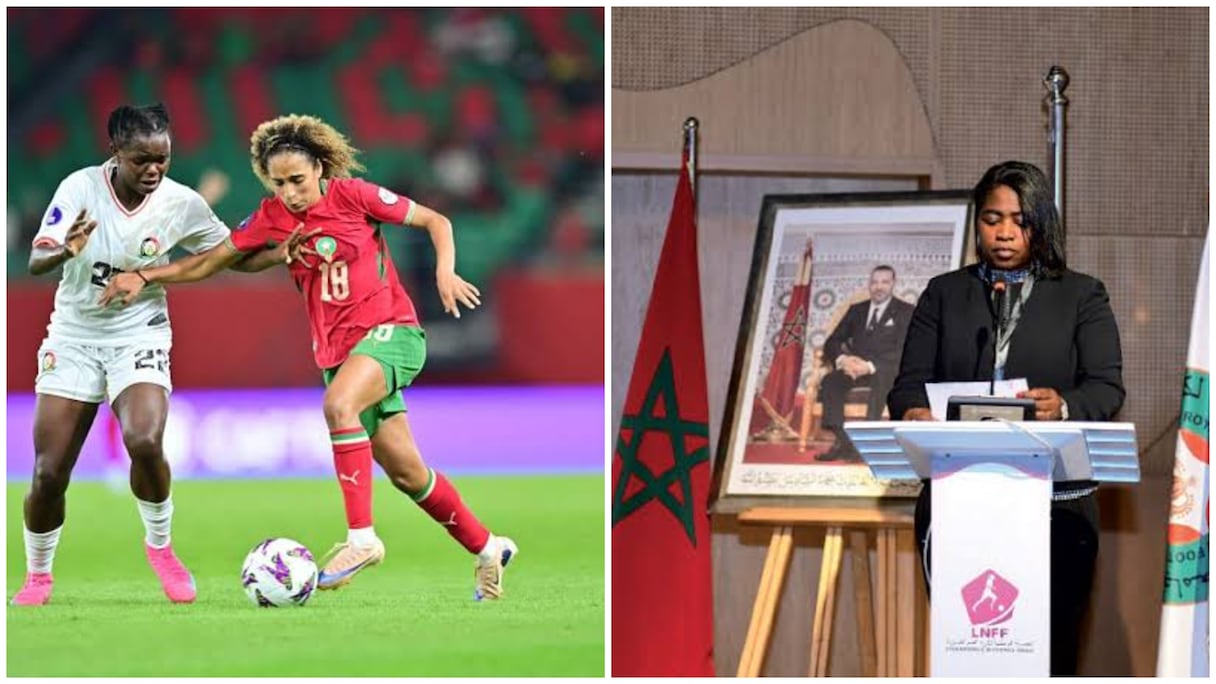
The Women’s AFCON has undergone significant expansion, growing from just eight national teams between its inaugural edition in 1998 and 2018, to 12 teams in 2022, and now 16 nations for the 2026 tournament, which Morocco will host for the third consecutive time. This represents a remarkable leap for women’s football in Africa in under three decades.
Since the 2024 edition, which was postponed to 2025 and also hosted by Morocco, the Women’s AFCON has achieved new levels of international visibility, with broadcasts reaching over 120 countries worldwide.
This rapid ascent reflects the overall progress of women’s football and the national teams involved. Morocco’s Atlas Lionesses, for instance, are now the fourth-highest ranked African team in the FIFA rankings (64th), trailing only Nigeria (36th), South Africa (57th), and Ghana (60th).
Read also : Atlas Lionesses thrash Kenya in Women’s AFCON opener
While rankings are dynamic, Morocco’s progress since 2022 has been particularly noteworthy. The team made history by qualifying for the 2023 FIFA Women’s World Cup, becoming the first North African side to reach the tournament’s round of 16. Earlier that year, the Lionesses also reached their first-ever Women’s AFCON final, ultimately losing 2-1 to South Africa’s Banyana Banyana.
The 2024 Women’s AFCON saw a similar narrative unfold. Under the leadership of Jorge Vilda, Morocco once again reached the final, only to fall 3-2 to Nigeria, despite holding a 2-0 lead until the hour mark. Although the continental title has remained elusive, the team’s swift rise in recent years underscores the growing strength of Moroccan women’s football.
For the 2026 edition, Vilda’s squad has already signaled its intentions with a commanding 4-0 opening victory over Kenya.
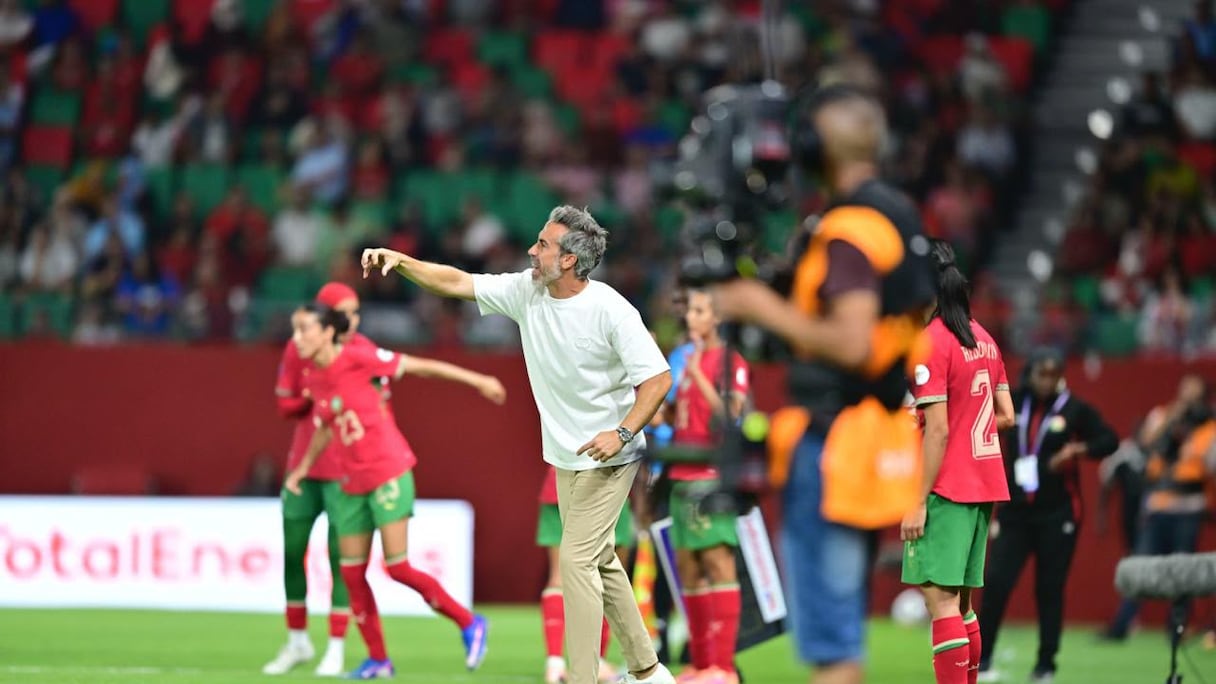
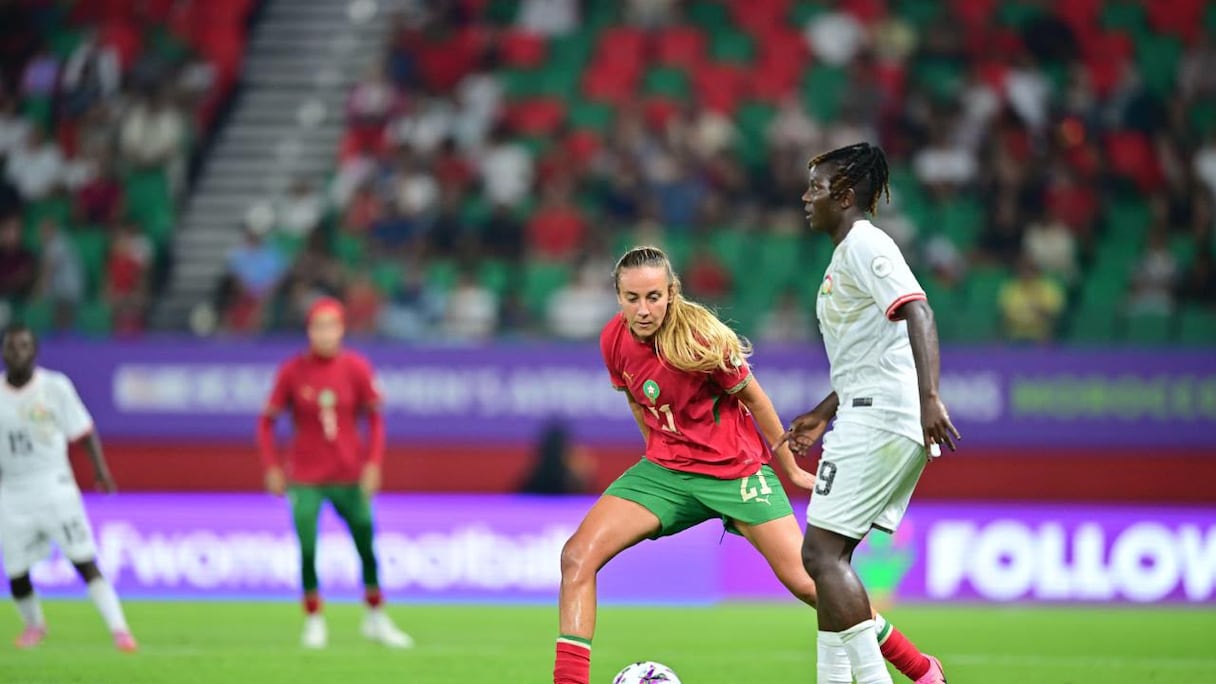
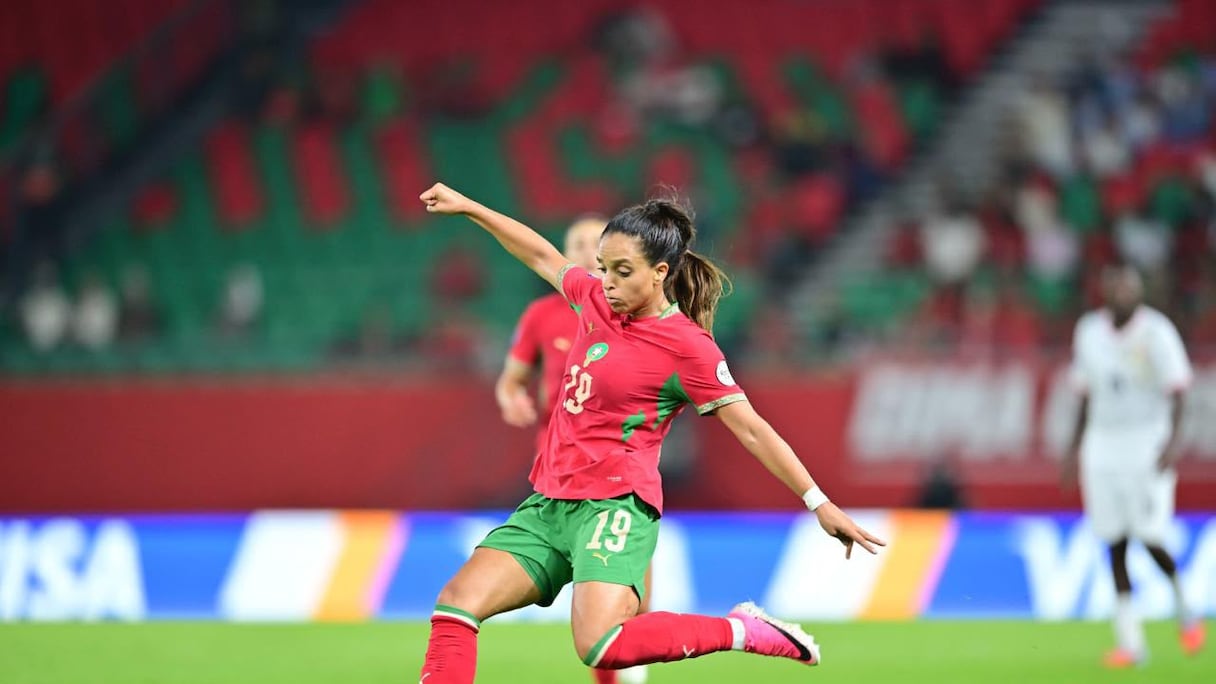
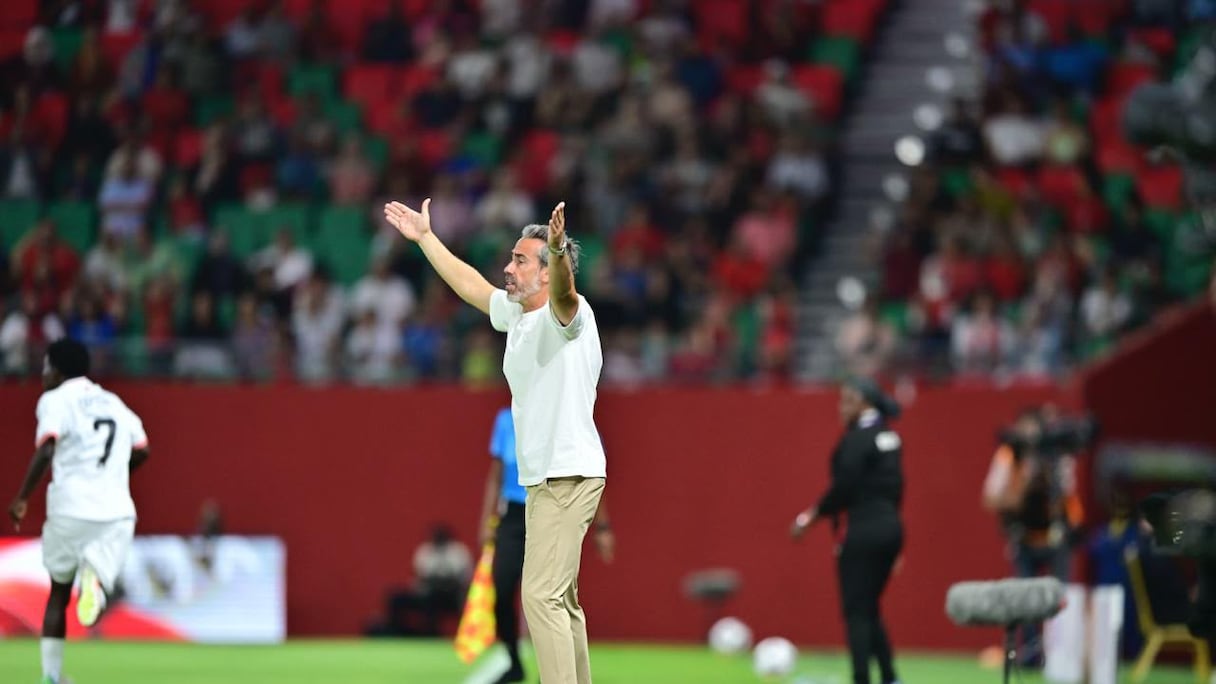
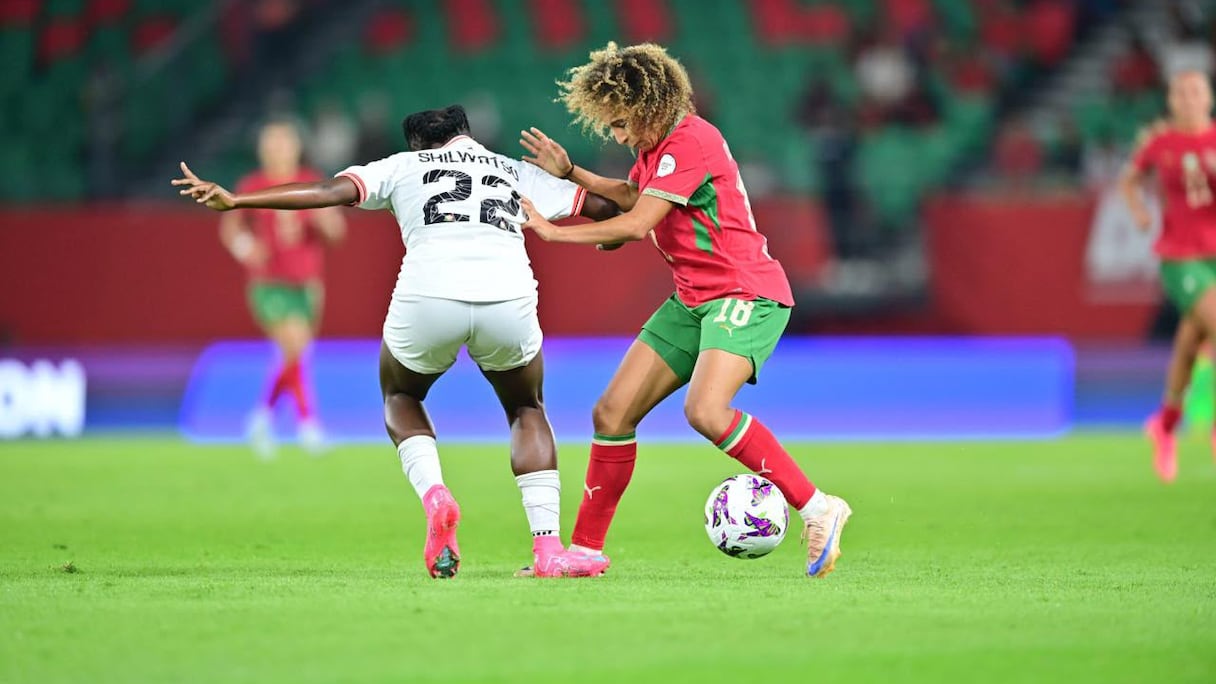
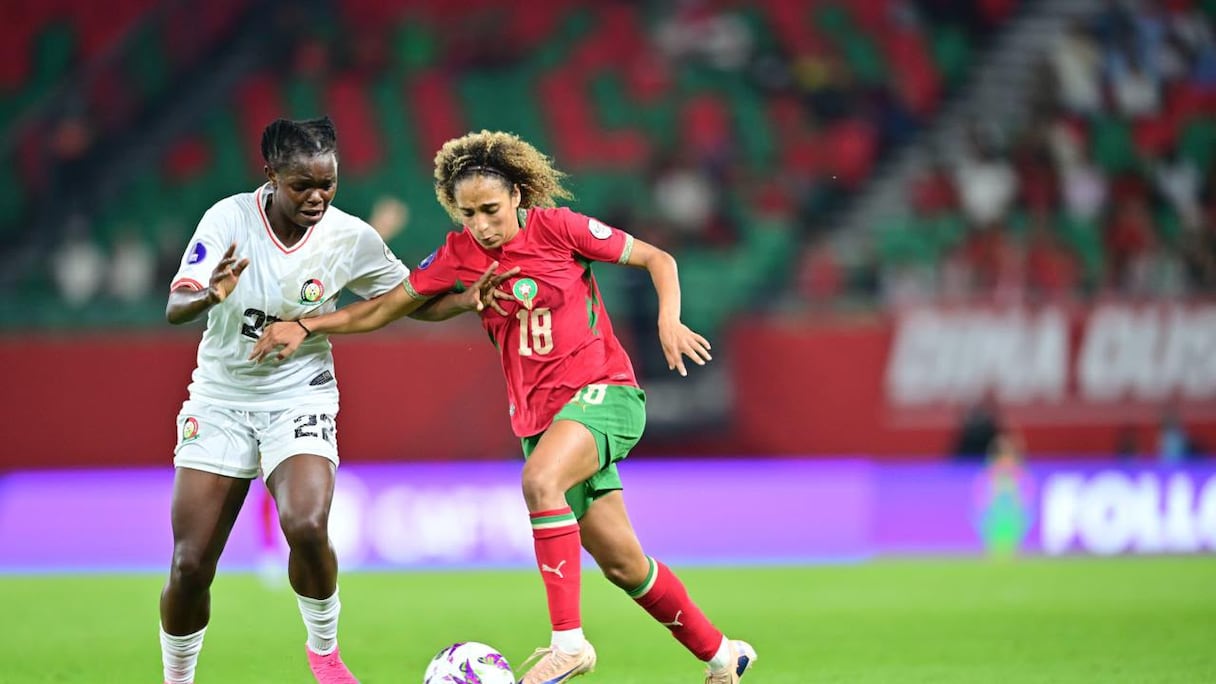
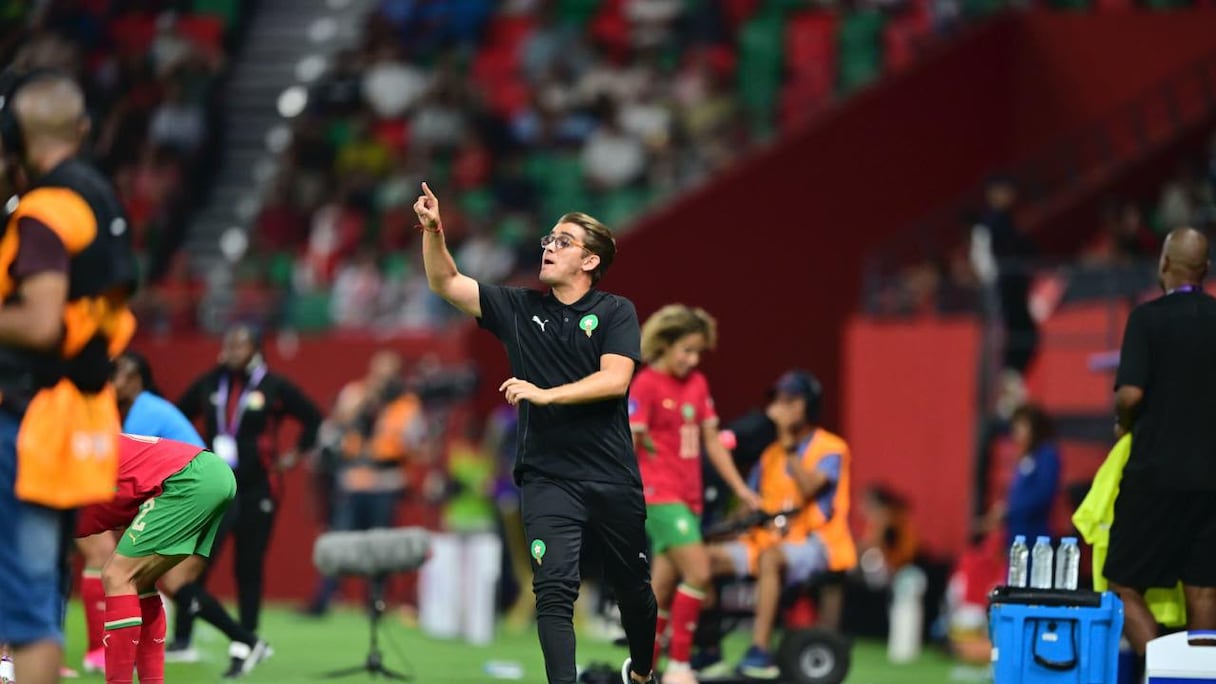
Atlas Lionesses.. DR
Determined to secure their first continental title on home soil, the Atlas Lionesses have assembled a squad that effectively blends youth and experience. Reigning African Women’s Player of the Year Ghizlane Chebbak and defender Hanane Aït El Haj, formerly of AS FAR and now with Deportivo Alavés in Spain, provide invaluable leadership for emerging talents such as forward Sakina Ouzraoui and 18-year-old Kautar Azraf, who plays for FC Barcelona’s reserve team.
With a mix of players developed domestically and others gaining crucial experience abroad, the Atlas Lionesses boast a squad that combines talents from the Botola with international exposure. This reflects the increasing importance of Morocco’s domestic league as a pathway to the national team, with AS FAR remaining the most represented club in the squad.
Khadija Illa, president of the National Women’s Football League (LNFF) and a key figure in the development of women’s football in Morocco, is confident that the Atlas Lionesses have what it takes to win the title. In her interview with Le360 Sport, she emphasized that the Women’s AFCON 2026 symbolizes the remarkable progress of women’s football, both within Morocco and across Africa.
Le360 Sport: With each edition of the Women’s Africa Cup of Nations, do you feel women’s football is reaching a new level, both on the sporting and media fronts?
Khadija Illa: Absolutely. The technical and tactical level improves with every edition. We’ve also seen significant progress in the tournament’s organization, with its format gradually expanding and more national teams participating. Public interest has grown considerably as well. In the past, matches were mostly attended through invitations or free access, whereas today tickets are sold online, reflecting genuine demand from supporters. Media coverage has also increased significantly. All of this shows that African women’s football is moving in a very positive direction.
This edition marks the expansion from 12 to 16 teams. Is that a sign that women’s football in Africa continues to grow? What does such an expansion bring to the competition?
It is a strong indication of the progress women’s football has made across Africa. Expanding to 16 teams gives more national sides the opportunity to compete at the highest continental level, gain valuable experience, and play more matches.
It also extends the tournament’s duration, giving supporters more opportunities to discover and follow the different African national teams.
For the players, it is a chance to test themselves against a wider variety of opponents, gain experience, and showcase their abilities. Ultimately, the expansion makes the tournament more competitive, more attractive, and more representative of the potential of women’s football across the continent.
Since the start of the tournament, has any team particularly surprised or impressed you on the pitch?
Several teams have confirmed the progress they have made in recent years, while others have exceeded expectations.
Some of the pre-tournament favorites have struggled more than anticipated, while teams such as Malawi, in their opening match against Nigeria, produced a particularly impressive performance.
That reflects an important shift in African women’s football: the gap between national teams is narrowing, the overall standard is rising, and every match is becoming increasingly competitive.
Morocco is hosting the Women’s AFCON for the third consecutive time. What does CAF’s decision say about the Kingdom’s ambitions for developing women’s football?
Morocco’s selection to host the Women’s AFCON for a third consecutive edition underscores CAF’s confidence in the country’s organizational capabilities and its long-term vision for developing women’s football.
This decision recognizes the considerable efforts made in recent years, particularly in infrastructure, competition structure, and grassroots development. Regularly hosting a tournament of this scale also elevates the profile of women’s football, encourages more young girls to participate, and leaves a lasting legacy for clubs, players, and the entire Moroccan women’s football ecosystem.
What impact can a tournament like the Women’s AFCON have on Morocco’s women’s league?
The Women’s AFCON serves as an excellent showcase for the domestic league. This edition provides a perfect example, with 21 players from our championship participating in the tournament, including 12 Morocco internationals.
This demonstrates that the women’s league is now capable of developing players who can compete at the highest continental level.
This visibility strengthens the league’s credibility, highlights the work being done by clubs, and can encourage more young girls to play football, while attracting new partners and advancing the professionalization of the women’s game.
Morocco’s national team includes players from the domestic league as well as those playing abroad. Do you see that balance as one of the team’s strengths?
Yes, I believe it is a real strength. Players competing in the domestic league have a strong understanding of African football, which is often characterized by physical intensity, commitment, and competitiveness. They also provide continuity to the work carried out at the national level and contribute to the team’s cohesion.
At the same time, players based abroad bring valuable experience gained in leagues with different styles of play and higher levels of competition. This complementarity gives the national team a more balanced, more competitive squad capable of adapting to different types of opponents.
The Atlas Lionesses have reached the final twice and are among the favorites for this tournament. How do you assess their start, and do you believe they have what it takes to win the title?
The Atlas Lionesses have made a positive start overall. The team has shown strong collective qualities, good control of matches, and a real ability to manage different phases of play.
Their ambitions are fully justified, but in a tournament of this level, every match presents its own challenges. Morocco has the technical, tactical, and mental qualities needed to compete for the title, provided the team maintains the same level of commitment, focus, and consistency throughout the tournament.
Before thinking about another final, Morocco faces Algeria (Thursday, July 30), who also won their opening match convincingly. Encounters like this are always exciting. What will be Morocco’s strengths going into the game?
First and foremost, it is a match between two national teams that have both made significant progress in recent years. It will be a high-level contest decided by fine margins.
Morocco will need to rely on the quality of its collective play, tactical discipline, control of the game, and the support of its home crowd. The objective is to approach the match with composure, confidence, and full concentration in order to maximize the team’s chances of success.
Read also : WAFCON: Atlas Lionesses beat Algeria to close in on WAFCON quarterfinals
What are the LNFF’s main priorities to ensure the domestic league continues to professionalize and produces more international players?
The LNFF’s priorities are to continue strengthening the domestic league and supporting clubs in their development, both in the professional championships and in the amateur competitions, as well as in futsal.
Significant work is also being carried out in youth competitions, particularly the U19 and U16 leagues, which represent an important talent pipeline for both clubs and the national teams.
The objective is to ensure continuity in player development, offering a clear pathway from youth football to the highest level, while making the domestic league increasingly attractive so that the country’s best players choose to compete in it. The stronger our league becomes, the greater its contribution to the development of women’s football in Morocco.
