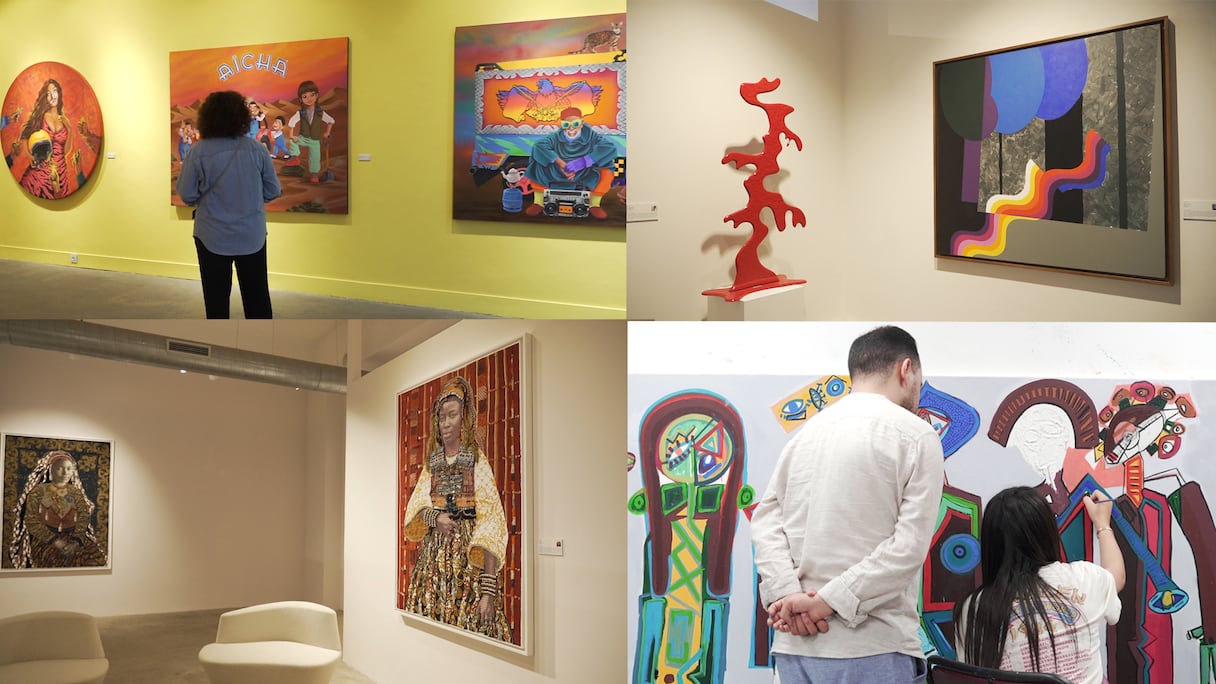
This momentum, which is enriching the city’s cultural landscape, is reflected in particular in the opening this summer of the Museum of Photography and Visual Arts and, last year, the Museum of Memory in Casablanca. Both spaces strengthen the economic capital’s position as a cultural destination.
The Museum of Photography and Visual Arts, designed by renowned Japanese architect Tadao Ando, is his only project on the African continent. Located in the heart of Casablanca’s old medina, the museum’s contemporary architecture blends harmoniously with the area’s historic fabric.
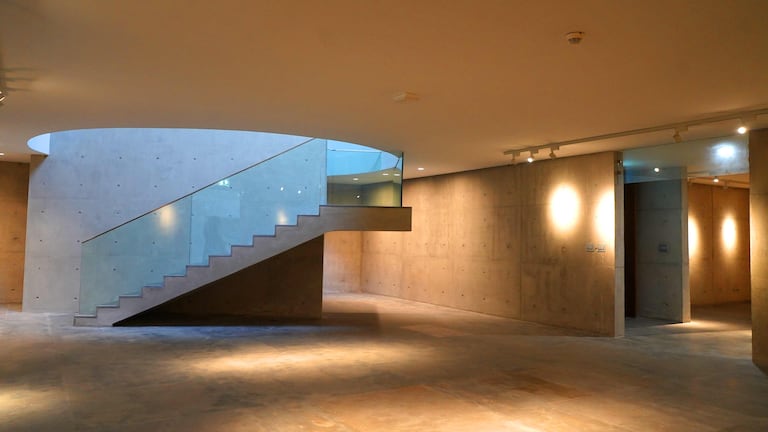
Management of the space was entrusted to the National Museums Foundation under a partnership agreement signed in January 2026. The open and inclusive museum will host exhibitions, conferences, meetings and artistic events. It also aims to improve access to art and culture, particularly among young people, while contributing to the cultural influence of Casablanca and Morocco.
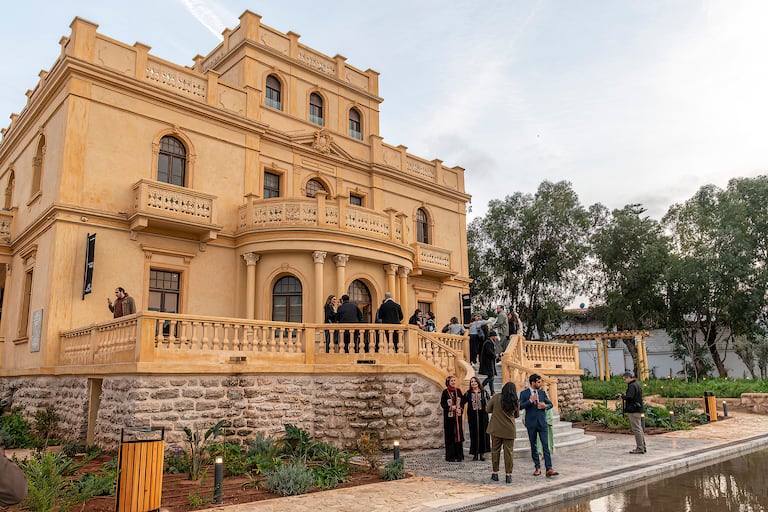
Among the latest additions to the city’s museum landscape is the transformation of Villa Carl Ficke into the Museum of Memory in Casablanca, creating a space dedicated to preserving and promoting the city’s history and heritage.
Built at the beginning of the 20th century by German merchant Carl Ficke, the villa now hosts temporary exhibitions and cultural events. The museum experience extends into its outdoor courtyard, where artworks and green spaces turn the site into a genuine open-air museum, bringing together memory, artistic creativity and openness to the city.
The project is the result of a partnership between the National Museums Foundation, the Ministry of Youth, Culture and Communication, the Casablanca Municipality and the Mers Sultan district, with the support of the Casablanca-Settat regional governorate and Regional Council. It reflects a commitment to strengthening the city’s cultural appeal.
In this context, Mehdi Qotbi, president of the National Museums Foundation, believes Casablanca occupies a distinctive place in the momentum driving museum development across Morocco.
“Casablanca, Morocco’s economic capital, a crossroads of exchange and a city in constant transformation, is also an exceptional space for creativity and artistic expression,” Qotbi told MAP, highlighting how its dynamism, history, diversity and openness to the world make it “a privileged setting for hosting major cultural projects.”
He explained that it was with this in mind that the Foundation launched several major projects, including the Museum of Memory in Casablanca and the Museum of Photography and Visual Arts, which were designed to serve as “genuine spaces for meeting and dialogue,” open to the city, its old medina, its residents and its youth.
He added that these institutions aim to foster dialogue between heritage and contemporary creativity, and between memory and innovation, while making culture accessible to everyone.
“Our ambition is to make Casablanca a major cultural destination at the African, Mediterranean and international levels,” the president of the National Museums Foundation said, adding that the city has all the assets needed to become “a true capital of photography.”
Read also : New Museum in Fez explores centuries of Moroccan history through currency
Alongside these projects, Casablanca is home to institutions that have for years worked to preserve the various components of Moroccan heritage and pass them on to younger generations.
In the Habous district, Dar Al Ala is more than simply a museum displaying Andalusian musical instruments. It takes visitors on a journey through the history of this ancient art form, which is deeply rooted in Moroccan culture.
Located in an old house that was restored and converted into a museum in 2010 at the initiative of the Association of Andalusian Music Lovers, Dar Al Ala houses a collection of historic musical instruments and manuscripts of significant historical value.
The collection was assembled over decades, since the association was founded in 1958, through musical instruments donated by several pioneers of Andalusian music or acquired over the years. The idea of bringing together and displaying this heritage in a museum gradually took shape.
Another prominent institution in the city is the Museum of Moroccan Jewish Cultural Heritage, located in the Oasis district. Since its establishment in 1997, it has reflected efforts to preserve Moroccan Hebrew heritage and, more broadly, the various components of the nation’s collective memory.
The museum houses a rich collection including traditional clothing, jewelry and wedding dresses from different regions of Morocco, as well as manuscripts, historical documents and tools related to professions once practiced by Moroccan Jews, in addition to extensive musical and film archives.
Visitors can also discover aspects of Morocco’s Jewish musical heritage through recordings by some of its most prominent figures, including Salim Halali, Sami Elmaghribi and Zohra El Fassia.
Created and managed by the Foundation for Moroccan Jewish Cultural Heritage, the museum documents the professional, family, cultural and religious lives of Moroccan Jews. It also serves as a space for passing on the values of coexistence and tolerance that have marked Morocco’s history.
The diversification of the cultural offering also involves promoting archaeological sites. In this regard, the Sidi Abderrahman Archaeological Park, which opened to the public around a year ago, enriches Casablanca’s heritage landscape by offering visitors the opportunity to discover one of Morocco’s important prehistoric sites.
Read also : New Museum in Fez explores centuries of Moroccan history through currency
The opening of the park marks a new stage in promoting this heritage and provides history enthusiasts, young people and the wider public with a space for learning, discovery and the transmission of knowledge.
Thus, from prehistoric heritage to contemporary photography, through urban memory, Andalusian music and Moroccan Jewish heritage, these different spaces are shaping an increasingly diverse cultural landscape, in which museums are intended not only as places of preservation and conservation, but also as spaces for discovery, knowledge-sharing and dialogue, open to the city and its residents.