Africa’s biggest airlines are accelerating fleet expansion as passenger demand rises and carriers position themselves for greater competition in an increasingly connected continental aviation market.
The scale of that expansion could be considerable. African airlines are expected to take delivery of more than 1,200 new aircraft between 2025 and 2044, according to Boeing’s updated Commercial Market Outlook, published in December 2025. The continent’s commercial airline fleet is projected to reach 1,680 aircraft by 2044, more than doubling over two decades.
The push is not simply about adding capacity. Airlines are also replacing older aircraft with newer, more fuel-efficient models, while governments backing many of the continent’s flag carriers see aviation as a driver of tourism, trade, logistics and employment.
Demand for air travel in Africa is expected to grow by 6% between 2025 and 2044. Demographic growth, urbanization, tourism, an expanding middle class and improved connectivity under the Single African Air Transport Market are among the forces expected to sustain that expansion.
Larger fleets could also have an impact beyond the airlines themselves. More aircraft create demand for pilots, cabin crew and technicians, while encouraging investment in maintenance, repair and overhaul facilities that could help develop a broader African aviation industry.
There is, however, a major constraint. Airbus and Boeing are struggling with large global order backlogs as airlines and aircraft lessors compete for delivery slots.
Africa’s biggest carriers have partly navigated that shortage through longstanding relationships with manufacturers and greater use of long-term aircraft leasing.
Based on Planespotters data covering aircraft currently in service and operated by the airlines themselves, excluding aircraft belonging to subsidiaries, the ranking shows substantial changes among Africa’s largest fleets over the past year.
Ethiopian Airlines remains far ahead
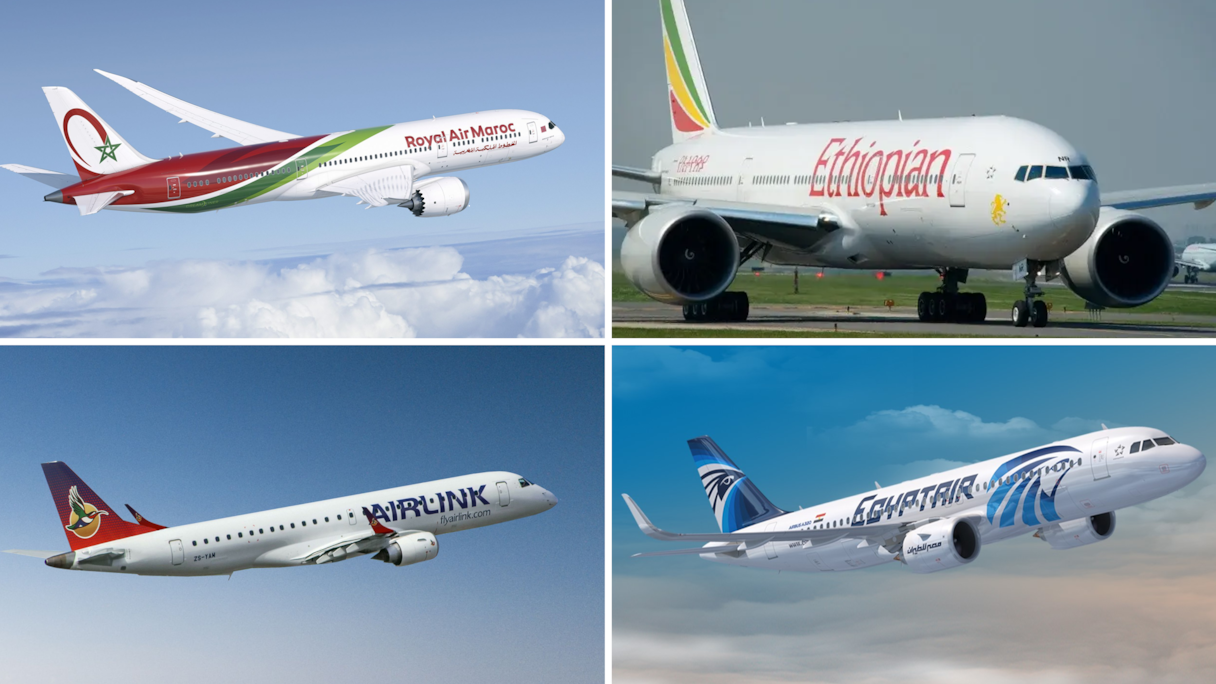
Ethiopian Airlines retains a commanding lead with 163 aircraft in service, up from 144 a year earlier. That represents growth of 13.2%, with another four aircraft in the process of joining the fleet.
The Addis Ababa-based carrier also operates one of the youngest major fleets in Africa, with an average aircraft age of 9.4 years.
Its ambitions extend considerably further. Under its Vision 2040 development strategy, Ethiopian aims to become one of the world’s 20 largest airlines, generating $29 billion in revenue and carrying 64 million passengers annually.
For comparison, the airline generated $7.6 billion in revenue and carried 19 million passengers in the 2024-2025 financial year. It also aims to increase annual cargo volumes from 754,000 tonnes to 1.9 million tonnes.
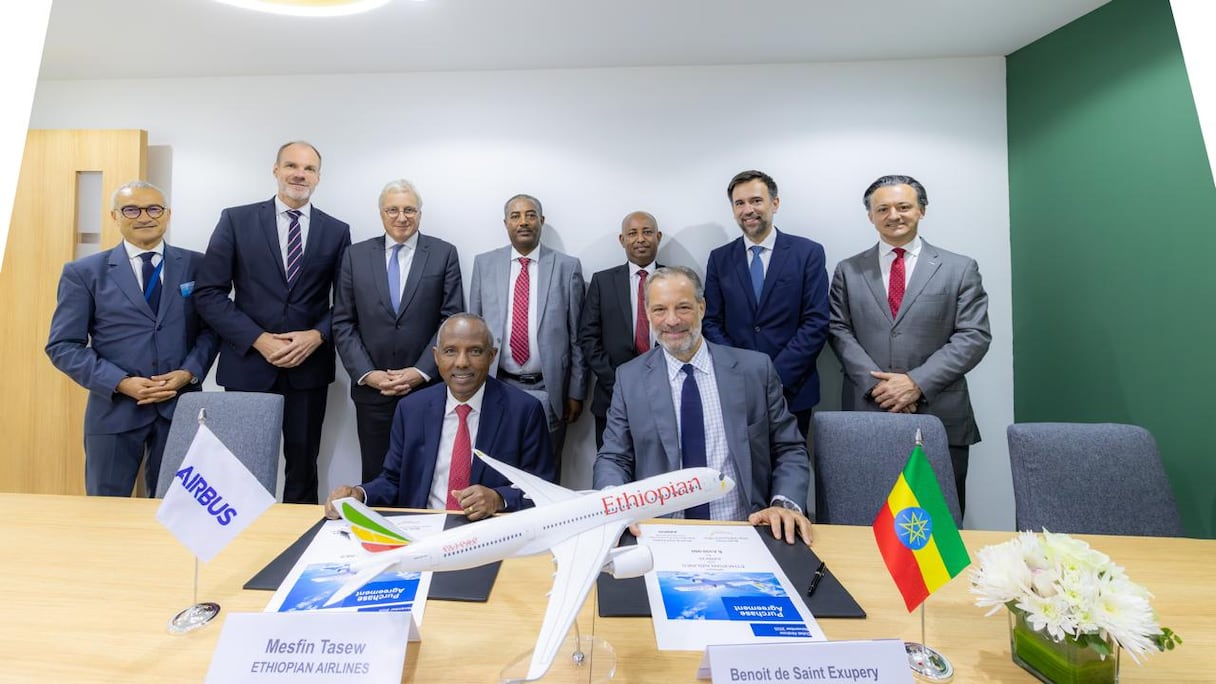
Ethiopian is ultimately targeting a fleet of 303 aircraft, compared with 145 in 2024-2025, alongside an international network of 243 destinations, up from 144 currently. The carrier has placed orders with both Boeing and Airbus to support that expansion.
Those ambitions are also driving major infrastructure investment. A new airport under development at Bishoftu, about 40 kilometers southeast of Addis Ababa, is designed to become Africa’s largest, with four runways and capacity to accommodate 270 aircraft.
Airlink takes second place
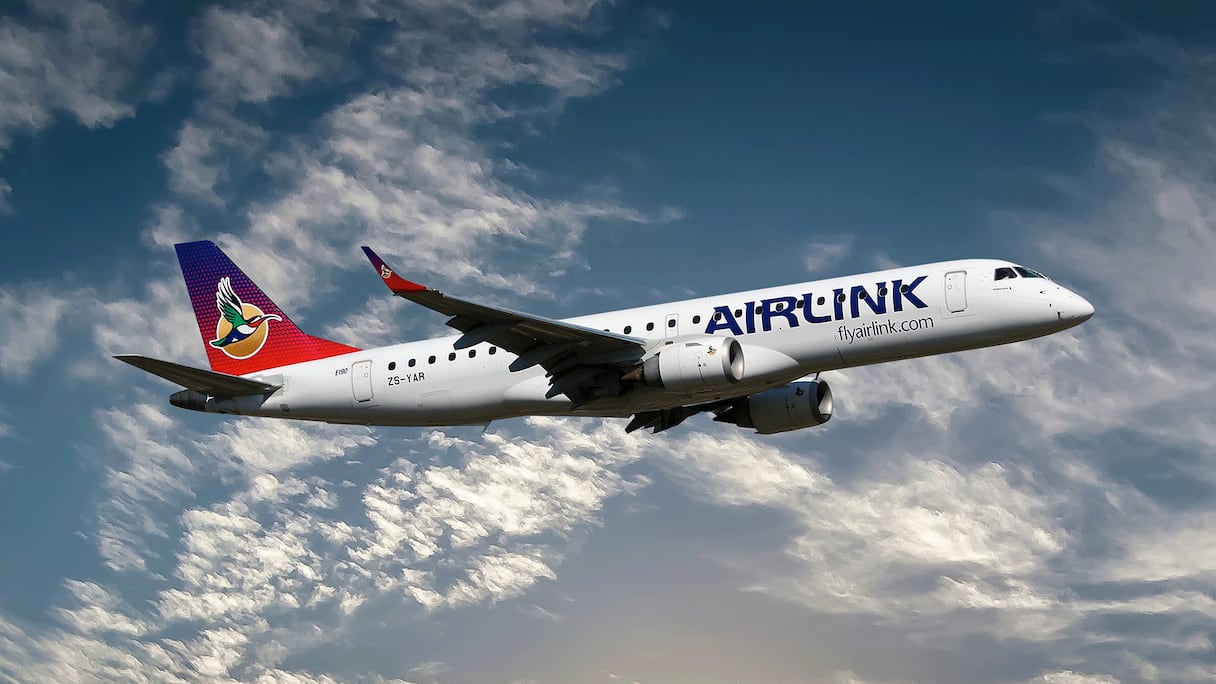
South Africa’s privately owned Airlink ranks second with 72 aircraft, two more than at the same point last year.
Its fleet is considerably older than Ethiopian’s, however, with an average age of 18.1 years.
EgyptAir ranks third with 69 aircraft, down from 71 a year earlier. The decline follows the June 2026 disposal of 12 Airbus A220-300 aircraft that the Egyptian carrier had acquired from U.S. lessor Azorra in February 2024.
The airline is replacing them as part of a wider fleet modernization and expansion program involving 34 new aircraft, including Airbus A350-900s and Boeing 737-8 MAX jets.
EgyptAir aims to operate 125 aircraft by 2030 through a combination of direct purchases and leases. Its existing fleet has an average age of 10.2 years, making it the third-youngest among African airlines operating at least 20 aircraft.
Royal Air Maroc records fastest growth among top five
Royal Air Maroc has made the biggest jump among Africa’s five largest airlines.
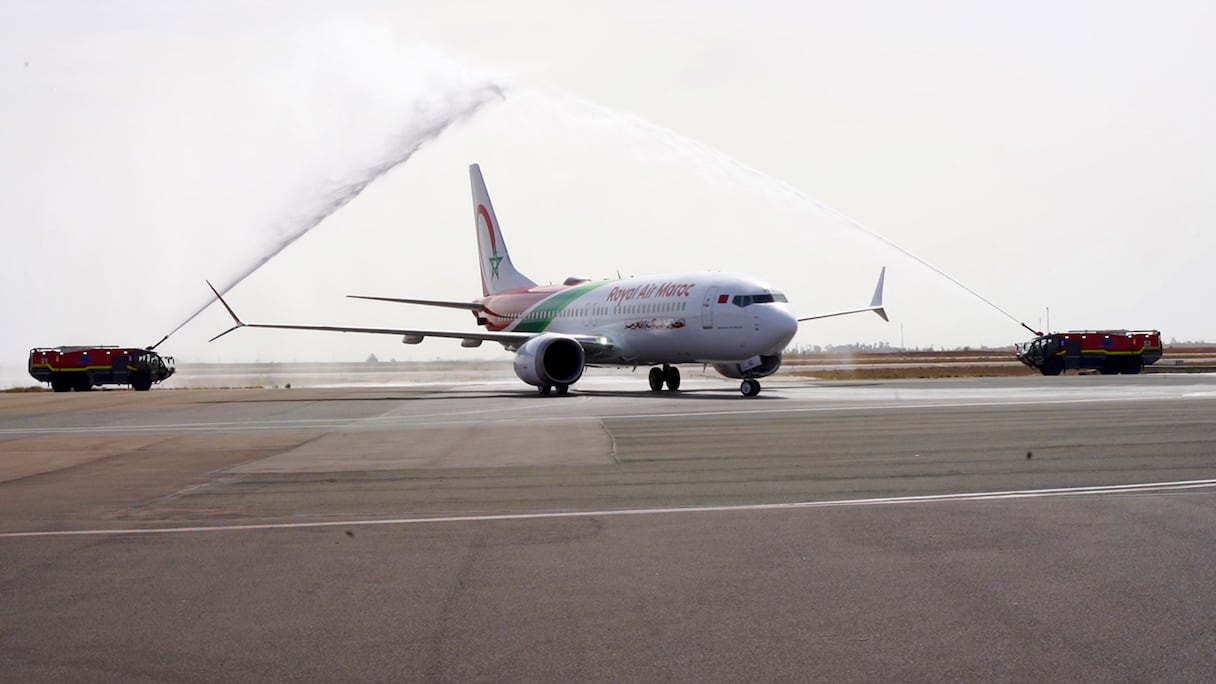
The Moroccan flag carrier expanded its fleet from 57 aircraft in August 2025 to 68 as of Aug. 13, 2026, an increase of 19.3%. Another aircraft was in the process of being delivered, which would bring RAM level with EgyptAir at 69 aircraft.
Read also : Royal Air Maroc adds new Boeing 737 MAX 8 as fleet reaches record 69 aircraft
The additions are also gradually rejuvenating RAM’s fleet, whose aircraft now have an average age of 12 years.
The expansion forms part of a much larger growth strategy. Under the program contract signed with the Moroccan government in July 2023, Royal Air Maroc aims to operate 200 aircraft, serve 143 international destinations and carry 31.6 million passengers annually by 2037.
“The Royal Air Maroc development plan provides for the addition of an average of 10 to 15 aircraft per year,” RAM Head of Engineering Oussama El Farisi previously told Le360.
The airline has been expanding through both acquisitions and long-term leases, including Boeing 787-9 Dreamliners and Boeing 737-8 MAX aircraft.
Its network is expanding in parallel, with destinations including Beijing, Toronto, São Paulo, Los Angeles, St. Petersburg, Manchester and N’Djamena as RAM seeks to strengthen Casablanca’s position as a transcontinental aviation hub.
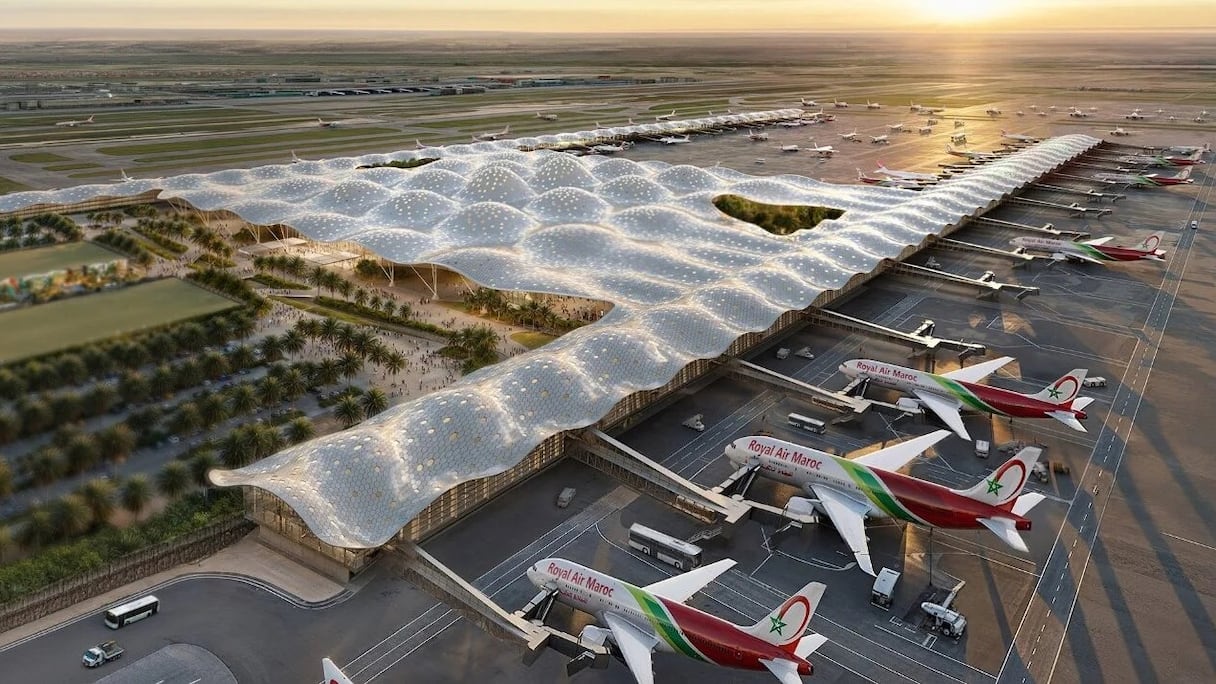

Les compagnies aériennes africaines devraient acquérir plus de 1200 nouveaux avions sur la période 2025-2044, selon le rapport Commercial Market Outlook
de Boeing.
Infrastructure is following the same trajectory. Morocco’s National Airports Office is developing a new terminal at Casablanca’s Mohammed V International Airport that is expected to increase the hub’s annual capacity to 45 million passengers by 2029.
The investment is intended to accommodate both RAM’s expansion and Morocco’s rapidly growing tourism industry.
Air Algérie slips behind RAM
Air Algérie has also expanded substantially, adding 10 aircraft over the past year to reach a fleet of 64.
That represents growth of 18.52%, but was not enough to prevent the Algerian flag carrier from being overtaken by Royal Air Maroc. Its aircraft have an average age of 16.3 years.
Air Cairo, EgyptAir’s low-cost subsidiary, follows with 39 aircraft after adding four over the past year. The airline currently serves 88 destinations across Africa, the Middle East and Europe, with its expansion geared partly toward supporting Egypt’s tourism sector.
South Africa’s FlySafair ranks seventh with 38 aircraft, followed by Kenya Airways with 34.
Nigeria’s Air Peace and Angola’s TAAG complete the top 10 with 33 aircraft each. TAAG recorded the fastest percentage expansion anywhere in the top 10, growing its fleet by 22.22% over the year.
The race for Africa’s skies
Fleet expansion is likely to accelerate further as African airlines compete for passengers and position themselves for the gradual liberalization of air travel across the continent.
Carriers including ASKY Airlines, RwandAir, Air Côte d’Ivoire and Air Sénégal are also seeking to capitalize on the expansion of African aviation and strengthen their positions in regional markets.
For the continent’s largest carriers, aircraft numbers are becoming an increasingly important part of that competition. But fleet size alone will not determine the winners. Network reach, airport infrastructure, maintenance capacity, financing and the ability to secure scarce aircraft from manufacturers will all shape the balance of power in Africa’s aviation market over the coming decade.