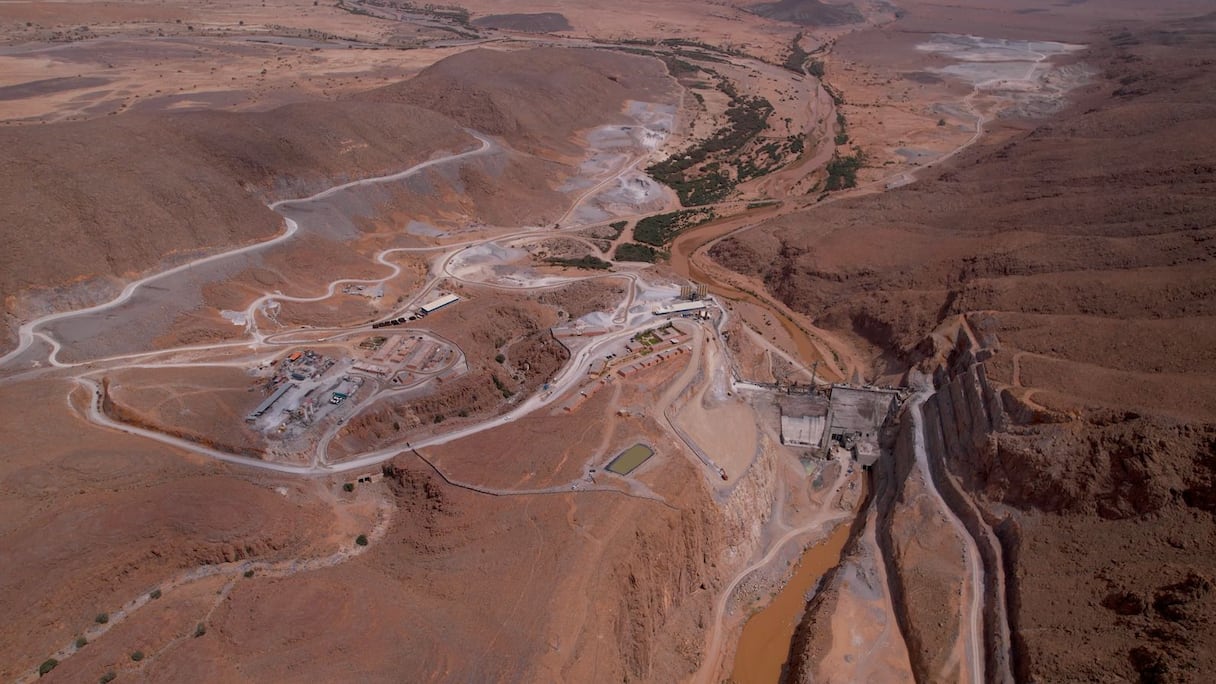
Morocco’s dam storage capacity is expected to exceed 24 billion cubic meters by the end of 2027, according to the explanatory note accompanying the draft Finance Bill. The government also plans to begin construction of a new major dam and raise the height of another.
Eight major dams have been completed since 2020: Kaddoussa, Tiddas, Toudgha, Agdez, Fask, Koudiat Borna, M’dez and Rhiss. Together, they have added 1.89 billion cubic meters of storage capacity.
Read also : Morocco’s dams gain 106 million cubic meters in five days
Five other major dams were brought into service ahead of schedule, adding a combined capacity of 746 million cubic meters. These are Sakia El Hamra in Laayoune, Aït Ziat in Al Haouz, Sidi Abbou in Taounate, Béni Azimane in Driouch and Tamri in Agadir. Together with the eight completed dams, they bring the total additional capacity to around 2.64 billion cubic meters.
14 major dams under construction and six medium-sized dams launched
The program includes 20 major dams. The 2022-2027 program also provides for 155 small dams and hillside reservoirs. Of these, 24 have been completed and 32 are under construction, bringing the total to 56. Seven projects are being carried out directly by the administration in partnership with the Ministry of the Interior. Around 30 more projects are expected to be launched by the end of 2026.
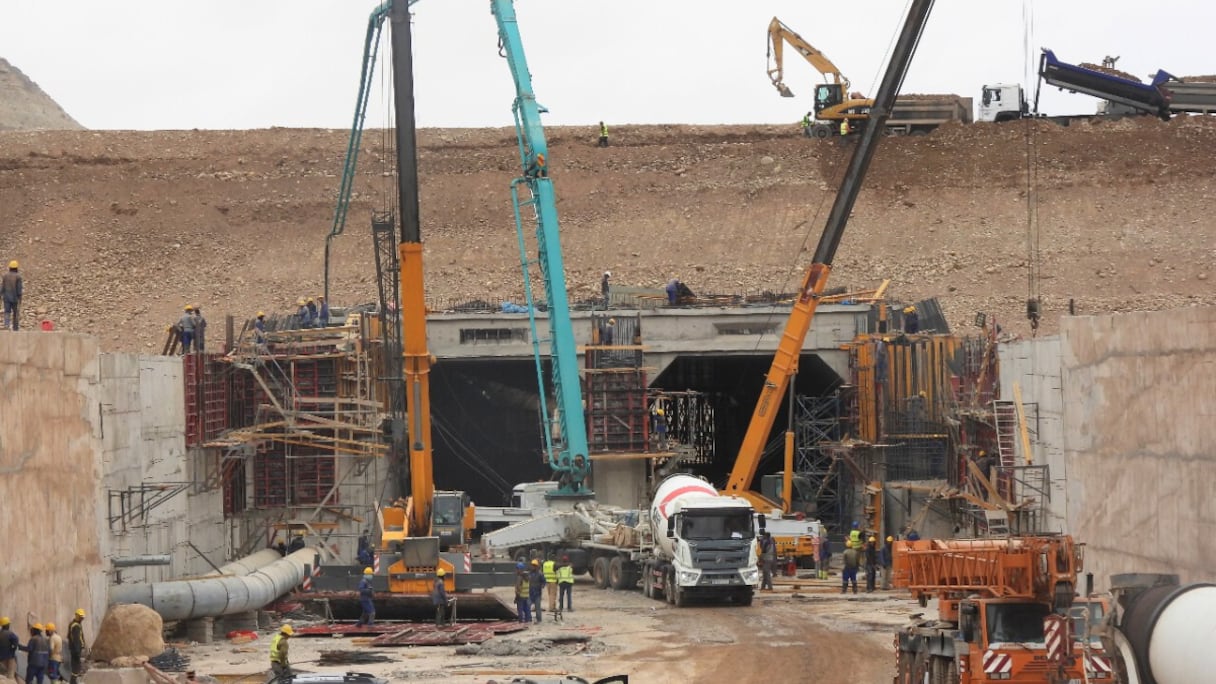
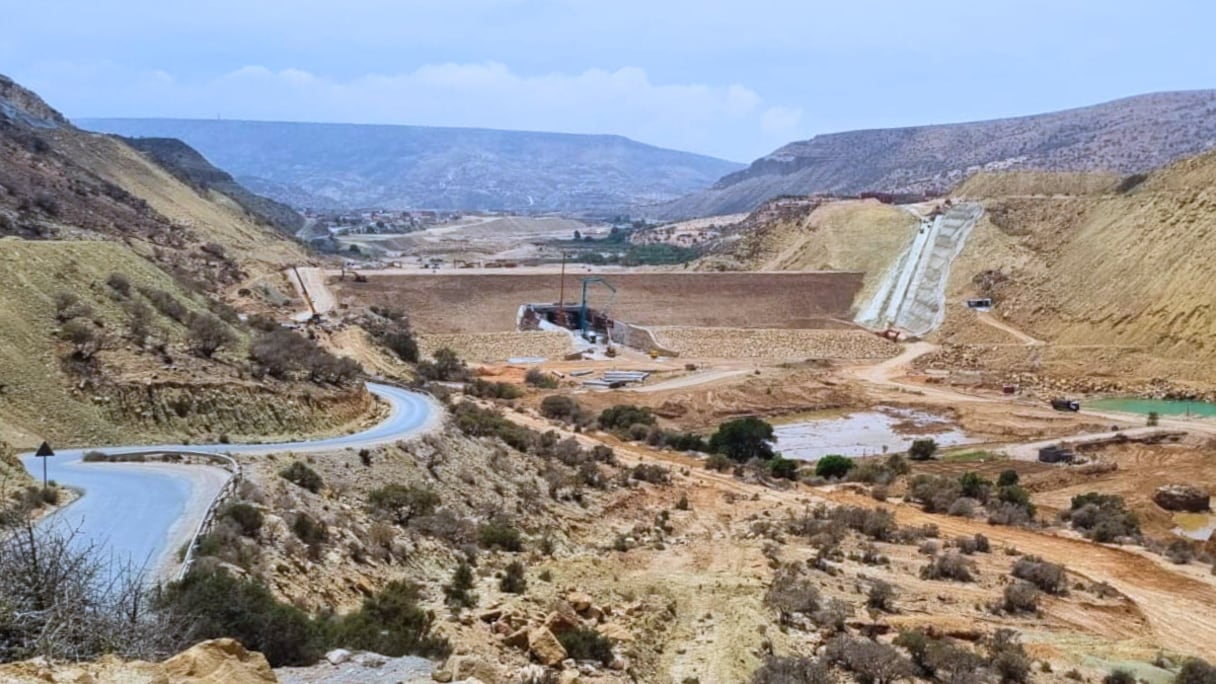
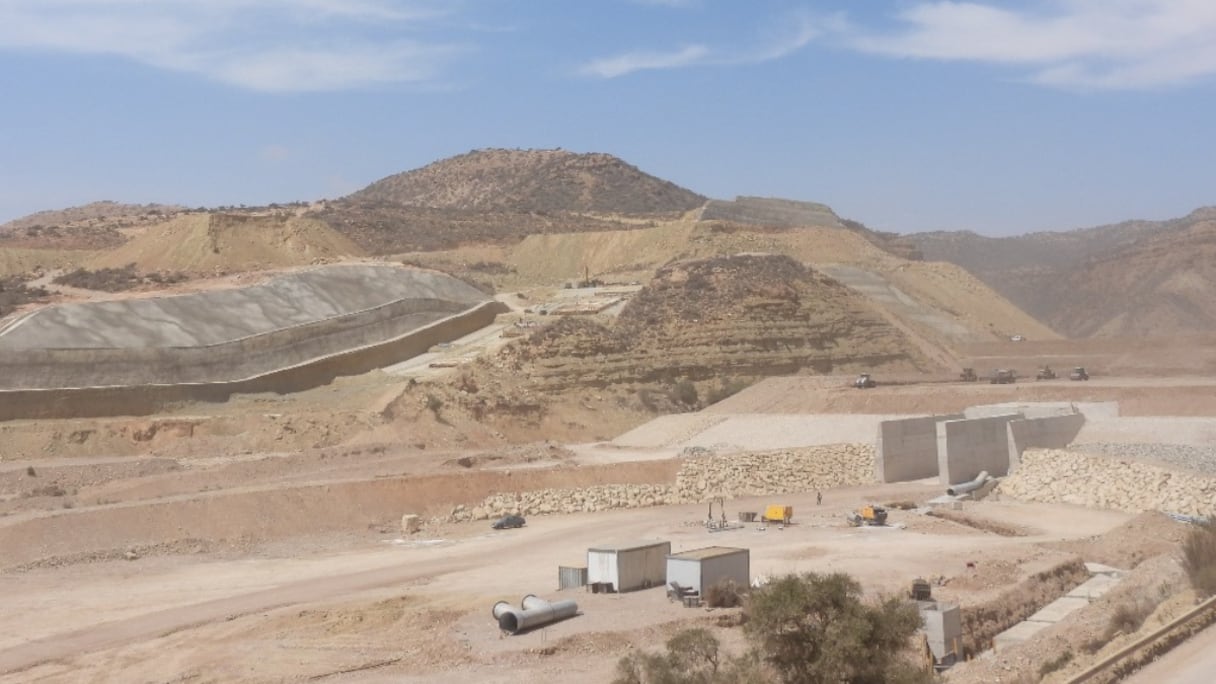
Construction work at Tamri Dam.
The year will also see the launch of construction on a new major dam and the raising of another dam’s height. As for groundwater resources, 5,059 exploratory boreholes were drilled between 2020 and 2025.
The dams are part of a system designed to transfer water between river basins. The connection between Oued Makhazine Dam and Dar Khrofa Dam, with a flow rate of 3.2 cubic meters per second, helps secure water supplies to Tangier. The transfer of water from the Sebou basin to the Bouregreg basin, at a rate of 15 cubic meters per second, helps secure supplies to the Rabat-Casablanca corridor.
A real-time water quality monitoring system is also being developed for the Sebou River and the Idriss I, Garde Sebou and Sidi Mohammed Ben Abdellah dams.
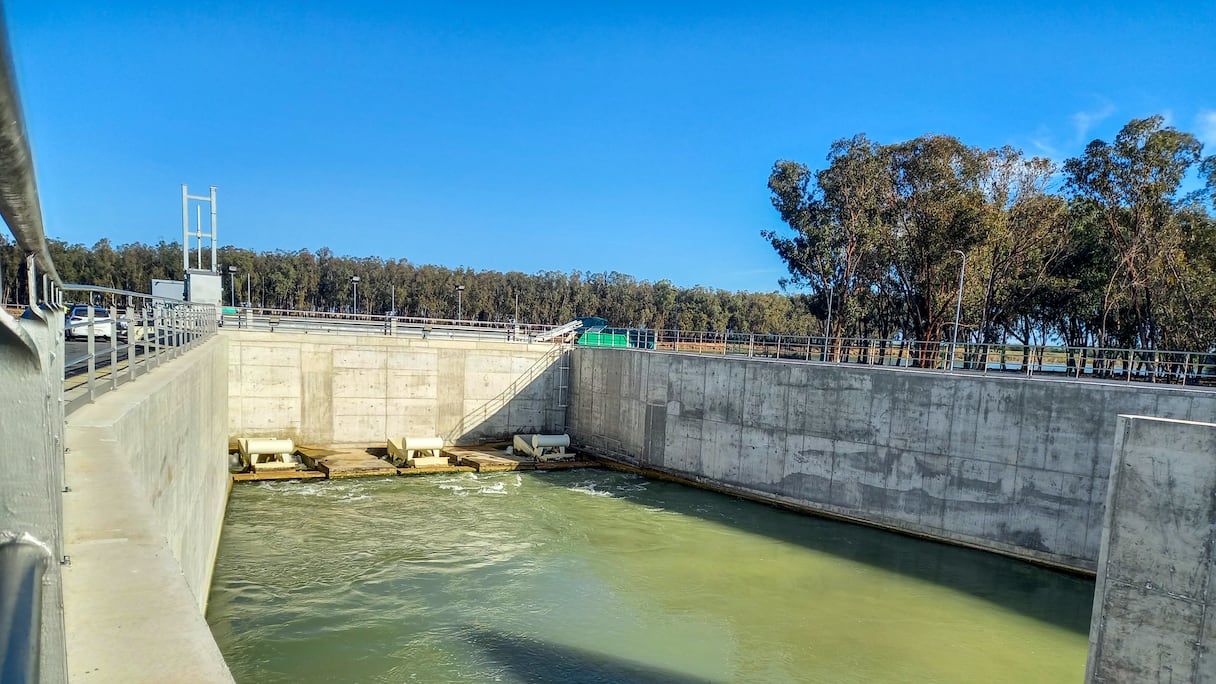
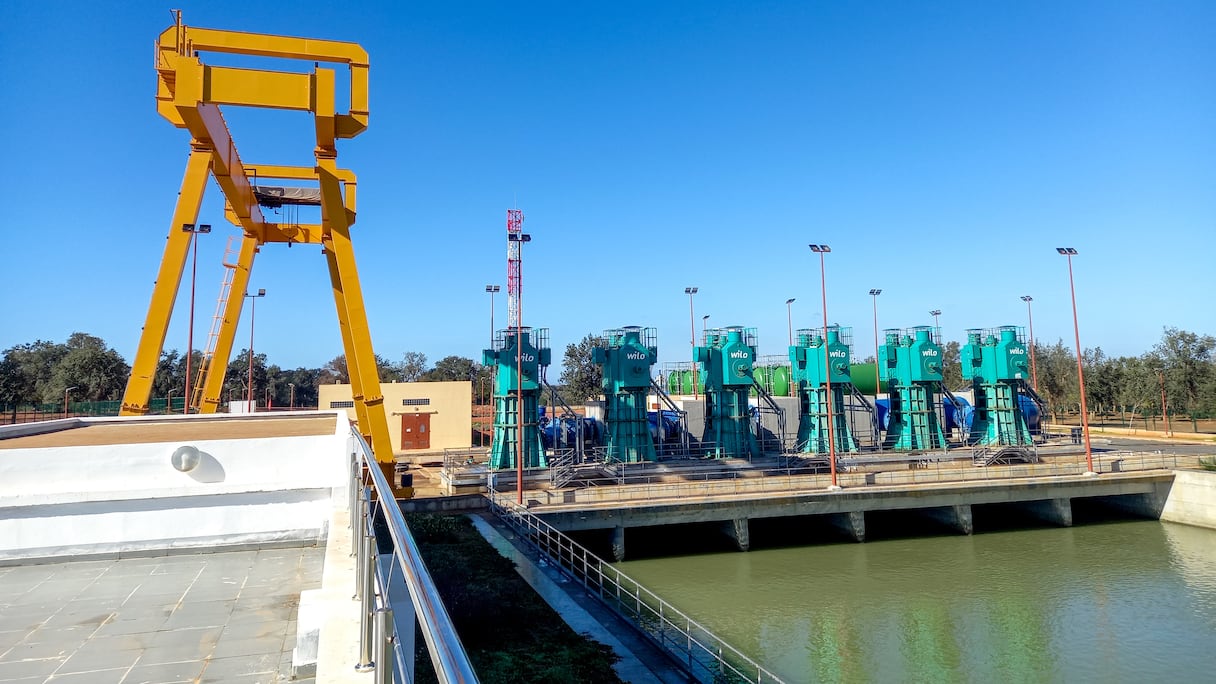
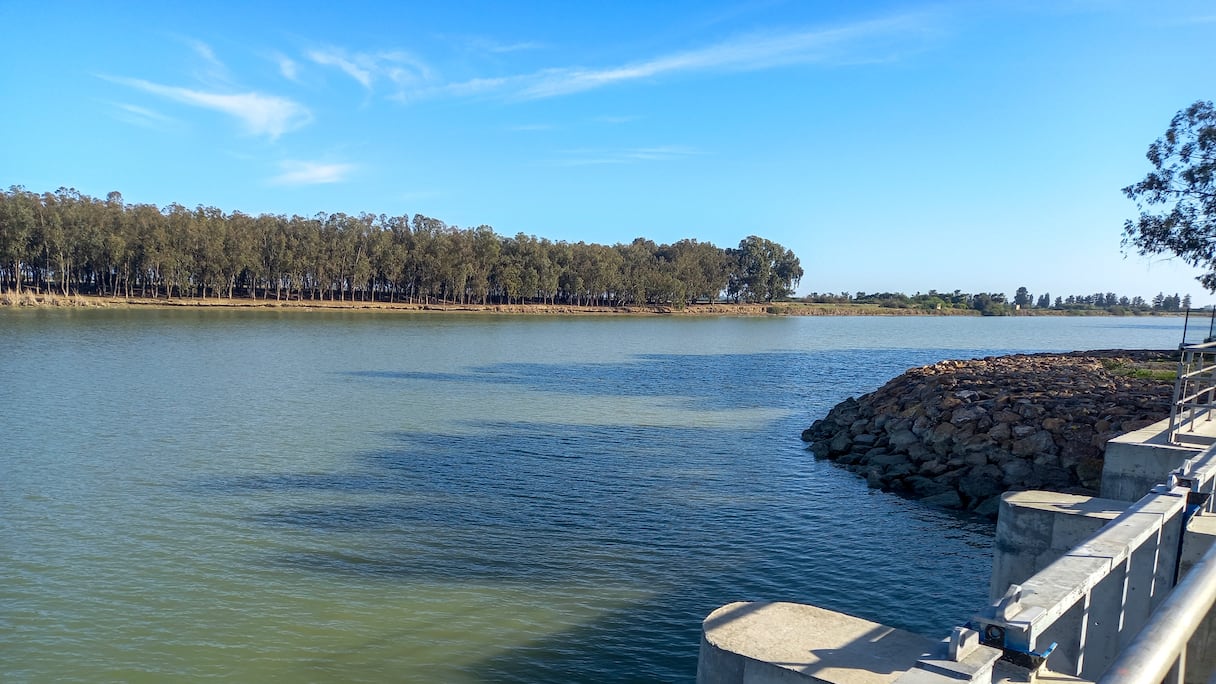
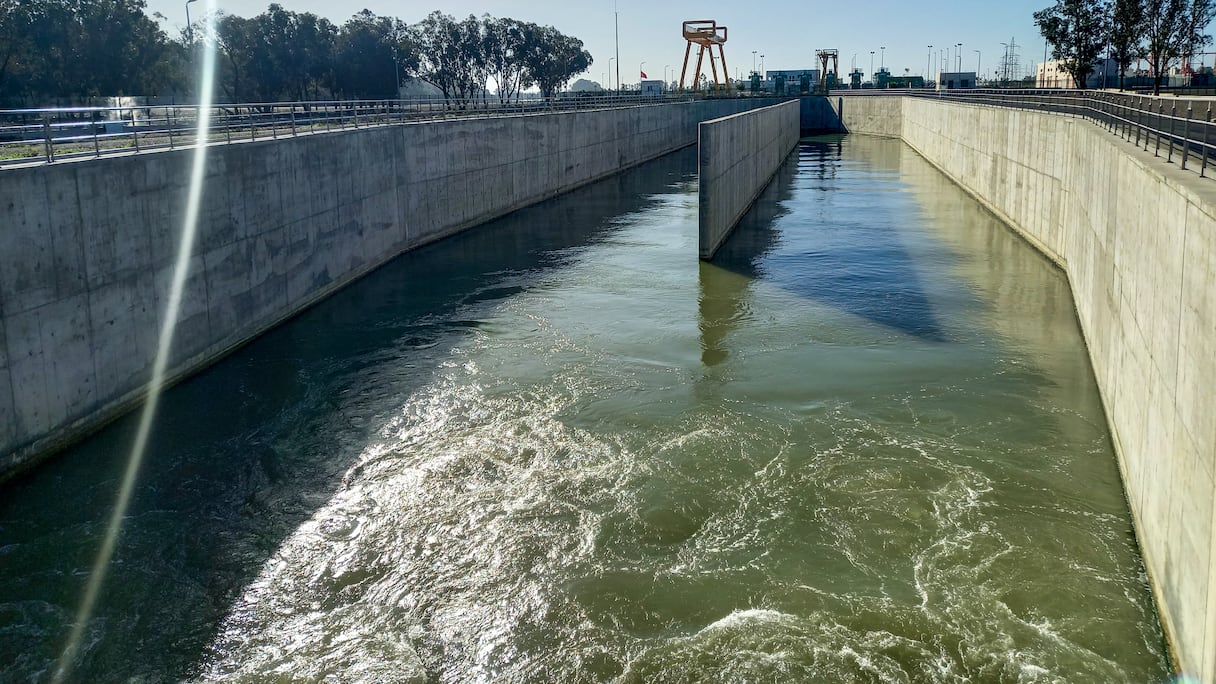
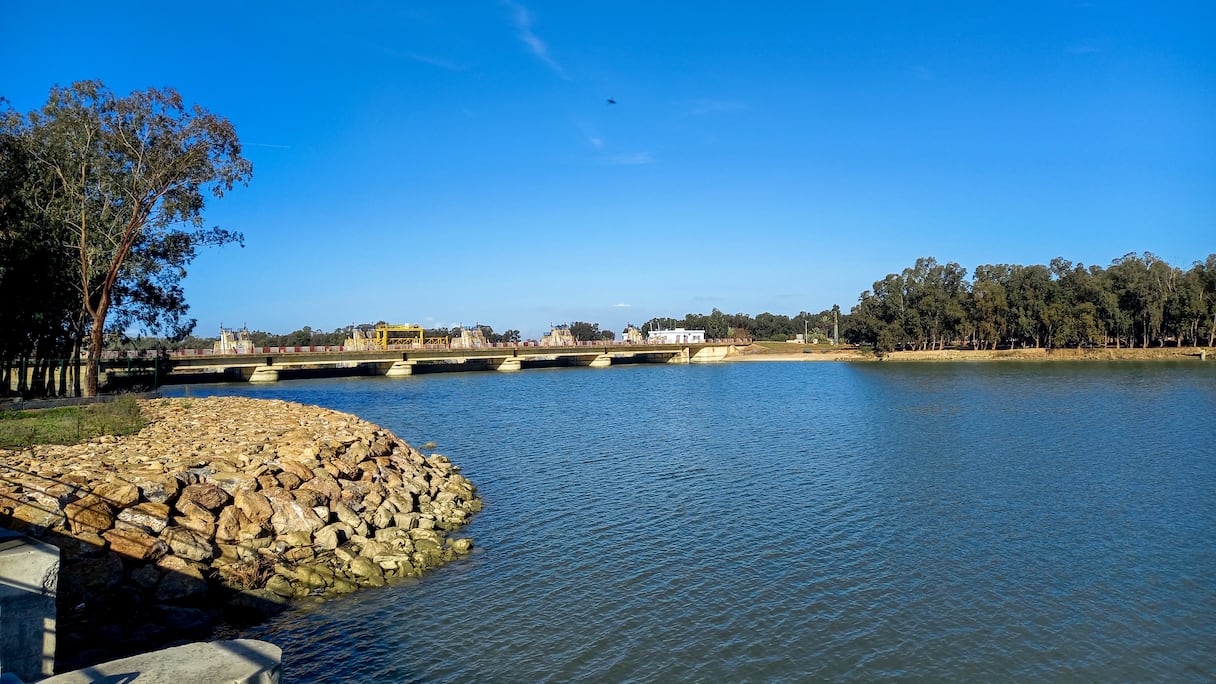
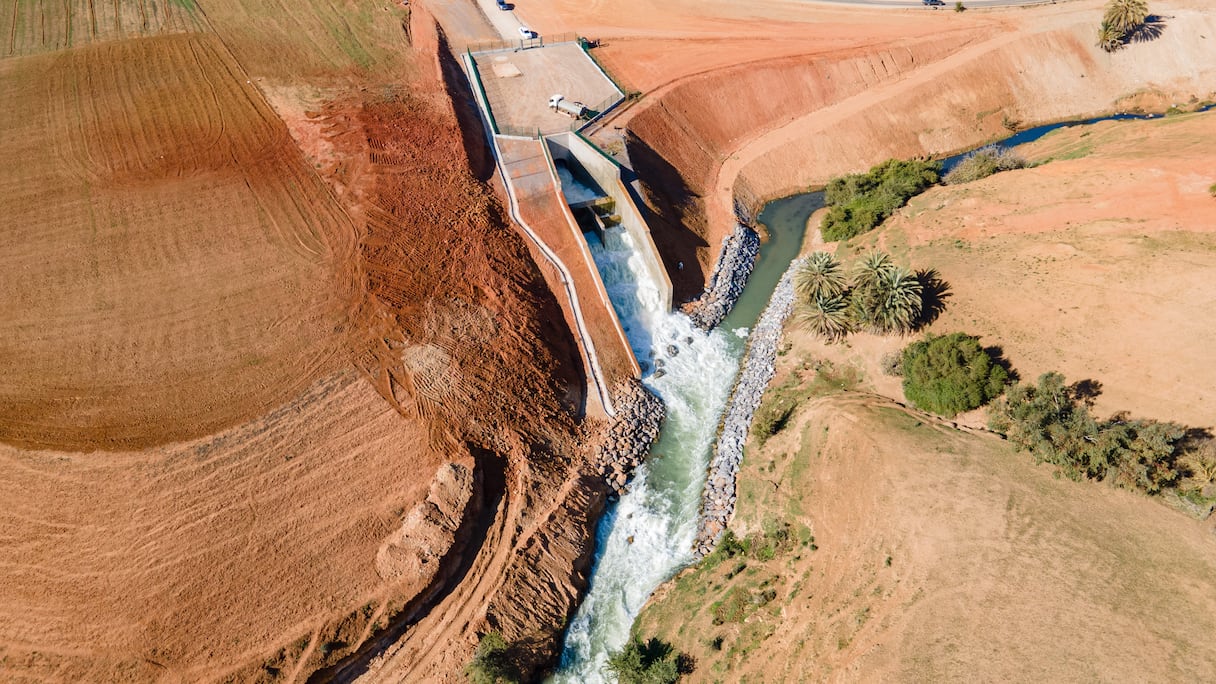
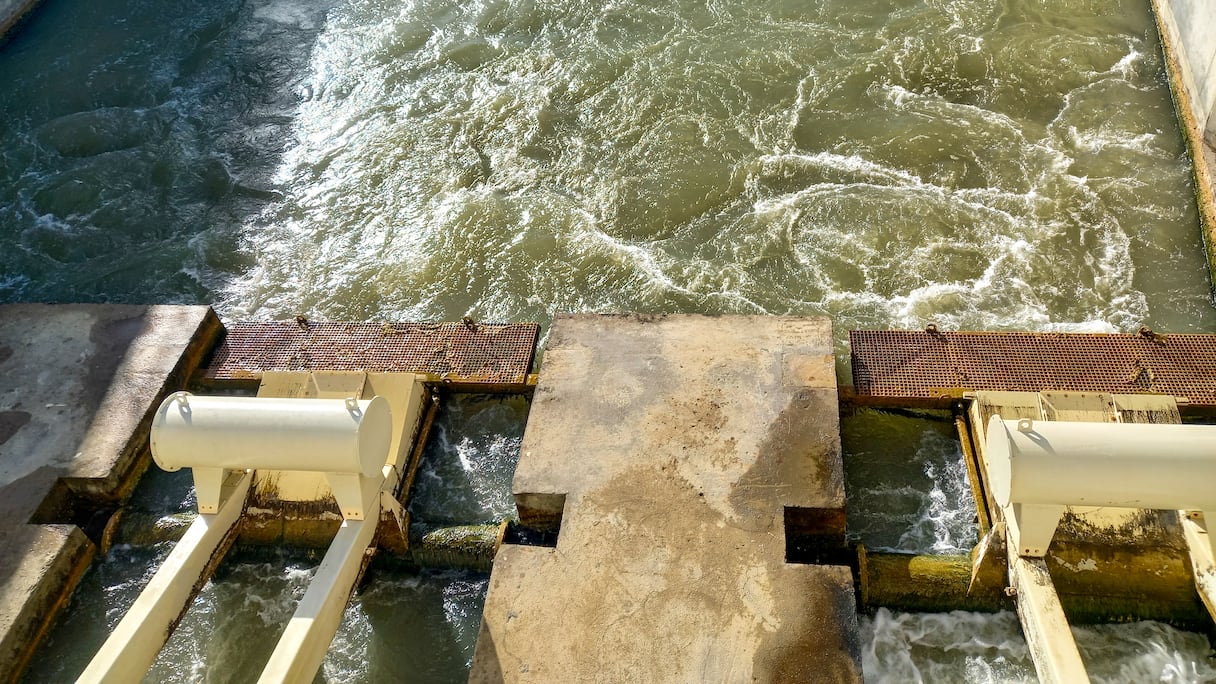
Morocco’s “water highway” is expanding into a massive 300-km network linking the Sebou and Oum Er-Rbia basins.
The project to connect the Sebou and Bouregreg river basins to secure water supplies to the Rabat-Casablanca corridor.
The government also announced plans to revise the laws governing the allocation and distribution of water from dams. The reform falls under the broader policy focus on protecting water resources and improving governance.
