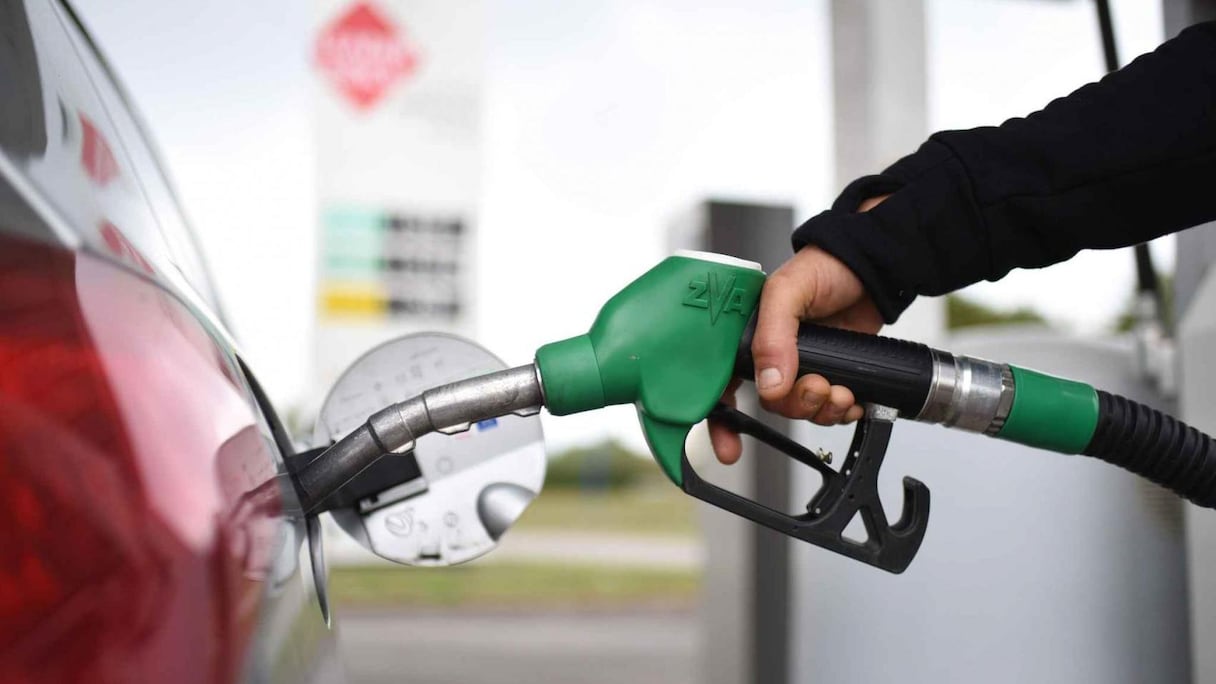
The allegations are serious enough to warrant a response from the authorities. In a statement, the National Federation of Petrol Station Owners, Retailers and Managers directly challenges the practices of certain fuel distribution companies, accusing them of restricting supplies or even cancelling petrol station orders when a price increase is announced.
According to the Federation, some distributors deliberately reduce the quantities delivered or suspend orders while awaiting the introduction of new prices, seeking to profit from the difference between prices before and after the adjustment.
It is a particularly troubling allegation, not least because it points to a situation motorists have encountered on several occasions. Ahead of certain fuel price increases, complaints have emerged about supply difficulties and even stations running dry. These episodes, often accompanied by queues and tensions between motorists and station operators, are generally experienced as temporary shortages whose causes are rarely explained.
Supply disruptions
The Federation’s account now offers a possible explanation for these disruptions. If the delivery restrictions described by industry professionals are indeed linked to anticipated price increases, they could point to a commercial strategy of delaying supplies to secure more favorable selling conditions once prices have been revised.
It is now up to the relevant authorities to investigate these allegations. The practices described warrant an examination of orders placed by petrol stations, the volumes actually delivered before price adjustments, any cancellations and the stocks held by distribution companies. The aim would be to establish whether the supply difficulties observed on several occasions reflect genuine logistical constraints or deliberate commercial decisions.
Read also : Morocco’s 2027 budget targets oil distributors with higher tax on bumper profits
Beyond this central allegation, the Federation also seeks to challenge the notion that petrol stations automatically benefit from soaring fuel prices. It points out that their remuneration is based on a fixed margin, expressed in centimes per liter sold, rather than a percentage of the retail price. An increase in the price per litre therefore does not translate into a higher margin on each litre sold.
On the contrary, rising prices substantially increase the cost of financing inventories. According to the Federation, the purchase cost of fuel consignments has risen two- to threefold compared with earlier periods, forcing operators to tie up more working capital or take on debt to maintain their usual supply levels.
Industry professionals also criticize the constraints imposed by exclusive supply agreements, which require them to purchase fuel from the distribution company whose brand they operate under. This dependence limits their ability to turn to alternative suppliers, while, they say, leaving them without sufficient information about pricing mechanisms and fluctuations in international markets.
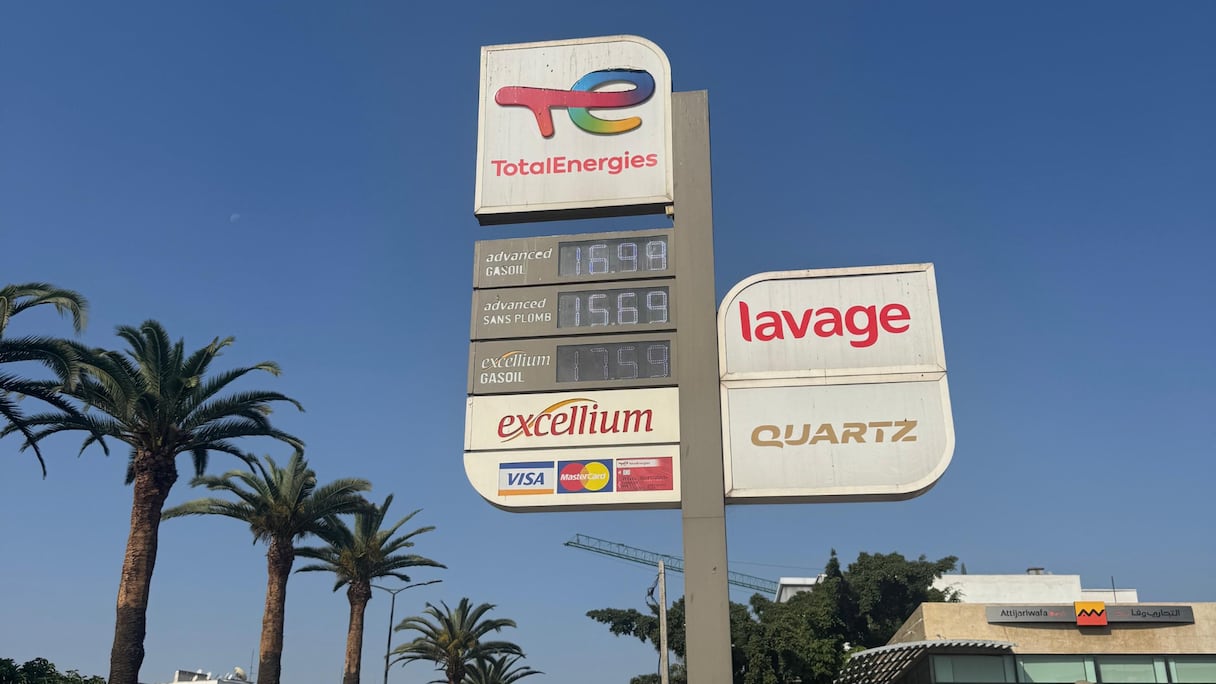
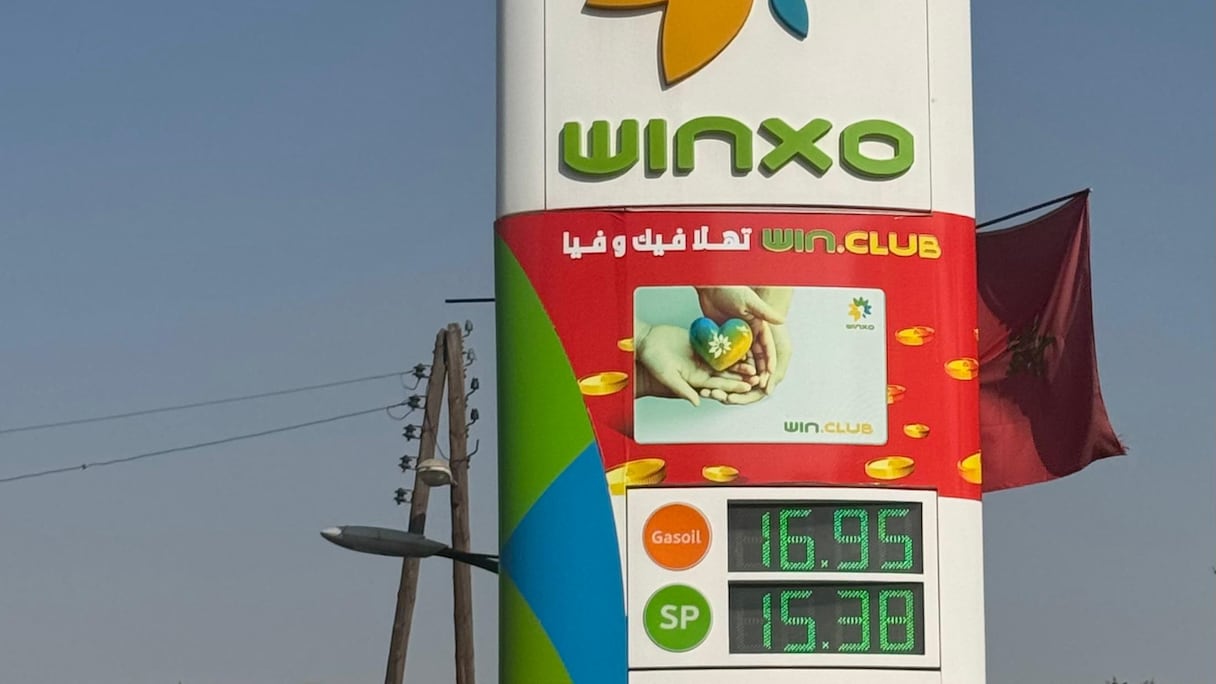
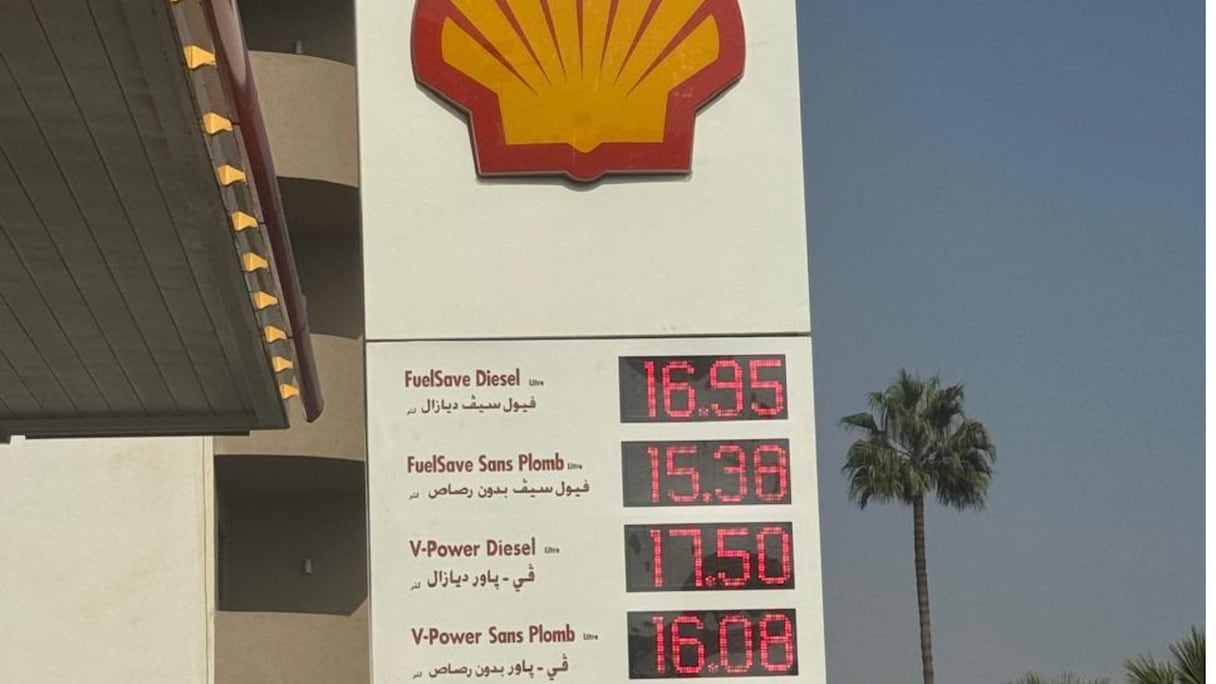
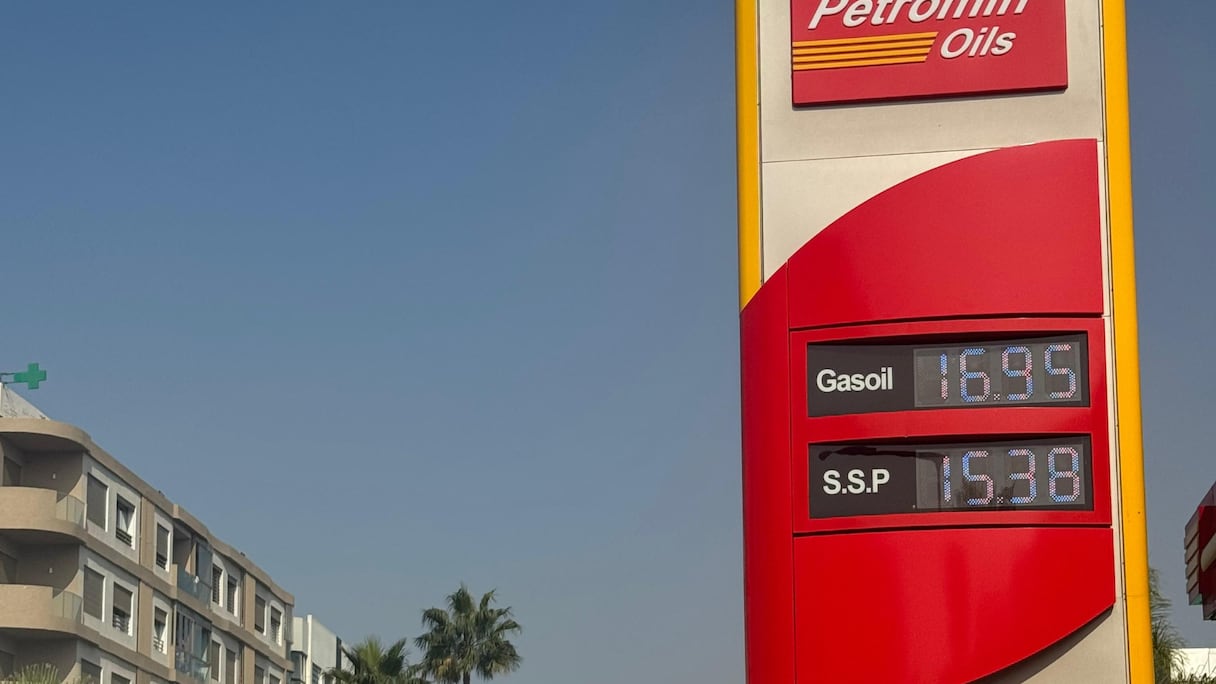
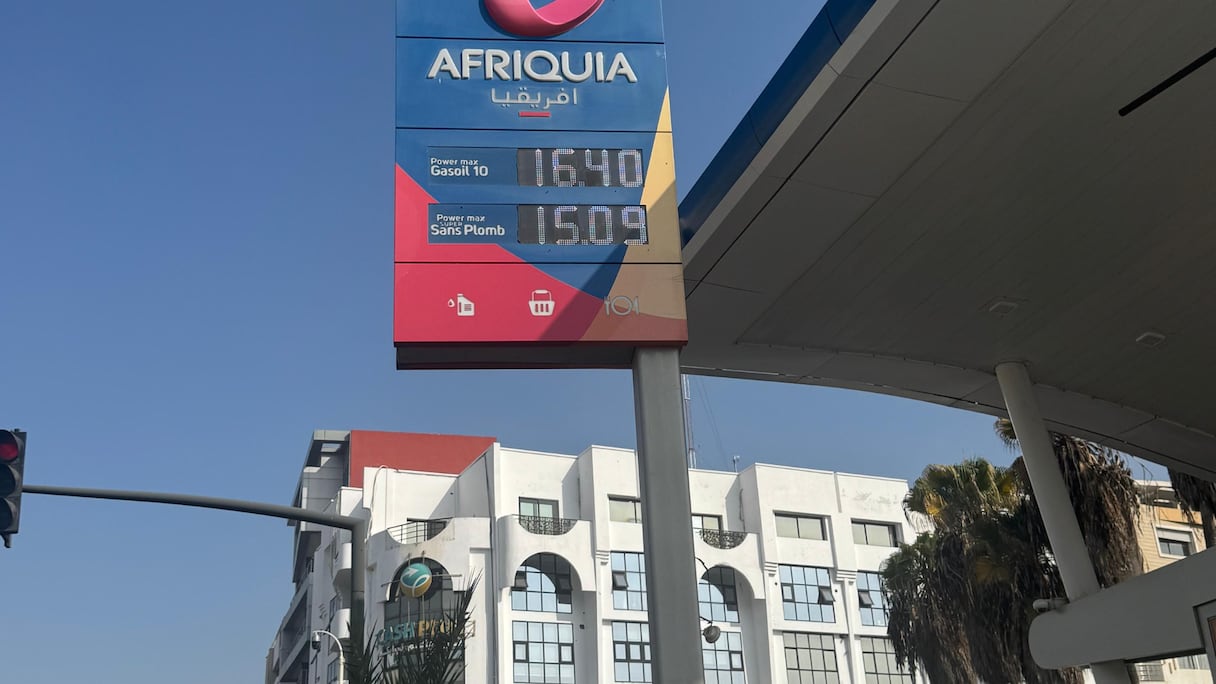
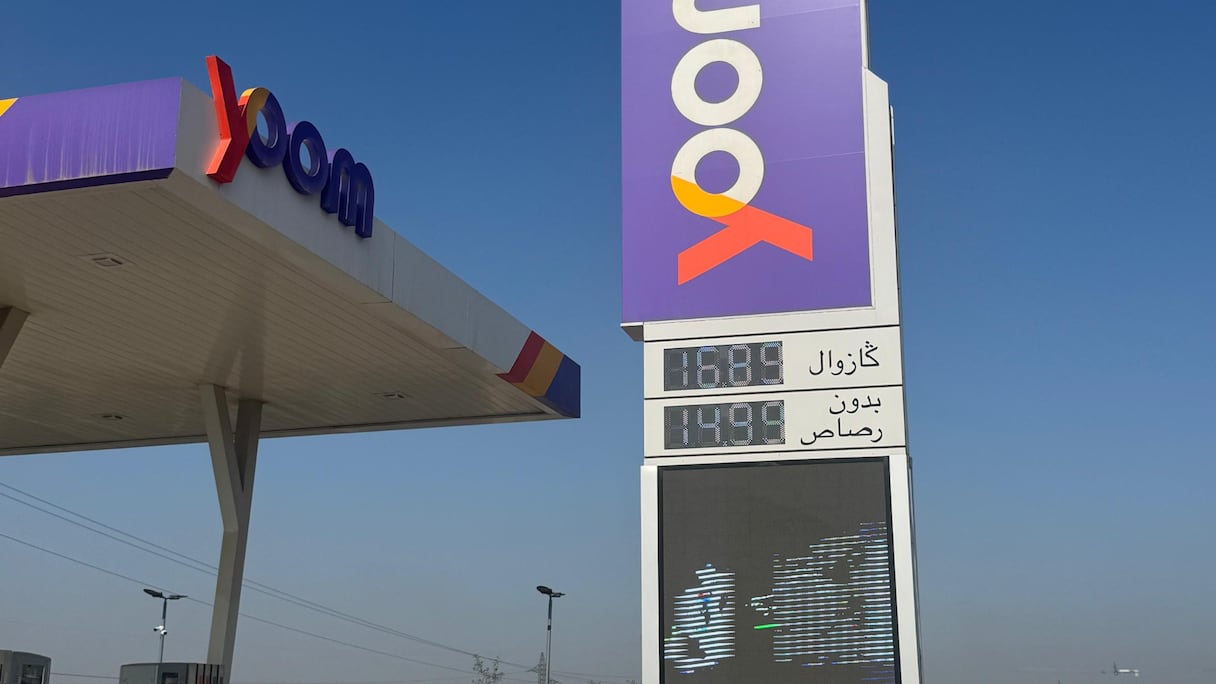
Les nouveaux prix de gasoil affichés dans les stations-service à Casablanca (W.Elmouden/Le360.)
The Federation also raises a tax-related concern. Higher fuel prices automatically increase petrol stations’ turnover, without a corresponding rise in their margins. Yet because Morocco’s minimum tax contribution is calculated on the basis of turnover, operators argue that they face a tax burden that does not reflect their actual profitability.
By placing distribution companies at the center of the debate, petrol station representatives are seeking to make clear that operators are not the ones making pricing decisions along the supply chain. Above all, however, their statement raises a question that demands prompt investigation: are increases in pump prices sometimes preceded by deliberate supply restrictions designed to maximize distributors’ profits?
