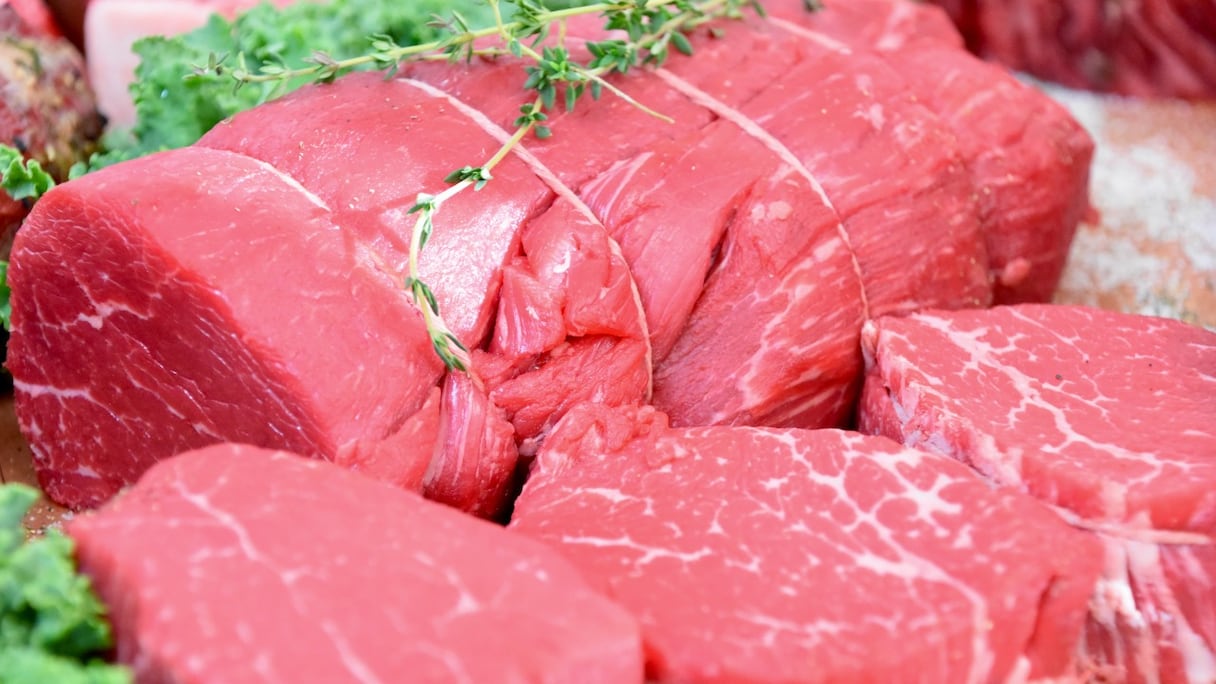
Consumers already struggling with high red meat prices are finding little relief in chicken and fish, as rising rates across all three have made it increasingly difficult for low- and middle-income households to put animal protein on the table.
Beef is selling for Dh100 to Dh160 per kilogram in Casablanca, depending on the locality, while lamb costs between Dh140 and Dh180. Chicken, long considered a cheaper substitute, has climbed to Dh24 per kg for live birds, with slaughtered poultry selling for considerably more.
Even sardines, traditionally among the most affordable fish, are fetching between Dh12 and Dh25 per kg, while horse mackerel costs Dh15 to Dh30.
Read also : Casablanca: Heat-hit crops and rising fuel costs push up vegetable prices
In Casablanca’s Maârif, beef prices start at Dh160 per kg, compared with around Dh100 in Hay Hassani.
Butchers told Le360 that customers who previously bought a kilogram of meat now settle for 250 grams, while some who used to purchase smaller quantities have stopped buying altogether.
Some retailers in working-class neighbourhoods have also stopped stocking lamb because of weak demand, leaving butchers facing declining sales as consumers cut back on purchases.
Hicham El Jawabri, regional secretary of the Casablanca-Settat association of wholesale red meat traders, said prices had risen again despite measures taken by the previous government.
He blamed the increase mainly on a shortage of locally produced meat and reduced supplies in the market against sustained demand.
Imports have failed to make up the shortfall, he said, with Morocco currently relying on Brazil and Uruguay after animal health restrictions affected supplies from European markets, including Spain and France.
According to El Jawabri, the quota for importing 300,000 head of cattle has already been exhausted, raising concerns about further price increases.
He said higher fuel and shipping costs, particularly for cattle brought from Brazil, were adding to the cost of imported livestock and ultimately pushing up retail prices.
Chicken prices have offered little respite.
Live birds are now selling for as much as Dh24 per kg, while slaughtered chicken costs Dh40 to Dh70, depending on the cut. Turkey meat can reach Dh80 per kg.
Mustapha El Mountassir, president of the National Association of Poultry Meat Producers, attributed the increase to a decline in production following heavy losses suffered by farmers between April and August.
He said the losses had eroded producers’ capital, forcing some to suspend operations and leave their farms idle.
Hatcheries were also affected, with some disposing of breeder flocks or selling hens for nominal amounts after incurring losses.
Mr El Mountassir rejected the suggestion that fuel or feed prices were behind the latest increase, saying the shortage resulted mainly from falling production and an imbalance between supply and demand.
He said new breeder flocks had begun entering the production cycle, but it would take time for additional birds to reach the market.
Eggs require around 21 days of incubation, followed by approximately 40 days of rearing before chickens are ready for sale.
On that basis, he expects supplies to improve and prices to begin stabilizing by late November or early December.
Read also : High meat prices push Fez shoppers to buy less
Fish markets are not providing much relief either.
According to prices quoted by Casablanca-based fresh fish delivery service Samaka, anchovies are selling for Dh20 to Dh35 per kg, while hake costs Dh65 to Dh90 and sea bream Dh85 to Dh130.
Sole is priced at Dh90 to Dh140 per kg, swordfish at Dh120 to Dh160 and fresh salmon at Dh130 to Dh170.
Among other varieties, ray fish costs Dh30 to Dh50, while mussels are selling for Dh40 to Dh60 per kg.
Fish prices vary with weather conditions, fishing seasons, fuel costs and the number of intermediaries between fishing boats and retail markets.
