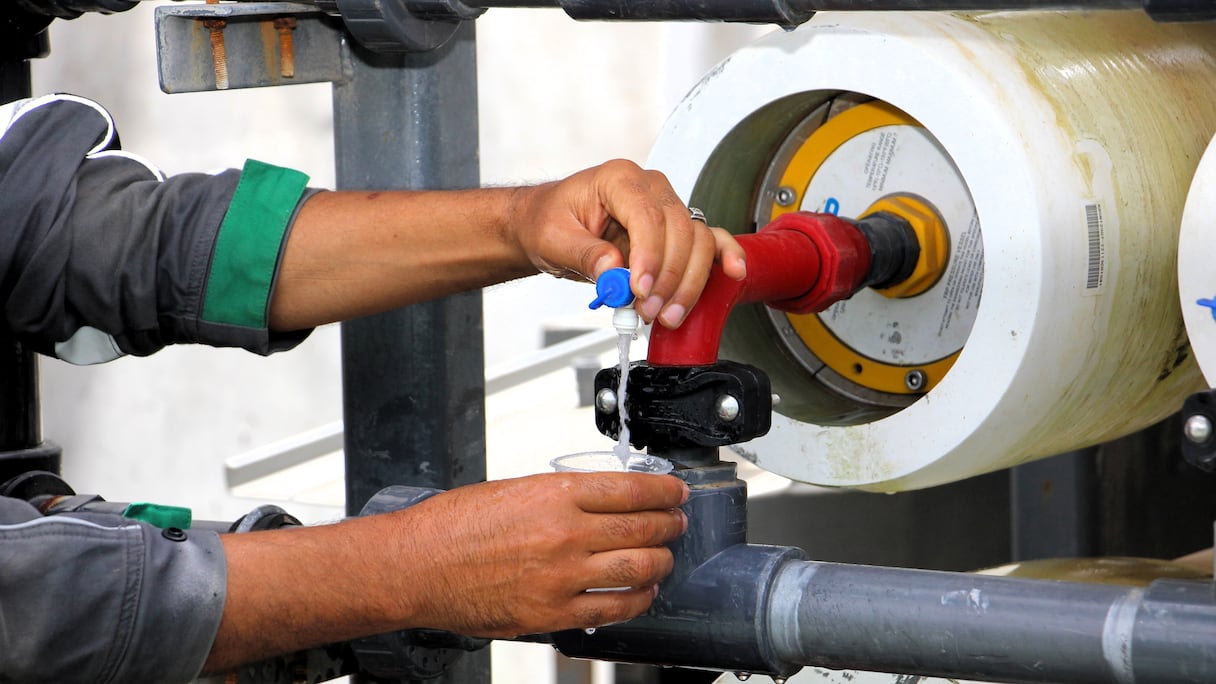
Morocco is aiming to increase its desalinated water production to more than 1.8 billion cubic meters a year by 2031, according to the explanatory report accompanying the draft 2027 Finance Bill.
The report places desalination within the country’s New Development Model, which recommends reserving conventional water resources for inland areas while meeting the needs of coastal regions through desalination.
Existing desalination capacity
The document highlights the completion of desalination plants in Agadir, Jorf Lasfar and Safi. It also lists 186 modular seawater and brackish-water desalination units already commissioned, with a combined annual capacity of 35 million cubic meters, built at a cost of 2.94 billion dirhams. The report describes these facilities as alternative water resources serving areas under severe water stress.
The report also announces the forthcoming commissioning of the Dakhla desalination plant, the expansion of the Safi facility to supply Marrakech, and the first phase of the Greater Casablanca desalination project. These facilities are expected to become operational in the coming months.
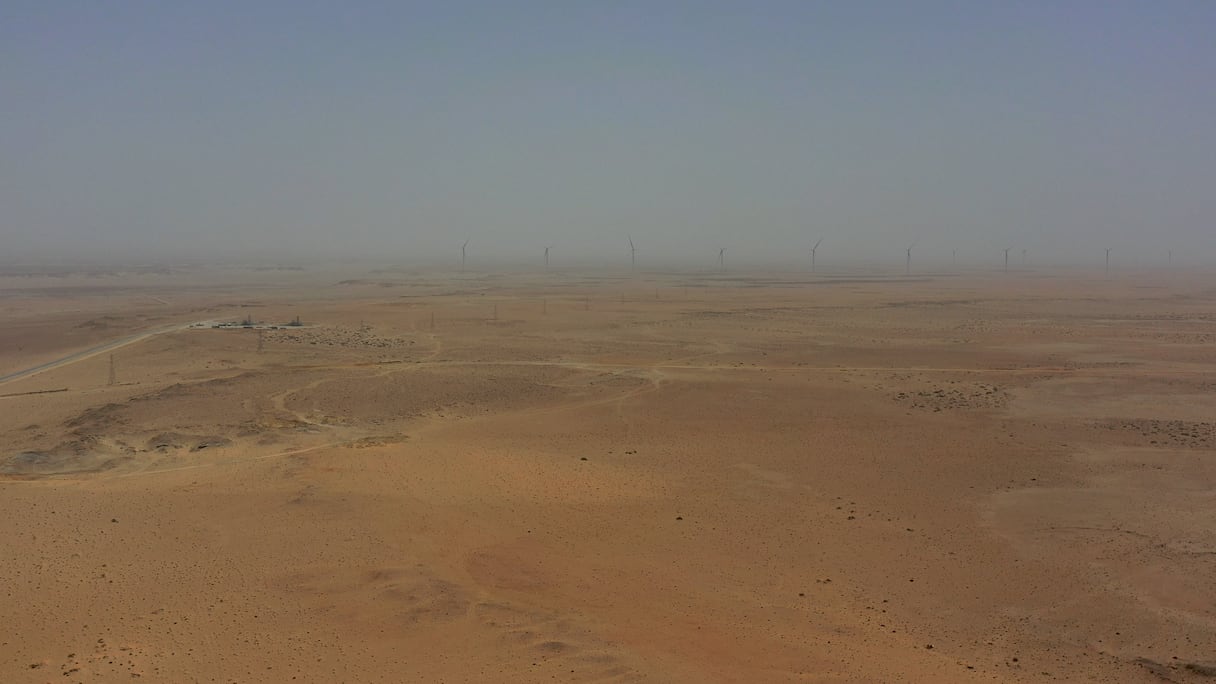
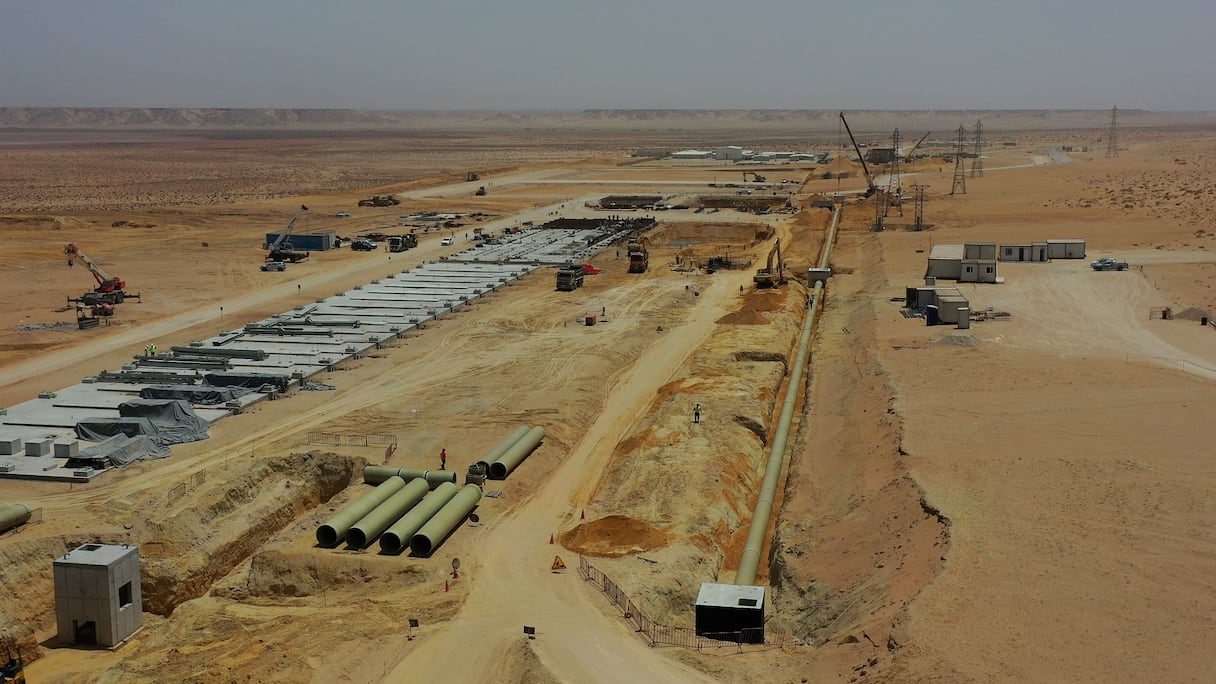
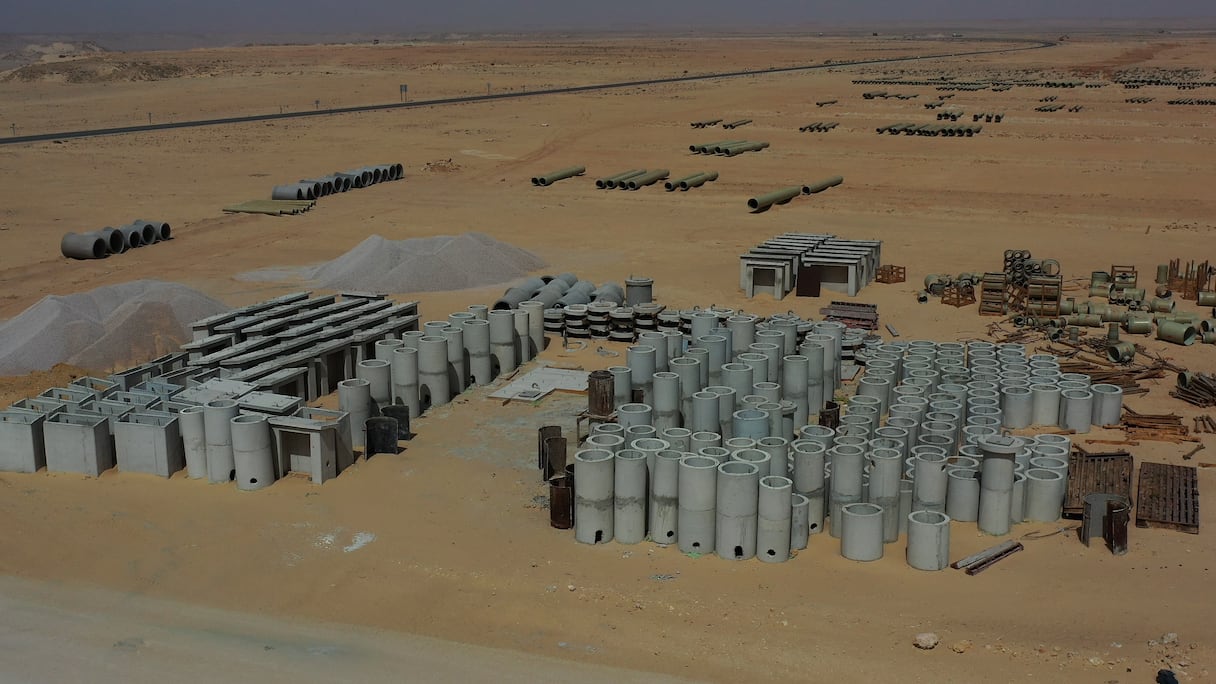
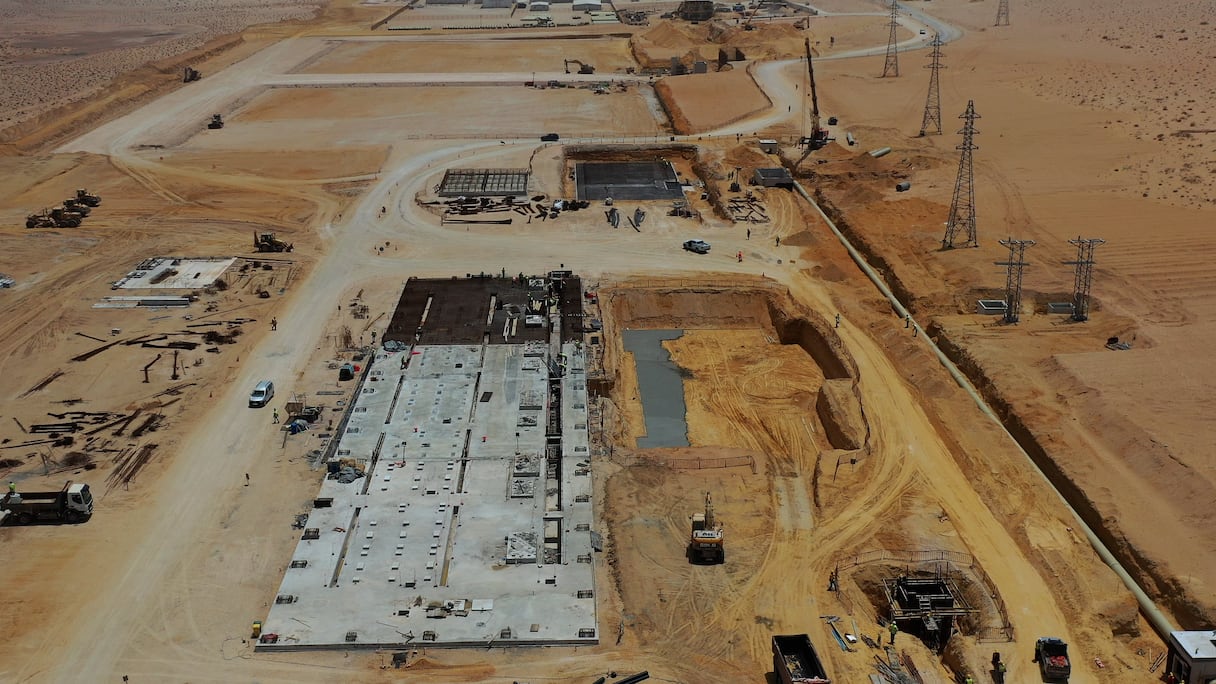
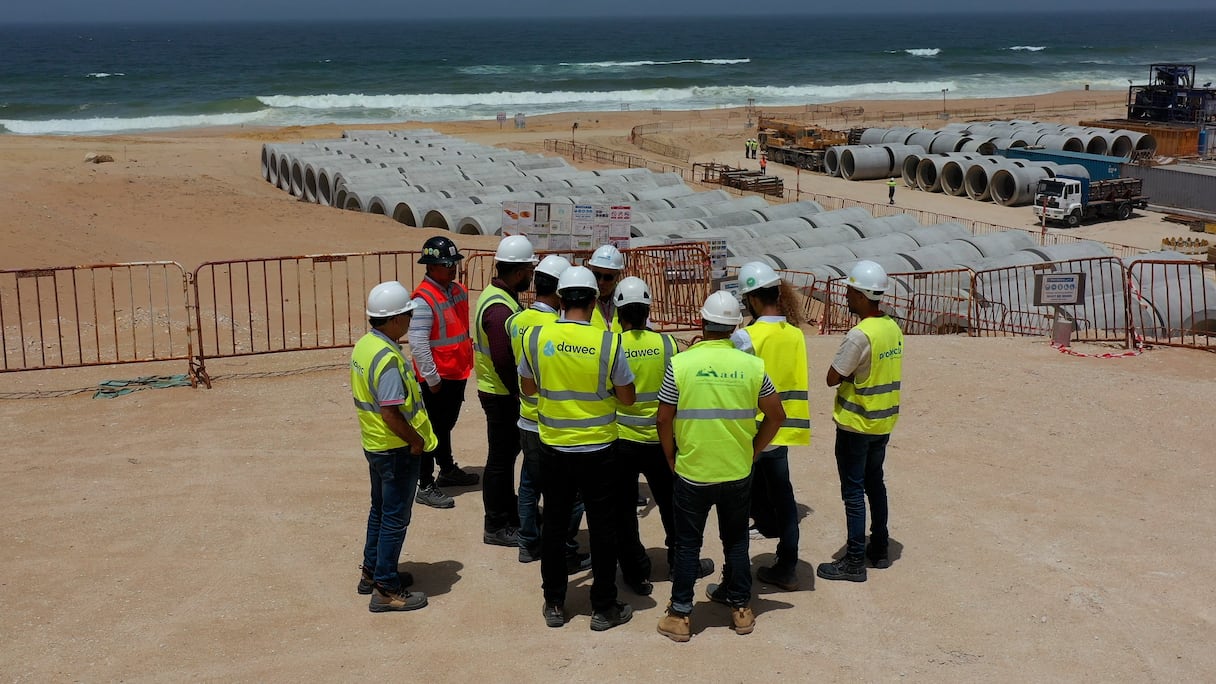
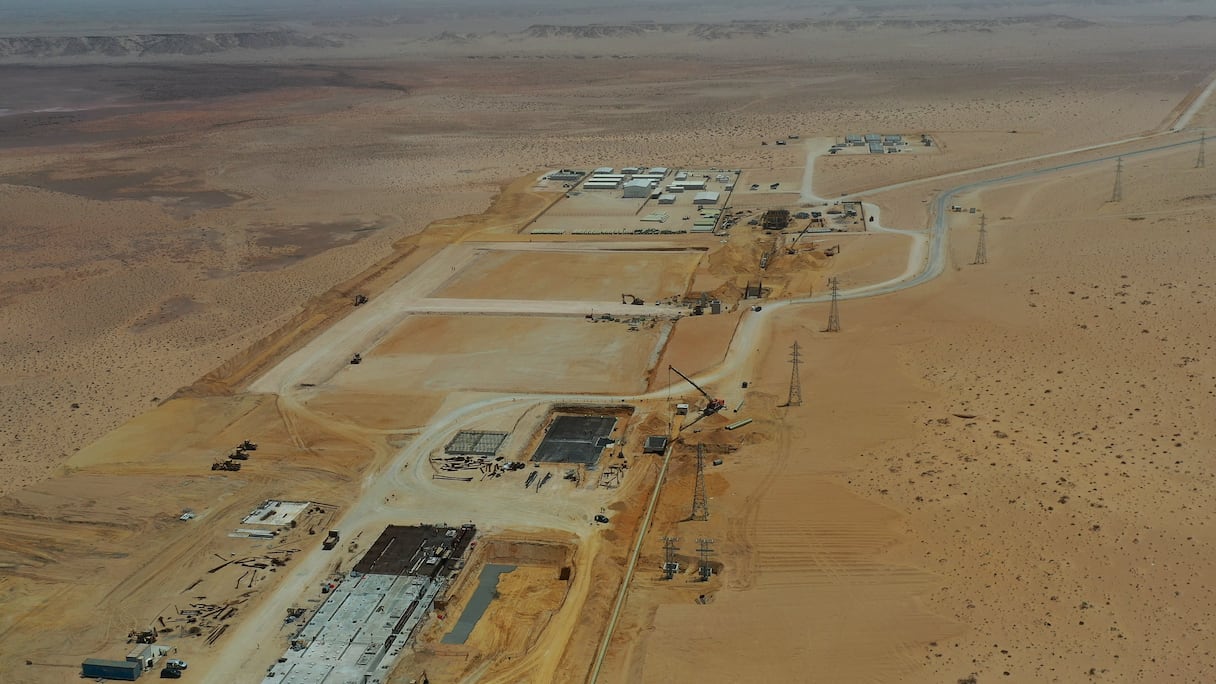
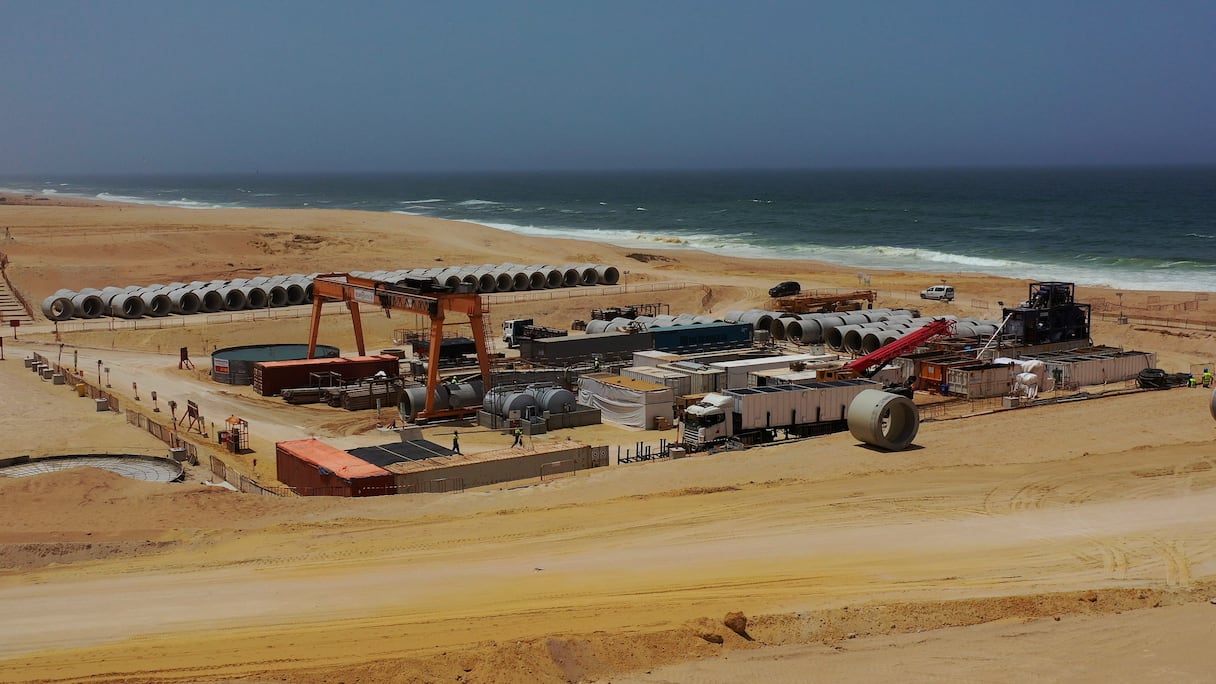
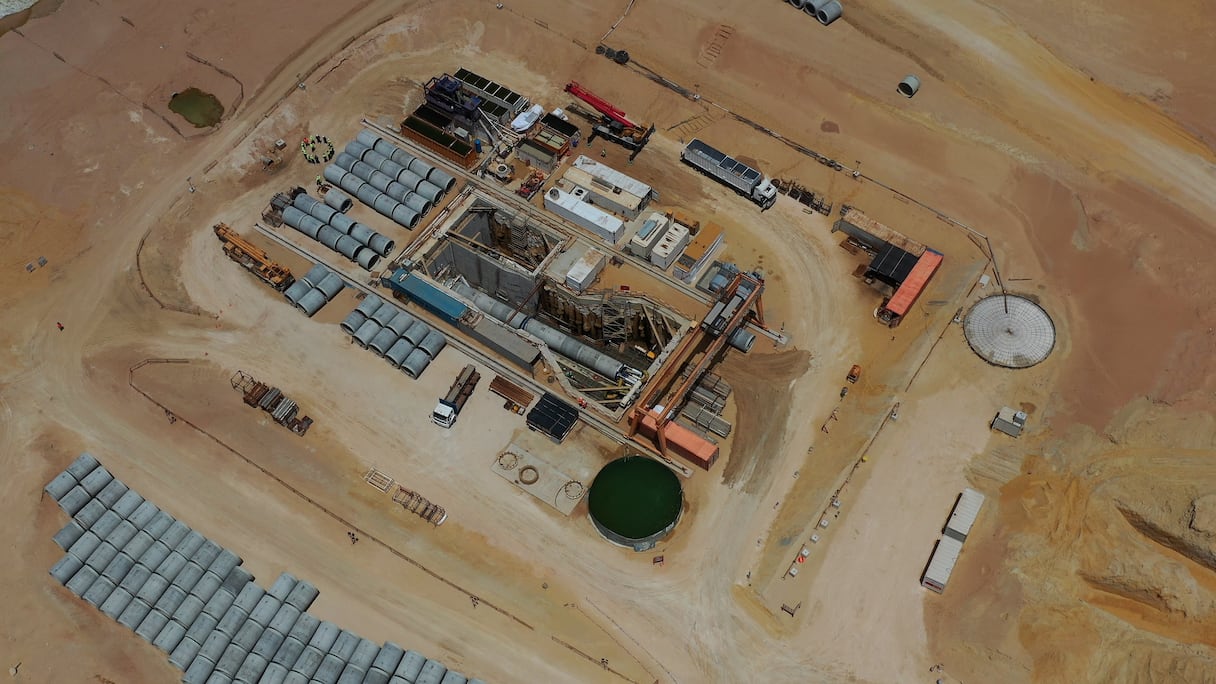
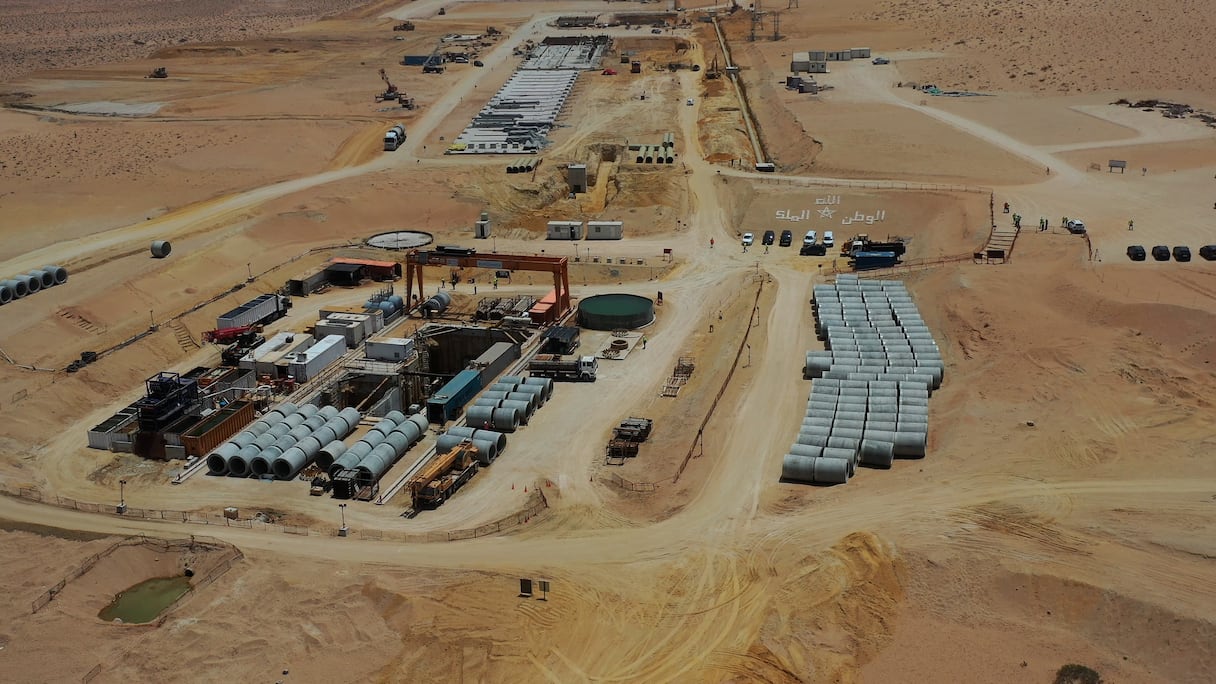
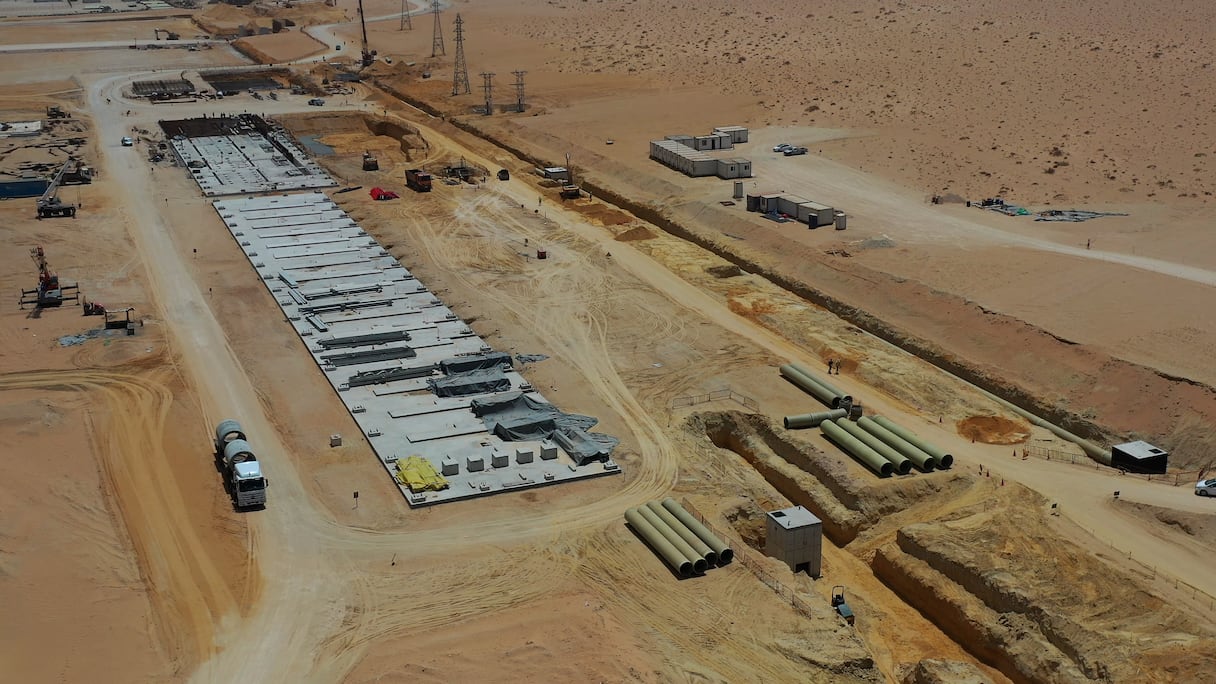
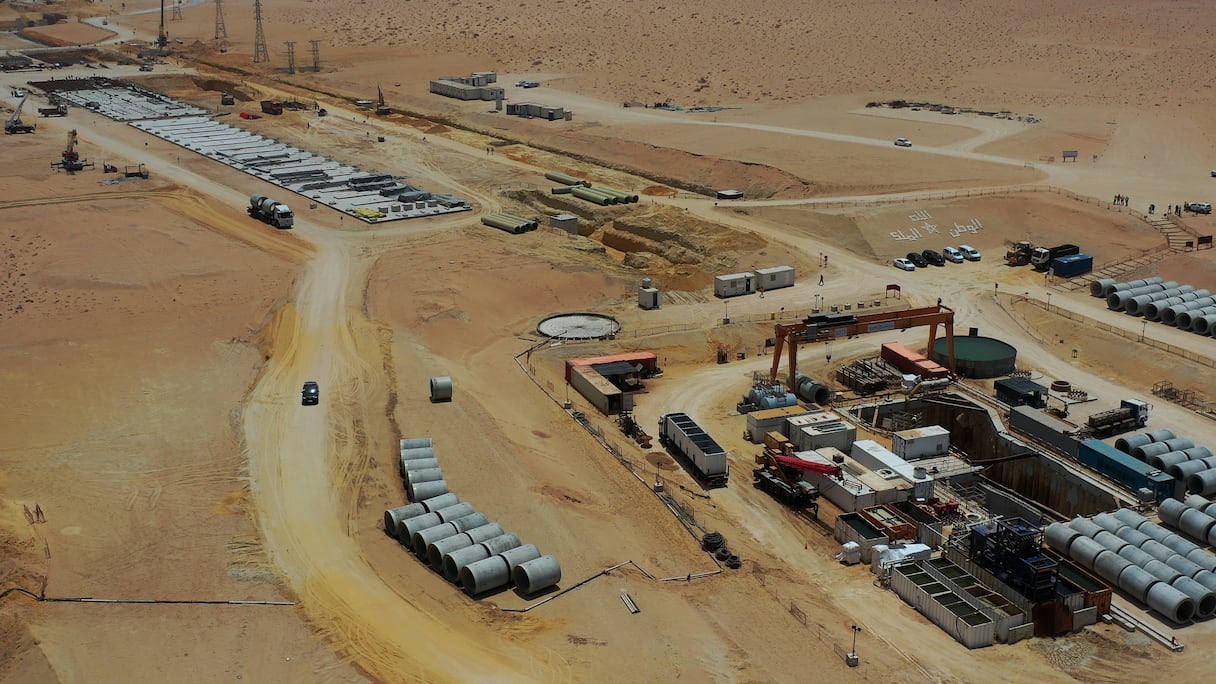
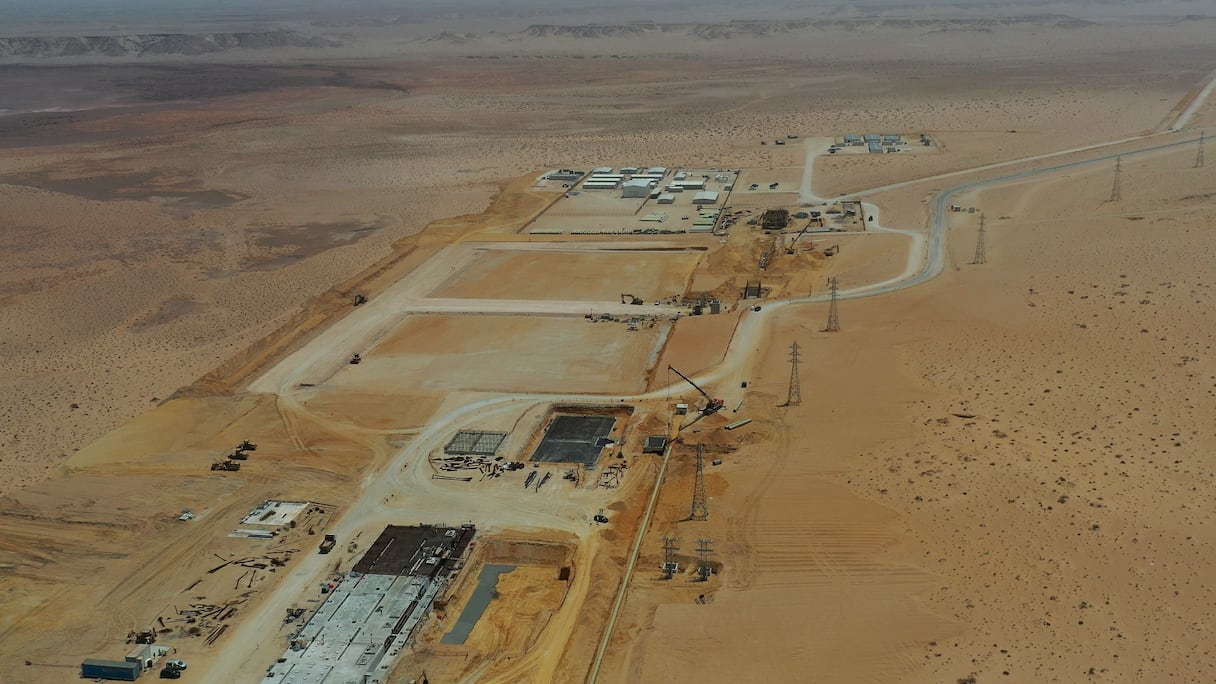
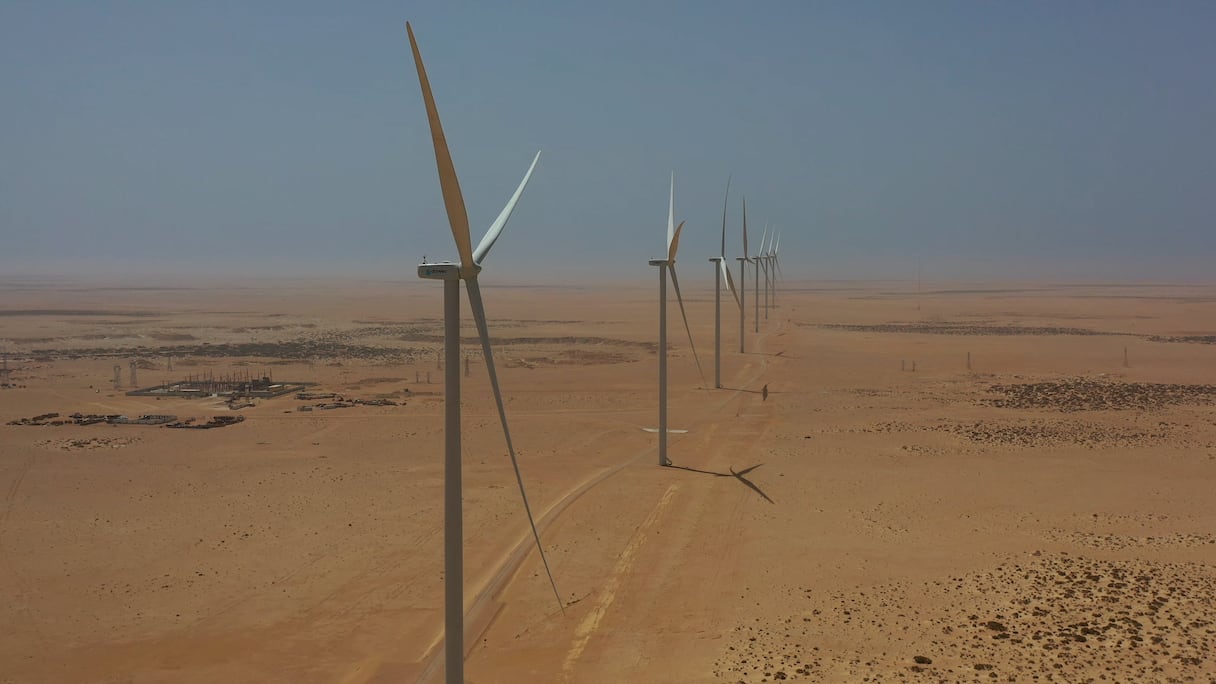
Construction site of the Dakhla desalination plant. (S. Bouaamoud/Le360)
The document also outlines plans for a new generation of desalination plants powered by renewable energy in the Oriental region, Souss-Massa, Tangier, Guelmim-Tantan, and Rabat, with commissioning scheduled between 2029 and 2030.
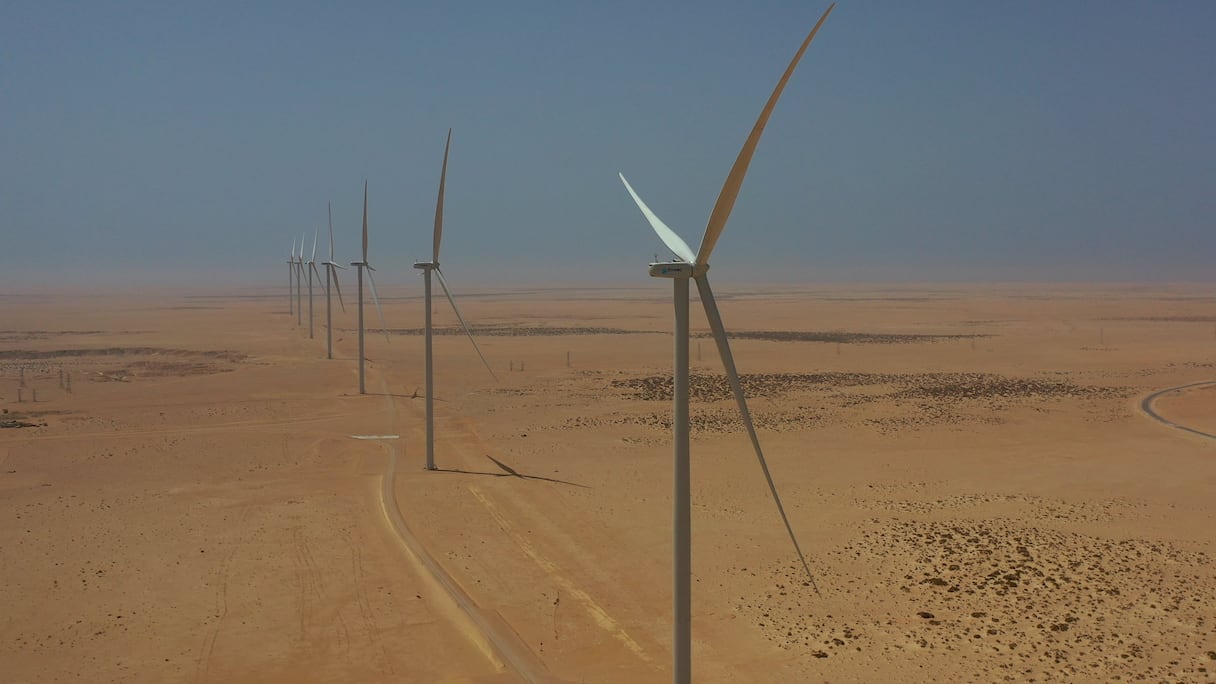
Alongside these projects, the energy component of the program provides for renewable electricity supplies to desalination facilities, with approximately 1,000 megawatts earmarked for this purpose. The projects include the Bir Anzarane and Jraïfia wind farms, as well as the Dakhla wind farm, which is already operational.
20.8 billion dirhams for water transport infrastructure
The report also details the launch of infrastructure projects to transport desalinated water from plants in Casablanca, Safi, Souss-Massa, the Oriental region, Rabat and Tangier, at a total cost of 20.8 billion dirhams. Two projects have already reached the testing stage: the supply of Casablanca and the transfer of water from the Safi plant to Marrakech.
The priority for 2027 is to secure water supplies to Marrakech from the Safi desalination plant and to cities across Greater Casablanca.
On agriculture, the report outlines public-private partnerships for agricultural desalination projects and measures to improve water-use efficiency across irrigated farmland.
It cites the Chtouka desalination project, developed through a public-private partnership, which already serves 15,000 hectares of farmland. According to the report, the project safeguards an estimated 9 billion dirhams in added value and nearly one million working days. The Dakhla project, meanwhile, is expected to support the production of almost 500,000 tonnes of early-season vegetables and create close to 10,000 permanent jobs.
Read also : Desalination plants, dams and water transfers: What Morocco’s new govt program proposes
In 2027, the government plans to complete work on the Dakhla seawater desalination project, which will serve 5,000 hectares. It is also opening negotiations on public-private partnerships to develop irrigation networks supplied with desalinated water. These would cover the 8,000-hectare Sidi Rahal agricultural area, supplied by the Casablanca plant, and the Moulouya irrigation area, which would receive water from the future Oriental desalination facility.
The report also links national sovereignty to the development of a Moroccan desalination and water-technology industry, supported by qualified domestic business consortia and the training of Moroccan specialists in this strategic sector.
The industrial component of the program sets a medium-term target of 45% to 55% local content across Morocco’s desalination industry.
