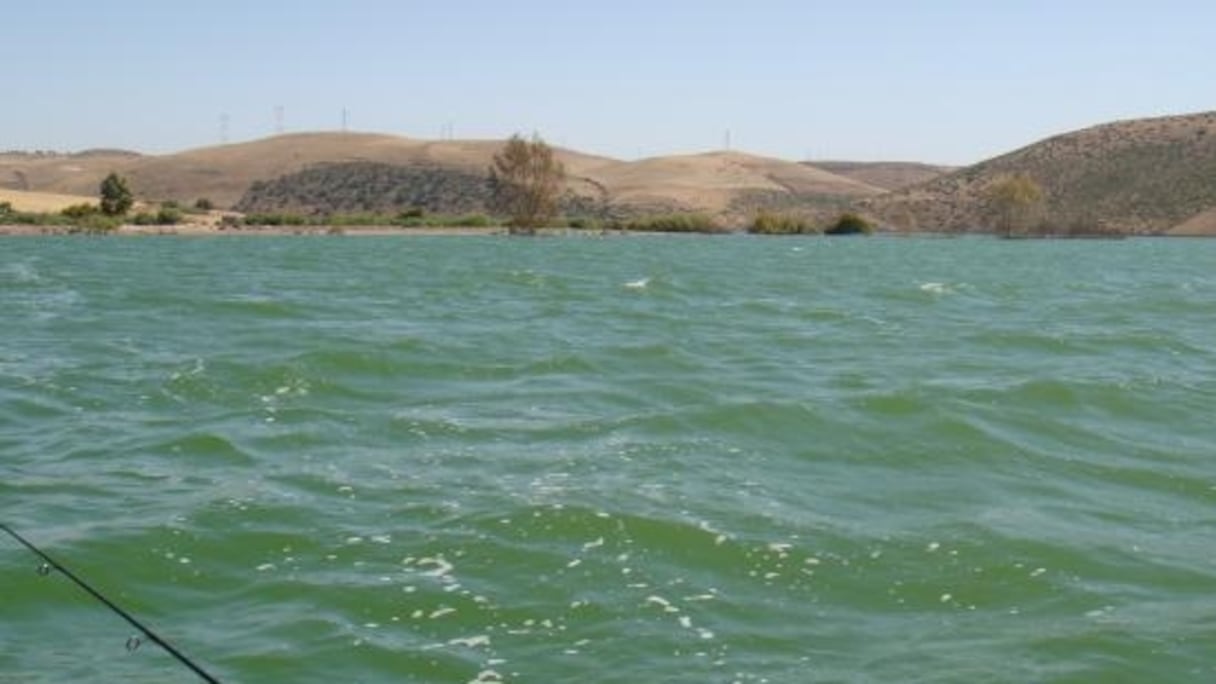
The reservoir of the Sidi Mohamed Ben Abdellah dam has expanded significantly in recent months, reflecting the contribution of the hydraulic interconnection with the Sebou basin. Commonly known as the “water highway,” the system currently transfers up to 1.2 million cubic meters of water per day at a flow rate of 15 cubic meters per second.
Of this volume, 800,000 cubic meters are transferred each day to secure drinking water supplies for the Rabat and Casablanca metropolitan areas. The remaining 400,000 cubic meters are used to replenish the dam’s reserves, contributing to the expansion of its reservoir.
Following the heavy rainfall recorded this year, the operation of the interconnection is being adjusted according to the dam’s water levels and demand. “We open or close the valves depending on requirements. When natural inflows are sufficient, we temporarily suspend transfers from the Sebou River,” a sector expert explained.
Meanwhile, feasibility studies for expanding the interconnection and eventually transferring water to the Al Massira dam are nearing completion. According to our source, construction could begin in early 2027. The project calls for two new pipelines to be added to the existing infrastructure, increasing the transfer capacity from 15 to 45 cubic meters per second, equivalent to around 4 million cubic meters per day.
The expansion will make it possible to harness part of the Sebou basin’s significant water resources, a substantial share of whose runoff naturally flows into the Atlantic Ocean at the river’s mouth near Kenitra. The annual volumes involved are estimated at more than 2 billion cubic meters.