Construction of the Targa Ou Madi Dam in Guercif Province has entered its final phase. With around 90% of the project completed, the strategic hydraulic infrastructure is now preparing for reservoir filling. Designed to hold 287 million cubic meters of water, the dam is a key part of Morocco’s strategy to strengthen its water resources. Once operational, it will help secure drinking water supplies, expand irrigation and support the region’s economic development.
A major hydraulic project
The Targa Ou Madi Dam is being built using a rockfill embankment with an upstream concrete face, a construction method known for its durability and well suited to large hydraulic projects.
The structure rises 116 meters high and stretches 584 meters across its crest. It also features a 294-meter reinforced concrete spillway designed to safely discharge floodwaters during periods of exceptionally high flow. In addition, the project includes a 327-meter hydroelectric tunnel that will supply a future power plant, as well as separate water intake systems for drinking water and irrigation.
Work enters its final stage
Construction is now focused on the final phases of the project, including equipment installation and commissioning. Earthworks on the main embankment are nearly complete, while civil engineering work on the spillway has been almost entirely finished.
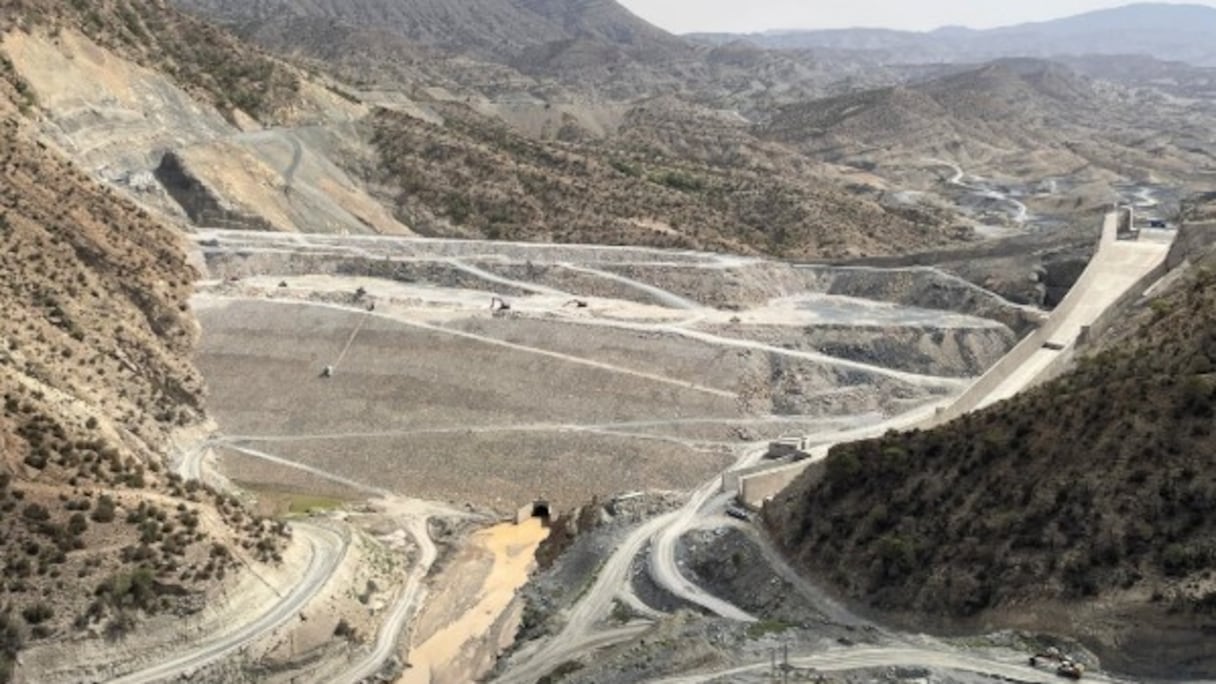
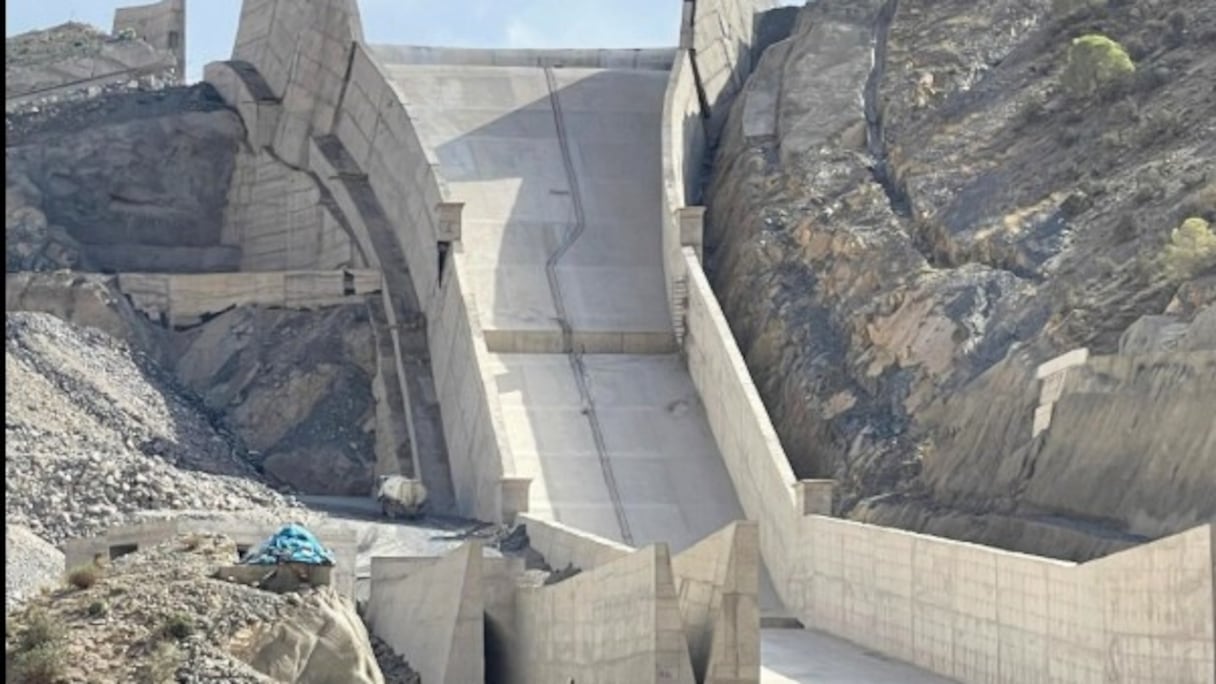
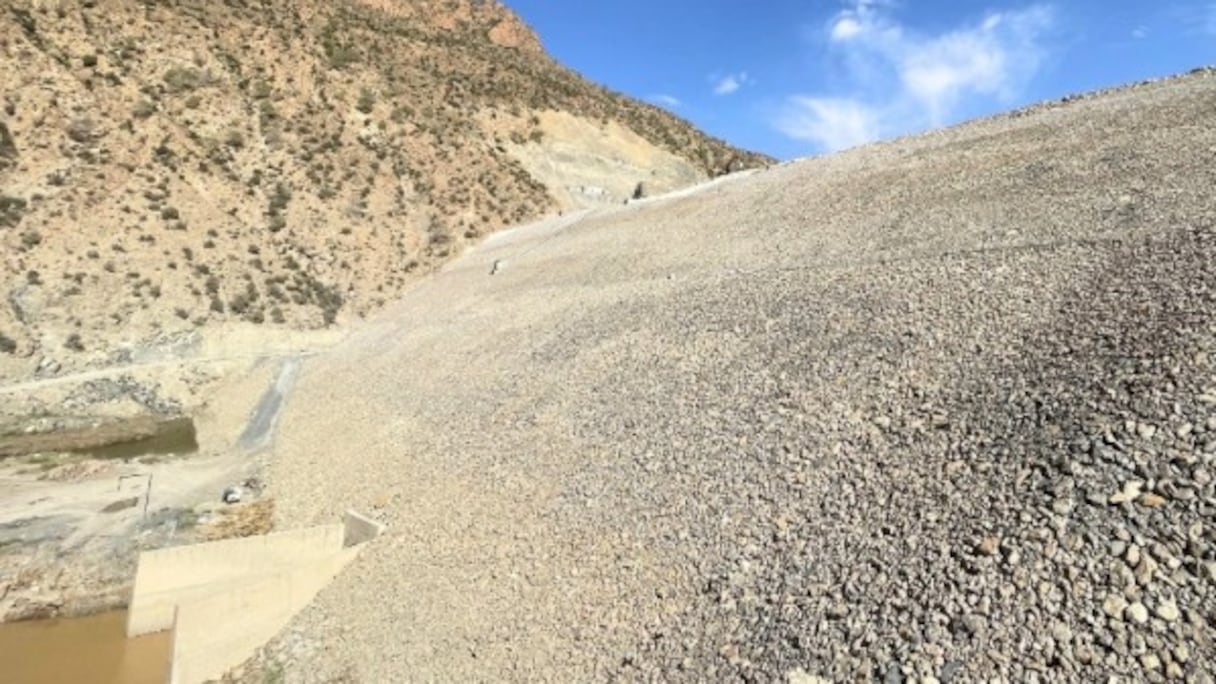
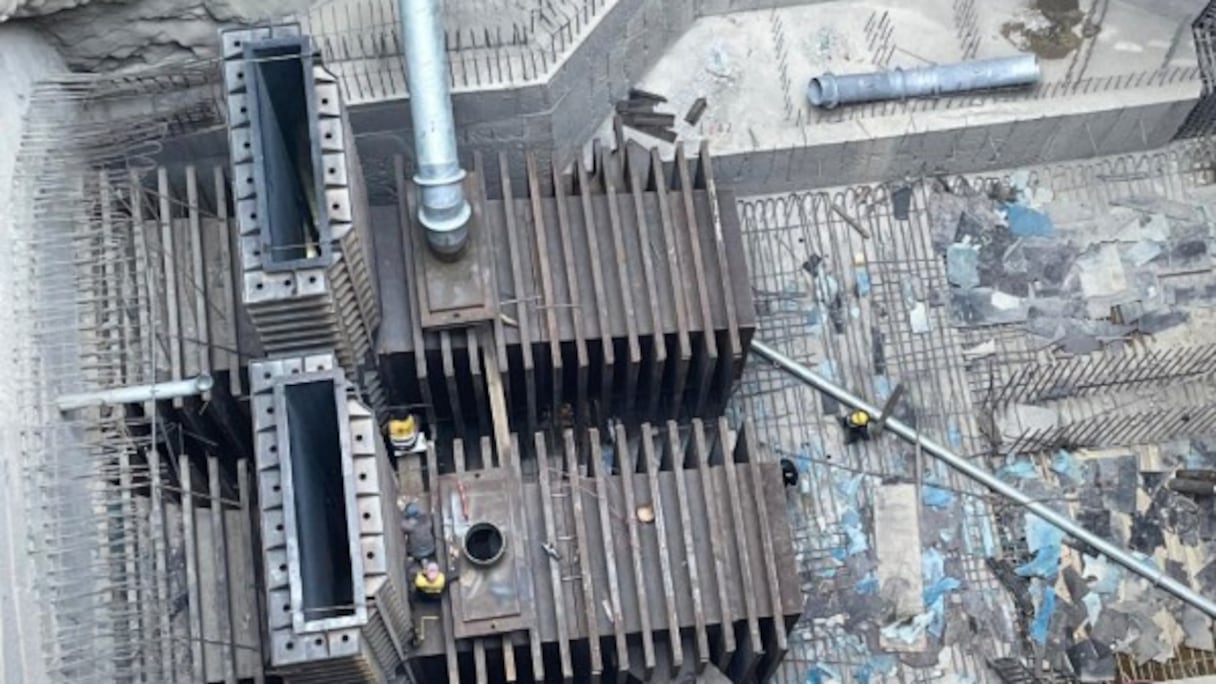
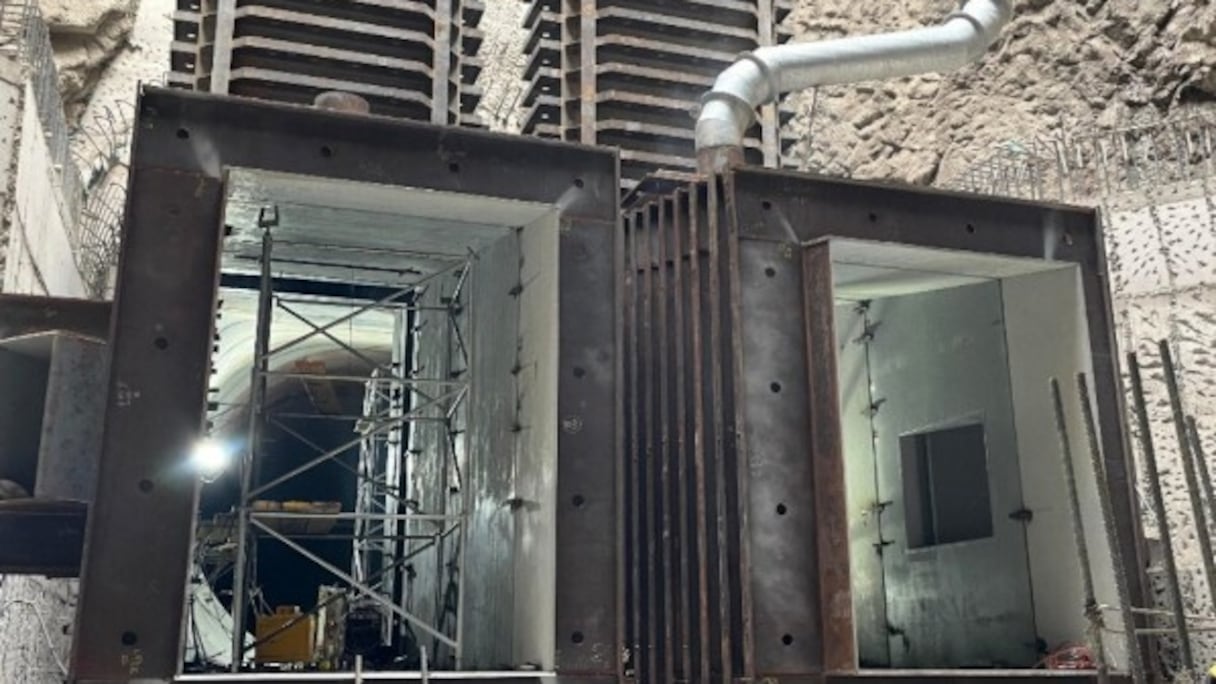
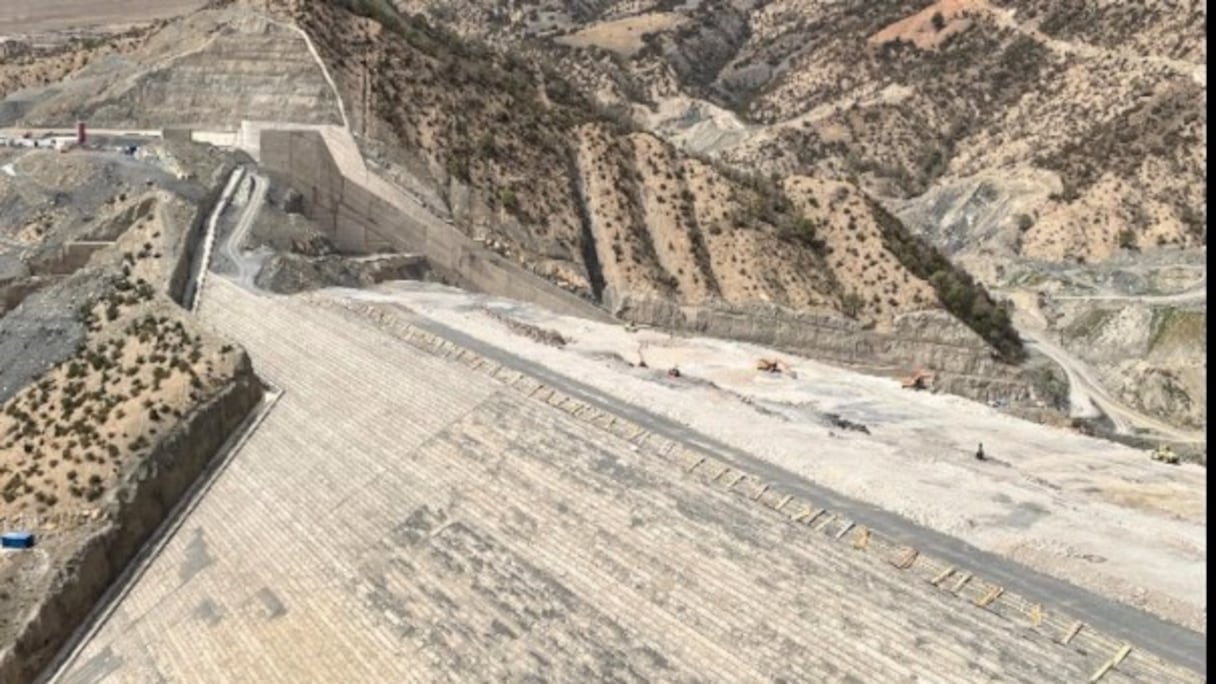
Construction of the Targa Ou Madi Dam in Guercif. DR
At the same time, teams are installing hydromechanical equipment along with monitoring and instrumentation systems that will continuously track the dam’s structural behaviour and ensure its safe operation once it enters service.
Strengthening water security and regional development
Beyond its engineering importance, the Targa Ou Madi Dam is expected to play a major role in the sustainable management of water resources. It will provide a long-term boost to drinking water supplies for the city of Guercif and neighbouring municipalities while improving the region’s resilience to recurring droughts.
The project will also help expand and secure downstream irrigated areas, improving the use of agricultural land, increasing crop yields and raising farmers’ incomes.
In addition, the dam will generate hydroelectric power, protect downstream communities from flooding and contribute to groundwater recharge through more efficient water management.
The future reservoir is also expected to open up new opportunities for regional development, particularly in ecotourism, water-based activities and leisure, helping support the area’s economic growth.
