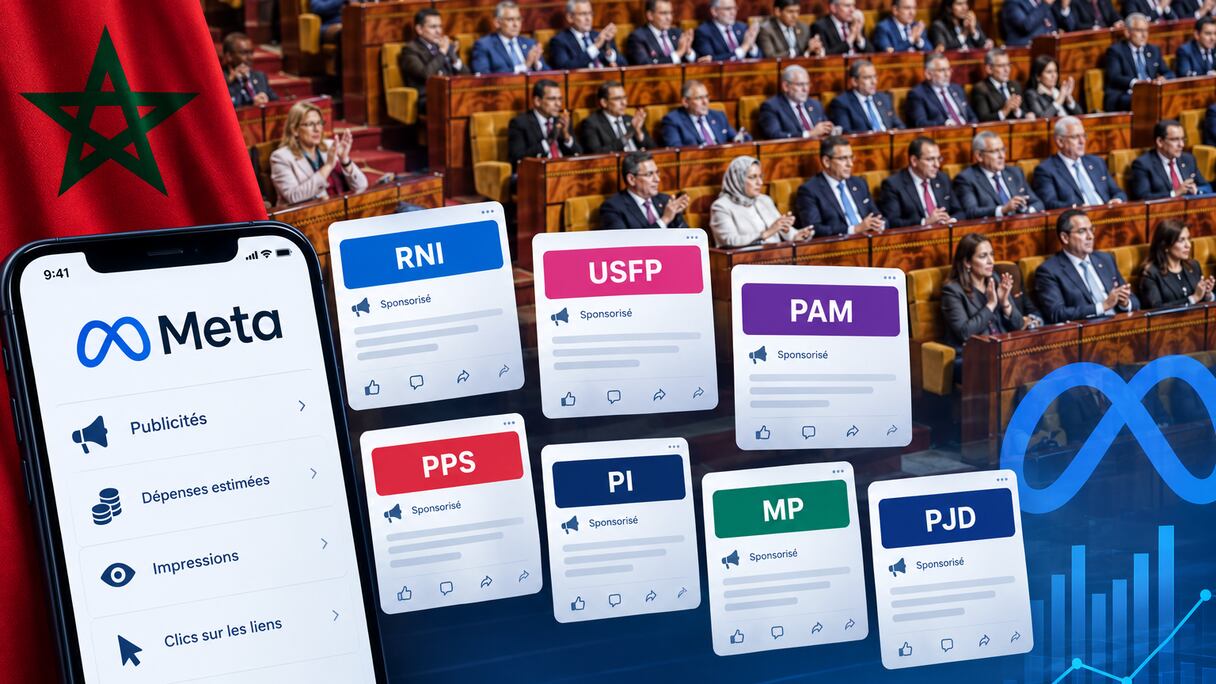
Following the final results of Morocco’s legislative elections on Wednesday, September 23, 2026, Meta’s public data offers another way to examine the campaign by comparing the amounts parties invested in advertising on the group’s platforms in the weeks leading up to the vote.
The figures presented here come from Meta’s Ad Library and cover the 90 days preceding September 22. For some parties, they include spending from pages belonging to figures affiliated with them. All amounts are expressed in US dollars.
The National Rally of Independents (RNI) ranked first with $189,384 spent across 936 advertisements and three pages. The main party page, which was the most active, accounted for $176,664 across 873 advertisements. The other two pages recorded $11,762 for 31 advertisements on the RNI Program page and $958 for 32 advertisements on the page of Mohamed Chaouki, who is affiliated with the party.
Read also : Final count leaves election night verdict untouched
The Authenticity and Modernity Party (PAM) followed with $61,343, but across 1,769 advertisements, the highest number recorded among all the parties. The party’s page accounted for $32,087 across 886 advertisements, while Fatima Ezzahra El Mansouri’s page spent $20,506 on 663 advertisements and Mehdi Bensaid’s page spent $8,750 on 220 advertisements.
The gap between the two parties is also reflected in their average spending per advertisement. The figure was around $202 for the RNI compared with approximately $35 for the PAM, a ratio of nearly six to one.
The Istiqlal Party ranked third with $21,256 spent on 225 advertisements. The Socialist Union of Popular Forces (USFP) recorded $11,892 across 114 advertisements, including $1,081 spent on 11 advertisements through the page of Driss Lachguar. The Party of Progress and Socialism (PPS) spent $5,638 on 214 advertisements.
The remaining amounts were significantly lower. The Democratic Left Federation (FGD) spent $926 on 99 advertisements, the Unified Socialist Party (PSU) $219 on nine advertisements, the Justice and Development Party (PJD) $84 on nine advertisements and the Popular Movement (MP) $51 on four advertisements.
Together, the RNI and PAM accounted for $250,727, or around 86% of the recorded spending. The other seven parties shared $40,066.
Spending per seat ranges from $1.56 to $2,869
Comparing advertising spending with the number of seats won provides a way to examine parties of different sizes on the same basis. The calculation uses the provisional ranking of the House of Representatives, which has 395 seats.
| Party | Spending (dollars) | Seats | Spending per seat (dollars) |
|---|---|---|---|
| RNI | 189,384 | 66 | 2,869 |
| PAM | 61,343 | 97 | 632 |
| USFP | 11,892 | 26 | 457 |
| Istiqlal | 21,256 | 65 | 327 |
| PPS | 5,638 | 19 | 297 |
| MP | 51 | 29 | 1.76 |
| PJD | 84 | 54 | 1.56 |
The RNI recorded the highest spending per seat at $2,869, around 4.5 times the PAM’s figure. The difference is even more pronounced when compared with Istiqlal. The two parties won almost the same number of seats, 66 and 65 respectively, while the RNI spent around 8.9 times more.
At the other end of the table, the PJD won 54 seats with $84 in Meta advertising spending, equivalent to $1.56 per seat. The MP recorded a similar figure at $1.76 per seat. This ratio compares spending with an electoral result but does not measure the effect of advertising on voting.
During the previous electoral cycle, between March and August 2021, Moroccan parties spent around $177,000 on electoral advertising on Facebook. Nearly 90% of that amount came from a single party, the RNI.
The spending recorded this year reached $290,793 over 90 days, compared with six months in 2021. The two sets of figures are not strictly comparable, however. The 2021 figure covers electoral advertising on Facebook, while the 2026 data covers all Meta platforms and includes pages belonging to figures affiliated with political parties. The comparison therefore provides an indication of the scale involved rather than an exact measure of the increase.
The distribution has also changed. The RNI’s share fell from nearly 90% to around 65% of the total, while the PAM now accounts for about 21%.
Why digital spending alone is not enough
The spending ranking and the seat ranking do not coincide. The RNI, which ranked first in spending, came second in seats, while the PAM ranked second in spending and first in seats. The PJD, which was second from last in spending among the nine parties examined, ranked fourth in seats. The USFP and PPS, which ranked fourth and fifth in spending, came sixth and seventh respectively in the provisional seat ranking. Istiqlal was the only party to hold the same position, third, in both rankings.
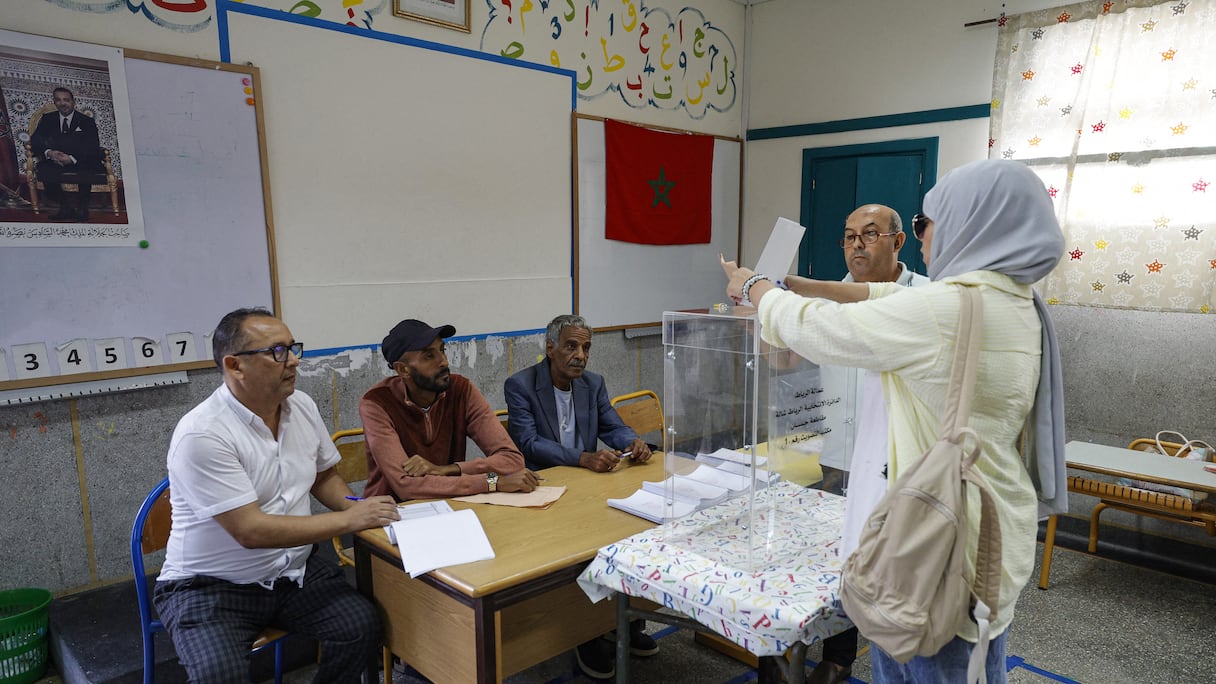
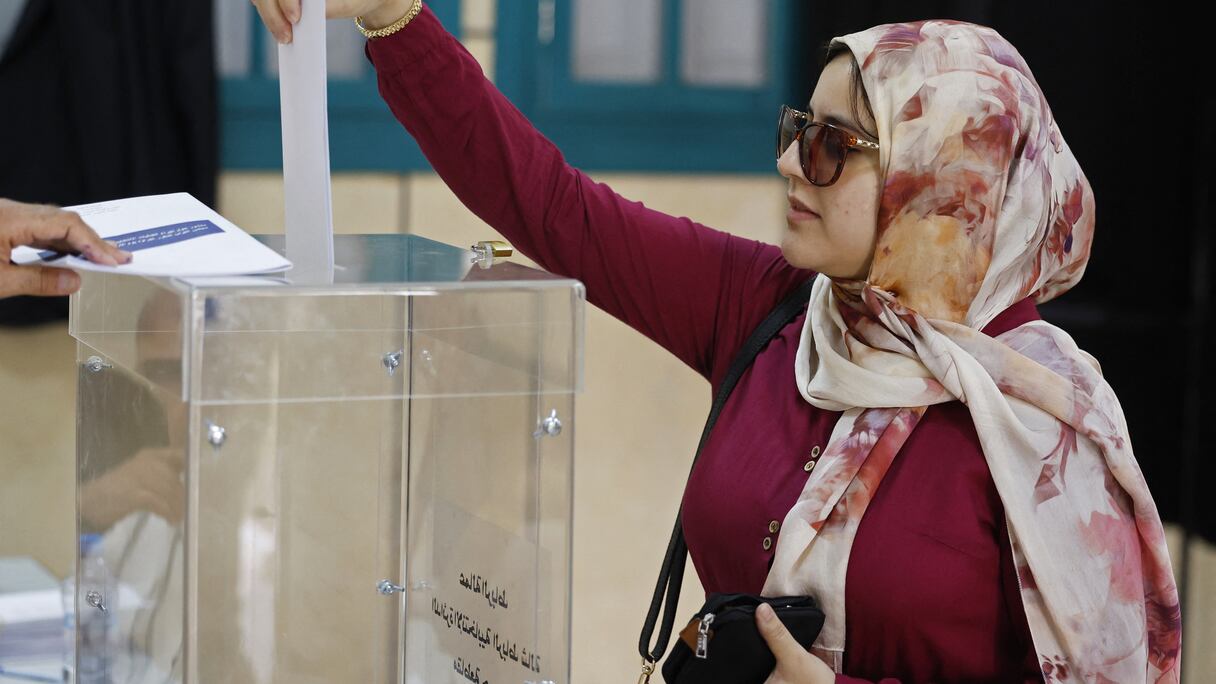


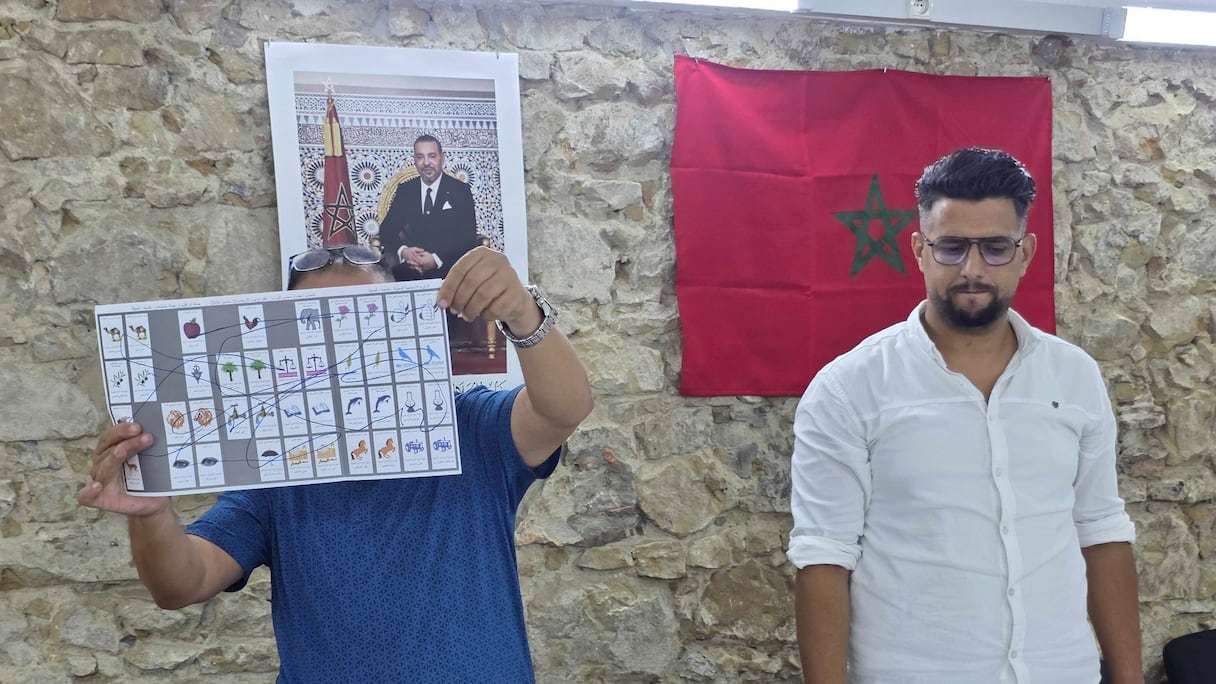

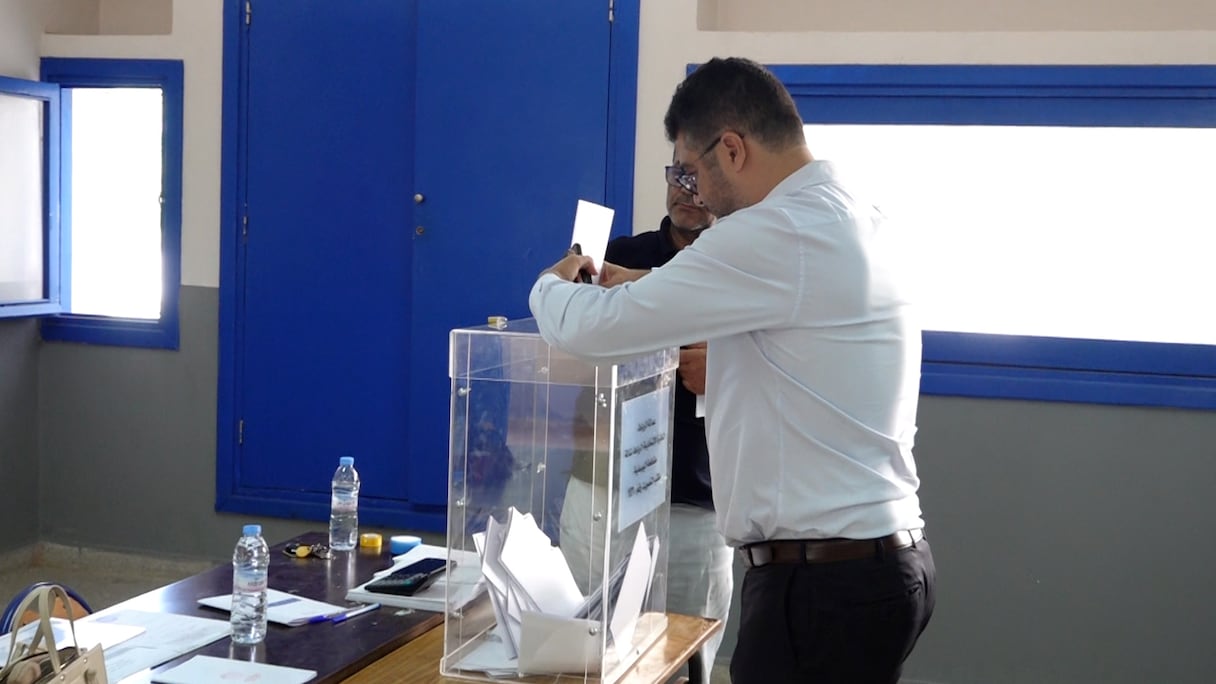
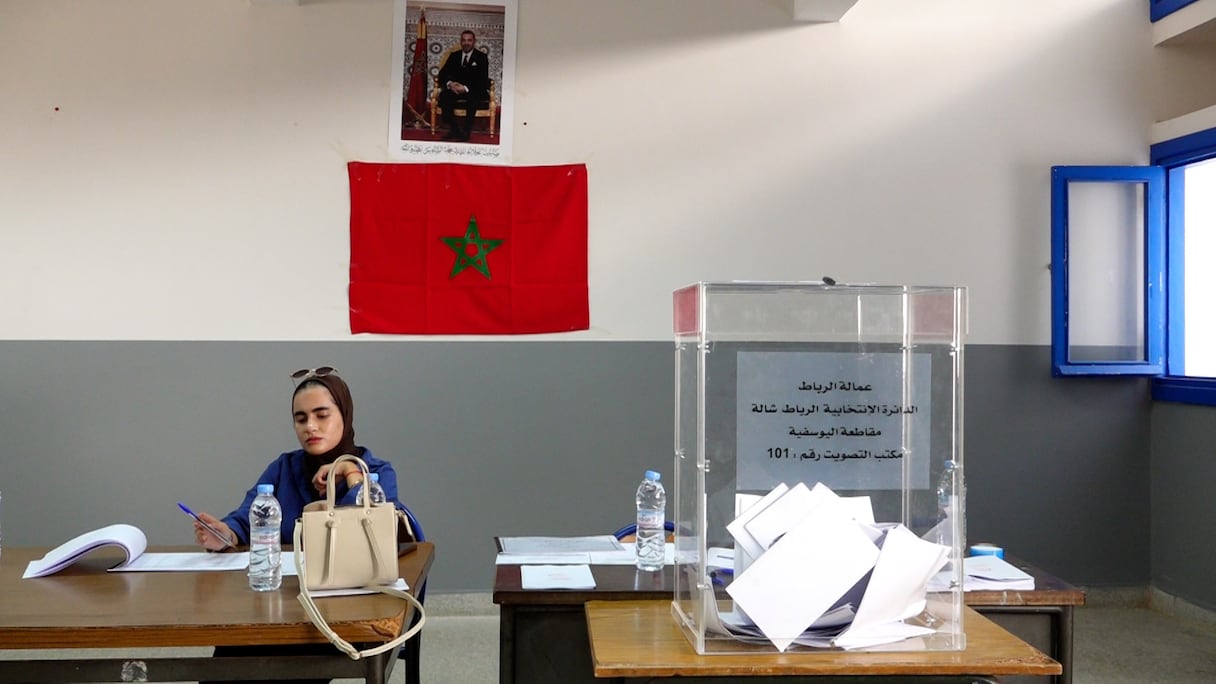
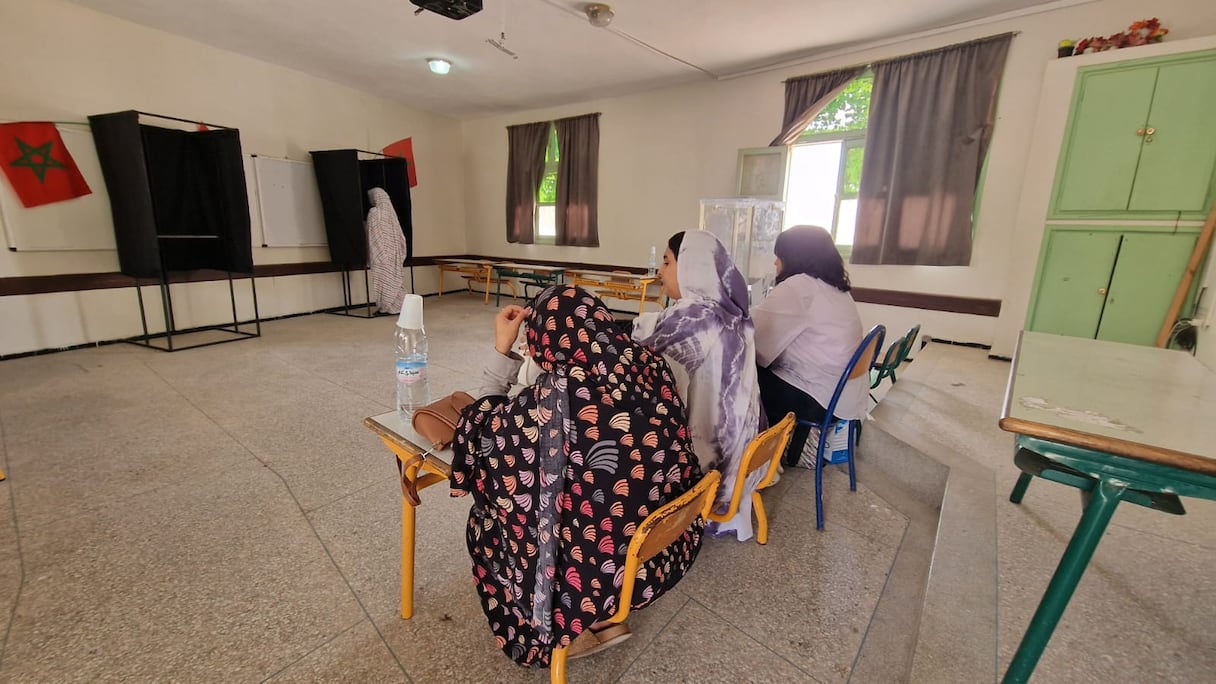
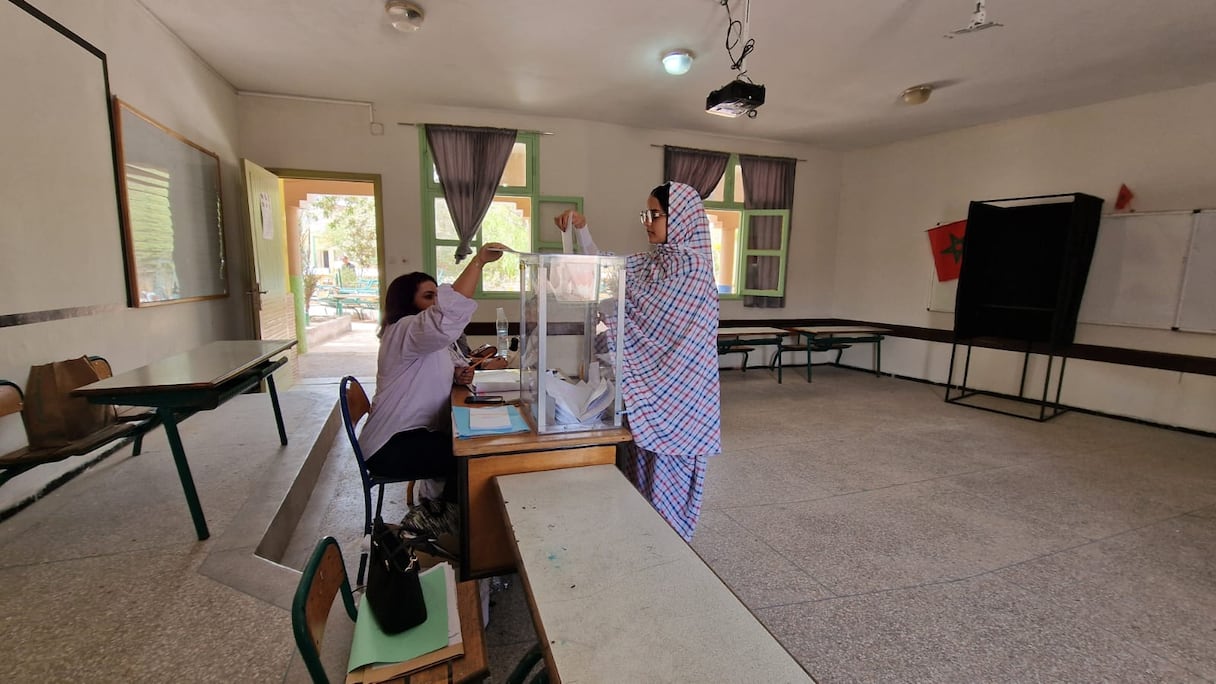
Dans un bureau de vote à Rabat.. AFP
This gap comes against the backdrop of an election in which turnout stood at 38%, the lowest level recorded since 2007.
Party spending was not the only digital activity aimed at mobilizing voters. The Élections Maroc page, which has 934,000 followers, ran 33 advertisements encouraging Moroccans to vote for a total of $28,641. That amount was higher than the spending recorded by Istiqlal.
Meta removed all of the advertisements because they did not carry the mandatory disclosure required for political content.
The available data does not make it possible to measure the effect of this campaign on turnout, nor does it establish the impact of the parties’ campaigns on participation.
The Ad Library figures also cover only paid advertisements distributed on Meta’s platforms. They do not include unsponsored posts, other social networks or on-the-ground campaigning.
Elected representatives and political parties have 90 days after the election to submit detailed statements of their campaign spending to the Court of Auditors.
Until the reform introduced at the end of 2025, Moroccan electoral law did not regulate digital campaigning. The first accounts produced under the new framework will allow for a verification that was not previously possible by comparing the amounts declared by each party with observable spending, advertisement by advertisement, in Meta’s Ad Library.
