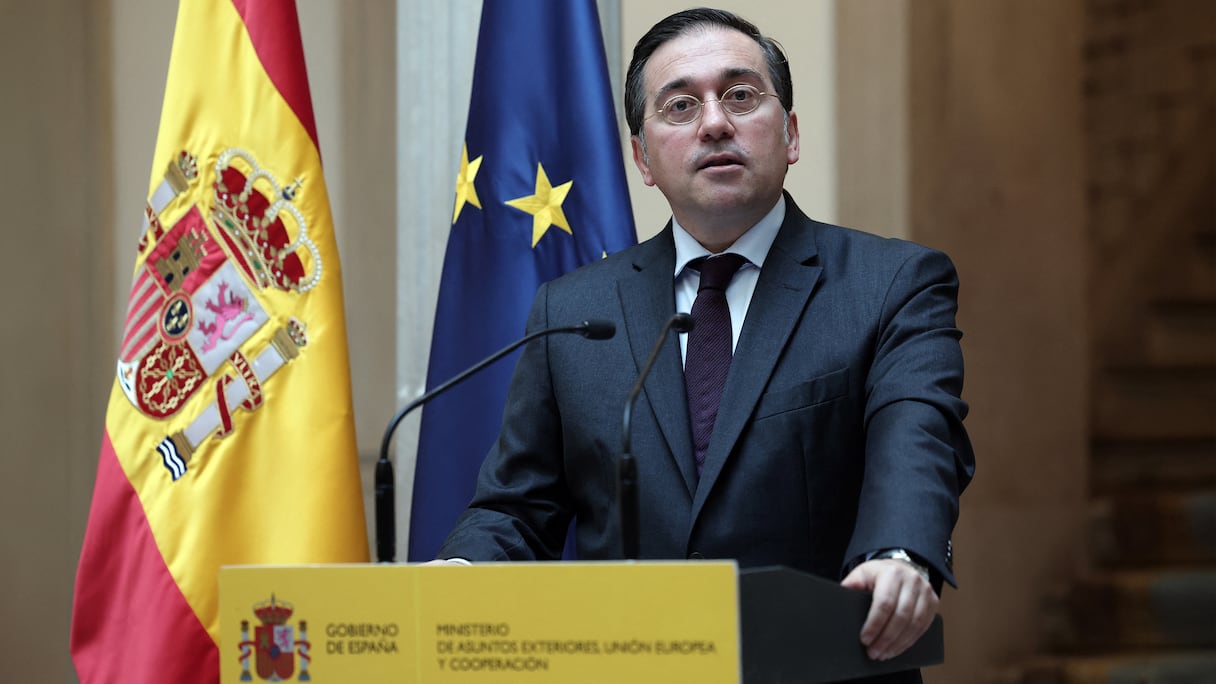
Speaking in an interview with Spain’s public broadcaster TVE, Albares said he remained in direct contact with Moroccan authorities throughout the crisis and stressed that Morocco had been committed from the outset to returning those who crossed.
“From the very first moment, Morocco offered its cooperation,” Albares said.
He added that Moroccan authorities immediately deployed security resources to help stem the flow of irregular migrants “without asking for anything in return.”
According to the Spanish foreign minister, close coordination between Rabat and Madrid enabled both countries to rapidly activate return procedures. He said “the vast majority” of those who entered Ceuta irregularly have already been returned.
Albares also defended maintaining close dialogue with Morocco, describing bilateral cooperation as essential to managing the crisis and accelerating migrant returns.
His remarks came a day after Morocco’s Interior Ministry released its official assessment of the recent attempts to reach Ceuta and Melilla.
According to the ministry, around 40,000 people took part in attempts to enter Ceuta irregularly, while 1,135 attempted to reach Melilla. Moroccan authorities attributed the surge to migrant smuggling networks, misleading information circulating on social media, and misinterpretations of certain Spanish court rulings.
The ministry said 11 people died during attempts to reach Ceuta—10 by drowning and one after falling from a rocky area—while all those who managed to enter Melilla were immediately returned.
Morocco also said returns from Ceuta are continuing in coordination with Spanish authorities, reaffirming its commitment to working with international partners to combat irregular migration and dismantle human trafficking networks.
