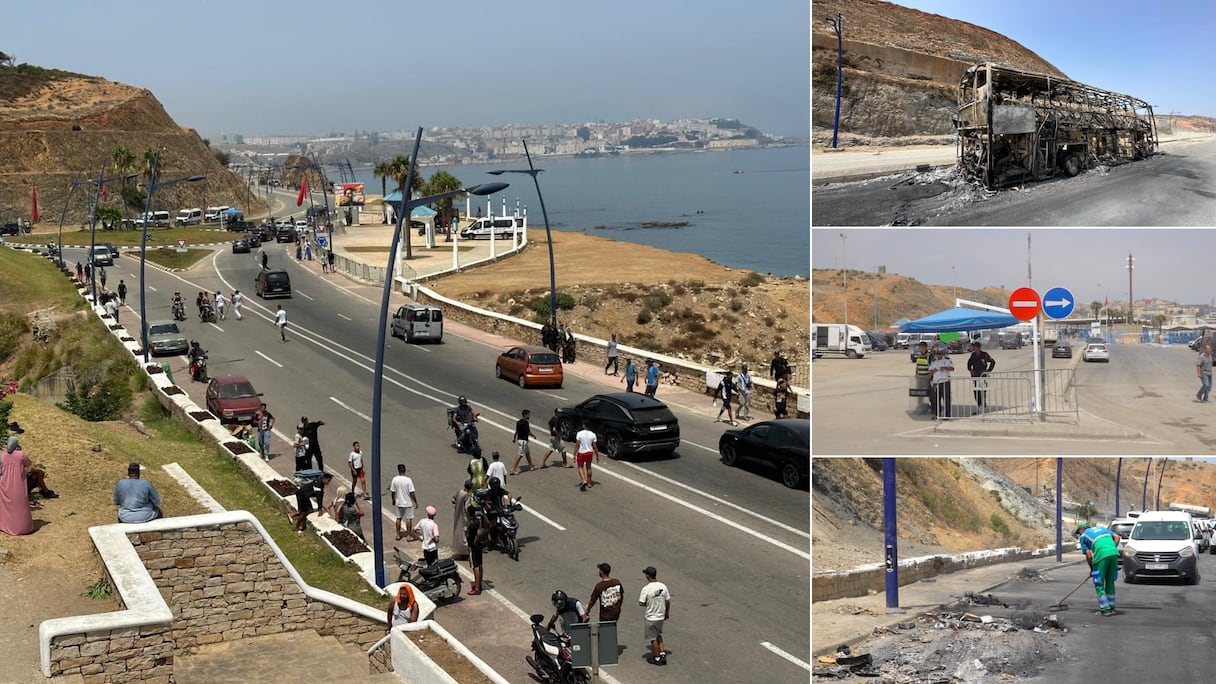
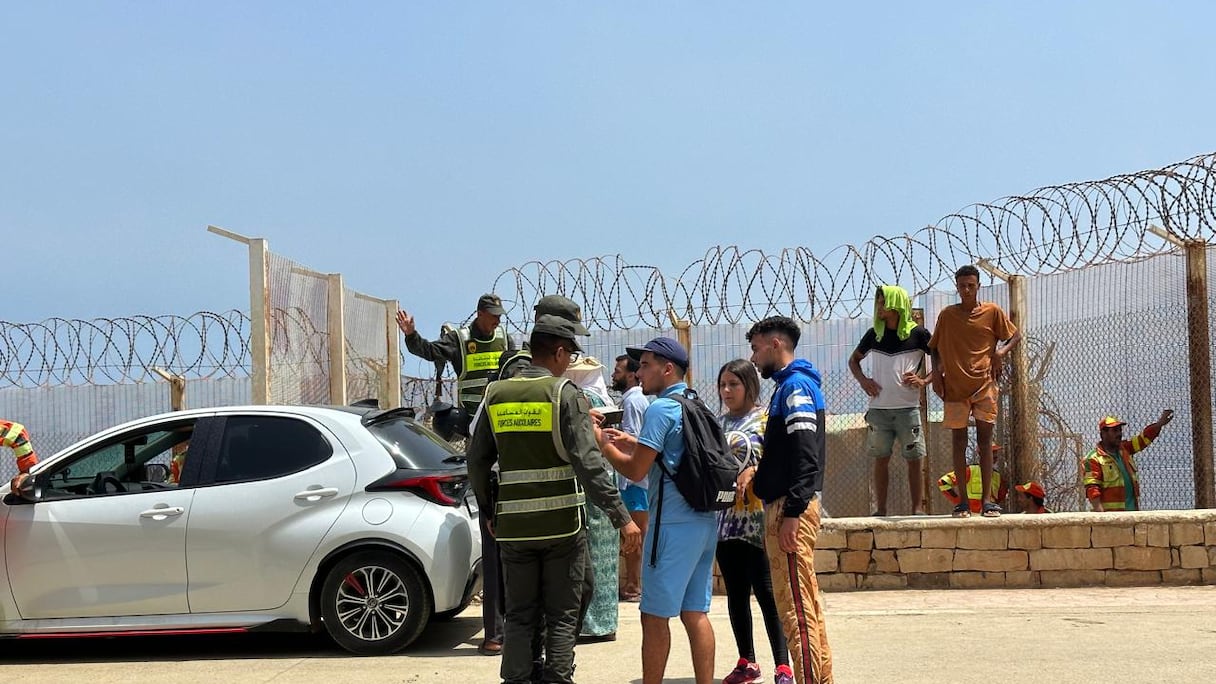
From the early hours of the day, authorities deployed a large security presence around the Ceuta border crossing. Public security personnel were mobilized to provide humanitarian assistance to dozens of people who had returned to the city of Fnideq. Meals were distributed, while ambulances transported the injured to the hospital under the supervision of local authorities.
After two days of forced closure, shops and cafés in the city center reopened, marking the resumption of economic activity. The closures had followed disruptions caused by the influx of people attempting irregular migration.
Along the coast, traffic on the Fnideq corniche returned to normal. Roads leading to the highway and the Ksar Sghir road were reopened, facilitating travel for Moroccans living abroad, tourists, and residents of Ceuta.
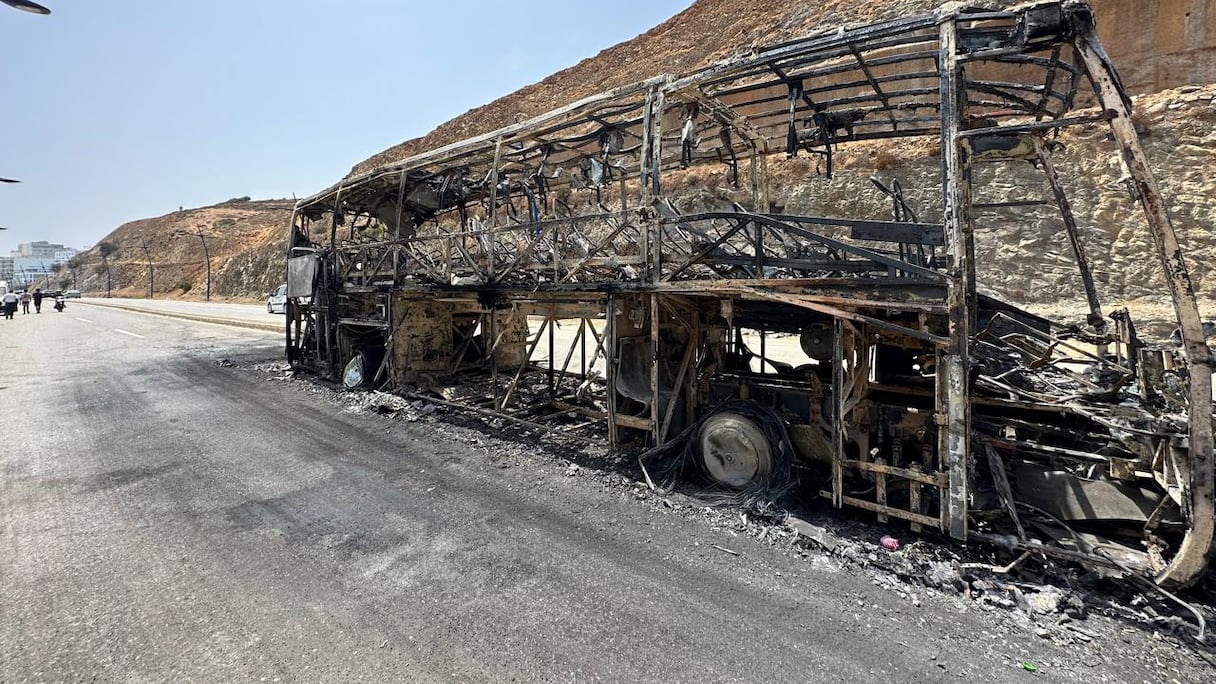
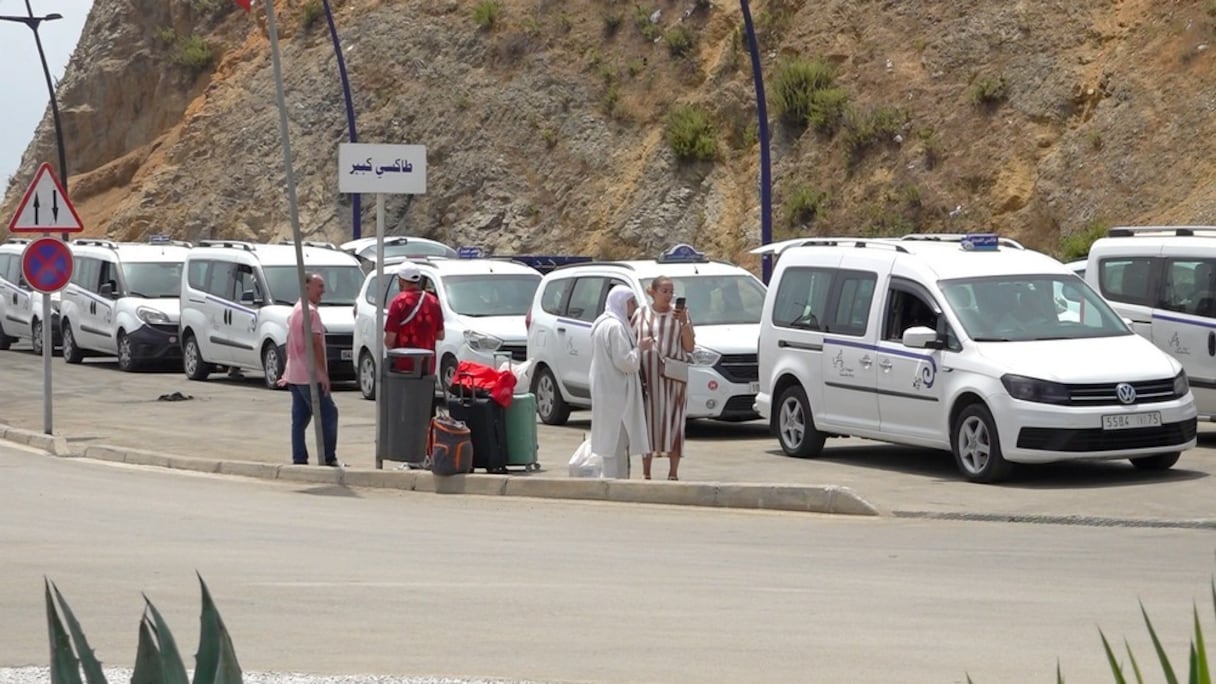
The transport sector also resumed operations. Shared taxis began operating again from the Bab Sebta station despite losses incurred after two vehicles were set on fire during the incidents. Professionals in the sector expressed relief at the restoration of security in the area.
At the same time, Moroccan authorities, in coordination with their Spanish counterparts, stepped up land and maritime patrols to prevent any new attempts to reach Ceuta by swimming. A 500-meter floating barrier was installed offshore with the assistance of a Spanish Civil Guard vessel as part of the close cooperation between the two sides.
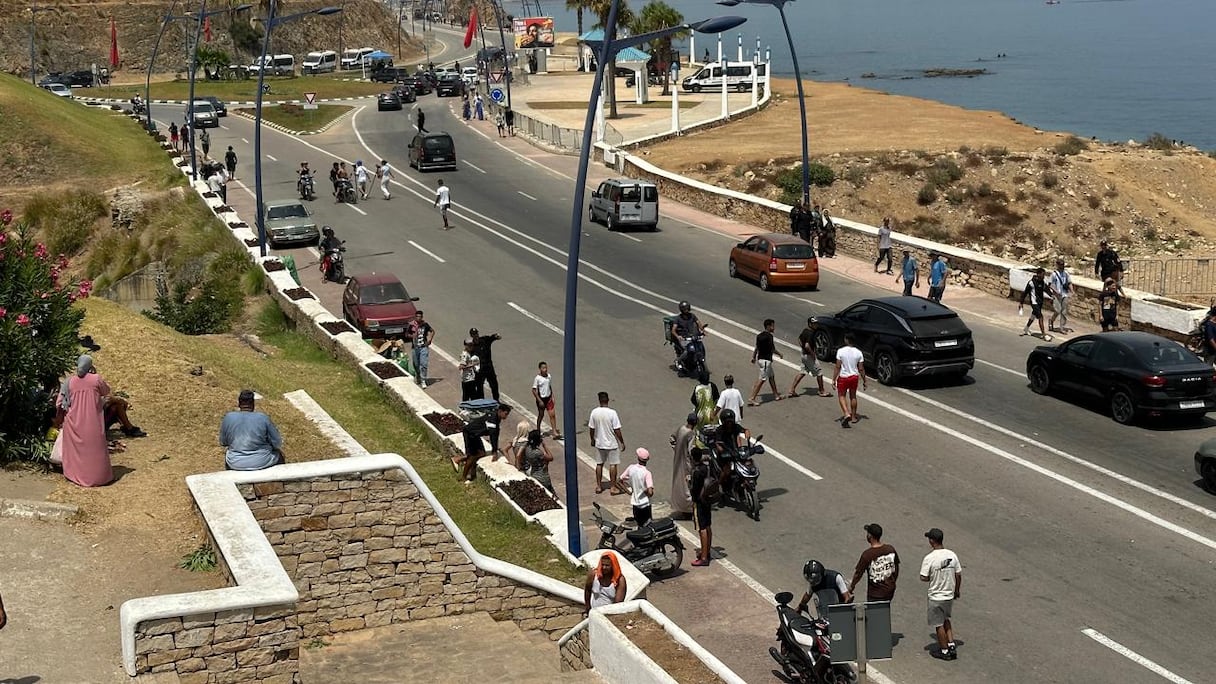
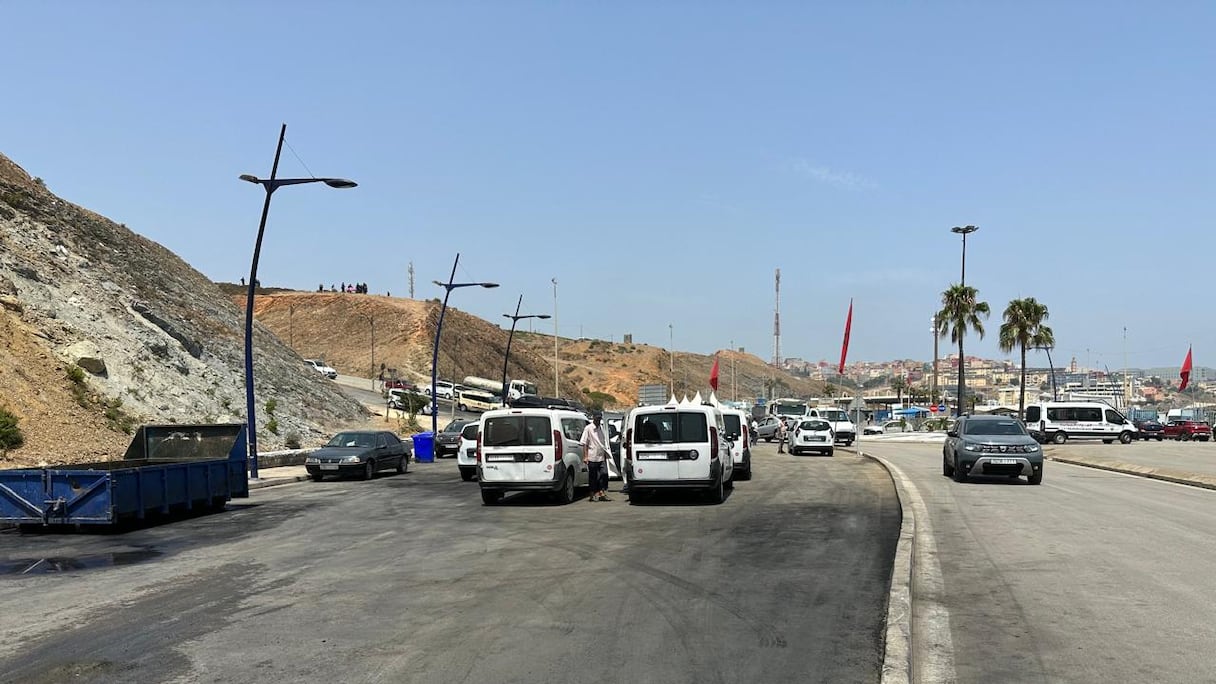
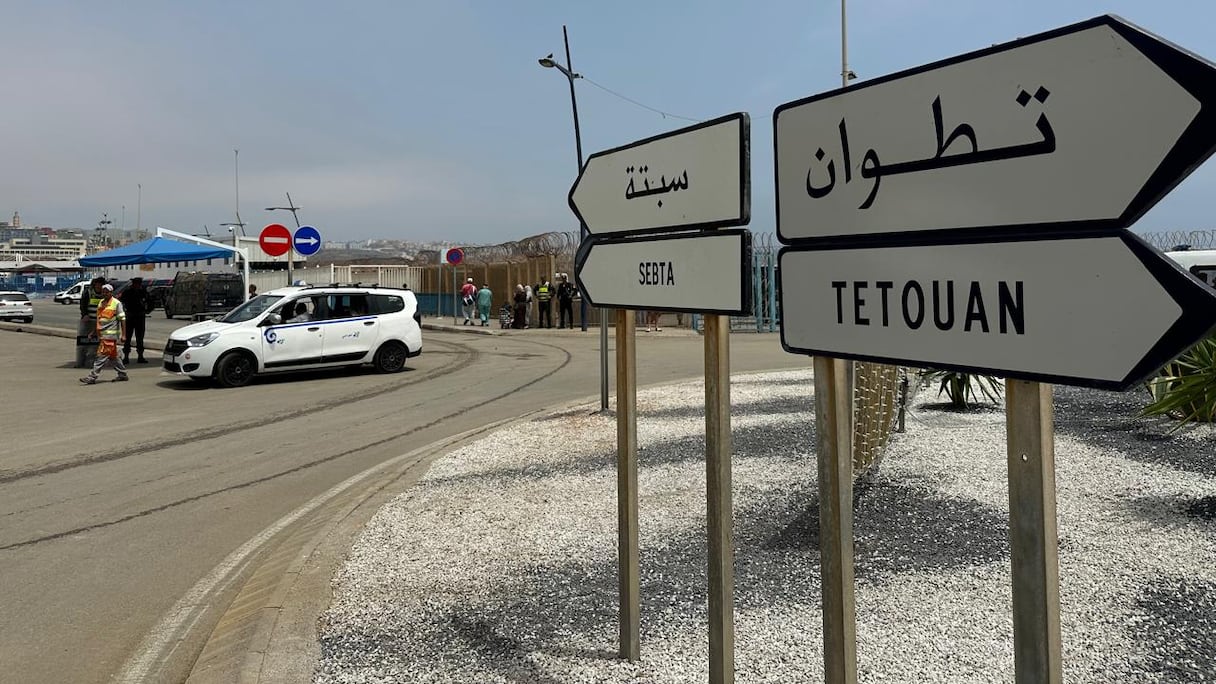
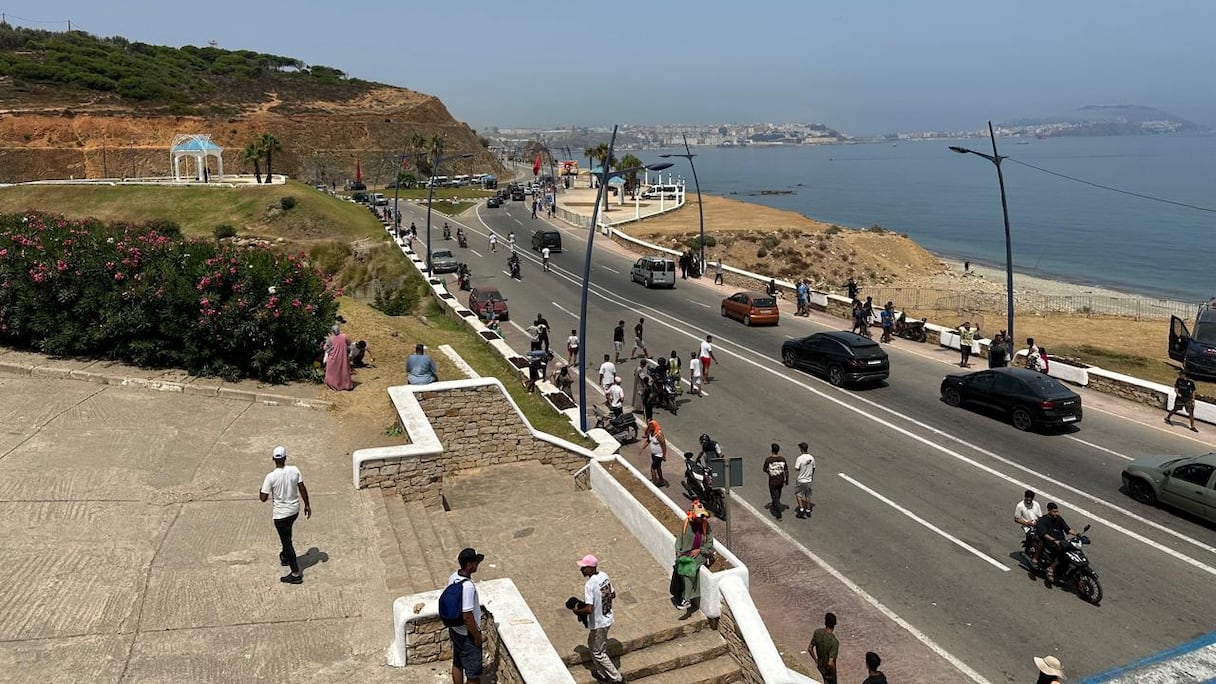
Fnideq returns to its usual pace after days of tension near Bab Sebta.. le360
On the security front, a strict preventive plan was implemented by the Wilaya of the Tangier-Tetouan-Al Hoceima region under the supervision of Wali Younes Tazi and M’diq-Fnideq Governor Yassine Jari. The measures are aimed in particular at preventing minors and young people from reaching the Bab Sebta area and the surrounding forests, especially near Belyounech.
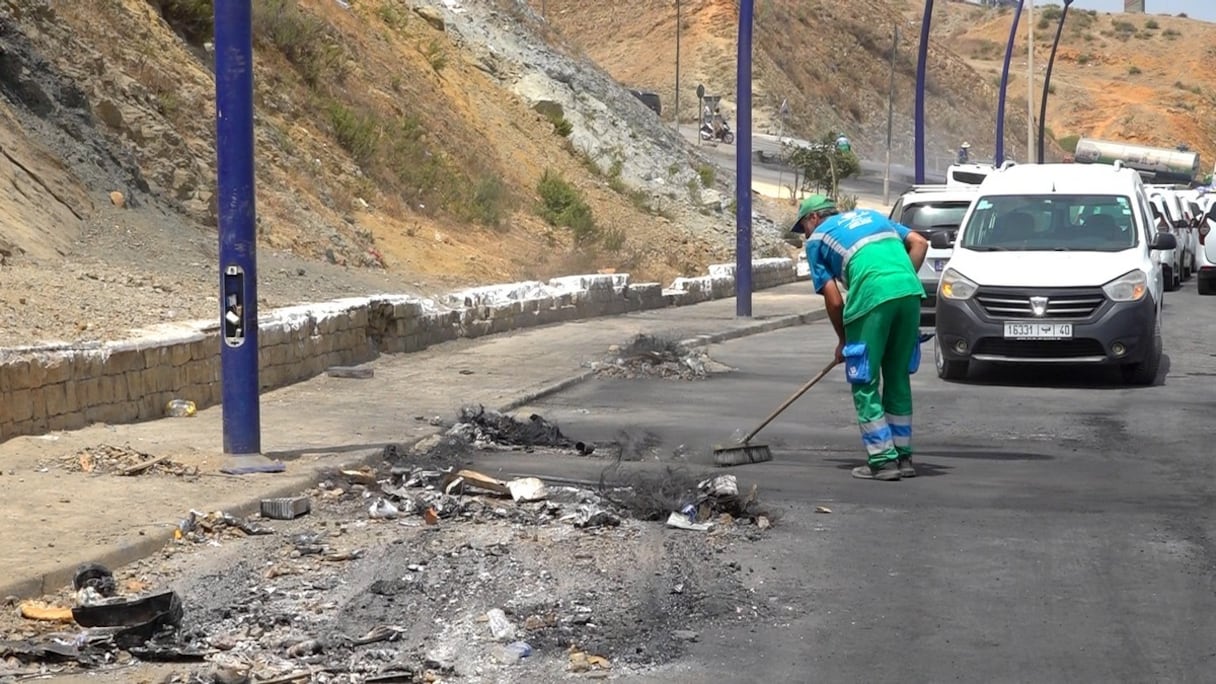
Meanwhile, extensive cleanup operations were launched. Sanitation teams and personnel from the National Mutual Aid agency were deployed to clear the main streets of waste and debris left behind after the incidents, as well as to remove the remains of burned vehicles, helping restore traffic flow.
Security patrols, reinforced by the deployment of more than 850 personnel, also led to the arrest of several irregular migration candidates, particularly those from sub-Saharan Africa. Strict measures were introduced restricting access to the crossing to holders of valid passports and Schengen visas only.