From early Friday morning, local authorities and security forces raised the alert level across the area surrounding the Bab Sebta border crossing. Significant reinforcements were deployed along the coastline, in the Belyounech forest and on the roads linking Fnideq with M’diq and Ksar Sghir.
Dozens of security personnel, backed by vehicles and joint patrols involving the Royal Gendarmerie, the Auxiliary Forces and the National Police, were deployed to prevent any new attempts to reach the fence surrounding the Bab Sebta crossing. Metal barriers were also installed along the shoreline to block any attempts to enter Ceuta by sea.
The reinforced security presence helped restore a measure of calm throughout the day, although authorities remained on high alert amid the possibility of renewed attempts later Friday evening or early Saturday morning. Thousands of young people, many of them minors, had converged on the area from cities across the Kingdom.
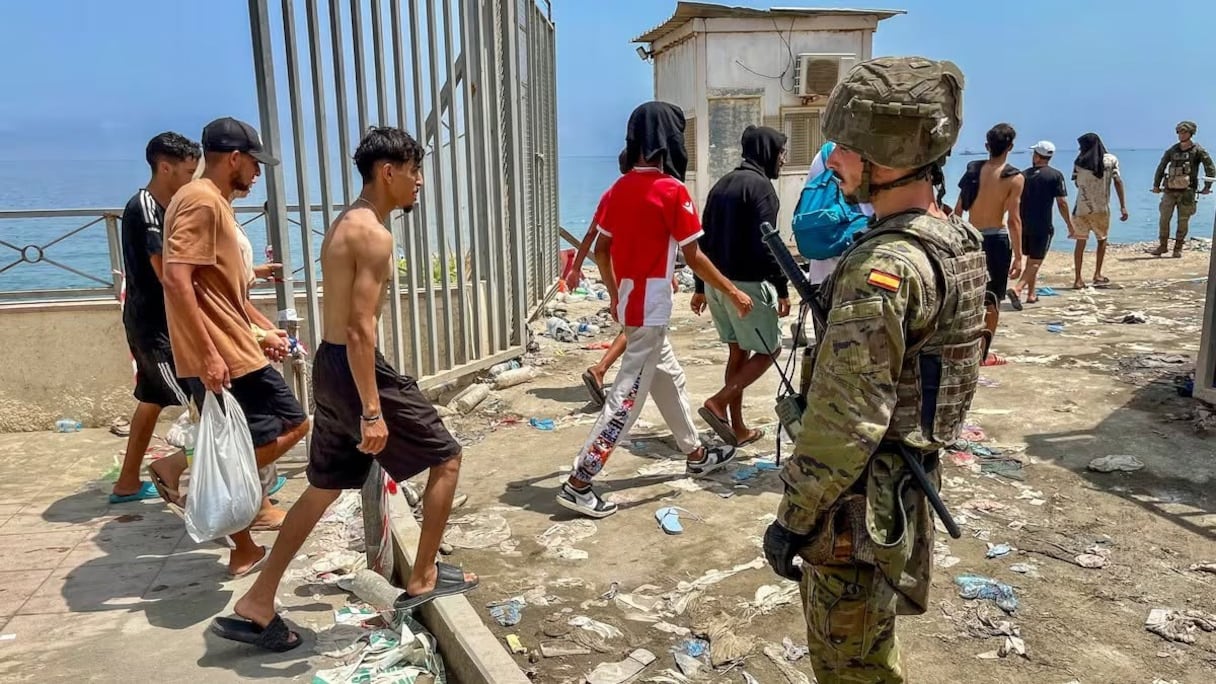
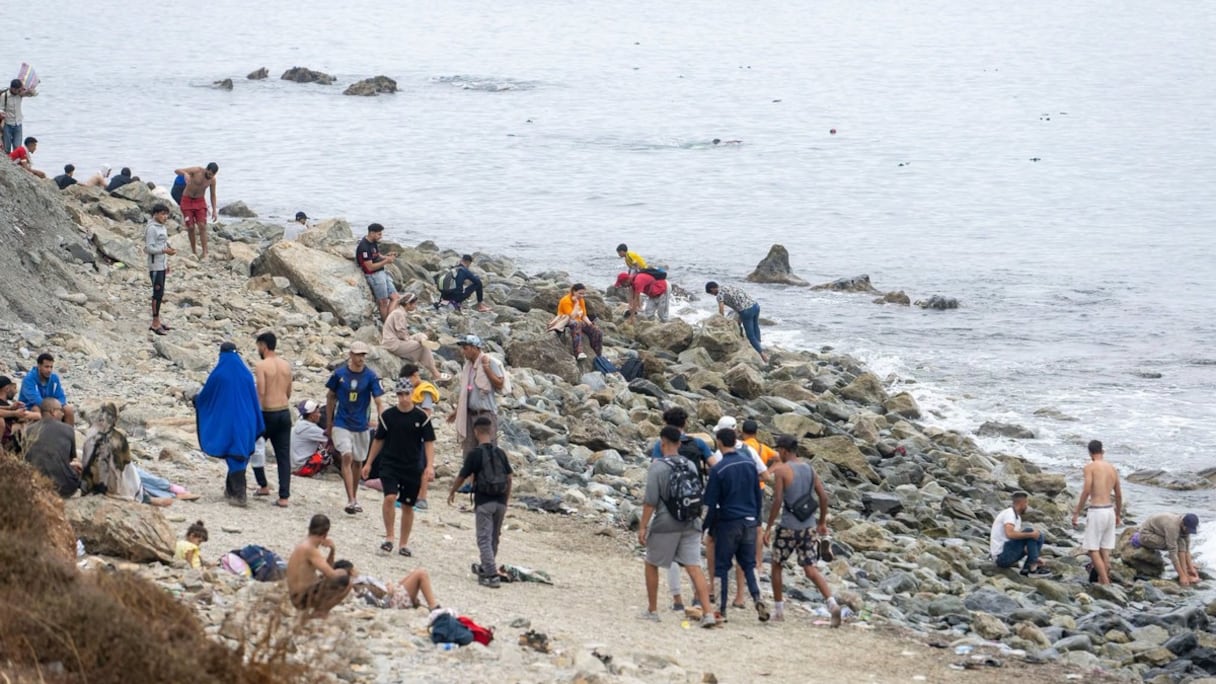
Between Fnideq and the Bab Sebta crossing, scenes of return were becoming increasingly common as hundreds, and possibly thousands, of young people who had entered Ceuta the previous day made their way back.
According to several eyewitness accounts gathered on the ground, the night spent inside the occupied city quickly turned into an ordeal. Migrants described a complete lack of food and drinking water, as well as tensions with some local residents. Many said they had been forced to sleep on the ground in harsh conditions, with some sheltering inside drainage pipes for protection.
The closure of numerous shops, cafés and restaurants across the city further worsened the situation, leaving the new arrivals with no access to food or basic necessities. Several migrants said their attempts to obtain assistance from local residents or business owners had been unsuccessful.
According to the Spanish government, more than 48,000 migrants had already left the enclave by late Friday afternoon.
Read also : Fnideq-Ceuta crisis: repatriation of migrants gets underway
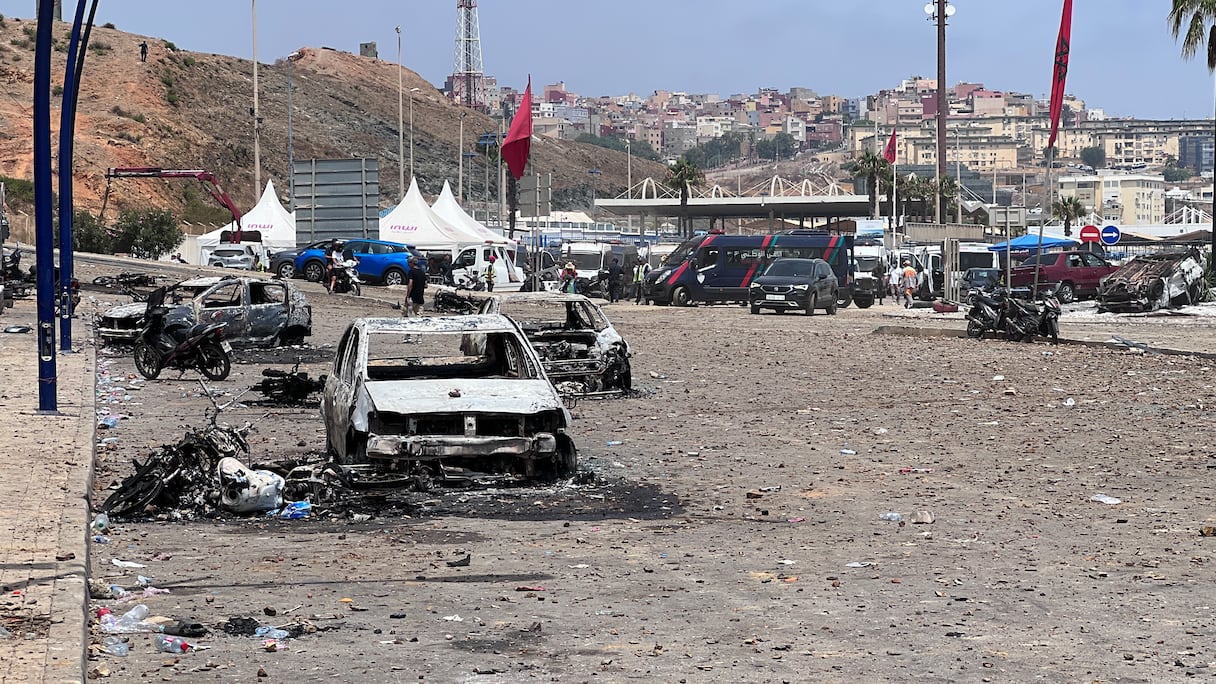
As the situation gradually stabilizes, Fnideq is beginning to assess the scale of the damage.
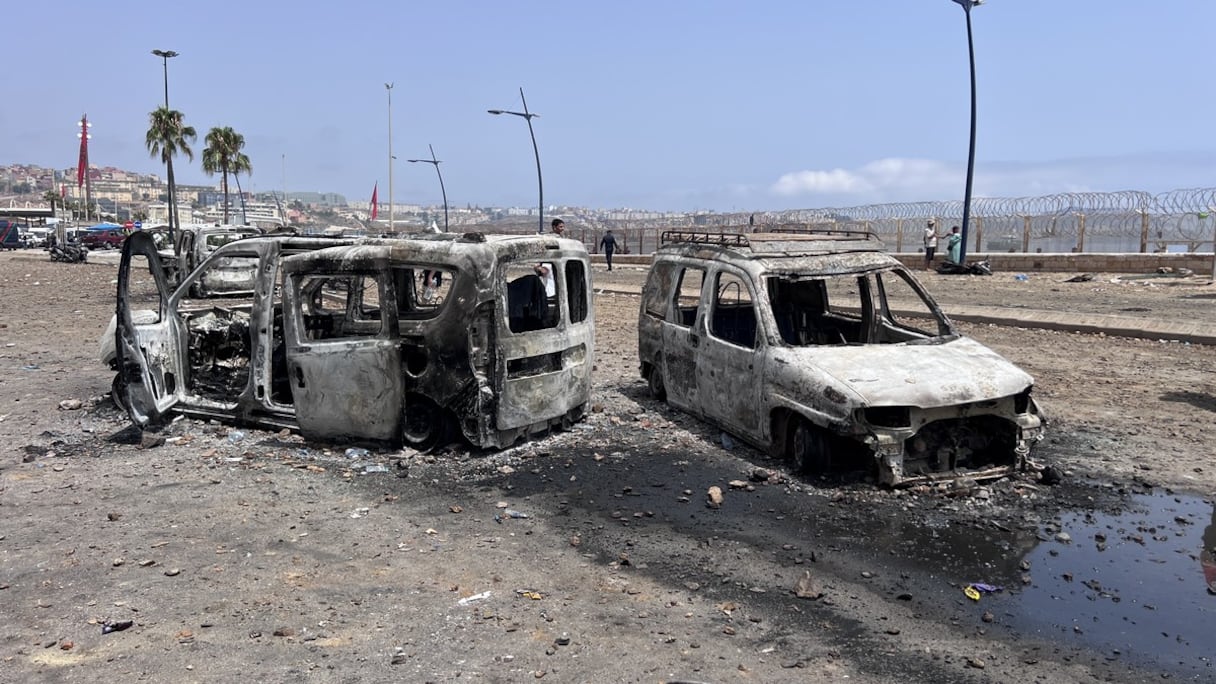
The night between Thursday and Friday was marked by scenes of chaos and violence that caused significant material losses.
Local sources estimate that more than 50,000 people entered Ceuta by land and sea. The human toll is also reported to be severe, with more than 60 deaths recorded, particularly among migrants who attempted to reach the city by swimming.
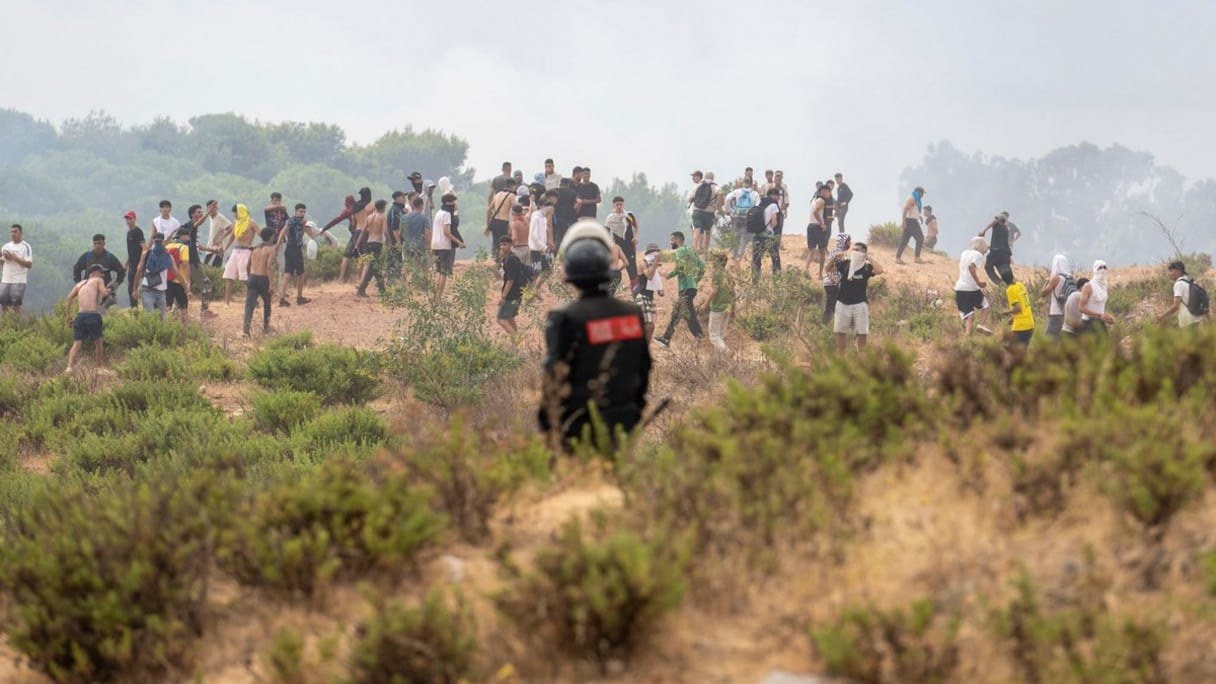
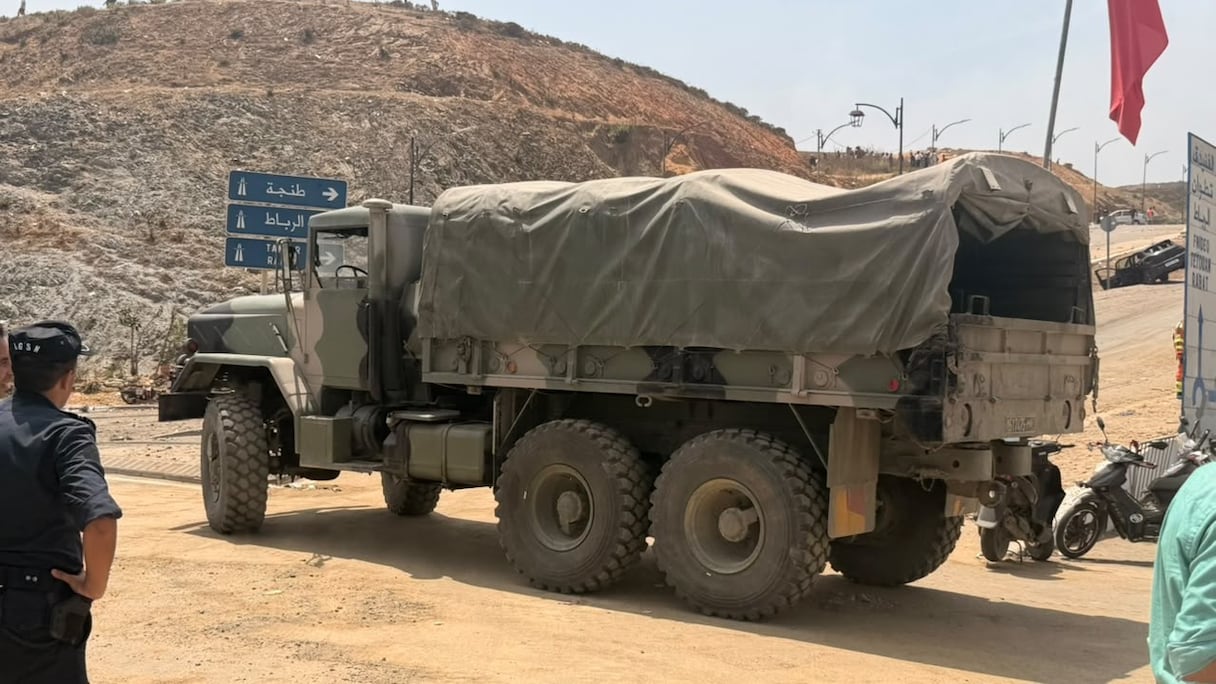
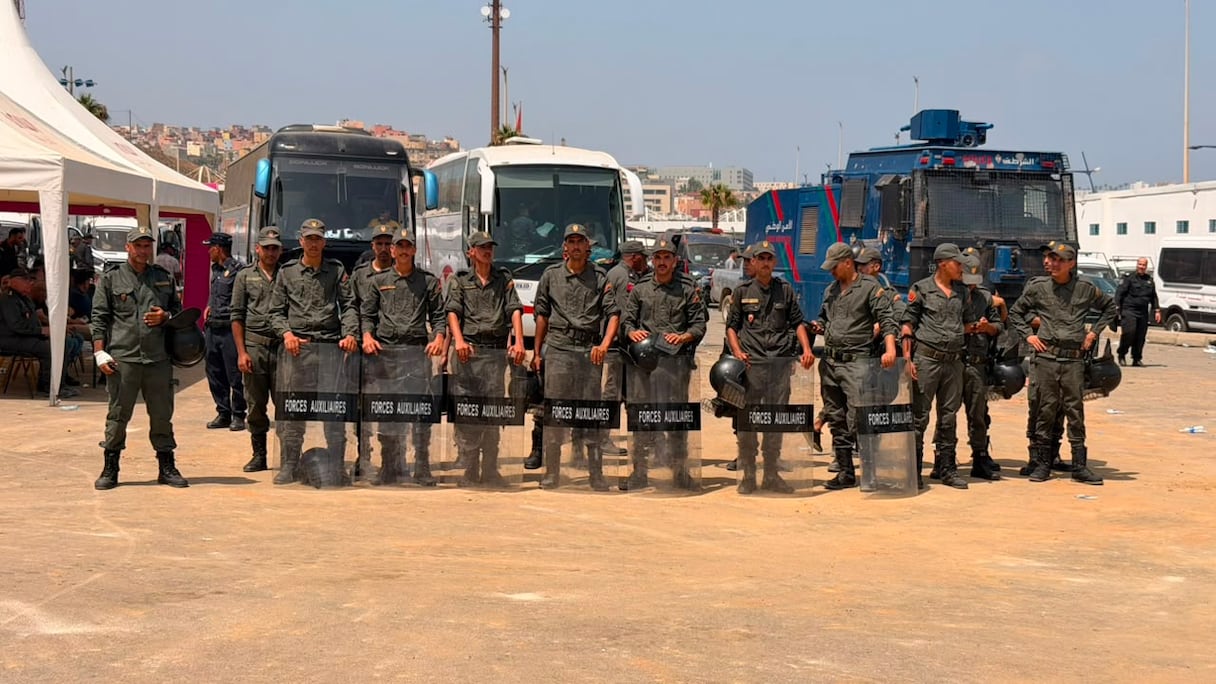
Heightened security measures around Bab Sebta. (S.Kadry/Le360). AP
In Fnideq, several vehicles were set on fire or vandalized, including around 14 cars, as well as motorcycles and buses. Security force vehicles were also damaged. Numerous businesses sustained damage during security operations carried out around the Bab Sebta crossing.
Taxi drivers, among those hardest hit, reported heavy financial losses after their activity came to a sudden halt and their vehicles were damaged during the unrest.
While calm is gradually returning, security forces remain on high alert throughout the area as authorities continue efforts to prevent any renewed escalation of tensions.
