Fourteen treatment plants have been built across the Sebou river basin at a cost of nearly Dh658 million to contain pollution from olive mills, whose wastewater poses a threat to rivers and groundwater in some of Morocco’s main olive-growing areas.
The facilities, spread across seven provinces and prefectures, have a combined annual treatment capacity of 709,751 cubic meters, according to figures published by Al Ma Dialna, the Ministry of Equipment and Water’s information platform.
The projects were carried out under agreements between the Sebou River Basin Agency and its partners, providing dedicated treatment facilities for liquid waste generated during olive oil production.
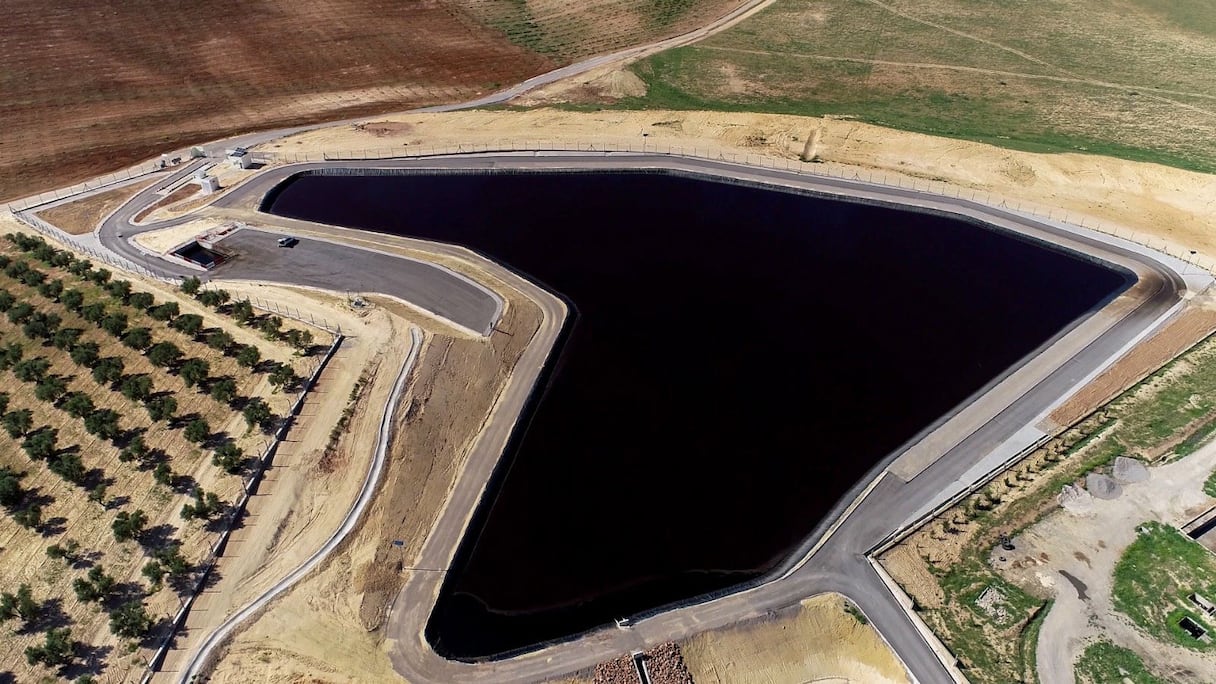
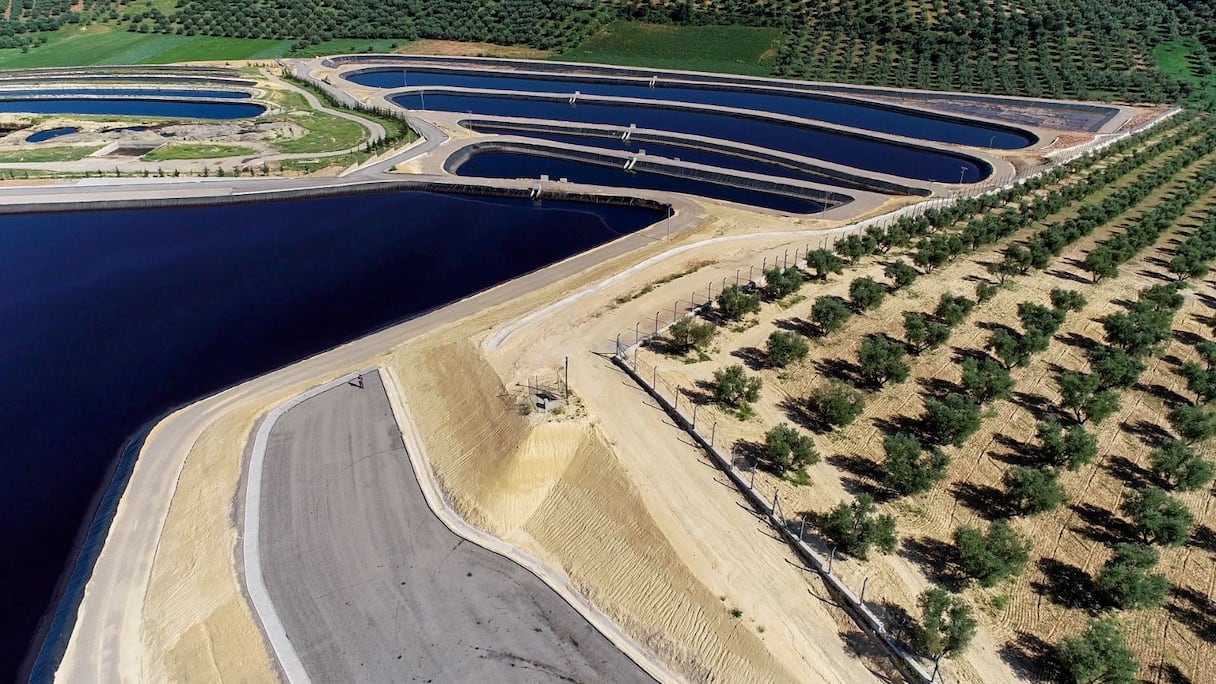
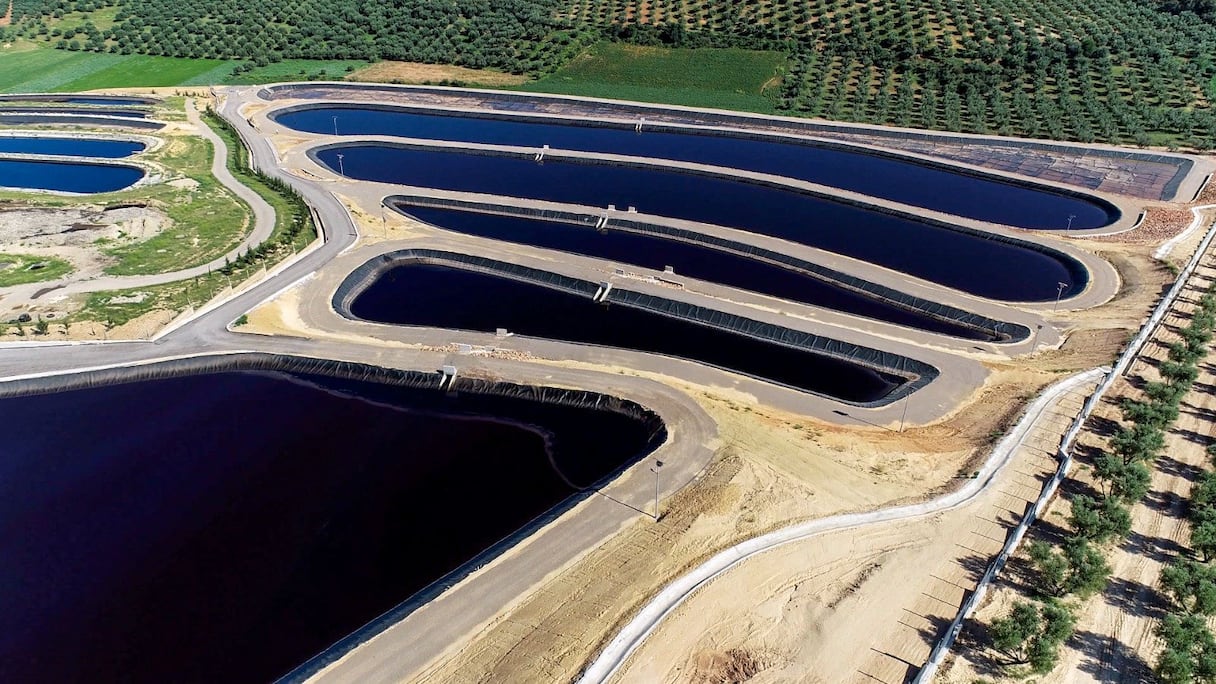
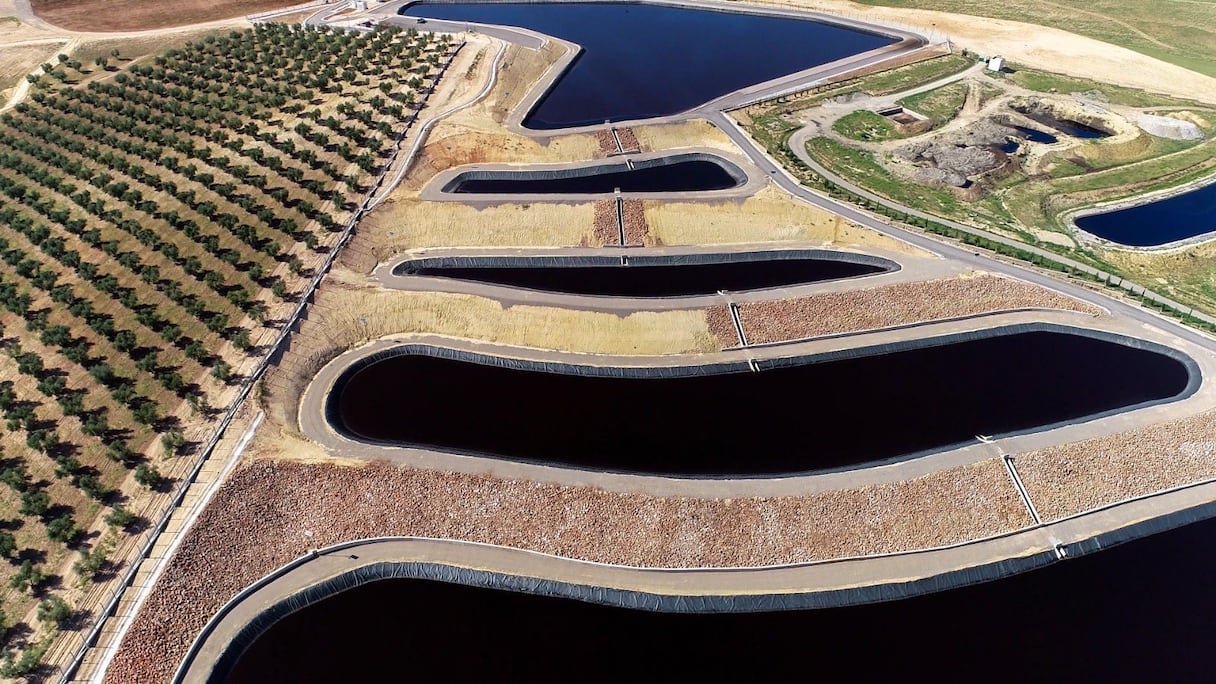
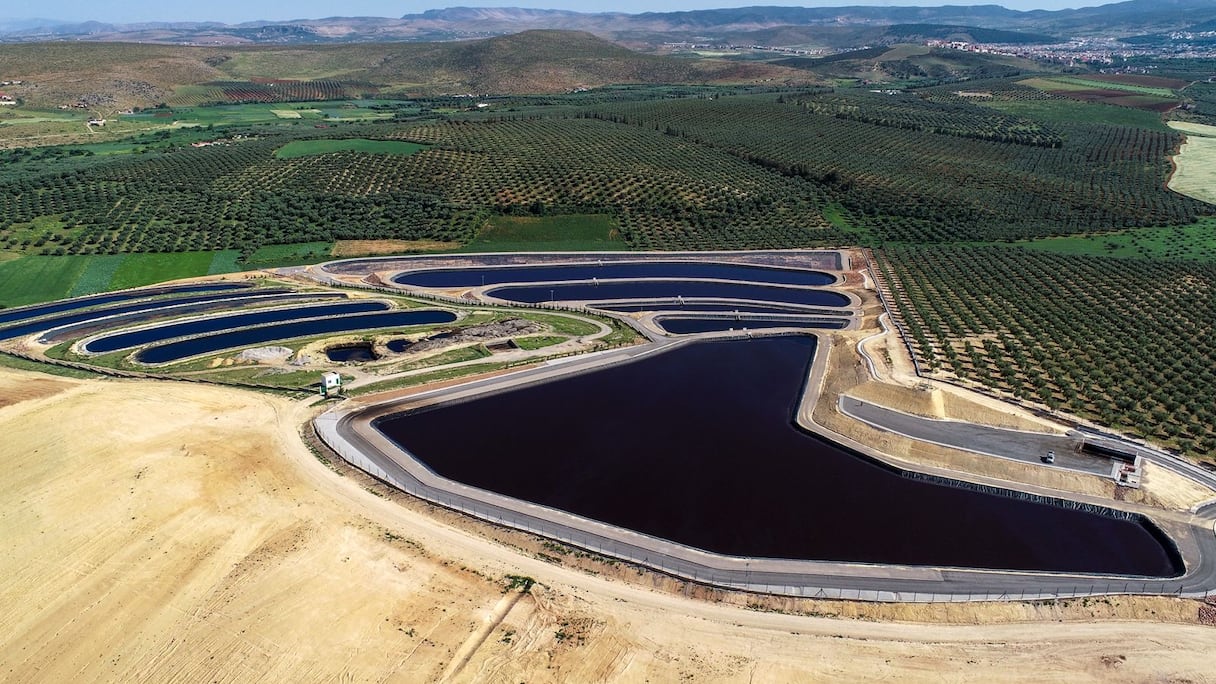
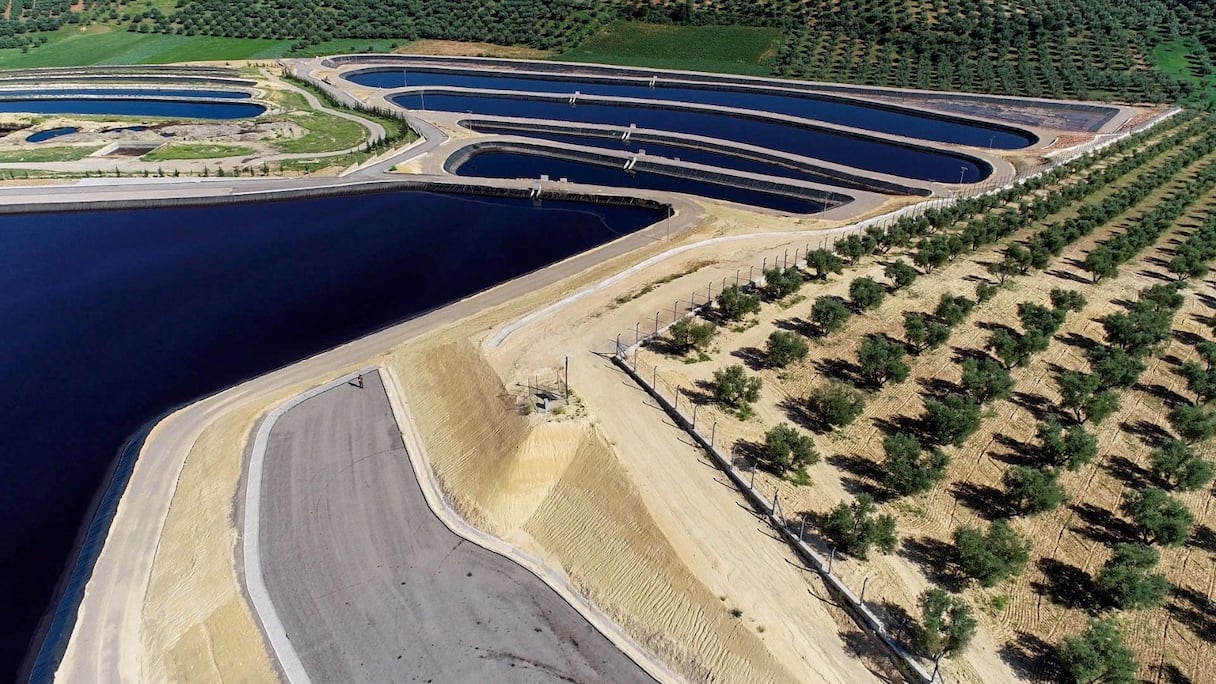
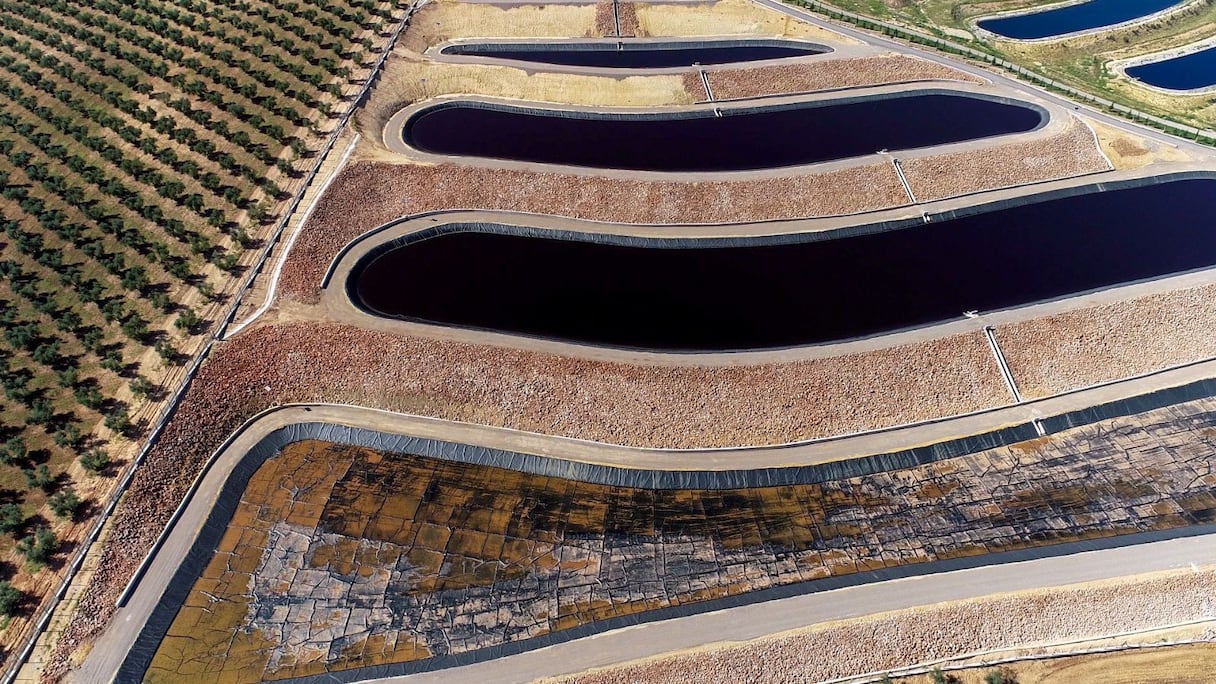
Treatment plants in the Sebou basin to contain olive mill wastewater
Taounate, where olive groves cover around 150,000 hectares, has received three plants with a combined capacity of 153,800 cubic meters a year. The province produces an estimated 200,000 tonnes of olives annually, according to earlier figures from its Provincial Directorate of Agriculture.
Three plants have been built in Sefrou, with a combined capacity of 161,759 cubic meters. The province has some 31,500 hectares under olive cultivation and expects a harvest of 28,000 tonnes this season.
Ouezzane, another major olive-growing province, has received one plant capable of treating 52,000 cubic meters annually. Olive cultivation there covers approximately 64,891 hectares, with production reported at 77,870 tonnes.
Read also : From sea to dams, Morocco redraws its water supply strategy for 2030
Two plants in Moulay Yacoub provide a combined capacity of 125,720 cubic meters, while another two in Meknes can treat 63,000 cubic meters a year.
Fez has one facility at Aïn Beïda, designed to handle 118,400 cubic metres annually, allowing olive mill wastewater to be treated away from the presses.
Two more plants have been built in Sidi Kacem, with a combined annual capacity of 77,000 cubic meters.
The facilities are intended to prevent untreated olive mill wastewater from reaching waterways and other natural environments, particularly during the pressing season when large volumes of liquid waste are generated.
