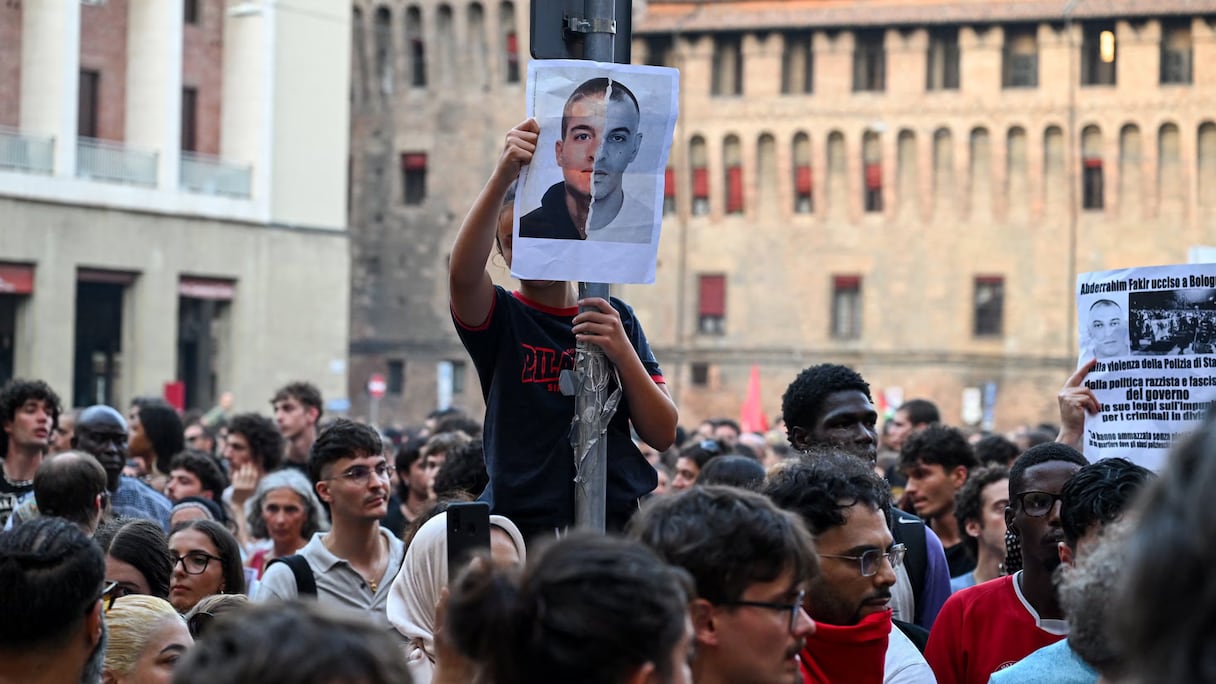
Fabio Anselmo, the lawyer representing the family of Abderrahim Fakir, has formally requested that the investigation into the death of the 42-year-old Moroccan be taken away from the Bologna police unit to which the officers under investigation belong.
“Not because of any general prejudice against the police,” he told Le360, “but because of concrete, specific and contextual factors” unique to the situation in Bologna.
“This concerns Bologna. It does not concern the police as a whole,” he said.
Anselmo bases his request on a January 15, 2026 ruling by the European Court of Human Rights (ECHR), which, he argues, reaffirmed a fundamental principle. When members of law enforcement or state institutions are implicated in the events under investigation, inquiries must be conducted by authorities that are genuinely independent and have no hierarchical or operational ties to the officers involved.
Read also : Abderrahim Fakir Case: autopsy reveals “Hemorrhagic infiltrations on the back” as investigation continues
On that basis, the defense has asked that the investigation into Fakir’s death be transferred to a separate investigative body.
According to Anselmo, the request is also justified by what he describes as intense political pressure on the Bologna police headquarters. He criticized the visits by government ministers and senior members of Italy’s ruling majority to police offices overseeing the investigation, where they publicly declared the officers innocent even though the inquiry had only just begun.
“They did so without expressing the slightest human sympathy for Fakir or his family,” he said, arguing that such a climate is incompatible with the impartiality required in a case of this sensitivity.
The lawyer also referred to a meeting held the day before his statement, during which Bologna’s police chief met Fakir’s sister and niece to offer his condolences. While describing the gesture as “important,” Anselmo said it “does not change the substance of the matter or the situation.”
He nevertheless sought to clarify his position.
“Requesting guarantees of independence does not amount to expressing generalized distrust of the police,” he said, noting that the truth about the death of Stefano Cucchi, who died in police custody after suffering violent abuse, and the subsequent cover-up, ultimately came to light thanks to the work of Rome’s criminal investigation unit.
Each case, however, must be assessed on its own facts, he argued. He cited the case of Federico Aldrovandi, who died after being beaten by police, where omissions and concealment during the initial investigation delayed justice for years.
For Anselmo, transferring the Fakir investigation to a body independent from the officers involved is, therefore, not a blanket accusation against law enforcement but a safeguard rooted in European case law and made all the more necessary, in his view, by the political interference surrounding the case.
“The credibility of institutions is not protected by prematurely declaring officers innocent, but by ensuring investigations that are independent, transparent and free from any pressure,” he concluded.
Autopsy findings point to asphyxiation
The lawyer’s latest intervention follows a series of statements that have already shaped the case.
Preliminary autopsy findings revealed blood-filled lungs and extensive hemorrhagic infiltration caused by compression to Fakir’s back. The findings were provided by Professor Vittorio Fineschi, the forensic expert appointed by the family and known for conducting the autopsy of Giulio Regeni.
According to Anselmo, the medical evidence painted “a clear picture of violent mechanical asphyxia caused by dorsal compression.”
At the time, the lawyer described the criminal file opened by the Bologna prosecutor’s office as a “pseudo-criminal report,” referring to a procedural category introduced under a recent law adopted by the Italian government.
The medical findings were later described as consistent by Francesco Maria Caruso, the former president of the courts of Reggio Emilia and Bologna.
After reviewing video footage of the arrest, Caruso said that “we are faced with factual evidence that appears, from the outset, to rule out any legal justification.”
He also challenged the decision to register the two officers under the special “penal shield” registry established by Article 335, paragraph 1-bis.1 of Italy’s Code of Criminal Procedure.
Like Anselmo, Caruso questioned the decision to entrust the investigation to Bologna’s Mobile Squad despite the ECHR’s January 15, 2026 ruling in the Magherini case.
What happened
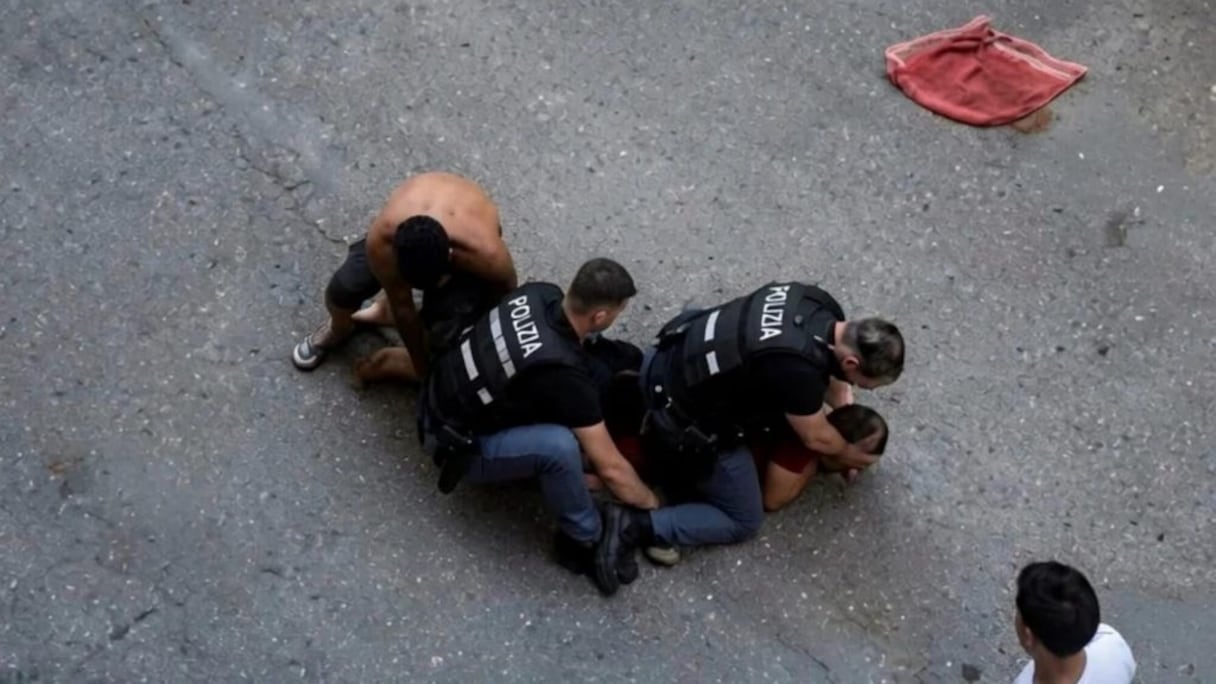
Abderrahim Fakir, who moved to Italy at the age of five, died after being pinned face down on the ground by two police officers during his arrest in Bologna.
Footage recorded by a nearby resident and widely circulated by Italian media shows Fakir restrained in a prone position for several minutes. He repeatedly cries out, “Help! Help!” while the two officers hold him down, as two ambulance workers stand nearby without intervening.
Moments later, Fakir appears motionless with his face pressed against the asphalt while officers tie his hands and feet. One officer eventually taps him on the shoulder to check whether he is still conscious. He is not.
The Bologna police prefecture said footage from the officers’ body cameras had been handed over to judicial authorities. Police said officers had responded after residents reported a man “in a violent state of rage.”
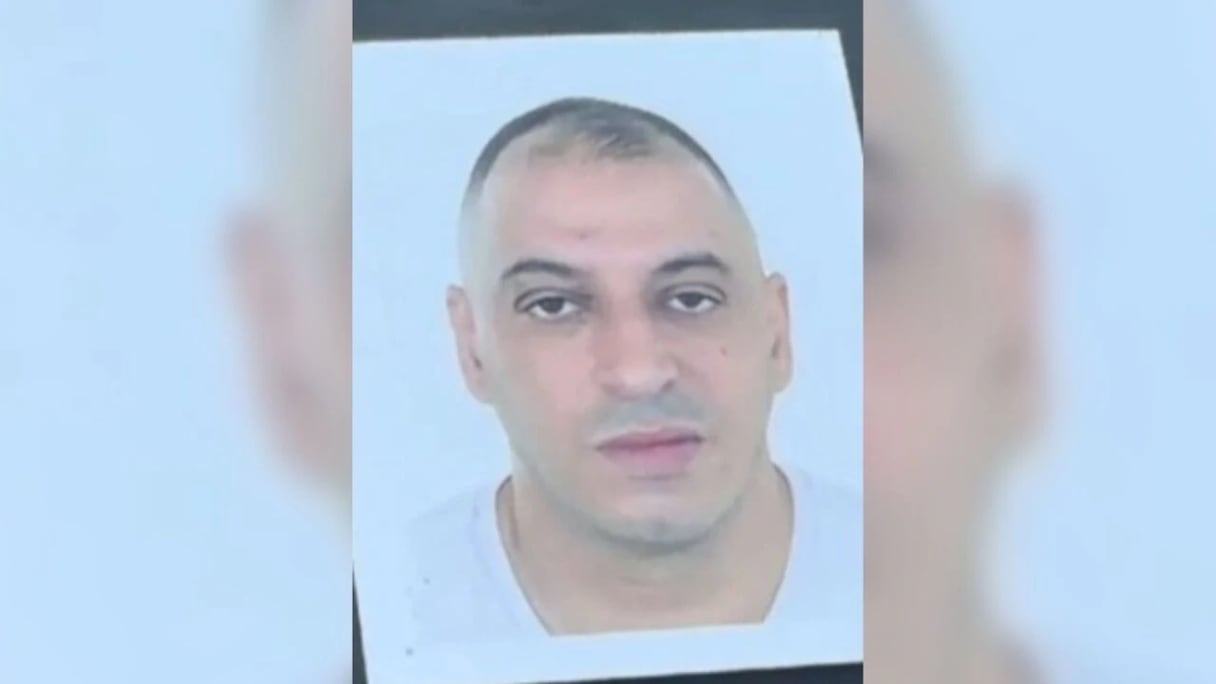
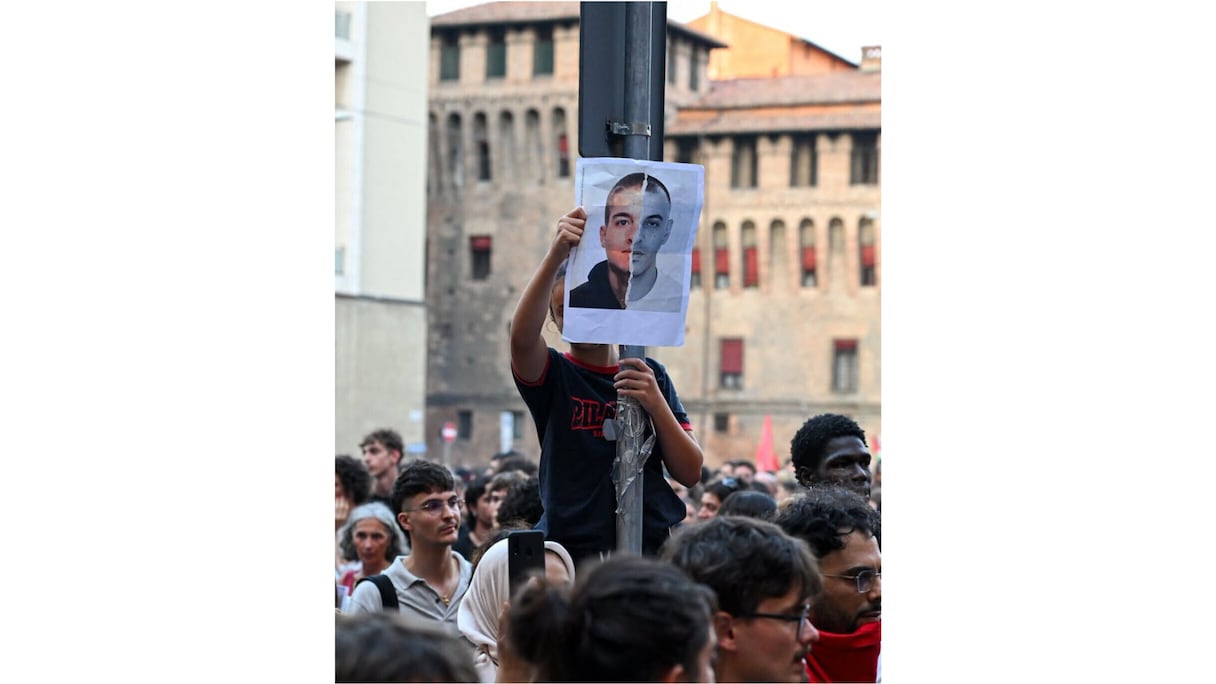
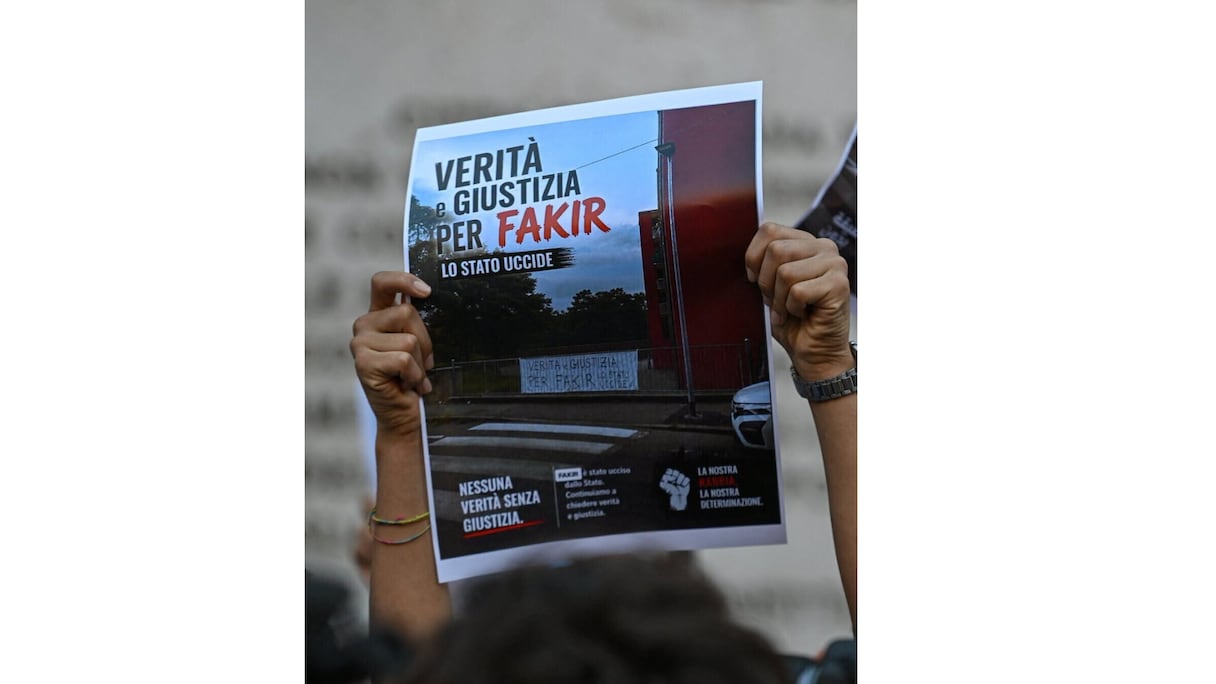
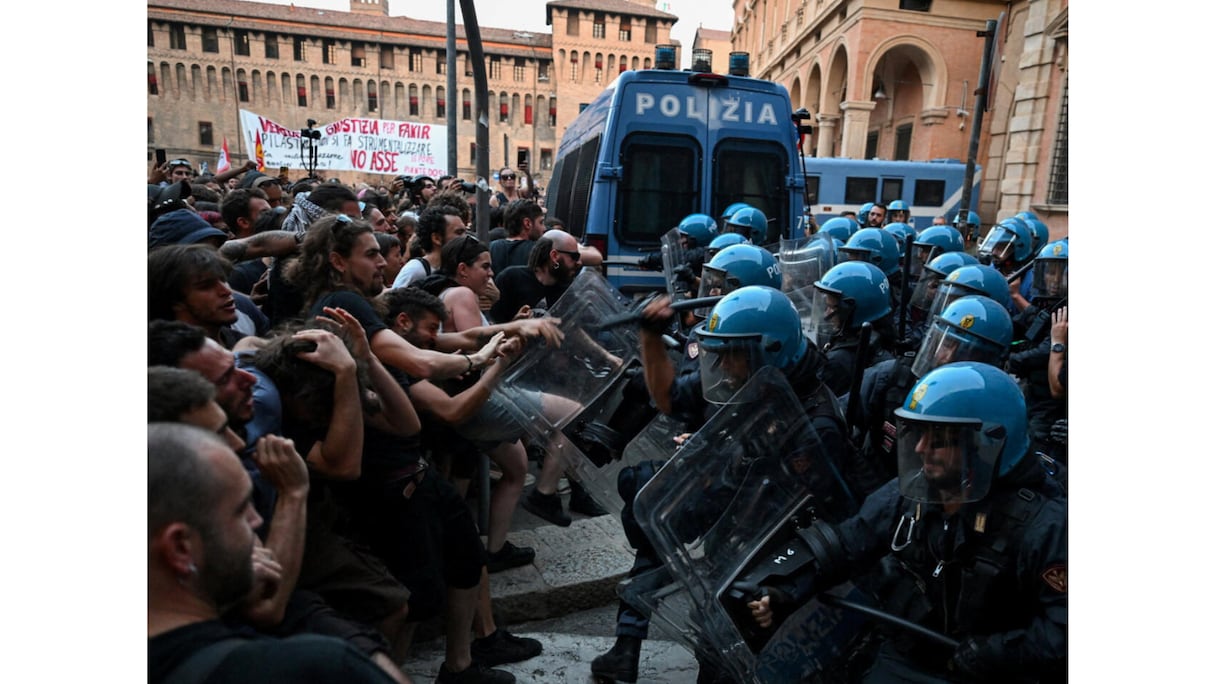
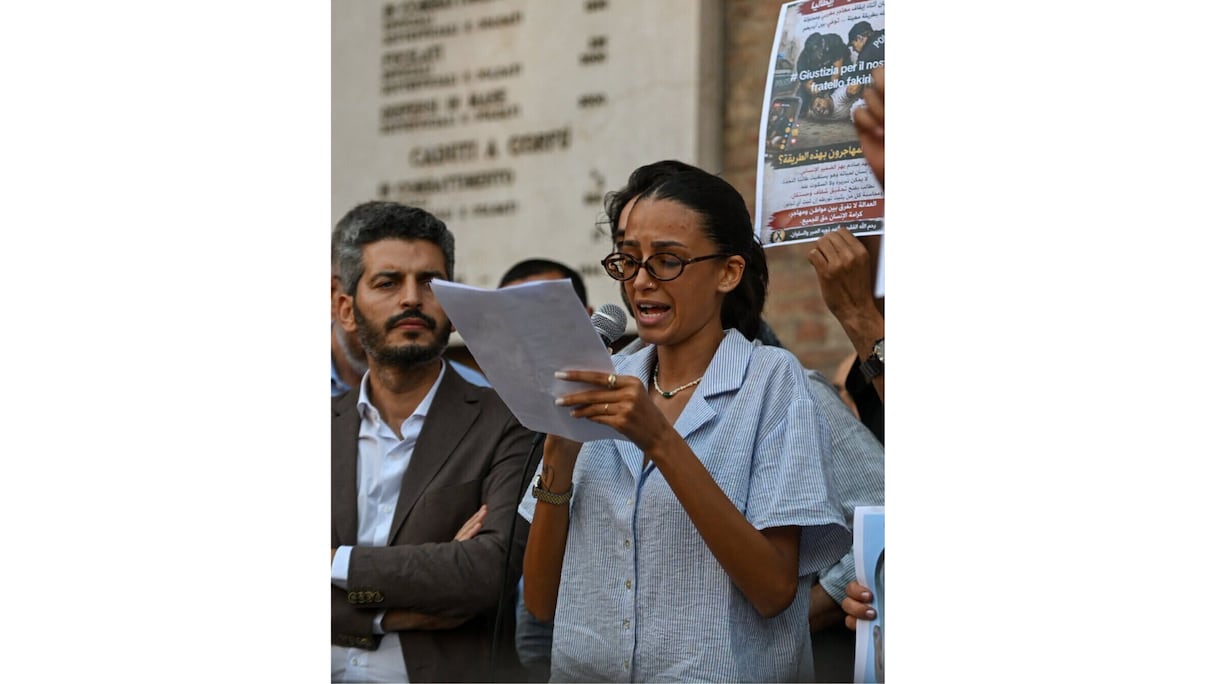
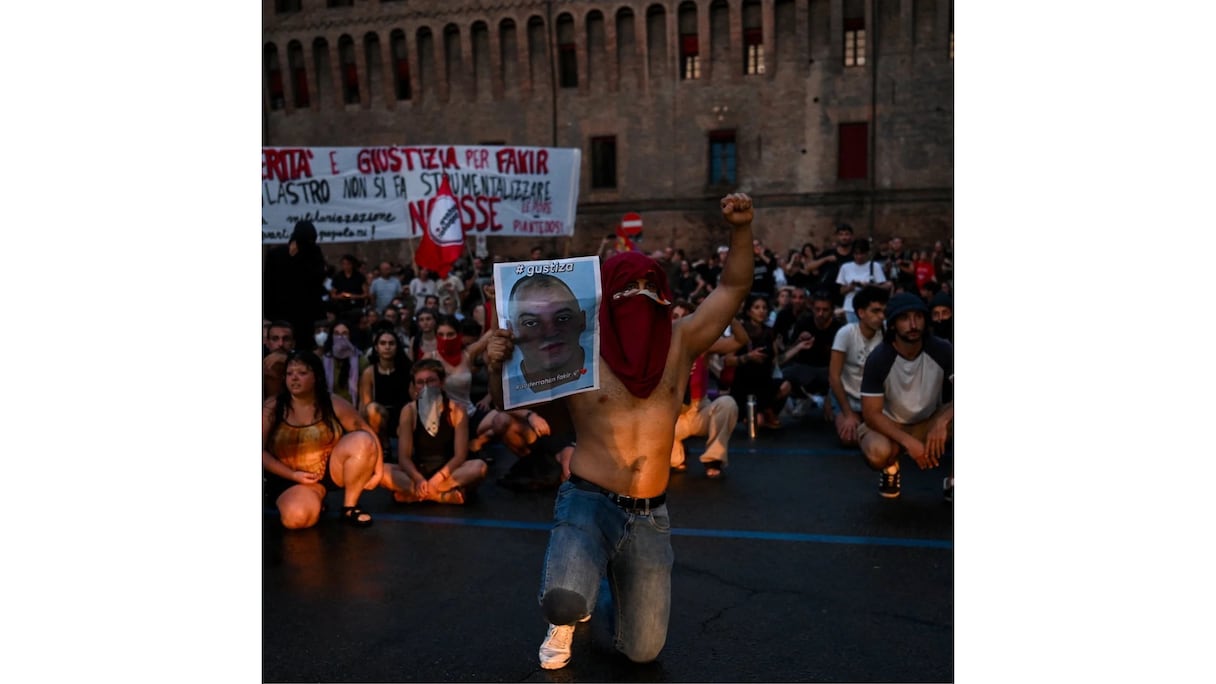
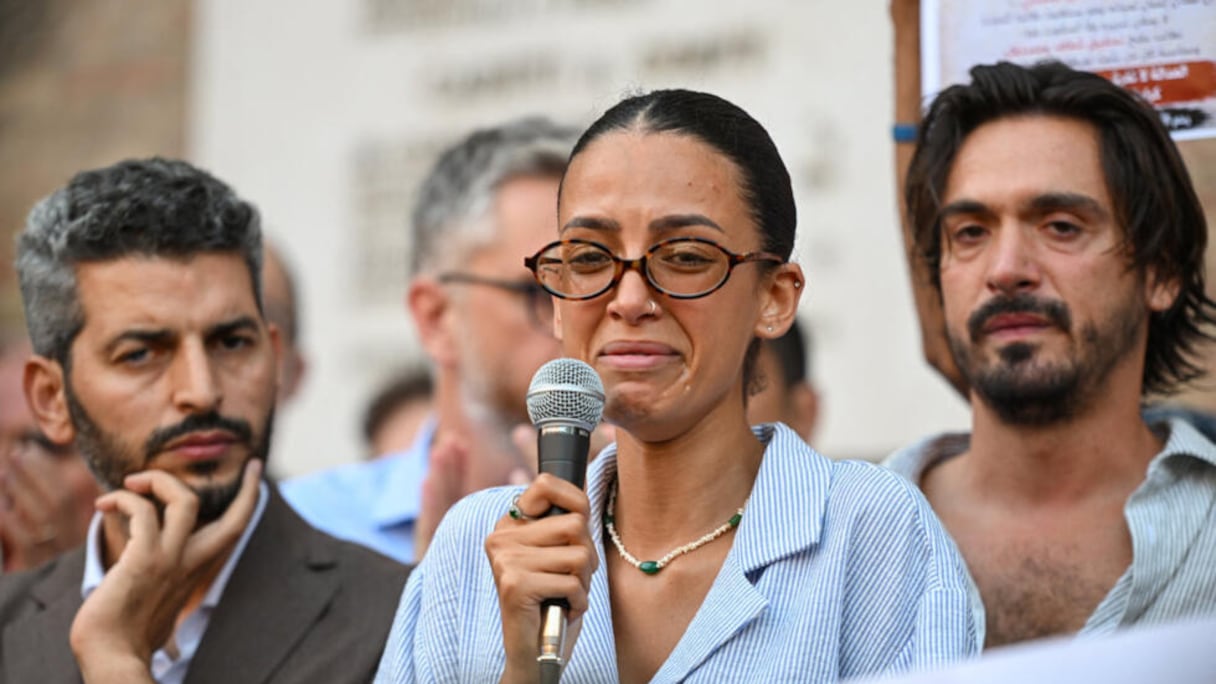
A portrait of Abderrahim Fakir during a demonstration organized following his death on July 20, 2026
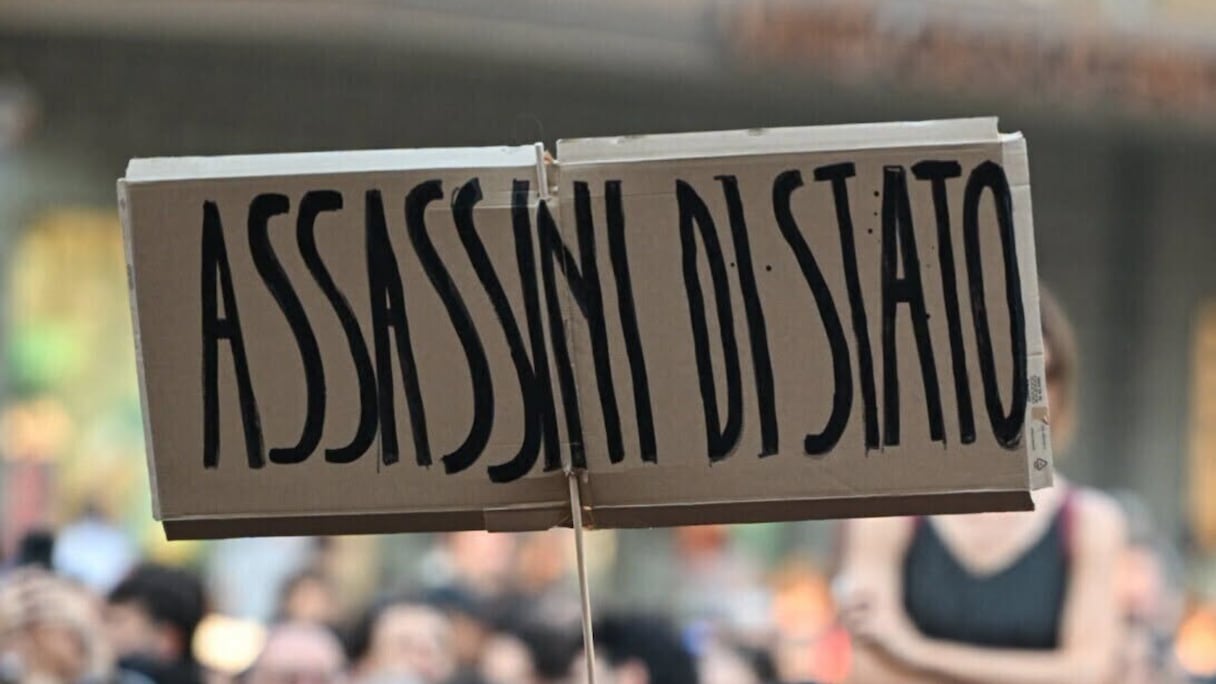
The Italian prosecutor’s office opened an investigation the day after the incident, prompting public outrage and several demonstrations in central Bologna, where protesters carried banners demanding “Justice and truth for Fakir.”
Barbara Spinelli, the lawyer who had previously represented Fakir in matters related to his residency permit, later detailed his criminal record to counter rumors circulating about his past.
She explained that his convictions stemmed from drug trafficking offenses committed between December 2002 and January 2003 and again between August and November 2003, as well as escaping house arrest in 2005. Those convictions became final between 2011 and 2012 and were fully served between 2019 and 2020. She stressed that Fakir was not the subject of any ongoing criminal investigation at the time of his death.
