“No one should die this way.”
The words came from Khadija Fakir, sister of Abderrahim Fakir, echoing a tragedy Italy has witnessed before.
In 2014, Riccardo Magherini died in Florence after being restrained face down by Carabinieri officers. On July 20, 2026, Abderrahim Fakir, a 42-year-old Moroccan who had lived in Italy since the age of five, died in Bologna under strikingly similar circumstances after being pinned to the ground by two police officers while repeatedly calling for help.
Between the two cases, the European Court of Human Rights (ECHR) found Italy in violation of the European Convention on Human Rights for failing to establish adequate protocols governing police restraint techniques.
What happened in Bologna
Abderrahim Fakir, who moved to Italy at the age of five, died after being pinned to the ground by two police officers during his arrest in Bologna.
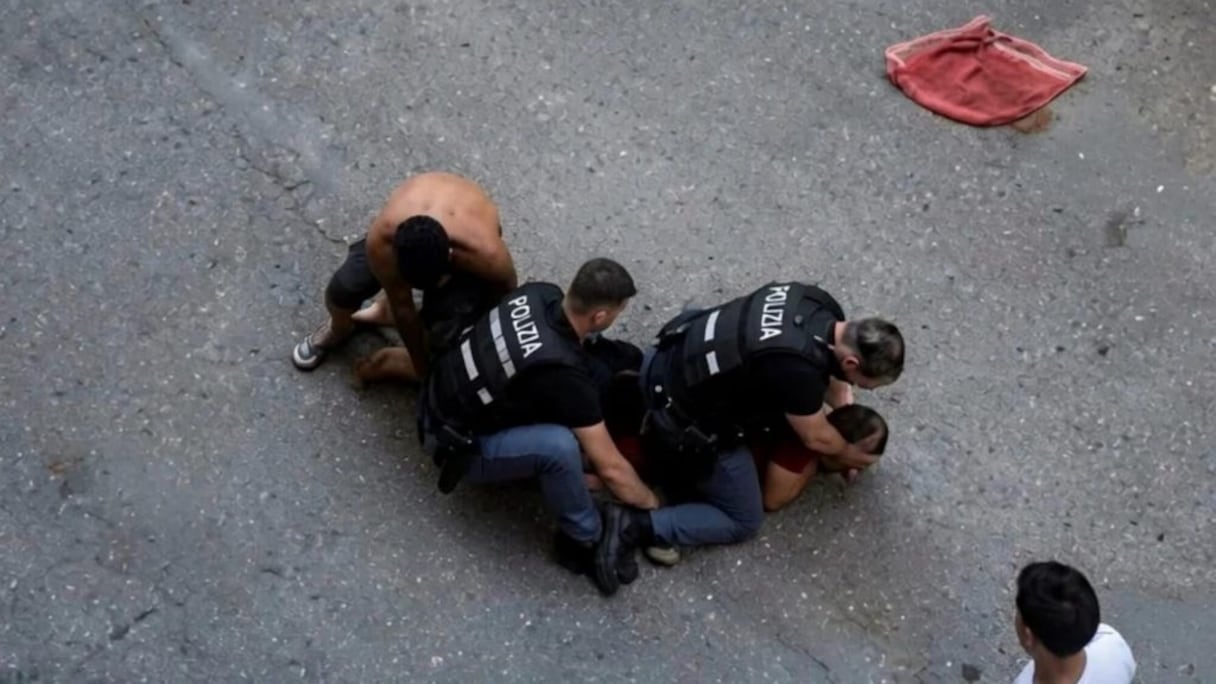
Footage recorded by a local resident and widely shared by Italian media shows Fakir held in a prone restraint for several minutes. He can be heard repeatedly crying “Help! Help!” while the two officers keep him pressed against the ground, under the watch of two ambulance workers who remain motionless.
Moments later, he appears limp, his face against the asphalt, as officers bind both his hands and feet. One officer eventually taps him on the shoulder to check whether he is still conscious.
He is no longer responsive.
Bologna Police Headquarters said footage from the officers’ body cameras had been handed over to judicial authorities, adding that police had responded after local residents reported a man experiencing what they described as «a violent outburst.»
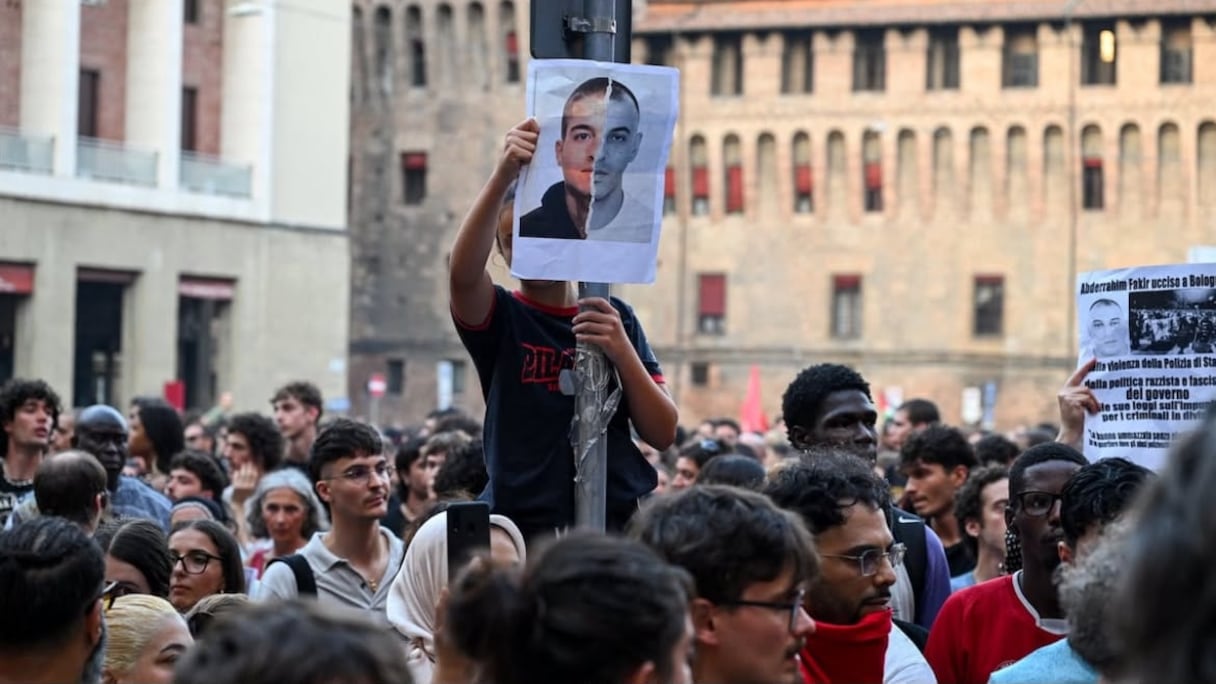
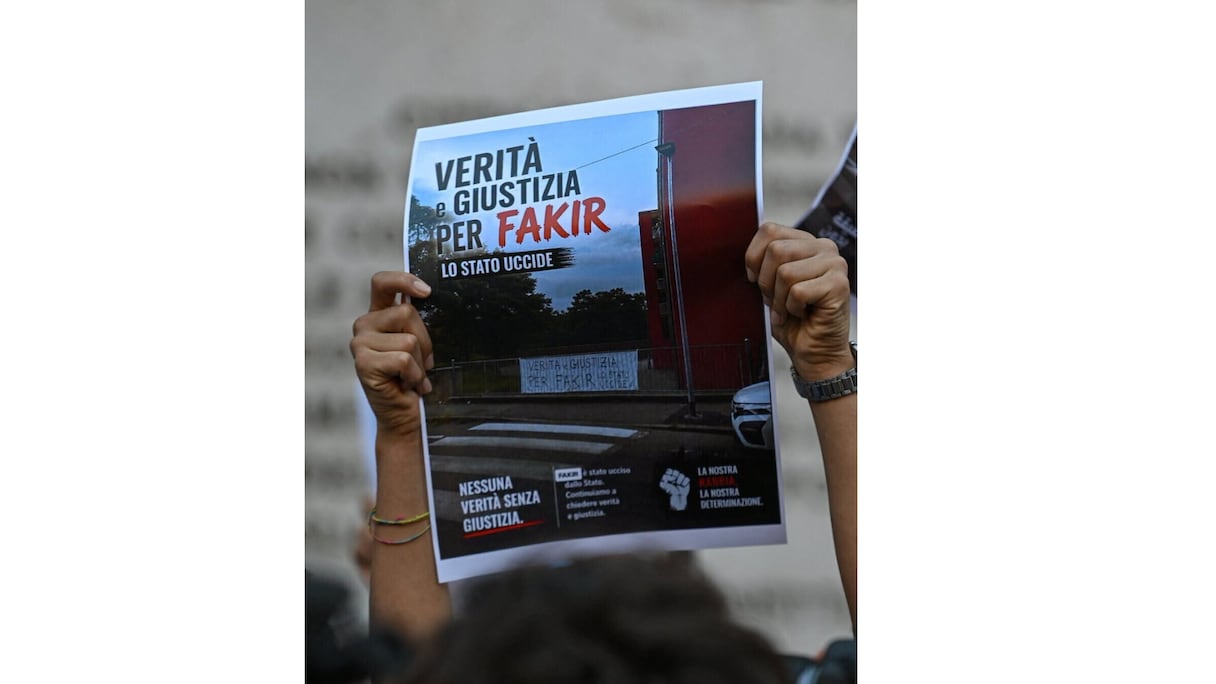
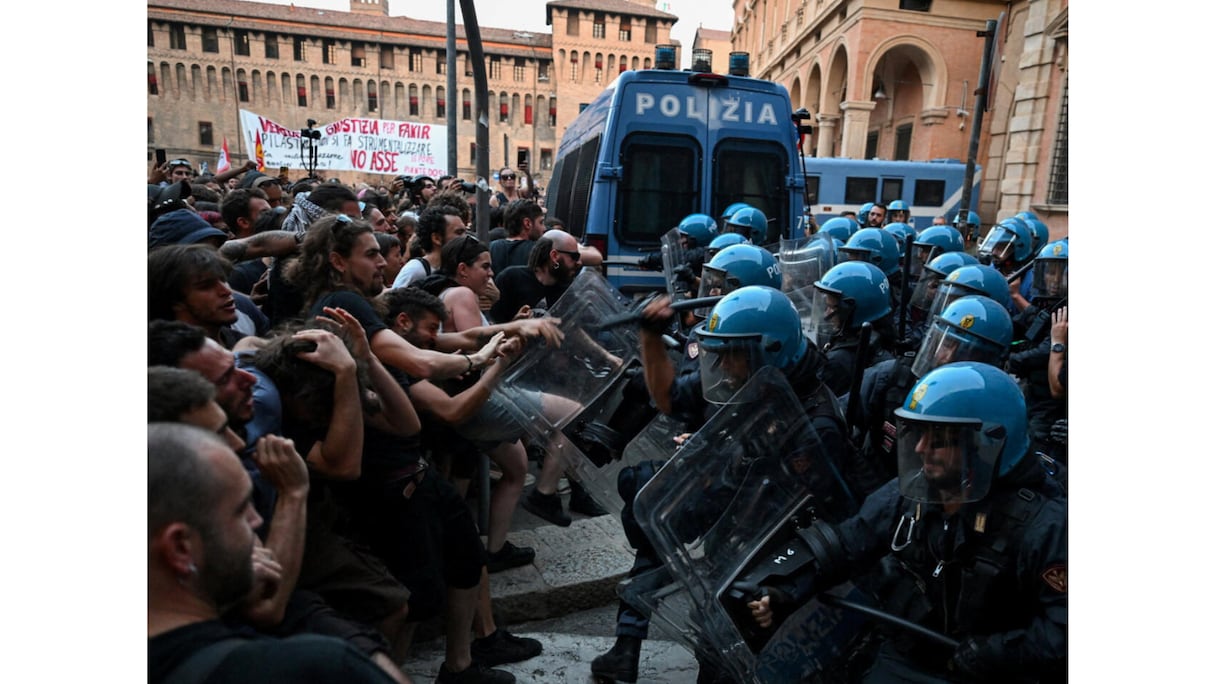
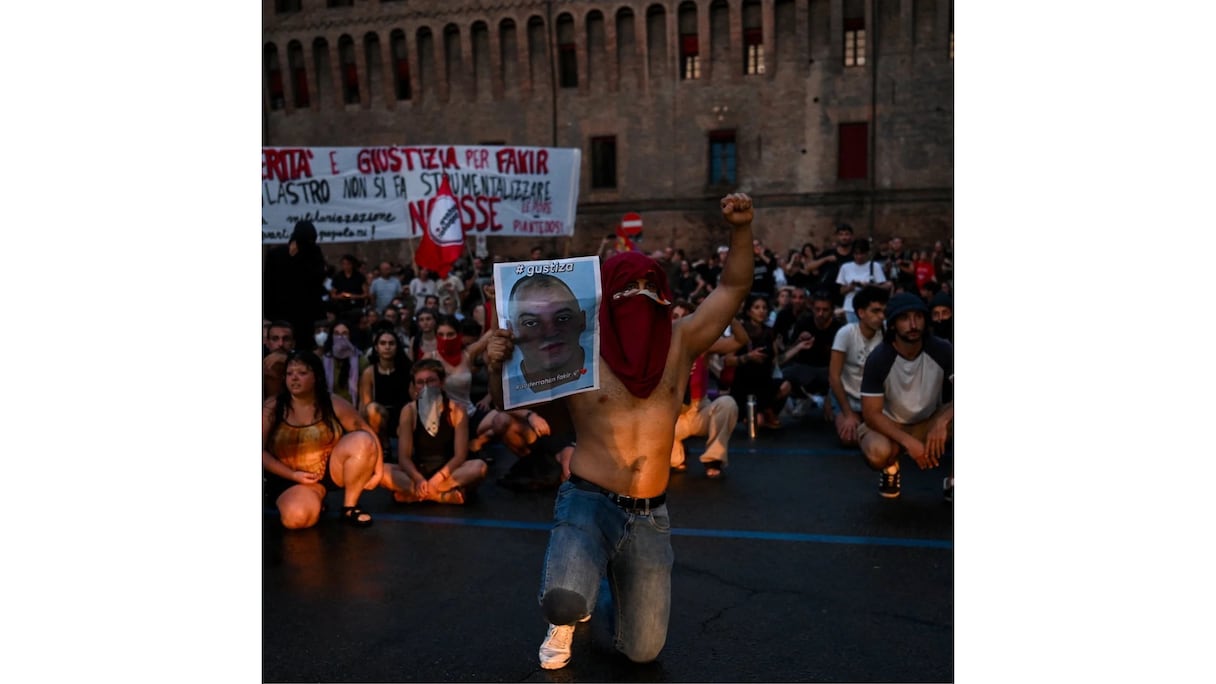
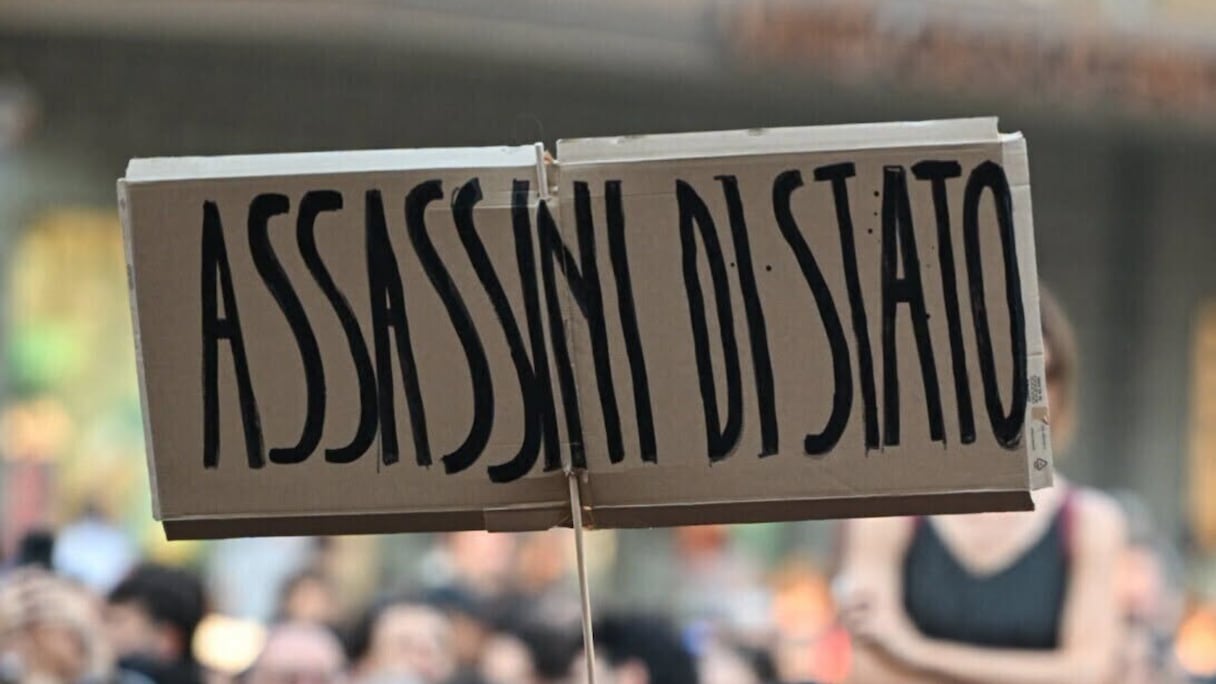
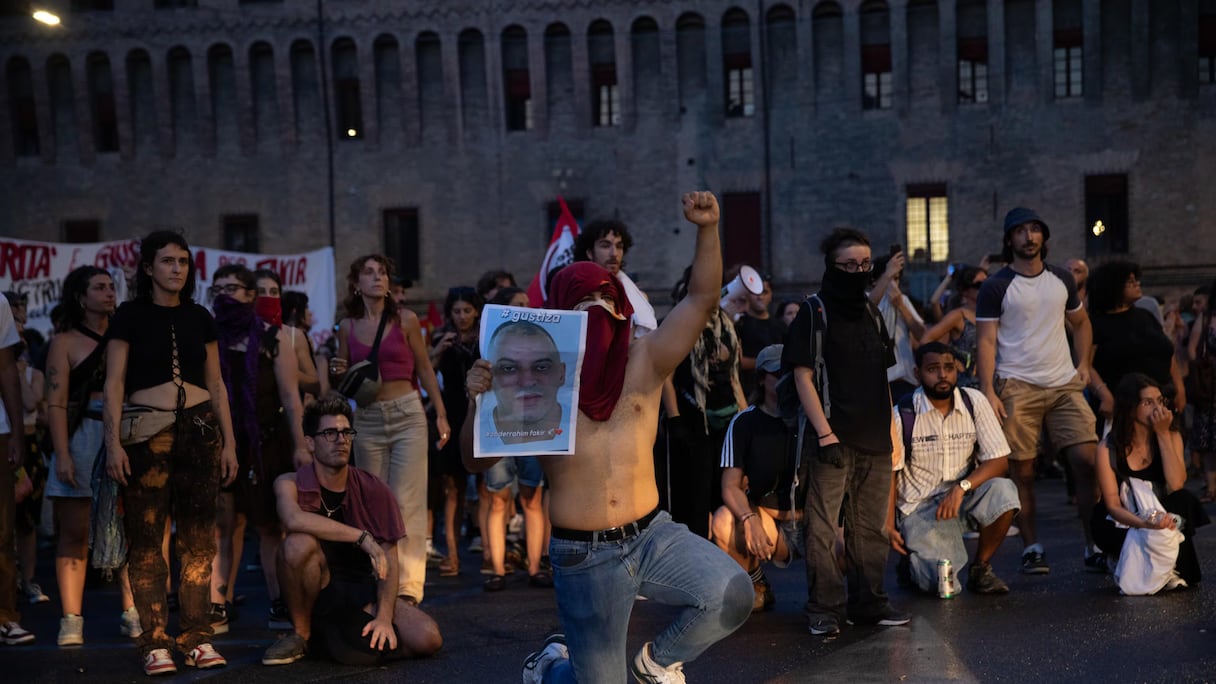
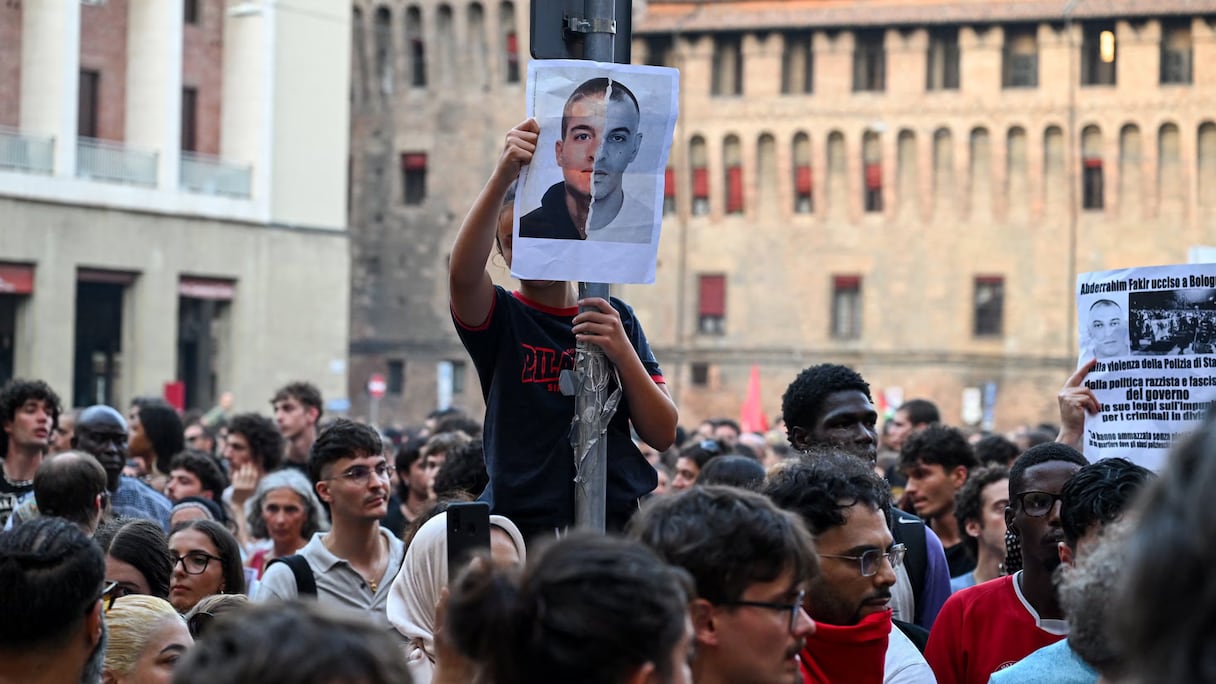
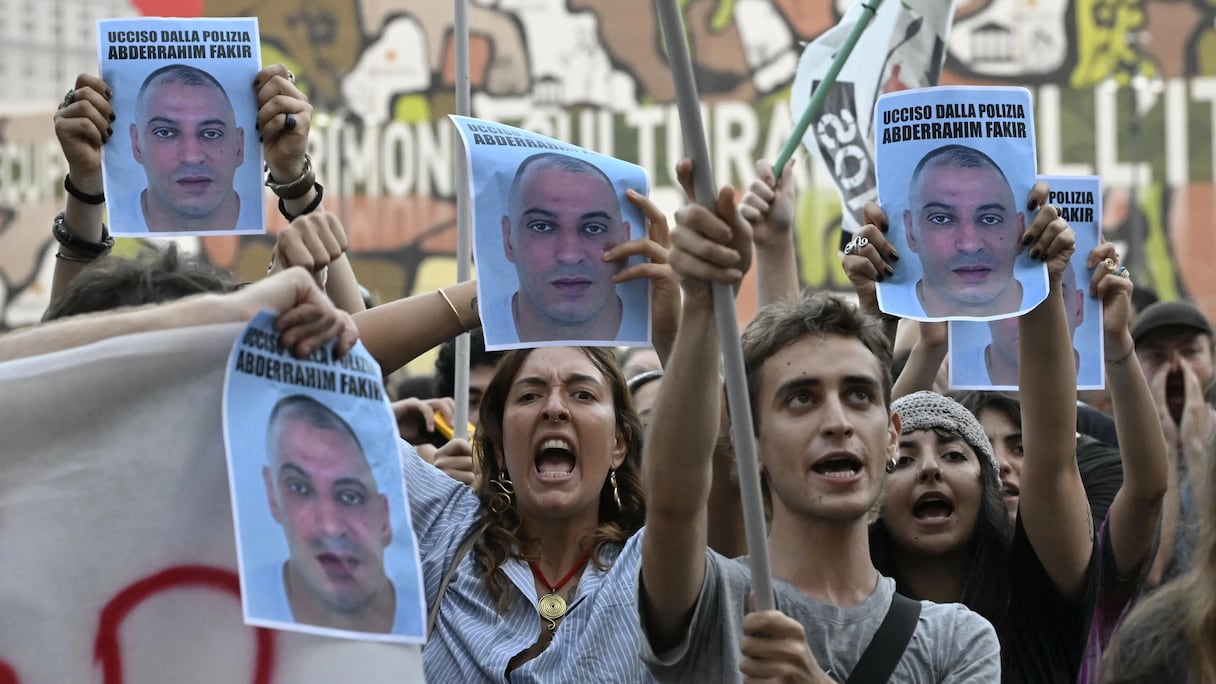
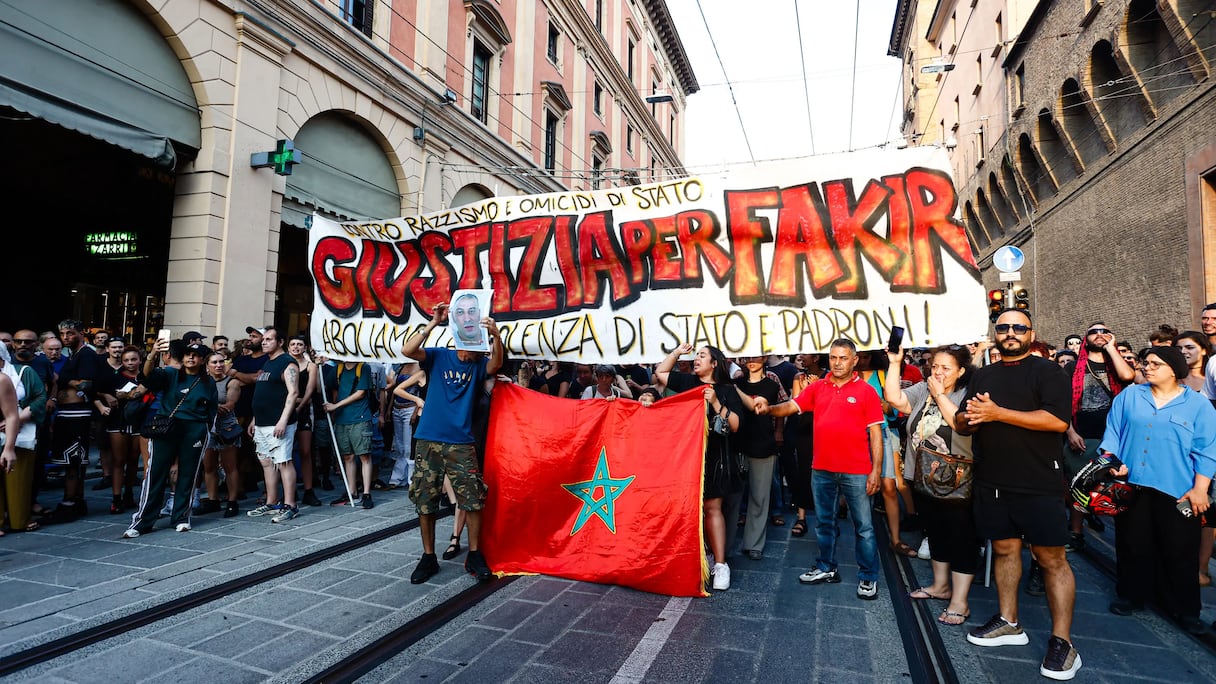
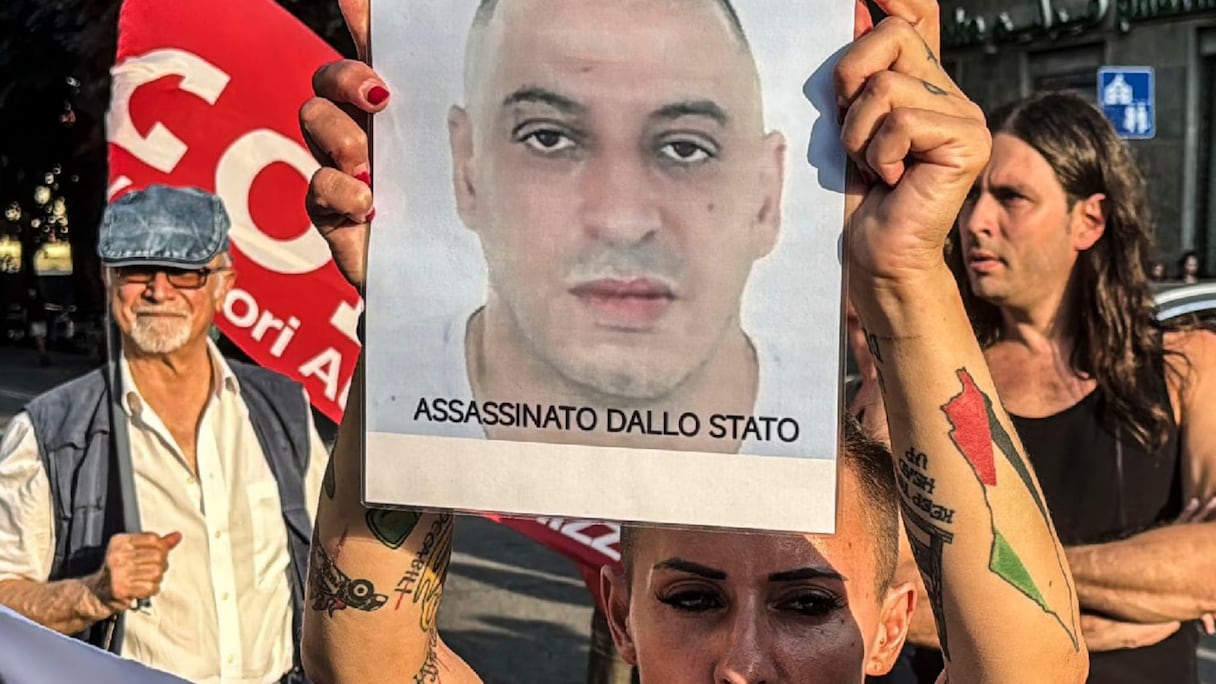
Italian prosecutors opened an investigation the day after the incident, triggering widespread public outrage and prompting several hundred people to gather in central Bologna carrying banners demanding “Justice and truth for Fakir.”
A judicial precedent that changed little
Italian Senator Ilaria Cucchi immediately drew parallels with the Magherini case. Her brother died in police custody in 2009 after being beaten by two Carabinieri officers while resisting fingerprinting, an act of violence that the courts ultimately ruled constituted lawful self-defense.
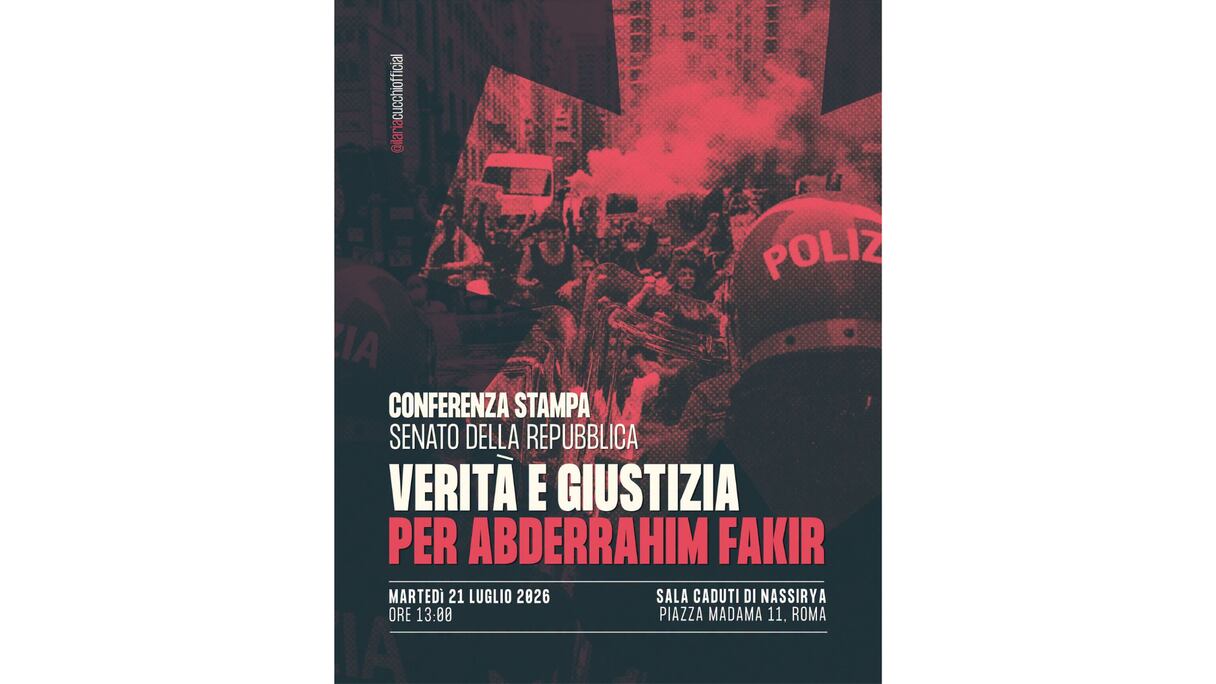
“Find the differences,” she said during a conference held at the Italian Senate on Tuesday, July 21, comparing footage of Riccardo Magherini and Abderrahim Fakir recorded 12 years apart in what she described as “entirely analogous” circumstances.
Read also : Family demands truth and justice as death of Abderrahim Fakir during arrest by Italian police sparks outrage
Cucchi recalled that the European Court of Human Rights unanimously ruled in January 2026 that Italy had violated Article 2 of the European Convention on Human Rights, which protects the right to life and requires effective investigations into deaths involving state agents.
The Court found that keeping Magherini “in a prone position for approximately 20 minutes after he had been immobilized, despite the fact that he no longer appeared to be responding, was not absolutely necessary to restrain him.”
It also identified “shortcomings in the subsequent investigation (particularly regarding its independence), deficiencies in law enforcement training on restraint techniques, and inadequacies in the directives in force in Italy at the time concerning how to place an individual in a prone position while minimizing the risk to their health and life.”
According to Cucchi, Italy’s Interior Ministry issued new operational guidelines in May 2026, only months after the ruling.
The guidance classifies “non-cooperative” individuals as people who may be psychologically vulnerable, suffering from psychiatric disorders or under the influence of drugs or alcohol. It recommends that once handcuffed, they should immediately be turned onto their backs rather than kept face down.
“Instead, we let them die from asphyxiation,” the senator said.
That assessment is echoed by Mario Balzanelli, president of the Italian Society of the 118 Emergency Medical System, who described the restraint technique used by the officers as “completely inappropriate” in comments to an Italian media outlet.
Three Factors, One Fatal Outcome
He also argued that pepper spray should not have been used, particularly on someone with asthma, as Fakir was.
According to Balzanelli, the rapid arrival of a physician from Italy’s 118 emergency medical service could likely have saved Fakir’s life. In cases of severe psychomotor agitation, he said, a doctor could administer sedation to protect both the individual and responding officers.
Balzanelli identified three factors that commonly combine in these deaths.
The first is the intense state of agitation itself, which can trigger dangerous cardiac arrhythmias.
The second is prone restraint. A person pinned face down beneath the weight of one or more officers cannot properly expand the chest or diaphragm. The inability to breathe adequately leads to carbon dioxide accumulation, increasing blood acidity and placing severe stress on the heart, a condition made worse if pressure is applied to the neck.
The third factor is pepper spray. Oleoresin capsicum can trigger laryngospasm and bronchospasm, narrowing or blocking the airways, particularly in people with asthma. Fakir’s relatives said he suffered from asthma and had previously been hospitalized for respiratory problems.
Balzanelli stressed that preventing such deaths often requires one simple measure: removing the restrained person from the prone position as quickly as possible.
He urged Italian authorities to recognize acute psychomotor agitation as a medical emergency requiring immediate intervention by physician-led emergency teams and called for joint operational protocols and training between emergency medical services and law enforcement.
A lawyer who has handled countless similar cases
Fakir’s family has retained Fabio Anselmo, one of Italy’s best-known lawyers in cases involving deaths during police interventions. He previously represented the families of Federico Aldrovandi, Stefano Cucchi and Riccardo Magherini.
After more than two decades handling similar cases, Anselmo expressed frustration.
“What can I say? We have learned nothing. And we do not want to learn anything.”
He recalled that the European Court of Human Rights had twice condemned Italy over Magherini’s death, establishing fundamental principles that the country continues to violate, particularly regarding police training, both operationally and psychologically.
Anselmo also pointed to emergency communications suggesting that after officers stood up, Fakir still appeared to be alive but remained bound without receiving immediate assistance.
“Someone should explain to me why he remained tied, hands and feet.”
If confirmed, he said, the tragedy would take on “even darker and more terrible” dimensions.
He described current restraint procedures as “procedures of death,” arguing they should be used only in the most exceptional circumstances and immediately abandoned once the individual no longer poses a threat.
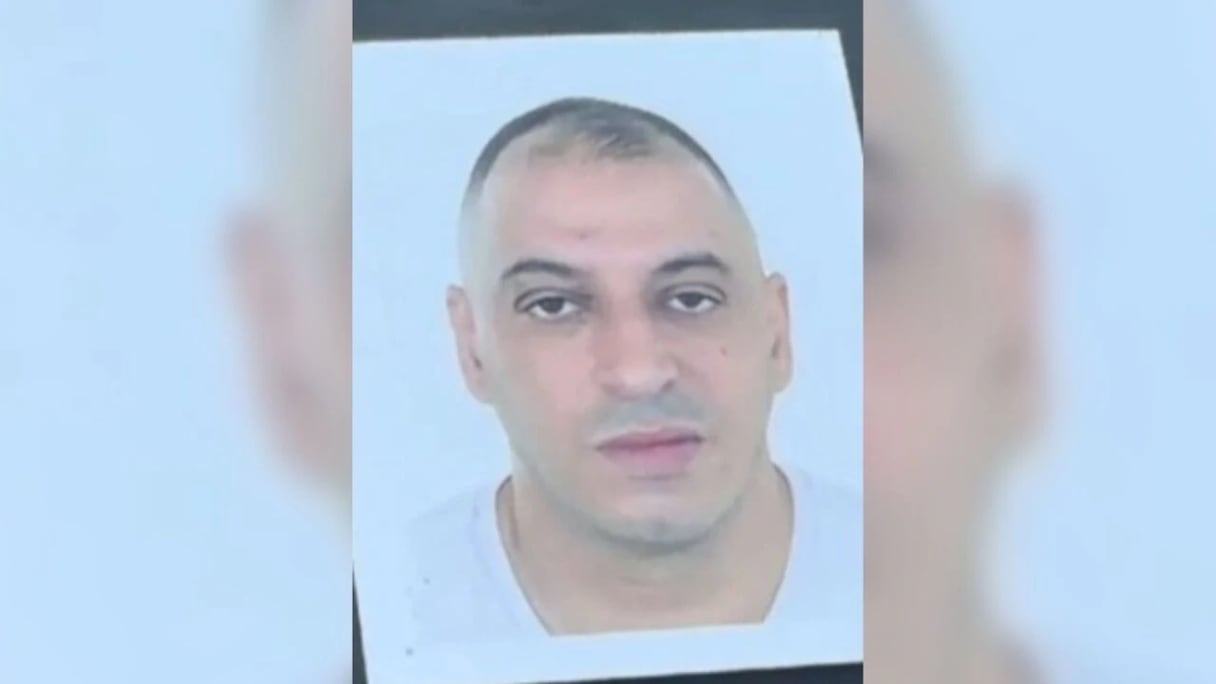
The lawyer also condemned what he described as the media’s treatment of the victim. According to Anselmo, several newspapers mistakenly attributed the criminal record of another man with the same name to Abderrahim Fakir, falsely linking him to offenses he had never committed.
“What matters is what happened there,” he said, rejecting attempts to shift attention toward the victim’s past.
He concluded by acknowledging a deep sense of fatigue after more than two decades devoted to such cases, saying he was exhausted by watching “the tragedies unfold and the health of victims’ relatives deteriorate.”
He also offered heartfelt support to Abderrahim Fakir’s niece, praising her as the face of a family «demanding the civil rights and dignity» that had been denied to her uncle.
Read also : Death of Moroccan national in Bologna: Foreign Ministry demands accountability
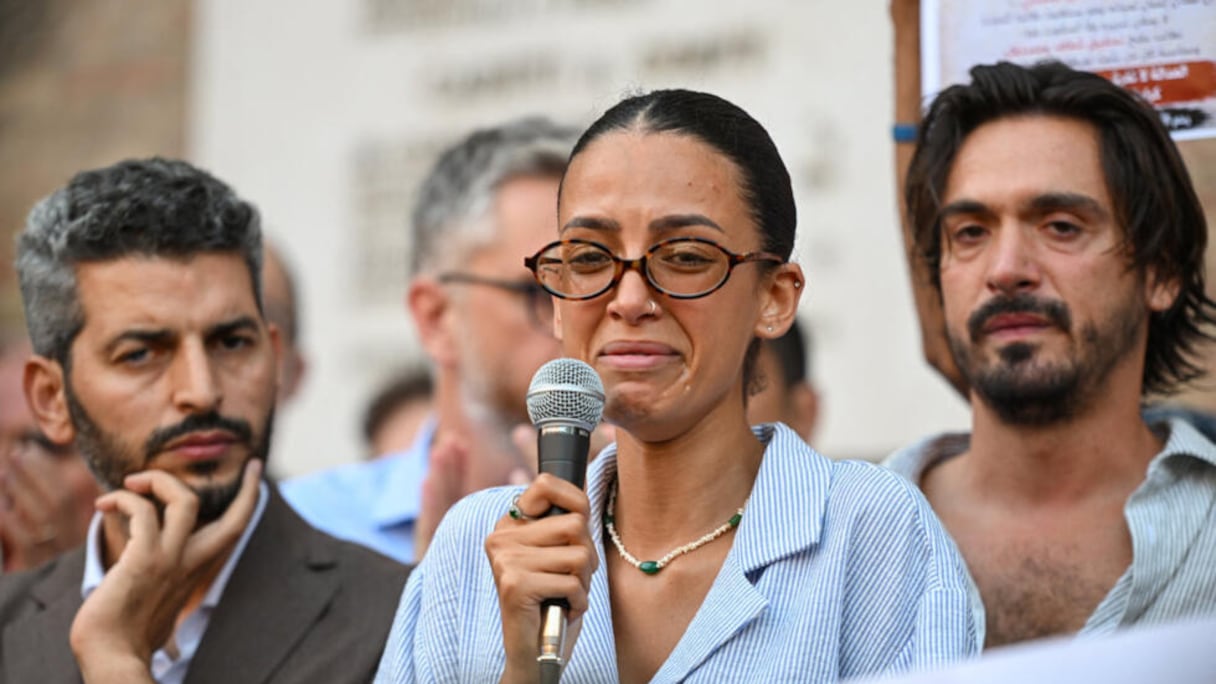
Speaking by video conference, Fakir’s niece, Yousra, distanced the family from clashes that erupted following the incident.
“As a family, we completely dissociate ourselves from the clashes and disorder that occurred after the intervention,” she said, recalling her deep attachment to Bologna, the city where she was born and raised.
“Seeing it like this deeply hurts me and my family. Bologna does not deserve this,” she added, insisting that her uncle’s memory must not be “tainted” by the violence.
“The pain we are living through is immense, but it cannot and must not turn into violence in any form.”
She then called for her uncle’s memory to be respected.
“My uncle’s name was Abderrahim. He is not a number. He is not a case. He was a person with a life,” she said.
She stressed that what had happened could not simply be dismissed as “a mistake, an error or an unfortunate accident.”
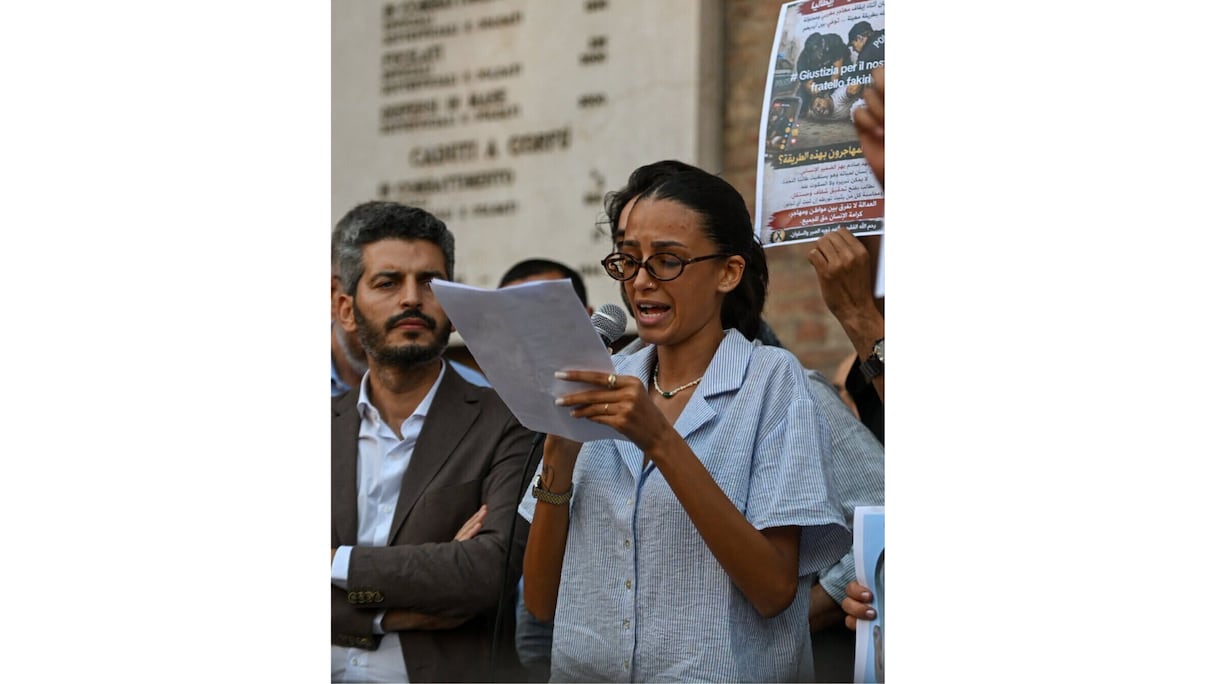
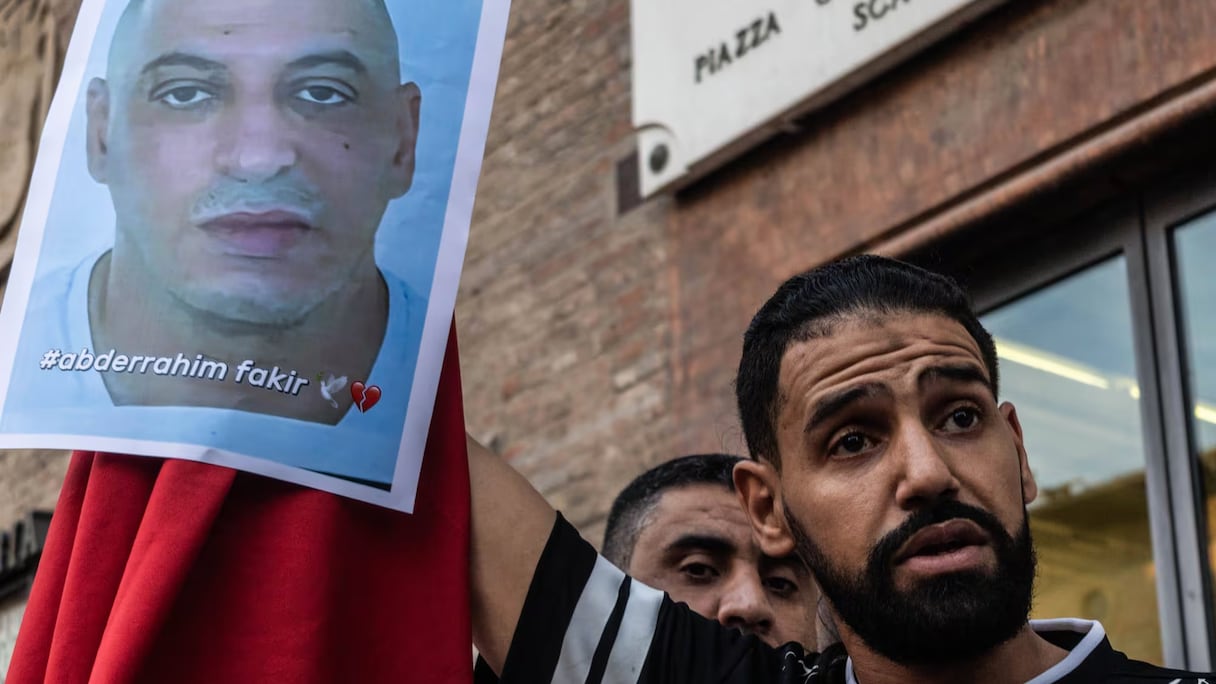
“When someone cries out for help, someone has to intervene. And when that does not happen, it is only right to ask why,” she said, calling for the full truth to emerge, for the facts to be fully established and for those responsible to be held accountable.
She also appealed for respect for her uncle, for his memory and dignity, as well as for the family’s suffering, pledging that they would continue making their voices heard “until we have answers.”
Rabat Closely Monitoring the Case
On the Moroccan side, the Ministry of Foreign Affairs, African Cooperation and Moroccan Expatriates said on Tuesday that it was following with concern the circumstances that led to the death of the Moroccan national.
In a statement, the ministry said Moroccan authorities had requested that the competent Italian authorities promptly conduct a comprehensive investigation to establish the full circumstances surrounding the death and provide all necessary clarification regarding the incident.
According to the statement, Morocco has also demanded that responsibilities be established and that all legally required measures and procedures be fully applied.
The ministry added that Moroccan authorities would continue to monitor the case very closely as part of their ongoing commitment to protecting the interests of Moroccans living abroad.
It said firm instructions had been issued to the Moroccan Embassy in Rome and the country’s Consulate General to closely follow developments in the investigation.
