The Académie du Royaume du Maroc launched the “Women, Rights and Society” (WRS) chair on Tuesday, September 29, 2026, under the direction of Dr. Asma Lamrabet, a permanent member of the Academy. The launch comes at a significant moment, as Morocco prepares for a new reform of its Family Code.
At the inaugural session, Lamrabet outlined the key stages in Morocco’s reforms on women’s and family rights. She pointed to the 2004 reform of the Family Code, the 2007 reform of the Nationality Code and the 2011 Constitution, which enshrines the principle of equality.
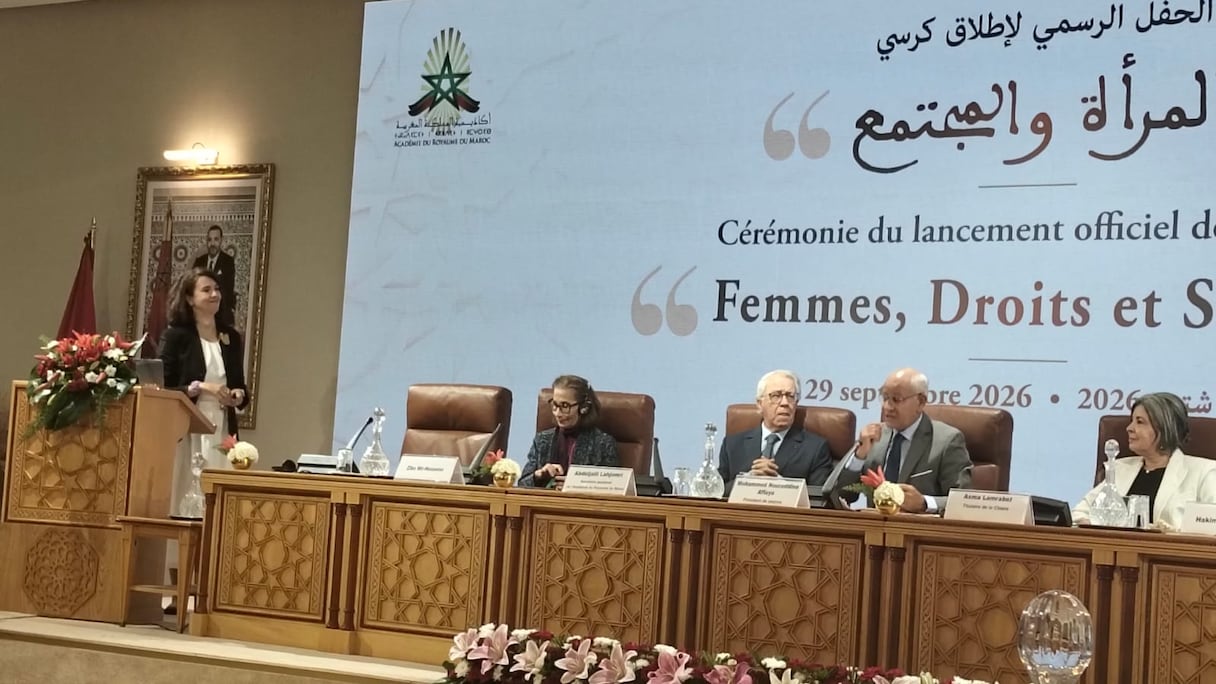
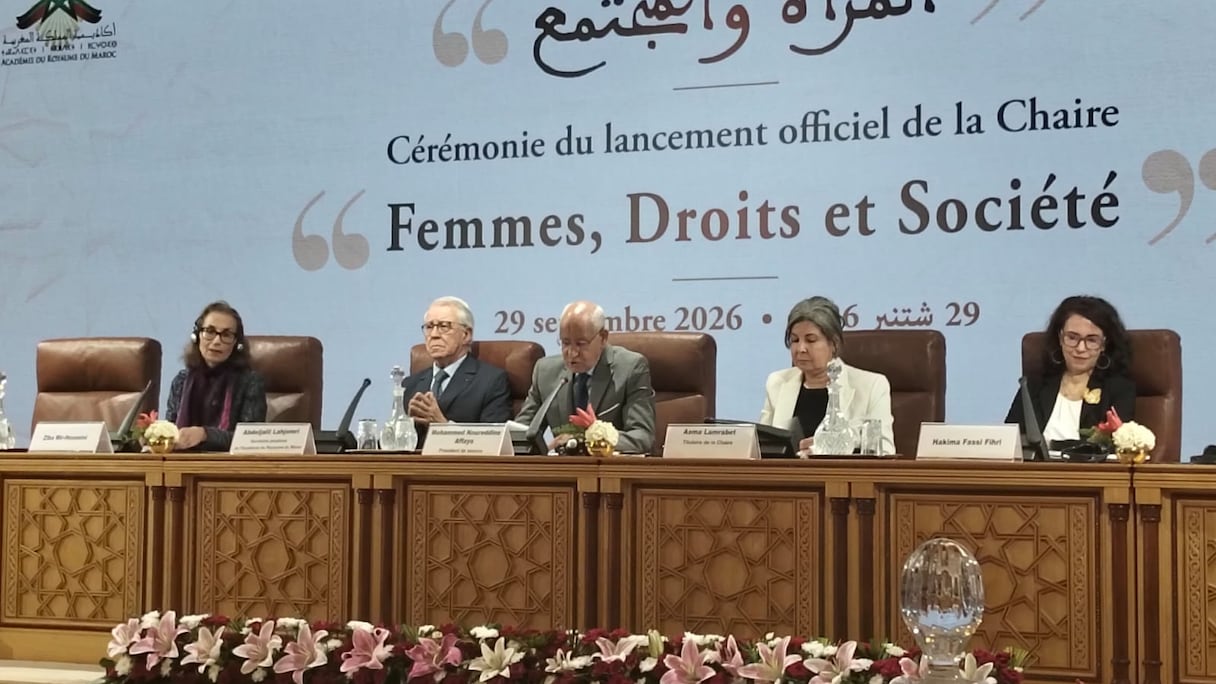
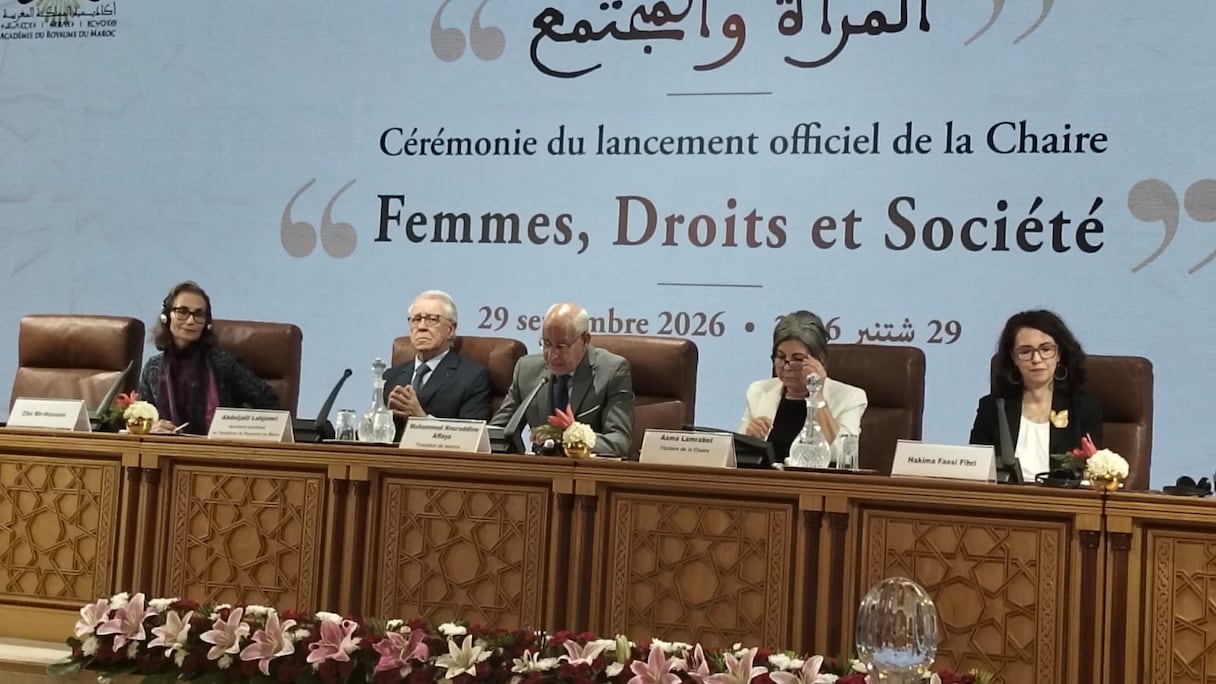
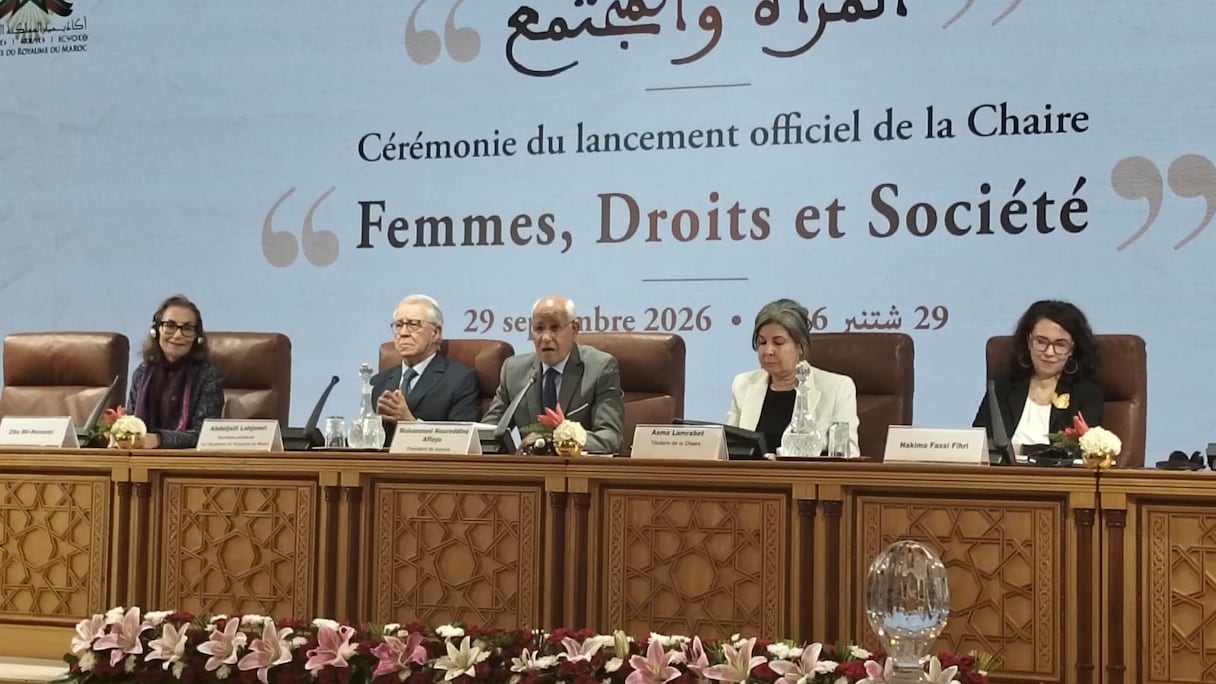
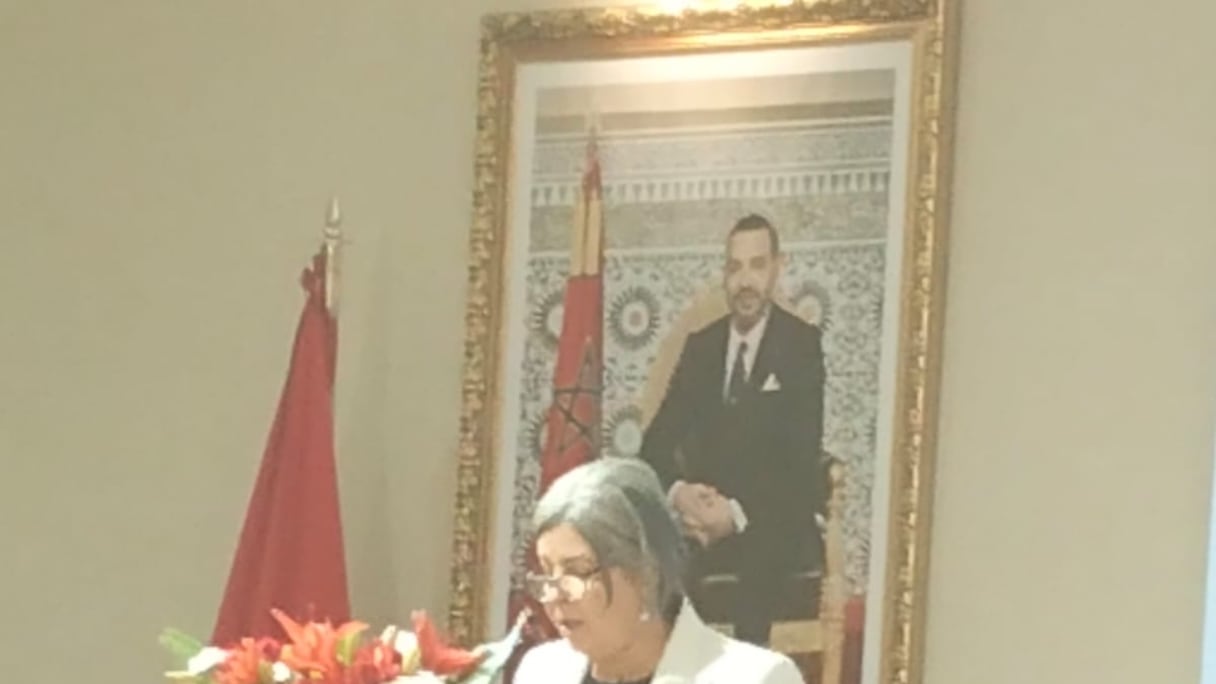
At the launch ceremony of the “Women, Rights and Society” (WRS) chair at the Royal Academy of Morocco on Tuesday, September 29, 2026.
She also highlighted the changing role of women in the religious sphere, including the emergence of female mourchidates (religious guides), women’s access to the profession of adoul (Islamic notaries) and the rise of female theologians. She described these developments as a social, legal and cultural revolution that followed decades of mobilization by Moroccan women, particularly from the 1970s through the 1990s.
For the chair’s director, Morocco is now at a historic turning point as it prepares for the next reform of the Family Code. In her view, this new phase should consolidate the gains already made while addressing the challenges that remain.
Despite the progress made, some areas still need to be addressed if the principles enshrined in the Constitution and Family Code are to be fully reflected in everyday life. These include strengthening the legal framework, tackling stereotypes, reducing economic disparities, preventing violence and increasing women’s political representation.
Read also : Morocco falls two places to 139th in global gender equality ranking
The challenge now goes beyond legal texts. The principles of equality need to become part of everyday life. Lamrabet is therefore calling for the momentum created by the Constitution to be turned into a genuine culture of equality, while encouraging dialogue between different systems of thought.
This is where the WRS chair aims to contribute. Conceived as a multidisciplinary academic platform, it will draw on the humanities, legal and social sciences, as well as theology. Its approach is rooted in the Moroccan context while remaining open to international experiences and debates.
The chair will focus in particular on the changes taking place within Moroccan families today, with the aim of producing research grounded in the country’s social realities. It also seeks to move beyond the opposition often presented between universal human rights and Morocco’s cultural and religious framework.
Read also : Only 19% of Moroccan women are in the labor force, World Bank says
For Lamrabet, this dialogue should help develop a shared ethic based on justice and equality. In this context, she advocates an ethical, humanist and enlightened reading of Morocco’s cultural and religious heritage.
At the end of her speech, the chair’s director quoted King Mohammed VI from his 2022 Throne Day speech: “When women fully enjoy their rights, they do not harm men... The sine qua non for Morocco to continue progressing is for them to occupy the place that is rightfully theirs.”
With the new chair, the Académie du Royaume du Maroc aims to make women, rights and family issues a lasting subject of research and debate, with the ambition of contributing to a “just, sustainable and harmonious” society for all.
