Morocco is stepping up efforts to protect the Andalusian buttonquail (Turnix sylvaticus sylvaticus), a subspecies whose wild population is now confined to a small stretch of the country’s Atlantic coast. The National Agency for Water and Forests (ANEF) said it is implementing an ex situ conservation program that combines monitoring wild populations, captive breeding and efforts to preserve genetic diversity.
The stakes are particularly high in Morocco. According to ANEF, the bird survives along the Atlantic coast, particularly in the Oualidia region, where it depends on traditional agricultural landscapes and suitable habitats. The International Union for Conservation of Nature (IUCN) also identifies a small area of Morocco’s Atlantic coast as the subspecies’ last known stronghold, noting its association with traditional agricultural landscapes.
Read also : Casablanca: Five Pumas have landed in Aïn Sebaâ Zoo—and you can see them from July 20
Aïn Sebaâ Zoo in Casablanca is at the heart of the program. It now houses Morocco’s first captive-breeding population of the subspecies. ANEF describes it as a “safety reservoir for the species” and a foundation for future conservation efforts, including captive breeding and, eventually, efforts to bolster wild populations.
The first operations in 2026 focused on surveying and monitoring wild populations. They also involved collecting eggs and incubating them until they hatched in captivity in Morocco.
The birds at Aïn Sebaâ are being closely monitored for reproduction, health and genetic characteristics. The aim is to preserve as much genetic diversity as possible within the captive population and gradually build a system that can support conservation efforts in the wild.
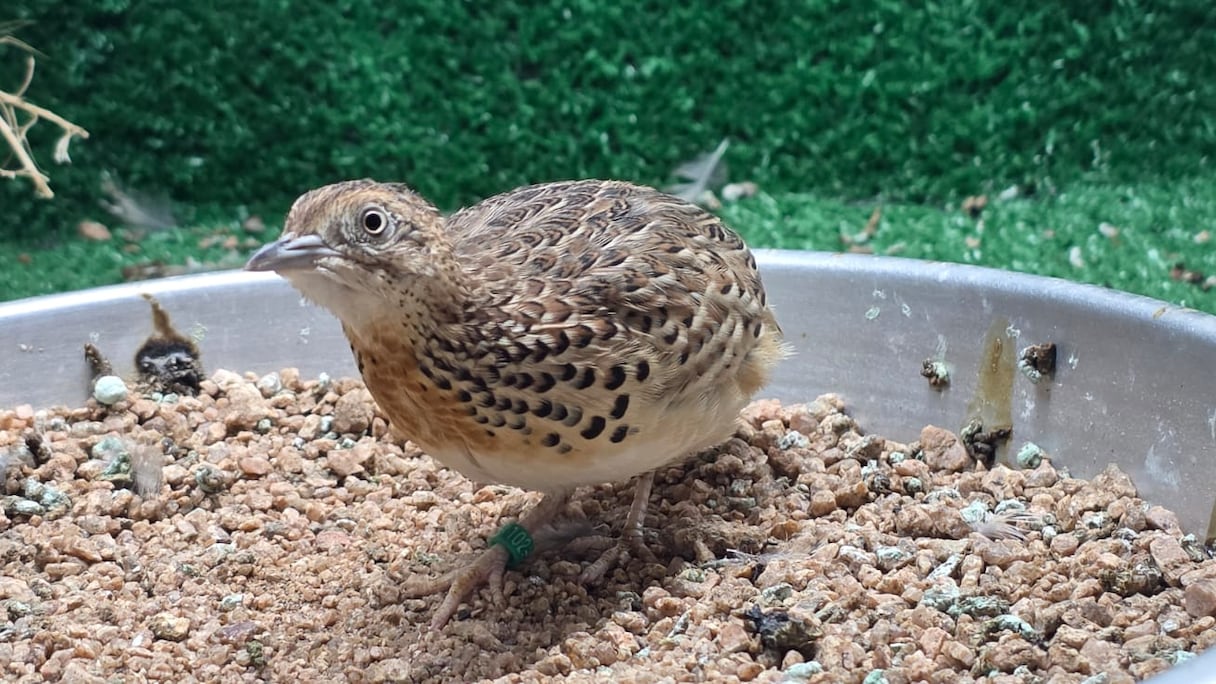
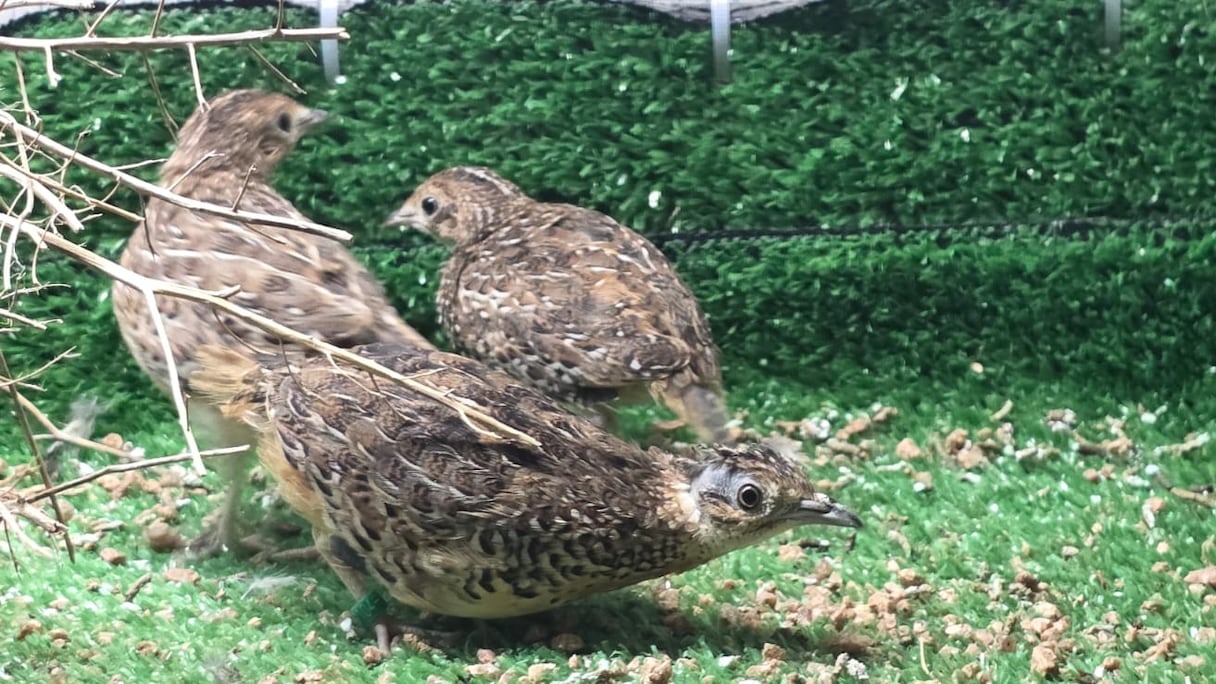
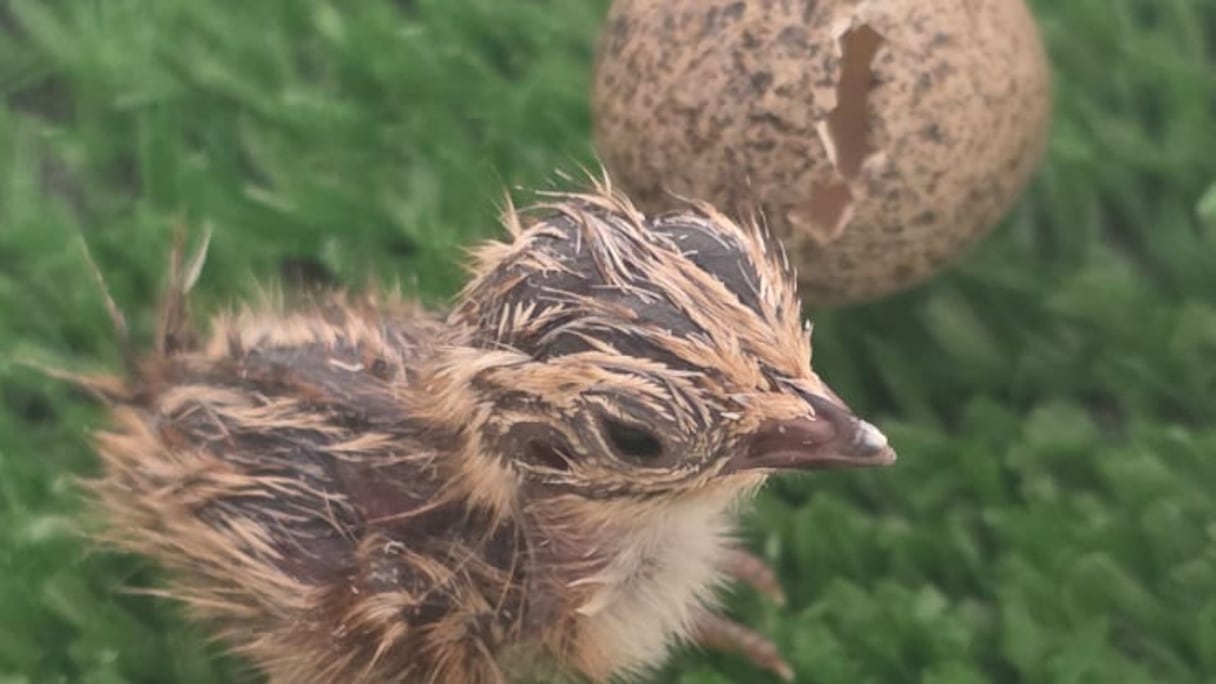
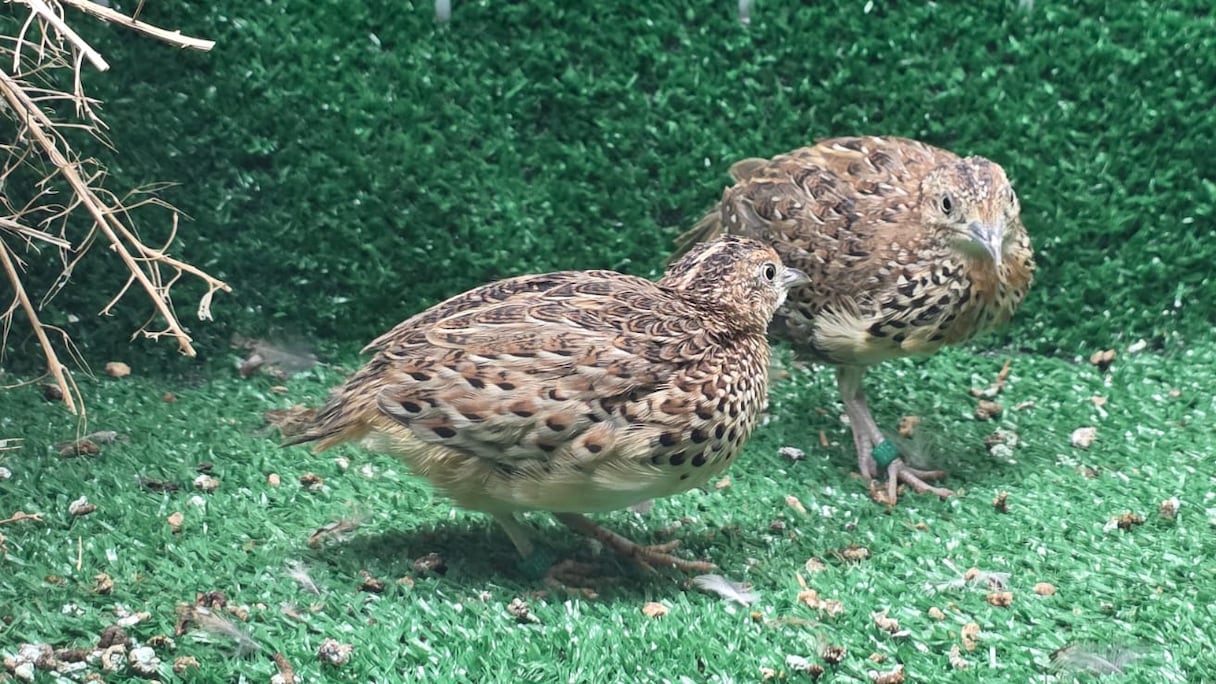
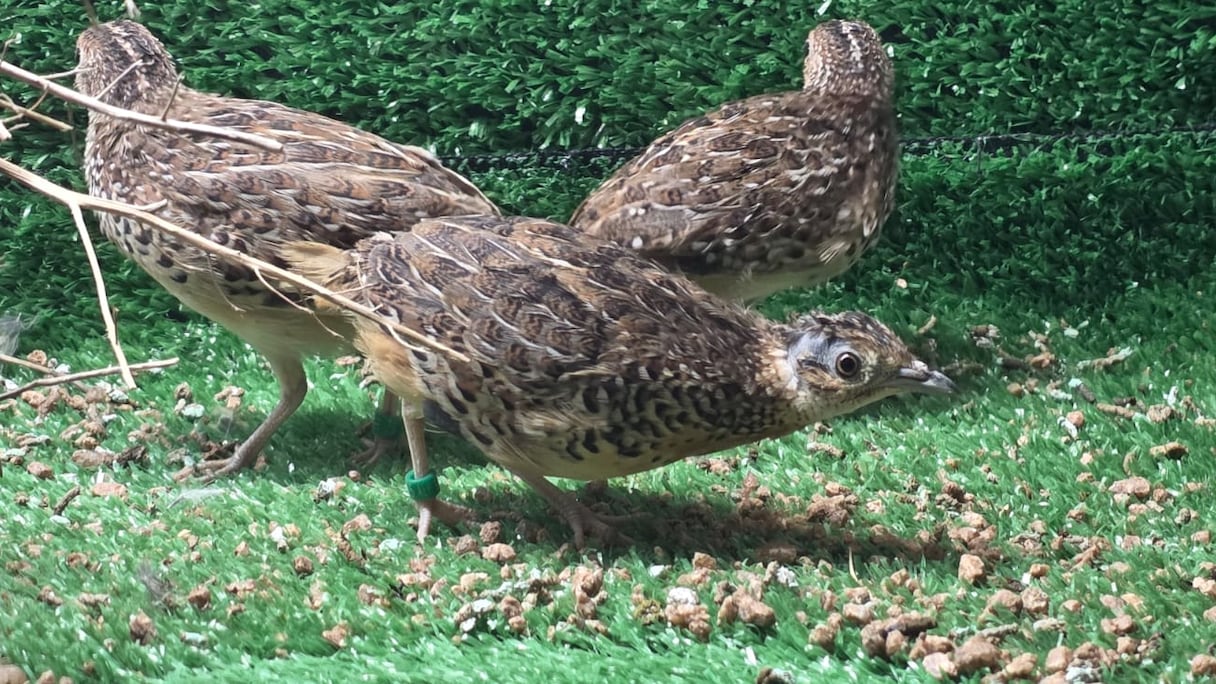
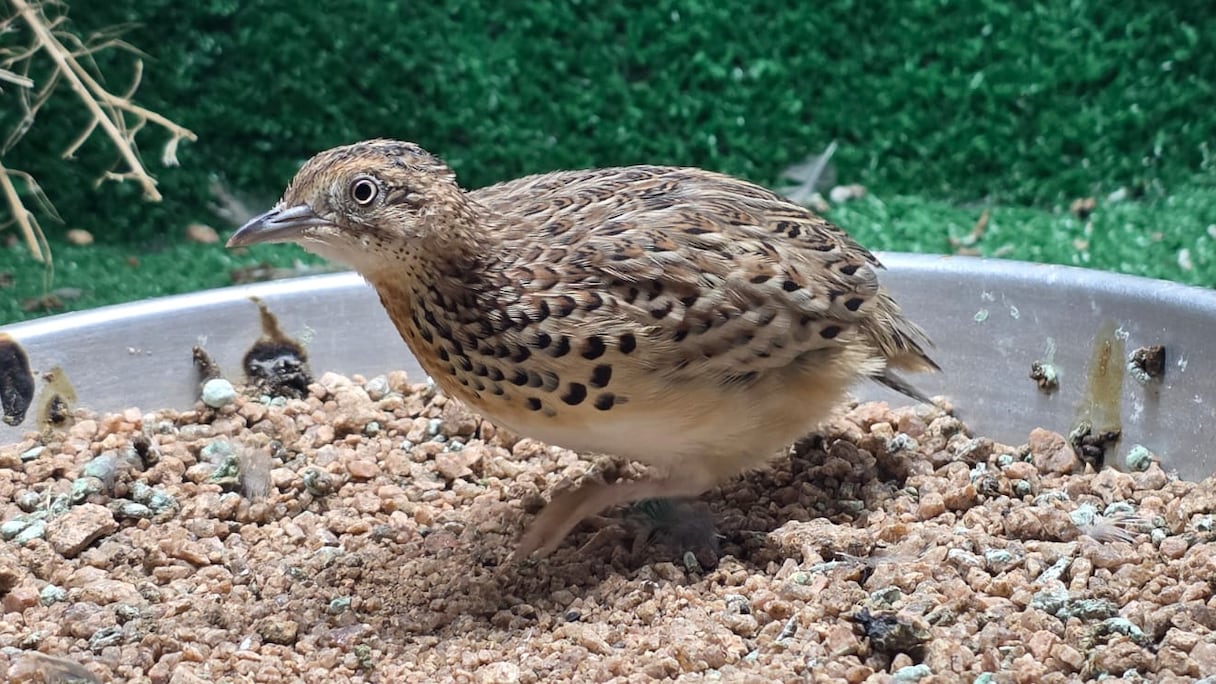
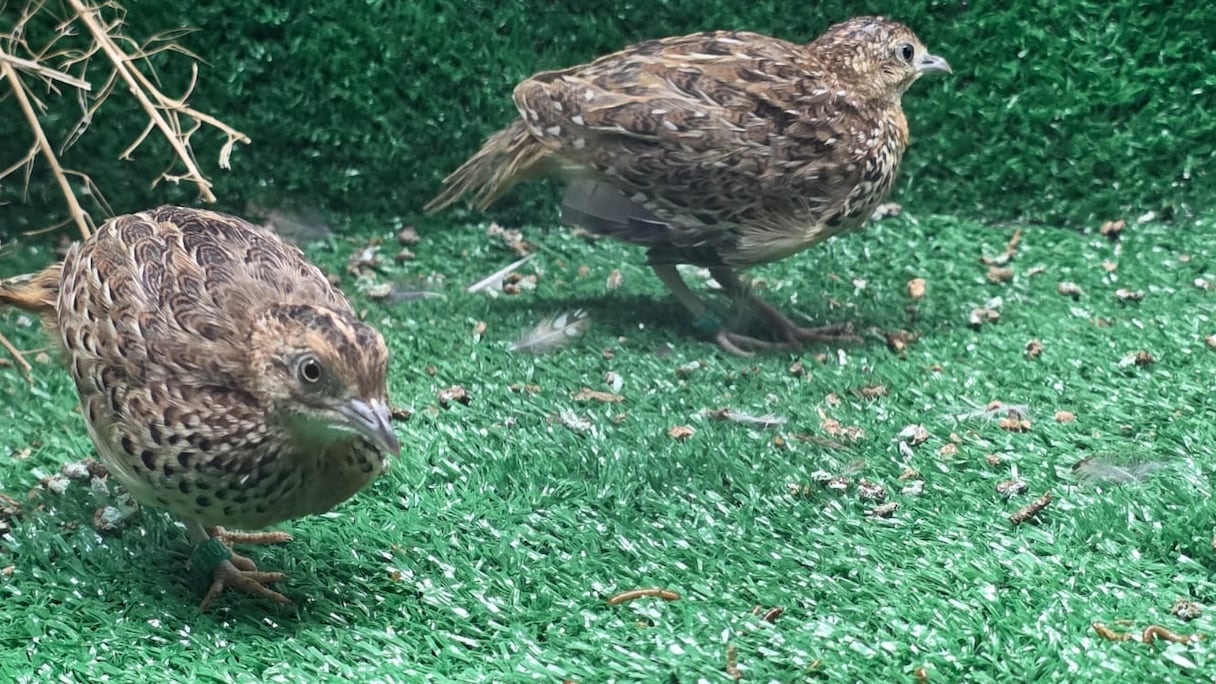
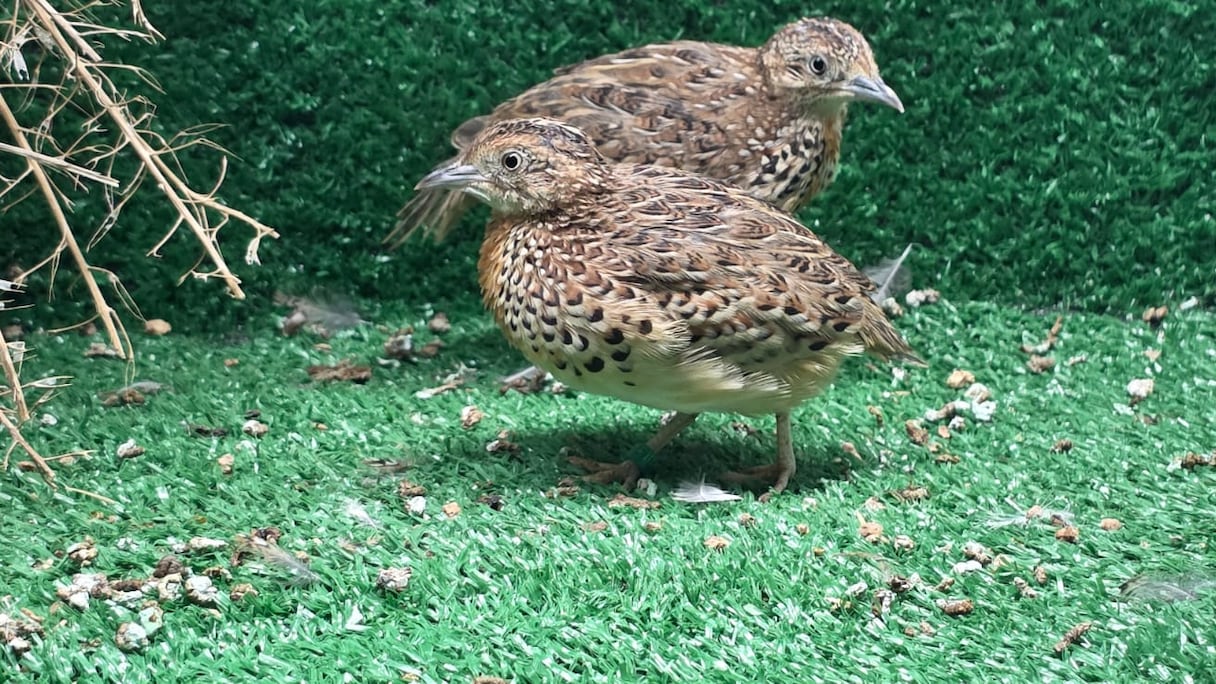
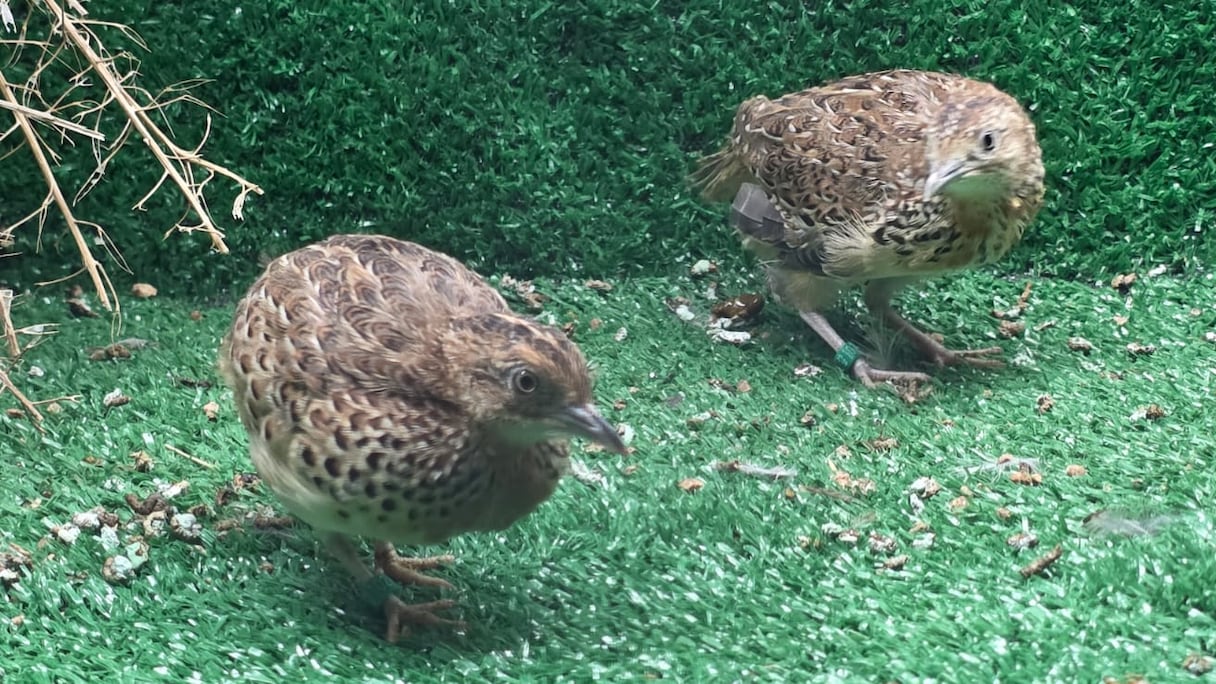
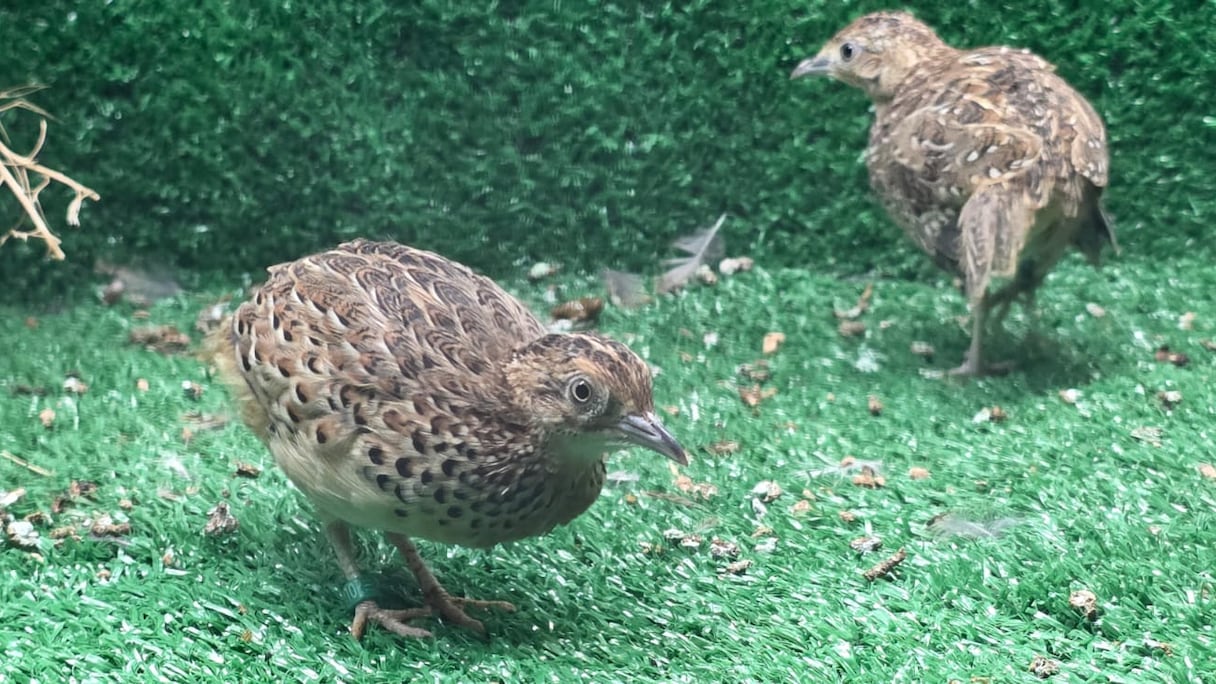
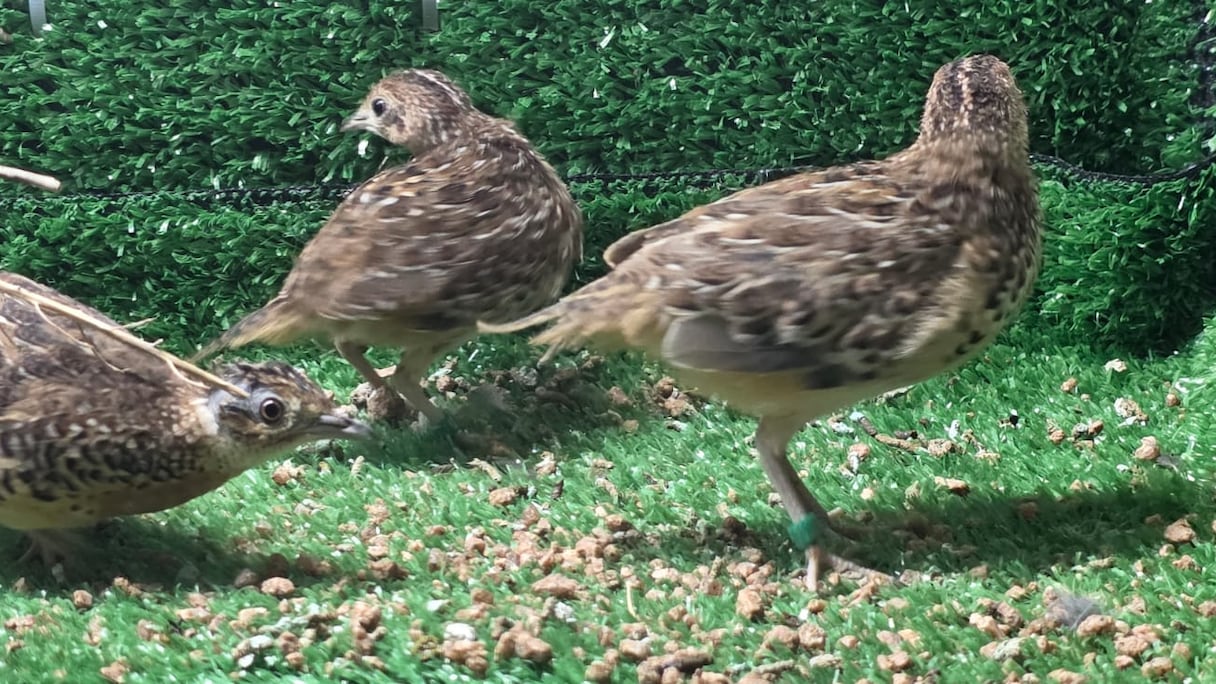
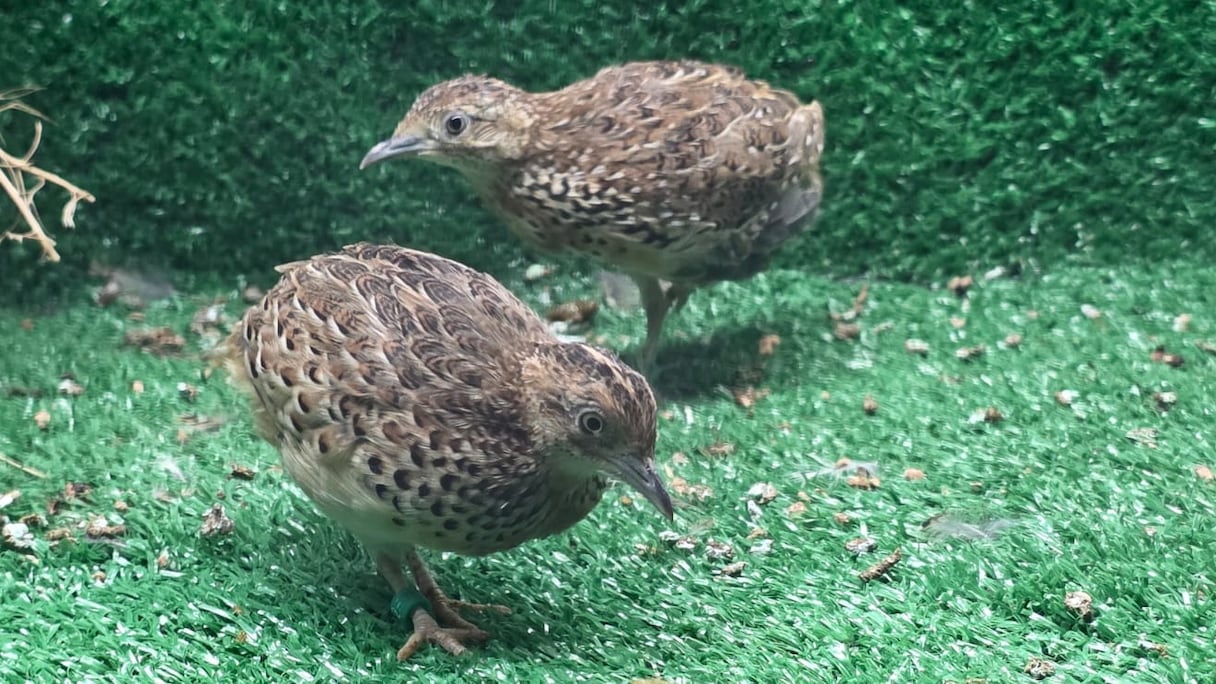
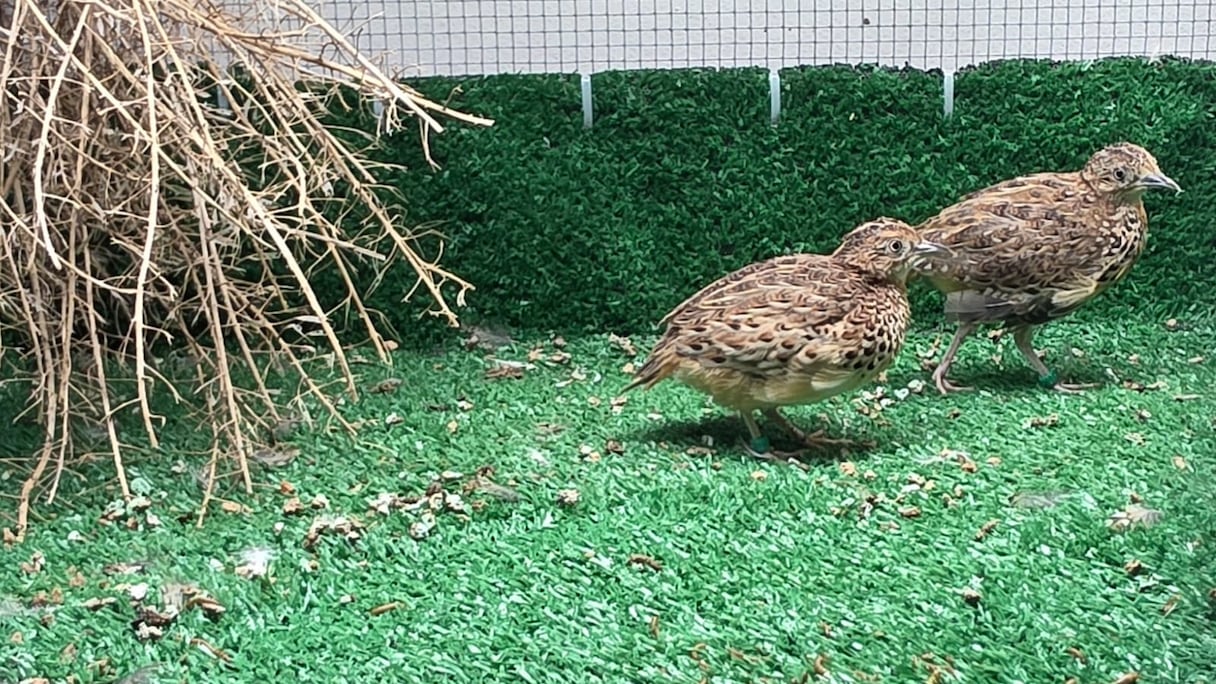
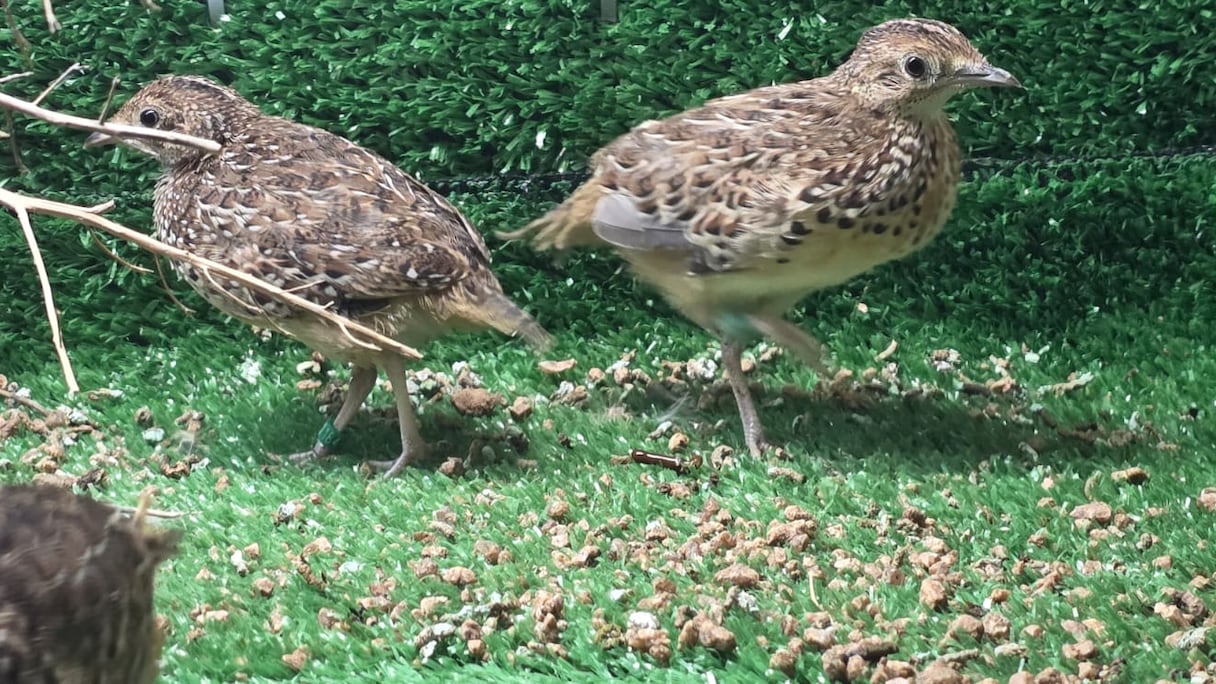
The Moroccan case stands out for several reasons. Andalusian buttonquail populations have declined sharply over the past several decades, and the bird has disappeared from many areas where it was once found. The IUCN says the subspecies has vanished from the Iberian Peninsula and most of its former Mediterranean range.
In Morocco, the remaining wild population is now confined to the Oualidia region, placing particular responsibility on the country to protect it. Preserving traditional agricultural habitats and monitoring the remaining population are therefore key parts of the program.
The aim of ex situ conservation is not to replace efforts to protect the subspecies in its natural habitat. Instead, it is to establish a safety population that could eventually help support conservation efforts in the wild.
Cooperation with Andalusia
The Moroccan program is part of a broader conservation partnership between Morocco and Spain. Alongside the population at Aïn Sebaâ, a second ex situ conservation facility is being established at the Zoobotánico de Jerez in Andalusia.
Read also : New Zealand’s endangered kākāpō population reaches 325 after record breeding season
Eighteen young Andalusian buttonquails from Morocco arrived there on September 9 after being transferred through the port of Algeciras. They will form the basis of a captive-breeding program designed to establish a safety population and, eventually, prepare for possible reintroduction efforts in Andalusia.
According to the IUCN, some of the birds produced through operations in Morocco will remain at Aïn Sebaâ to help strengthen the population confined to the Oualidia region, while 18 individuals have been transferred to Jerez. The two breeding populations will therefore contribute to conserving the subspecies on both shores of the Mediterranean.
The Moroccan and Spanish programs are to be coordinated, including through pedigree tracking of the captive population. The approach is intended to maintain sufficient genetic diversity and reduce the risks associated with inbreeding.
Read also : Scientists identify first new wild cat species in more than a century
The program brings together Moroccan and Spanish authorities, the IUCN, the Zoobotánico de Jerez and several scientific and specialist organizations. The IUCN says the cooperation has brought technical teams from the two countries together around common methods for conserving threatened species.
The initiative is part of the implementation of the “Forests of Morocco 2020-2030” strategy, which places strong emphasis on biodiversity conservation and the protection of endangered species.
