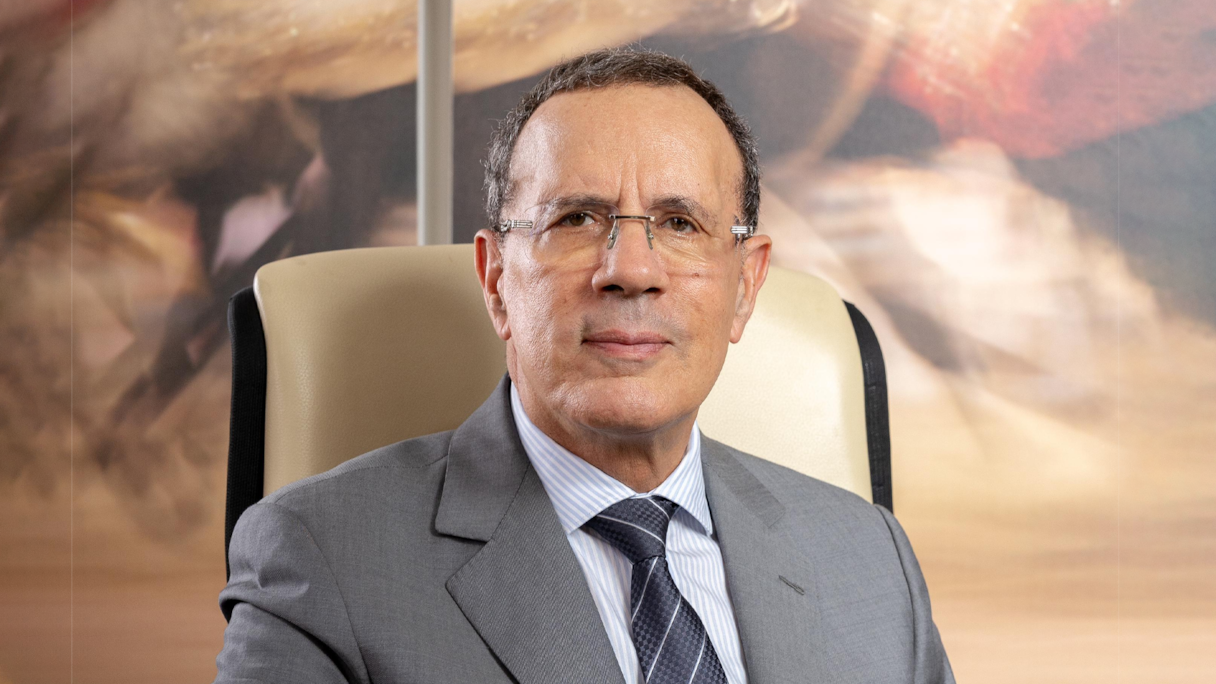
Held under the theme “The Horse in the Service of Humanity,” this year’s event also marks a milestone for show jumping, with the Grand Prix moving up to CSI5*-W level. In an interview with Le360, event commissioner El Habib Marzak discusses the significance of the new edition, the preservation of traditional equestrian arts and the show’s ambitions for the coming years.
Read also : Crown Prince Moulay El Hassan chairs opening of 17th El Jadida Horse Show
Le360: The theme of this 17th edition is “The Horse in the Service of Humanity.” What does this choice reflect?
El Habib Marzak: The theme reflects the special place horses hold in our history, culture and society. For centuries, they have accompanied people in their daily activities, traditions and sporting pursuits. In Morocco, the horse also symbolizes nobility, courage, loyalty and the passing down of traditions.
Through this 17th edition, we want to highlight the many dimensions of this relationship, whether cultural, sporting, educational or linked to heritage. The horse is more than an animal to admire. It is a true partner to humans, embodying values that endure across generations.
Tbourida is central to Morocco’s equestrian identity. How does the show help preserve this living heritage?
Tbourida is one of the most emblematic expressions of our equestrian heritage. It represents a collective legacy built on horsemanship, discipline, solidarity and the transmission of traditional skills. Its inscription on UNESCO’s Representative List of the Intangible Cultural Heritage of Humanity in 2021 recognized its universal value.
At the show, the His Majesty King Mohammed VI Tbourida Grand Prix is a major highlight, giving audiences an opportunity to discover the richness of this traditional art. But preserving Tbourida also means encouraging people to practice it, recognizing those who keep it alive and passing this heritage on to younger generations. This is how horses continue to bring people, communities and generations closer together.
This year, the show jumping Grand Prix moves up to CSI5-W level. What does this change mean for the event?
The move to CSI5*-W level is an important milestone for the show and for equestrian sport in Morocco. It allows us to host a top-level competition that counts toward World Cup qualifications and raises El Jadida’s international profile.
This development also reflects the role of equestrian sport in pushing personal limits and pursuing mastery, discipline and excellence. The sport depends on a close relationship between rider and horse, built on trust, respect and coordination.
By welcoming top riders, the show offers audiences a high-level sporting spectacle while helping raise Morocco’s profile on the international equestrian scene.
Horses also play a role in education and the transmission of values. How is this reflected in the show’s program?
Passing on knowledge and traditions is central to our approach. Horses are powerful tools for learning because they teach us respect, patience, responsibility and self-control.
We want children and young people to discover this world through age-appropriate activities, encounters and educational spaces. This year’s program includes a children’s area called “Faris Travels Across Morocco,” which invites younger visitors to explore the Kingdom through the world of horses.
Equestrian performances and demonstrations of different disciplines also spark curiosity and introduce audiences to the diversity of our heritage. Our ambition is to make the show a place where people come not only to admire horses, but also to learn about them and understand the relationship we share with them.
Beyond heritage and sport, how does the show highlight the cultural and human dimensions of the relationship between people and horses?
Horses are at the intersection of many cultural expressions and traditional skills that reflect the richness of our heritage. They inspire the arts, feature in traditional practices and hold an important place in Morocco’s collective imagination.
Through equestrian performances, breed presentations, traditional crafts and public activities, the show highlights this diversity. The participation of Moroccan and international groups also creates opportunities for cultural exchange.
We want to show that the horse is a living heritage that can be shared and renewed, and that continues to bring people together. This human dimension is essential because it gives real meaning to our theme, “The Horse in the Service of Humanity.”
What are your ambitions for future editions of the El Jadida Horse Show?
Our ambition is to continue developing the show while preserving what defines it: the meeting point between heritage, sport, culture and the general public.
We want to strengthen its international dimension, expand initiatives for young people and continue promoting Morocco’s equestrian traditions among new generations. We also want the show to remain a place for dialogue, discovery and sharing, where professionals, enthusiasts and families can come together around a common passion.
Horses remind us of the importance of respect, trust and passing on knowledge. We want to celebrate this deep relationship between people and horses and keep it alive for years to come.
