According to a statement from the Ministry of Health and Social Protection, the opening of these facilities is part of the implementation of King Mohammed VI’s High Guidelines aimed at reforming and upgrading the national healthcare system, strengthening healthcare provision and bringing health services closer to citizens.
It also forms part of the national program to upgrade 1,600 primary healthcare facilities, including 500 in 2026, in support of the rollout of universal social protection and efforts to improve the quality of basic health services.
In the Béni Mellal-Khénifra region, four primary healthcare facilities entered service across the provinces of Azilal and Khénifra, the statement added. These include three health dispensaries in Azilal province, in Kimi, Bouhrazane and Aït Ouirar, as well as the Sidi Bouabad health dispensary in Khénifra province.
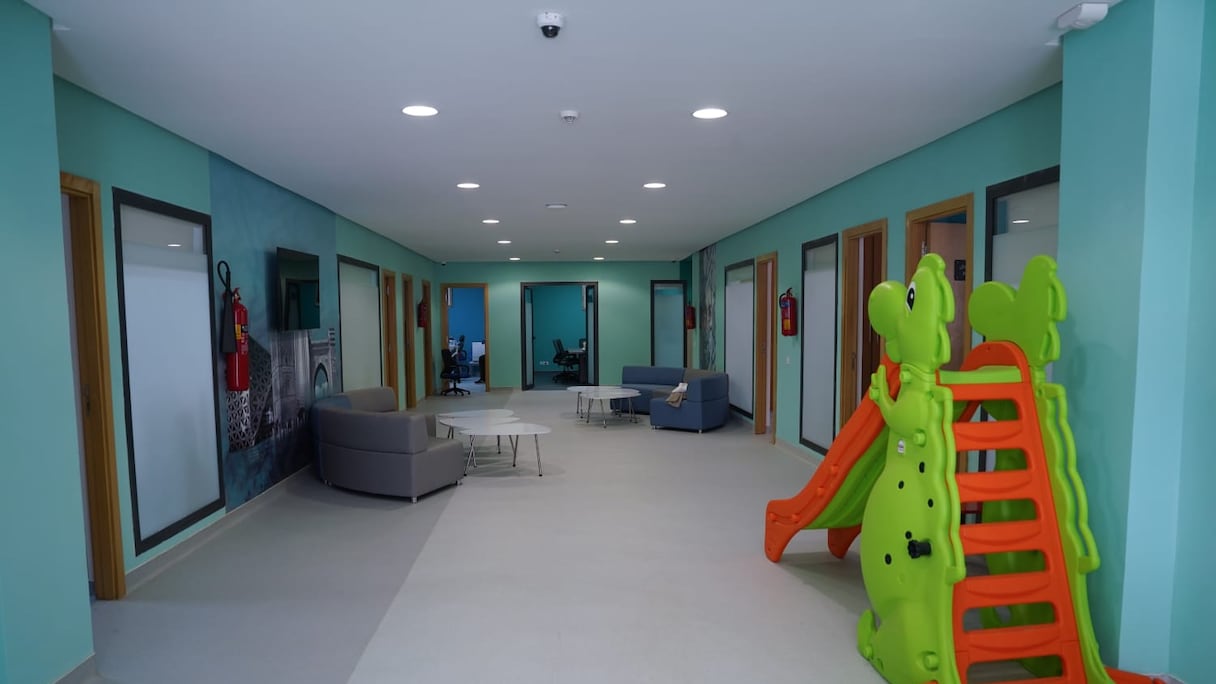
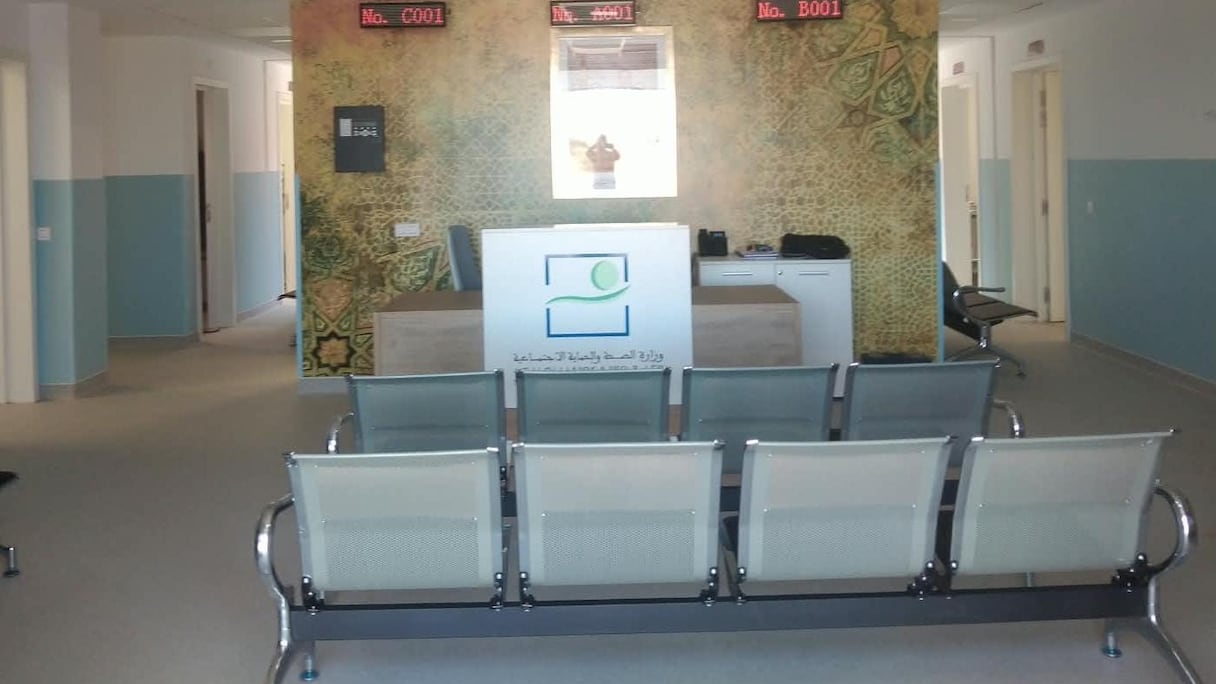
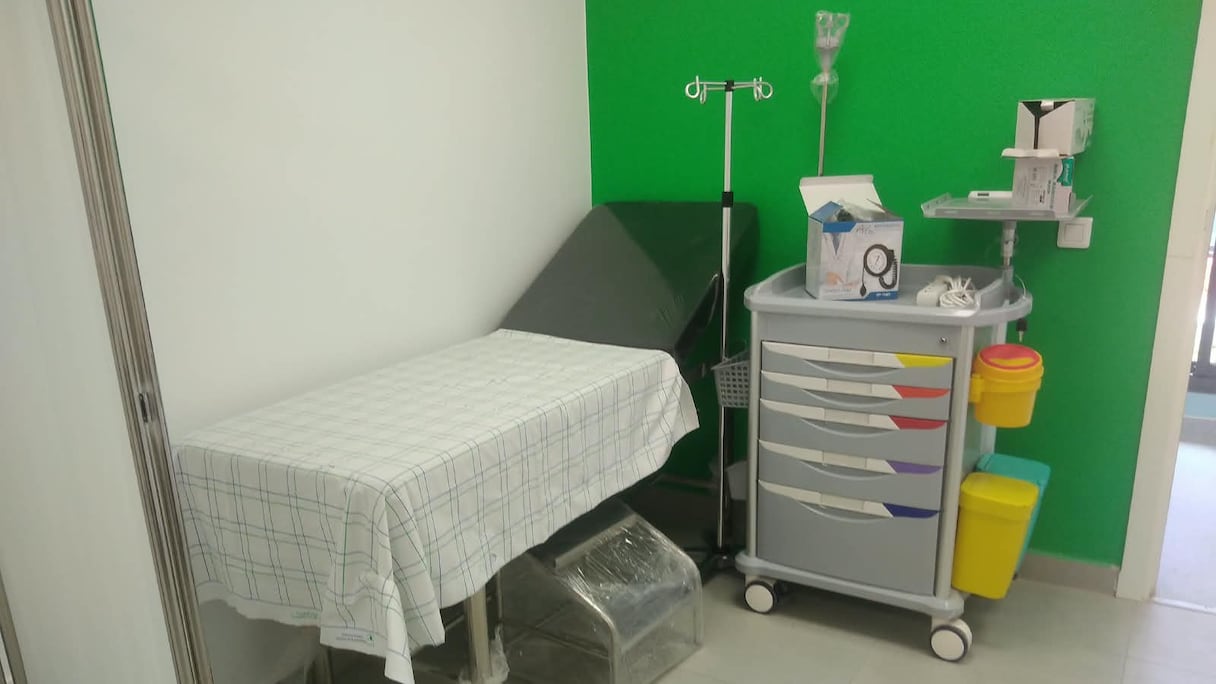
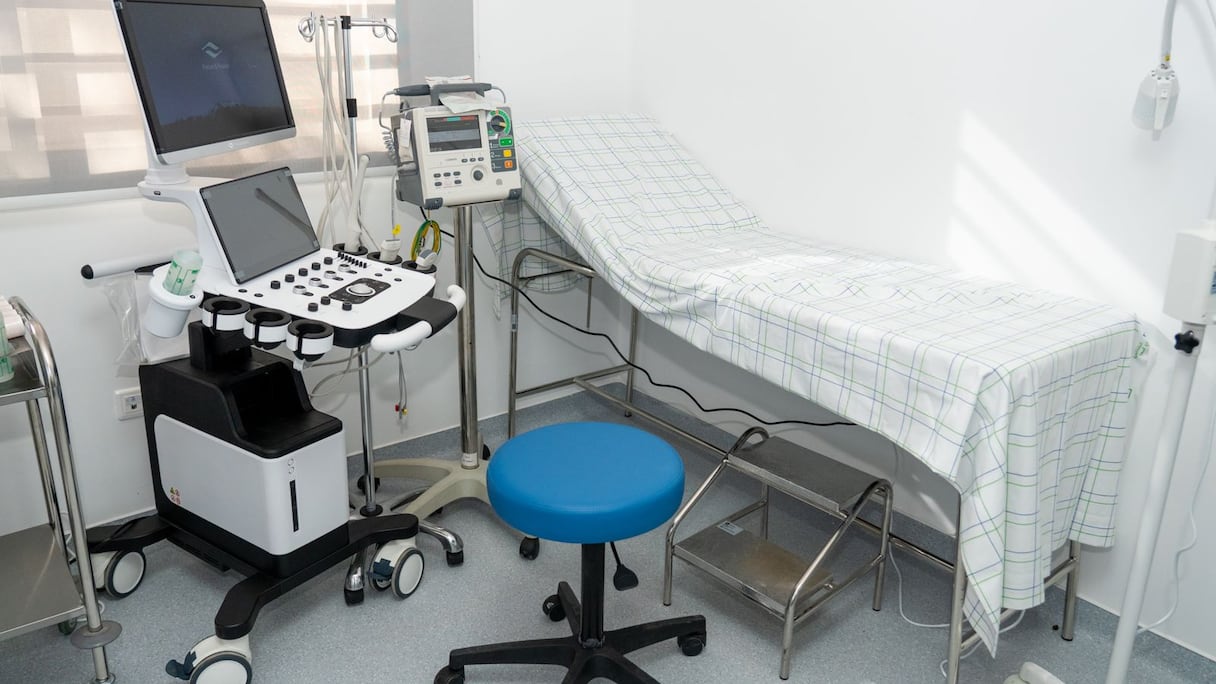
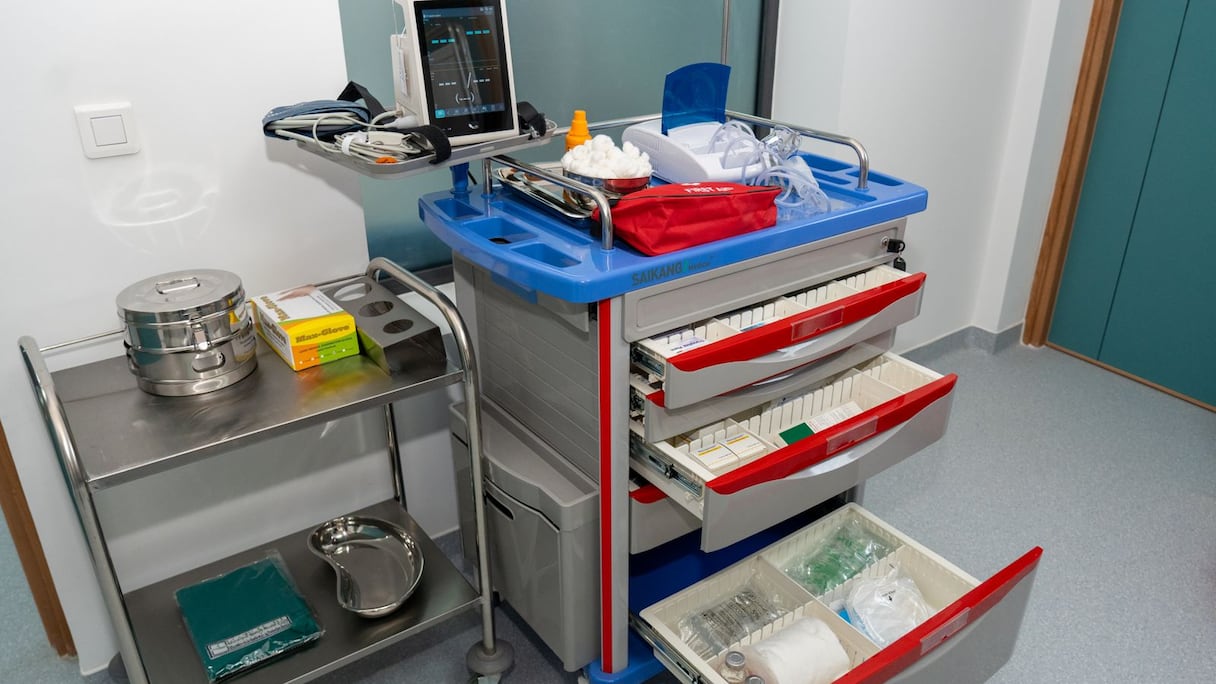
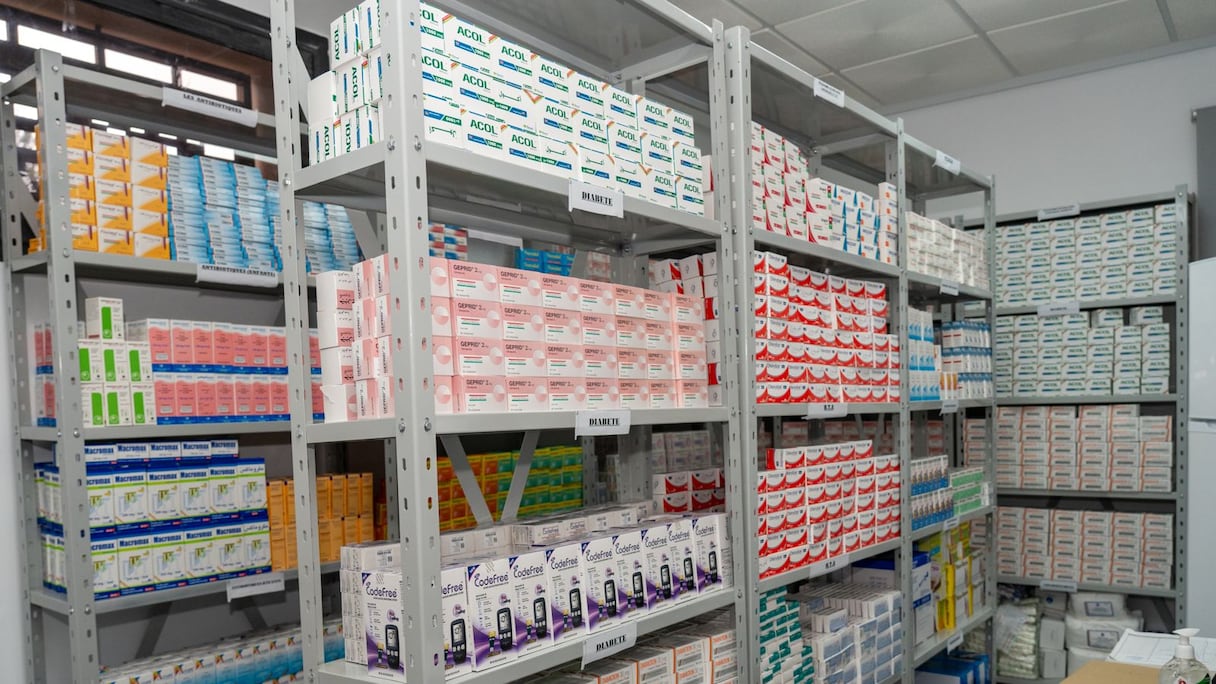
The healthcare offering in the Marrakech-Safi region was also strengthened with the opening of five primary healthcare facilities in Chichaoua province. They include the Level 2 urban health center in Imintanoute, the Level 2 rural health center in Adoirene, the Level 1 rural health center in Mazouda, and the rural health dispensaries in Bouzouka and Laadailat.
In the Oriental region, three primary healthcare facilities entered service across the provinces of Guercif and Berkane. These include the Level 1 rural health center in Ouled Saleh and the Souihla rural health dispensary in Guercif province, as well as the Level 1 urban health center in Al Quds in Berkane province.
In the Casablanca-Settat region, the Level 1 urban health center in Dar Bouazza entered service in Nouaceur province. Meanwhile, the healthcare offering in the Tangier-Tétouan-Al Hoceima region was strengthened with the opening of the Level 2 rural health center in Beni Jmil Mksouline in Al Hoceima province.
In the Guelmim-Oued Noun region, a tuberculosis and respiratory diseases diagnostic center entered service in Guelmim province. The facility aims to support the early detection and diagnosis of tuberculosis, as well as the treatment and follow-up of patients with tuberculosis and respiratory diseases in the province, by strengthening diagnostic and monitoring capacities and improving continuity of care.
Read also : Akdital enters Saudi market with first hospital in Riyadh
These healthcare facilities, which are part of a new generation of primary healthcare institutions, aim to strengthen regional healthcare provision and bring services closer to more than 375,677 people in the areas they serve, according to the same source.
They also aim to meet growing demand for healthcare services, improve access to and quality of care, and enhance reception and patient guidance.
The Ministry of Health and Social Protection has equipped the facilities with high-quality biomedical equipment and deployed 50 qualified healthcare professionals to provide medical and nursing services.
Patients will have access to a range of services, including general medical consultations and nursing care, as well as follow-up for chronic diseases, particularly diabetes, high blood pressure and respiratory illnesses. Services also include maternal and child healthcare, school health, health awareness and education, epidemiological surveillance and mobile health services.
