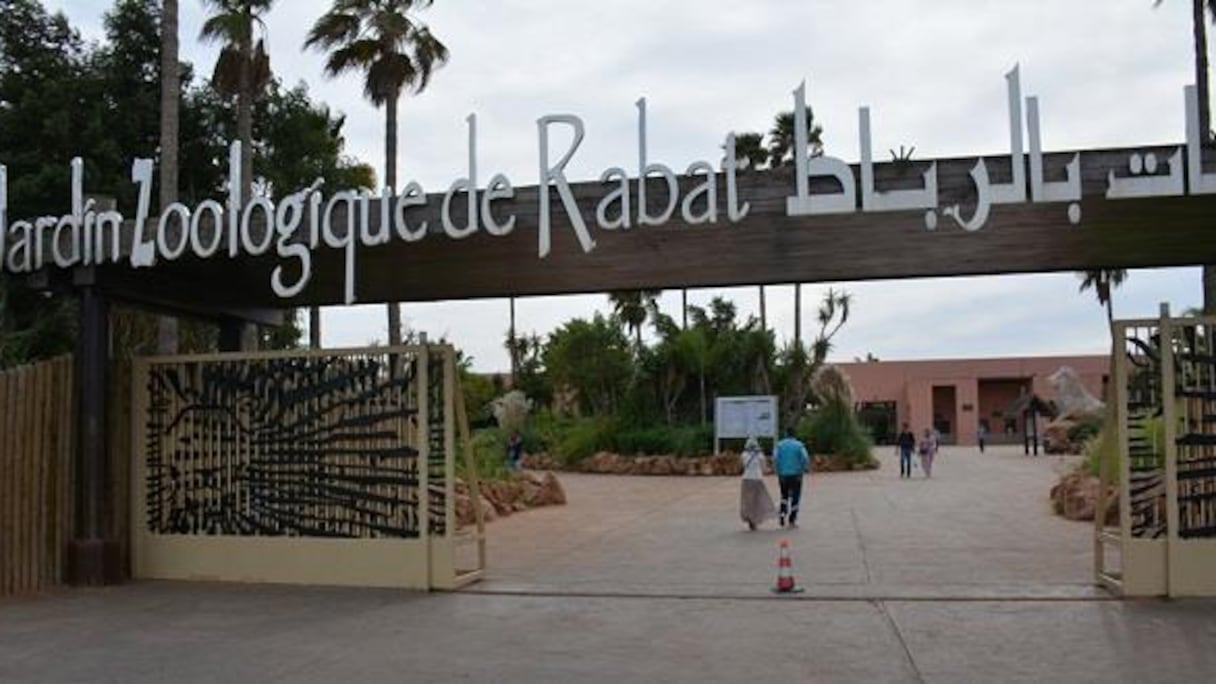
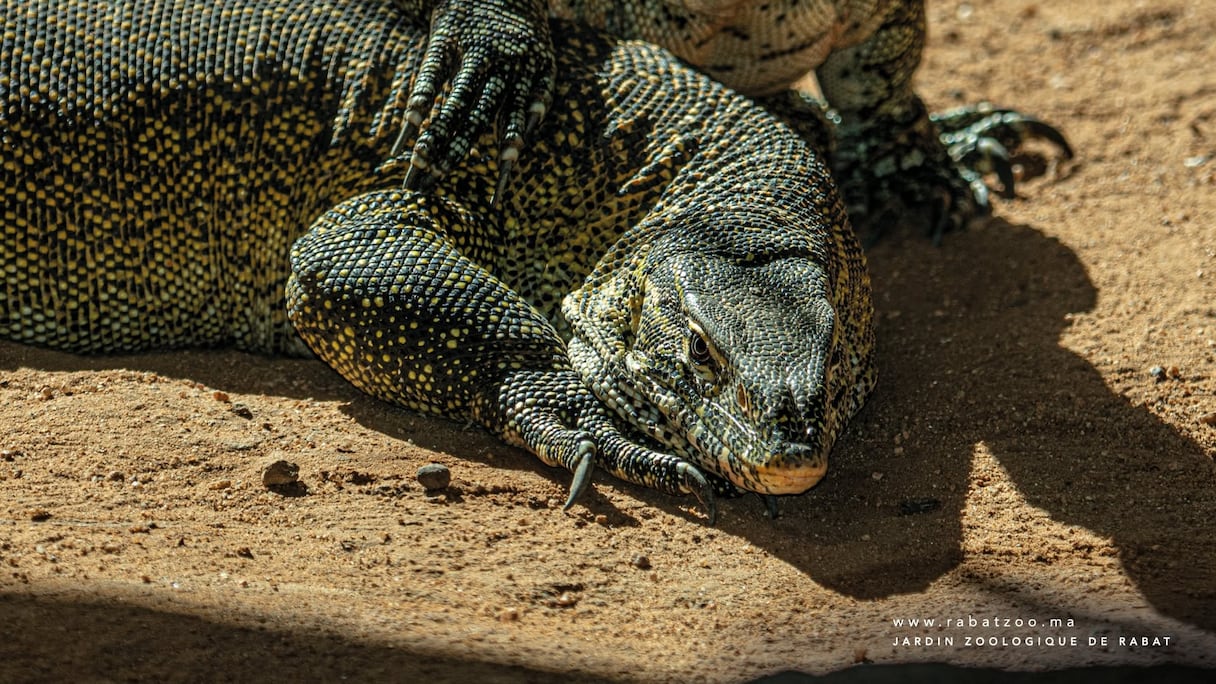
According to a statement from the zoo, the new arrivals include Nile monitors, Anchieta’s snakes, panther chameleons, African bullfrogs and Madagascar giant day geckos.
The species showcase the wide range of forms and lifestyles reptiles and amphibians have developed across Africa. They include land and aquatic predators, tree-dwelling animals, desert reptiles and amphibians that depend on wetland habitats.
Each species has adaptations suited to its environment, from camouflage and body-temperature regulation to movement, hunting and reproduction strategies.
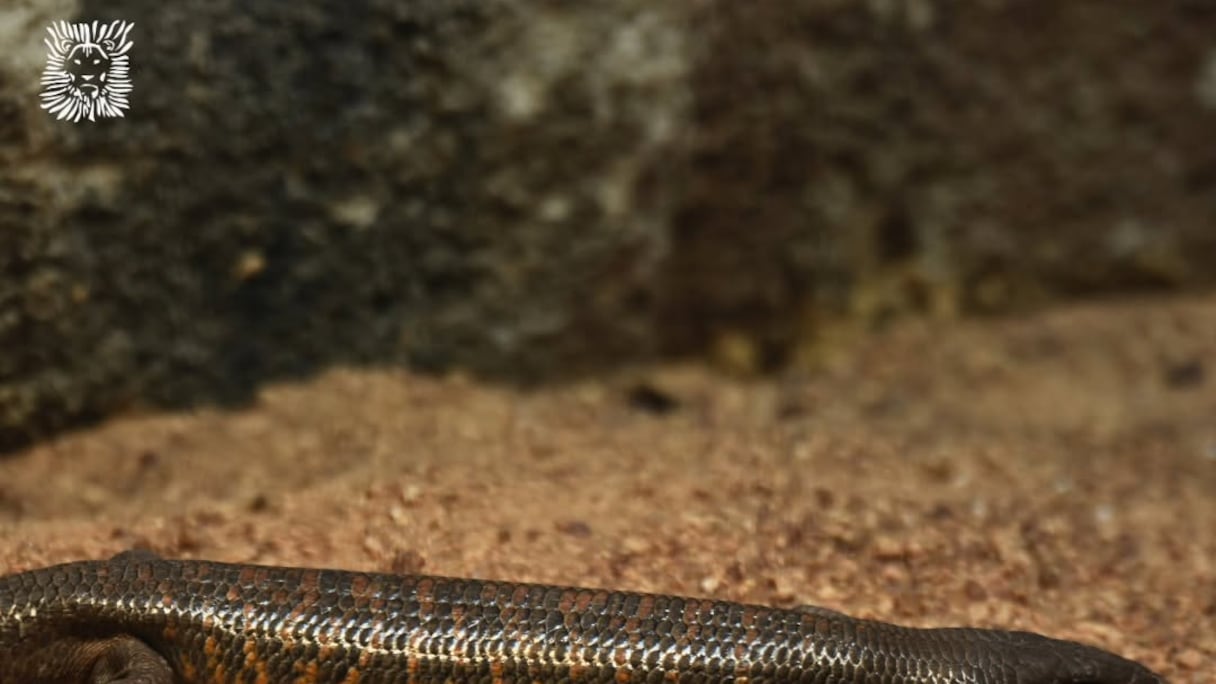

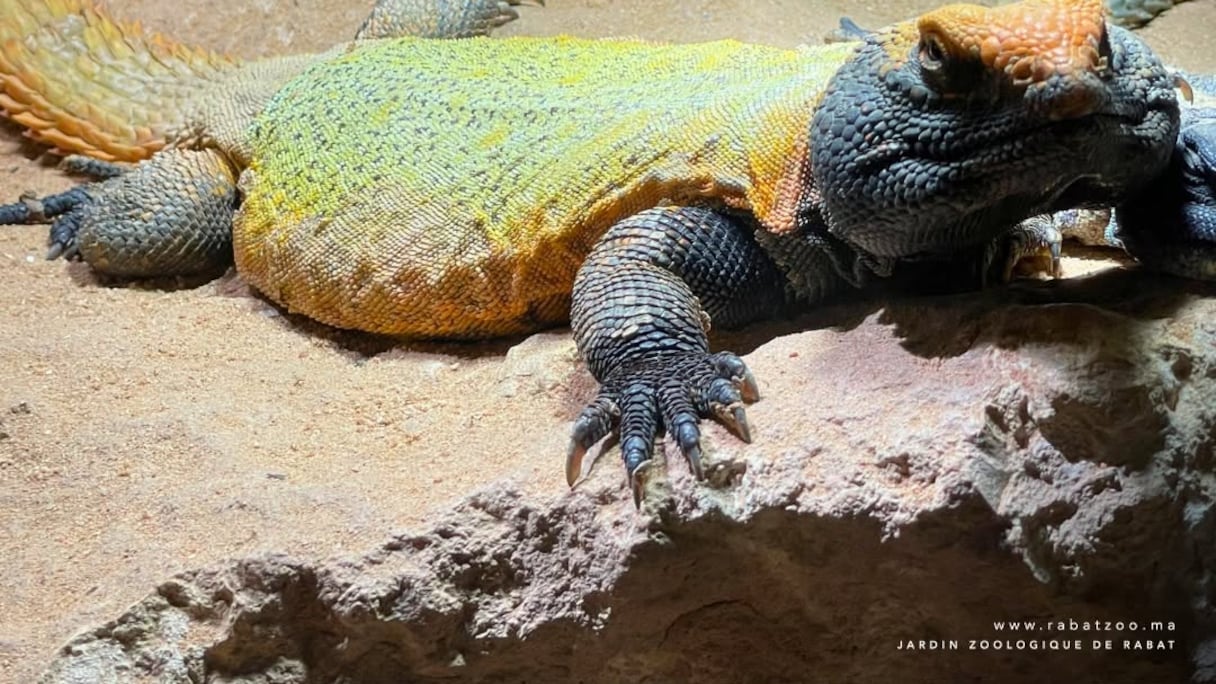
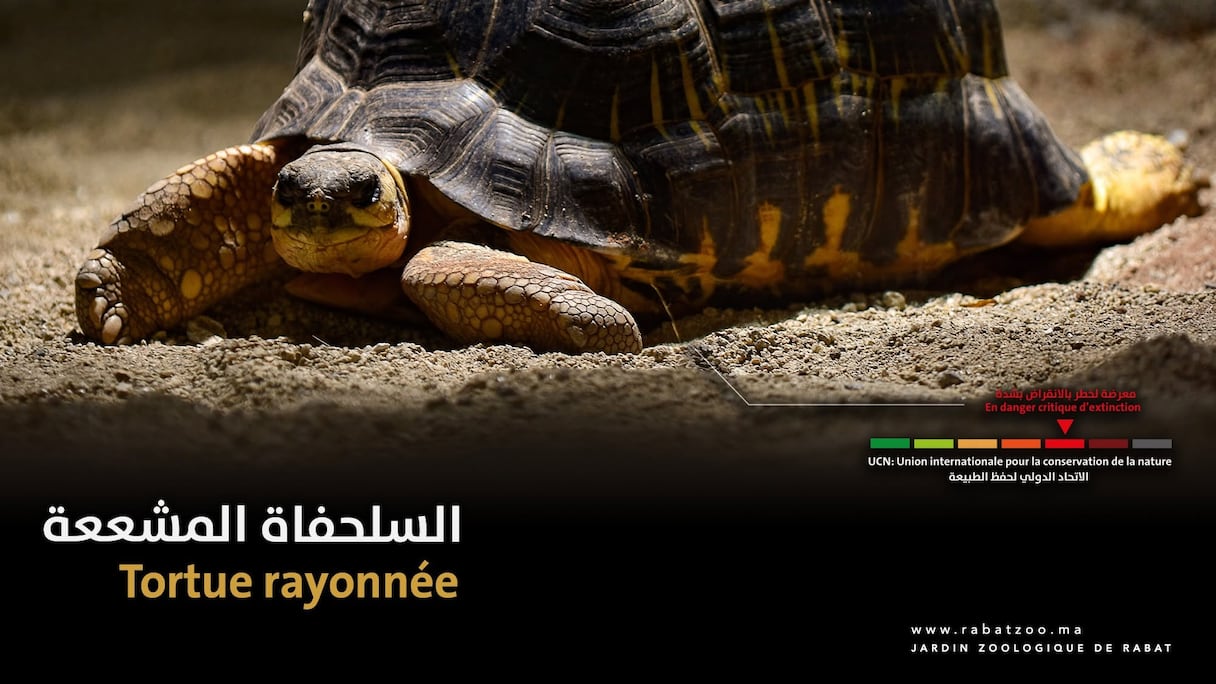
Wild snake
The new specimens will help the pavilion continue to highlight Africa’s rich biodiversity and the variety of species and natural habitats found across the continent.
The zoo’s statement also points to Morocco’s own reptile and amphibian diversity, which stretches from the Mediterranean coast to the Sahara and includes mountain ranges, plains and wetlands. These varied environments are home to numerous species, including several found nowhere else. The pavilion introduces visitors to this wildlife and places Morocco’s native species within the wider picture of African biodiversity.
Opened in 2019, the pavilion covers nearly 1,700 square meters and takes visitors through six major biogeographical zones: Moroccan, subtropical, Afrotropical montane, sub-Saharan, equatorial and Madagascan.
The zoo said the collection also draws attention to species that often receive little attention or remain unfamiliar to the public, despite their essential roles in ecosystems. As predators, prey and indicators of environmental conditions, reptiles and amphibians help maintain ecological balances that are not always immediately visible.
Read also : Casablanca: Five Pumas have landed in Aïn Sebaâ Zoo—and you can see them from July 20
Environmental education starts with observation, encouraging visitors to learn more and develop a better understanding of conservation issues.
The approach also aims to challenge common misconceptions about reptiles and amphibians and help visitors appreciate the ecological importance of animals that can be difficult to spot in the wild.
The new specimens underwent a quarantine period under the supervision of the zoo’s veterinary and animal-care teams. During this time, staff monitored their health and behavior and helped them acclimate before their gradual introduction to the pavilion.
