Fate sometimes has a flair for drama. The Spain-Argentina Finalissima, originally scheduled to take place in Qatar before being cancelled earlier this year because of the war in the Middle East, never happened. But football has ultimately delivered an even bigger spectacle: the reigning European and South American champions will meet to compete for the ultimate prize, the 2026 World Cup, on Sunday, July 19, in New Jersey.
It is a marquee clash. On one side stands Lionel Messi’s Argentina, the defending champions, driven by an explosive, high-intensity style of football. On the other is Spain, the embodiment of structure and collective discipline, led by teenage sensation Lamine Yamal. Above all, it is a showdown between two distinct identities: Argentine passion versus Spanish order and precision.
On Sunday, July 19, at MetLife Stadium in New Jersey, the world will discover its champion for the next four years. The final could bring the curtain down on Lionel Messi’s extraordinary international career as he pursues a second consecutive world title with La Albiceleste, while simultaneously ushering in a new era led by the generation embodied by Lamine Yamal.
Read also : England edge France in 10-goal thriller to secure third place at the 2026 World Cup
The fixture has captivated football fans around the globe. Martín Mazur, an Argentine sports journalist, sees a twist of fate in the occasion.
“This is the final that should have been the Finalissima,” he told Le360 Sport.
Mazur, a veteran journalist and unapologetic Argentina supporter, expects a difficult and fiercely contested encounter. Yet he believes Argentina’s hopes lie in its emotional approach to the game: on Sunday, Lionel Scaloni’s side must “bring rock and roll to Spanish poetry.”
Emiliano Nunia, another Argentine sports journalist, also places his faith in that mentality.
“Courage and mentality have saved us from elimination on several occasions. But the team has always managed to recover and come out on top.”
Argentina, however, has shown signs of vulnerability. Against Cape Verde, which fought back in a thrilling round-of-32 match, and later against Egypt in the round of 16, when the North Africans took a 2-1 lead before Cristian Romero scored the decisive goal in the 79th minute.
But whenever the team has stumbled, Scaloni’s men have rediscovered their footing, reminding everyone why Argentina remain such a dangerous side.
“Every Argentina match forces us to put aside the emotions of the previous one, even when we think it’s impossible to experience something more intense than what we’ve just witnessed,” Mazur admitted.
The tournament’s most prolific attack against its stingiest defense
This blockbuster final also pits two teams that excel in different areas. Spain, who opened their campaign with a goalless draw against Cape Verde, gradually hit their stride and knocked out every opponent while conceding just once, against Belgium in the quarter-finals (2-1). Argentina, meanwhile, have scored at least three goals in every game and boast the tournament’s most potent attack, with 19 goals.
These contrasting strengths will inevitably shape the plans of Lionel Scaloni and Luis de la Fuente. Argentina will need to defend effectively, while Spain must remain compact and prevent their opponents from finding any attacking rhythm.
“Argentina have struggled when forced to defend in tight spaces while protecting a lead, as we saw in Qatar, and that remains their biggest risk: spending long periods without the ball while Spain camp near their penalty area,” Mazur explained.
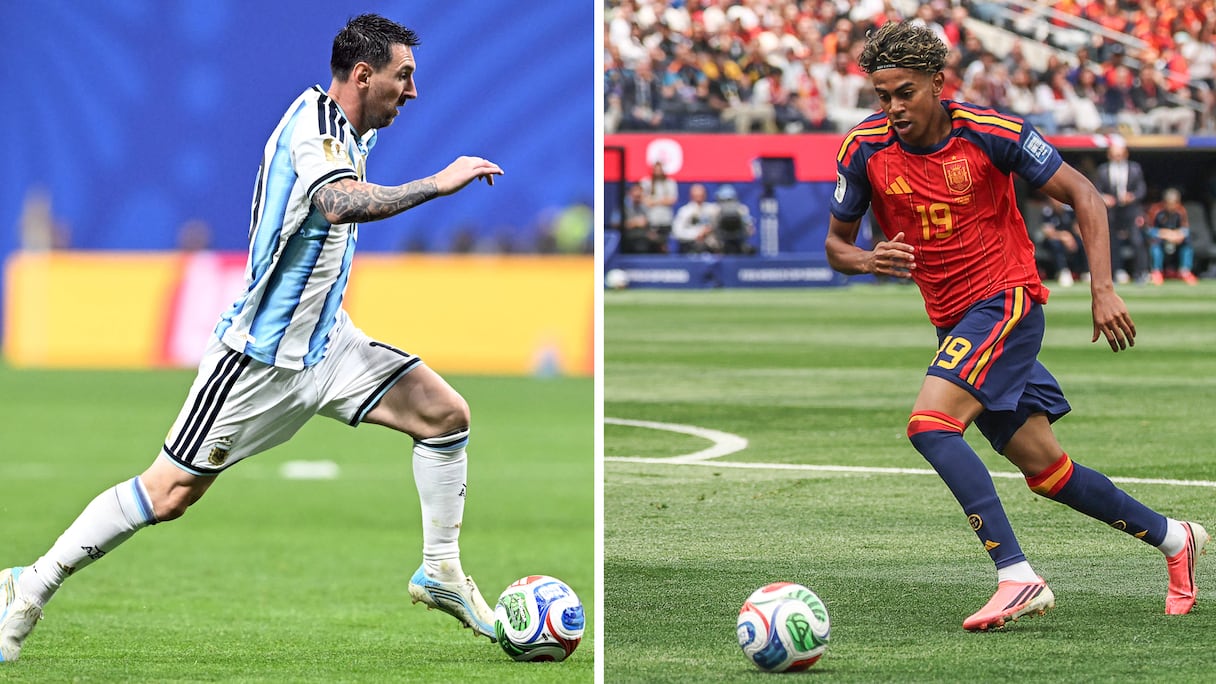
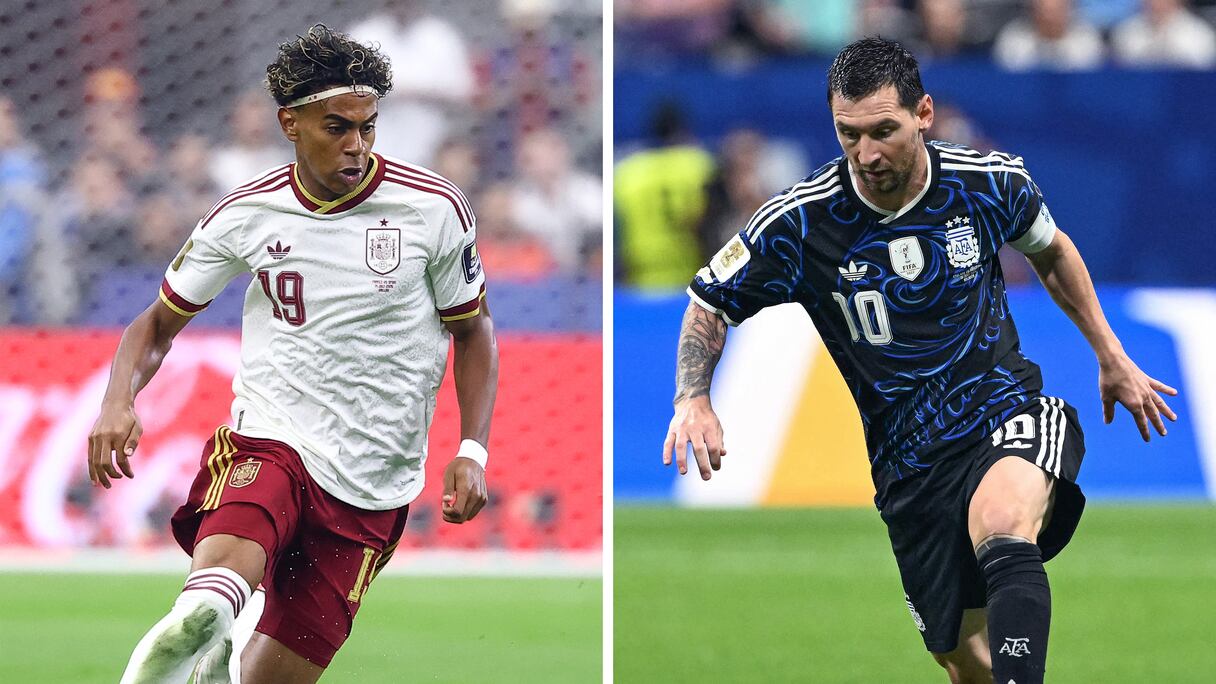
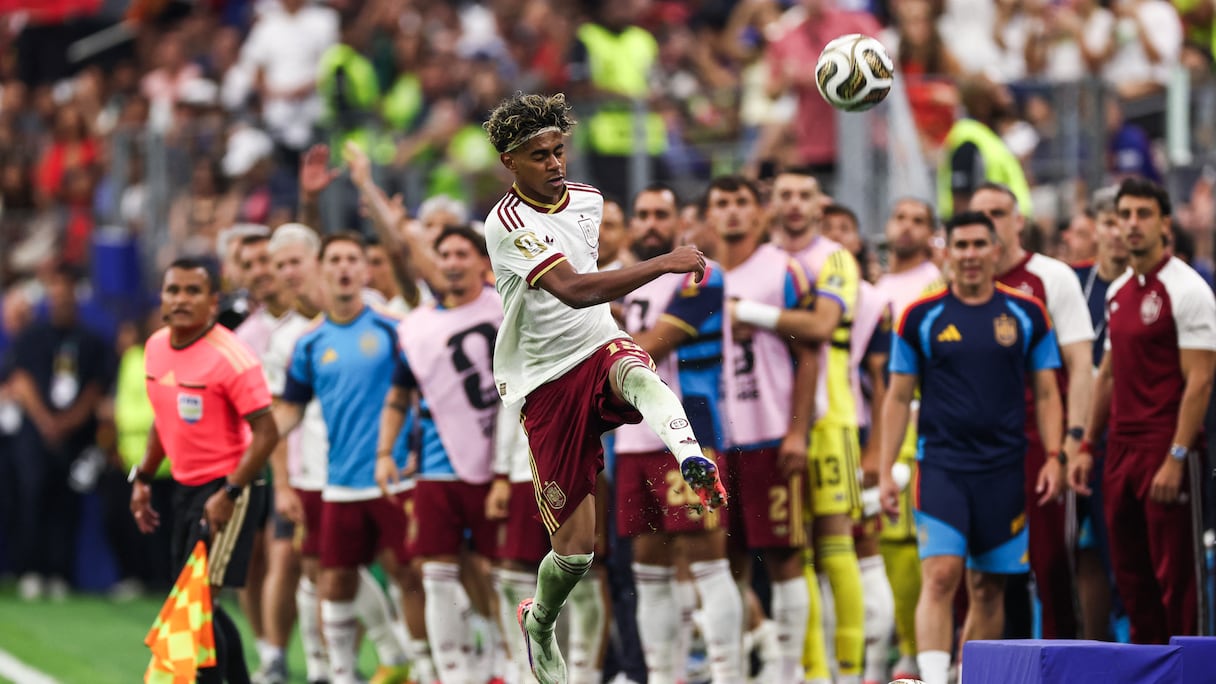
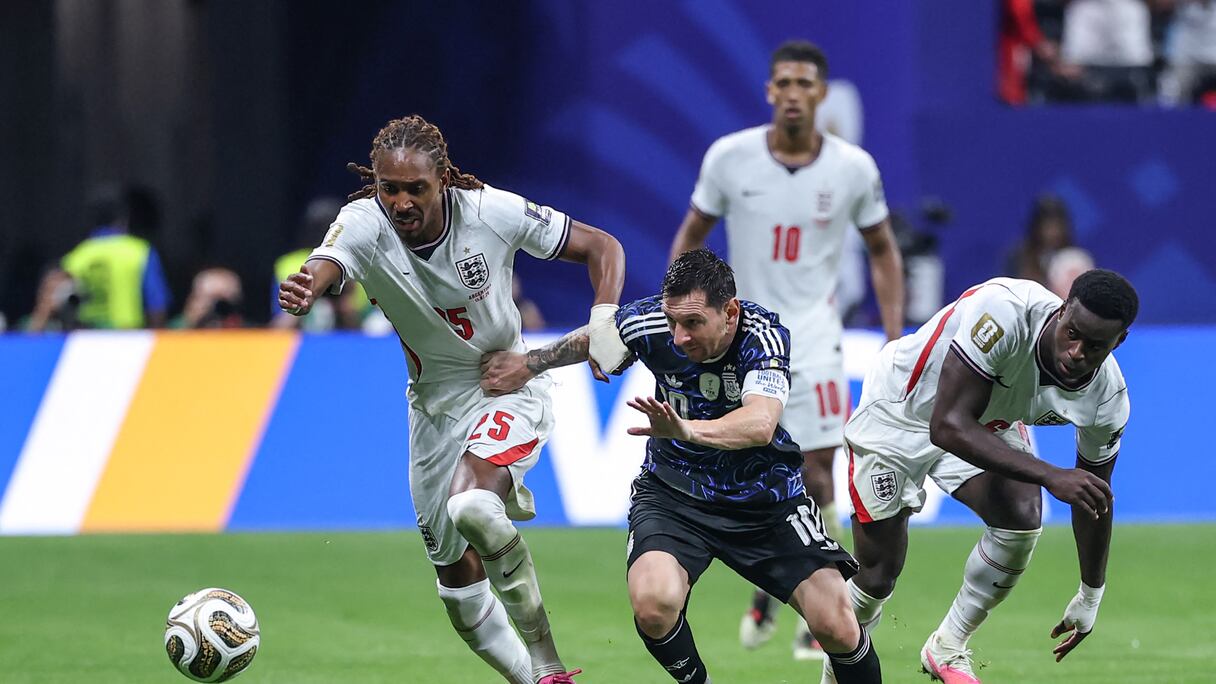
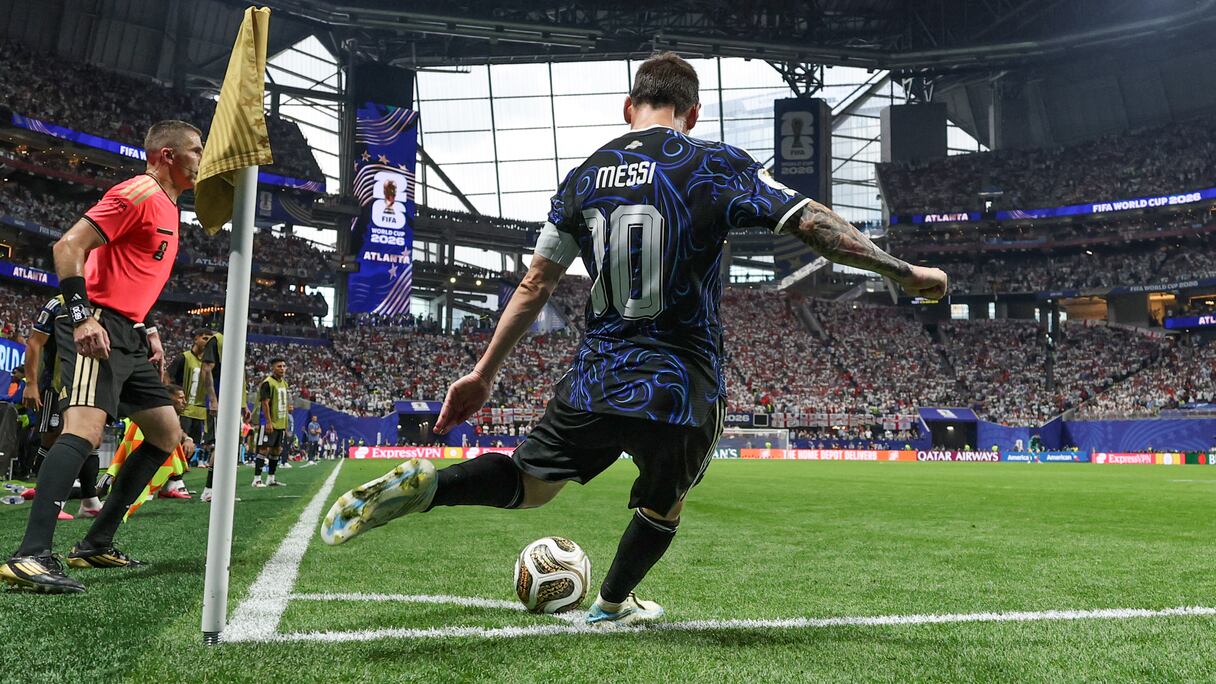
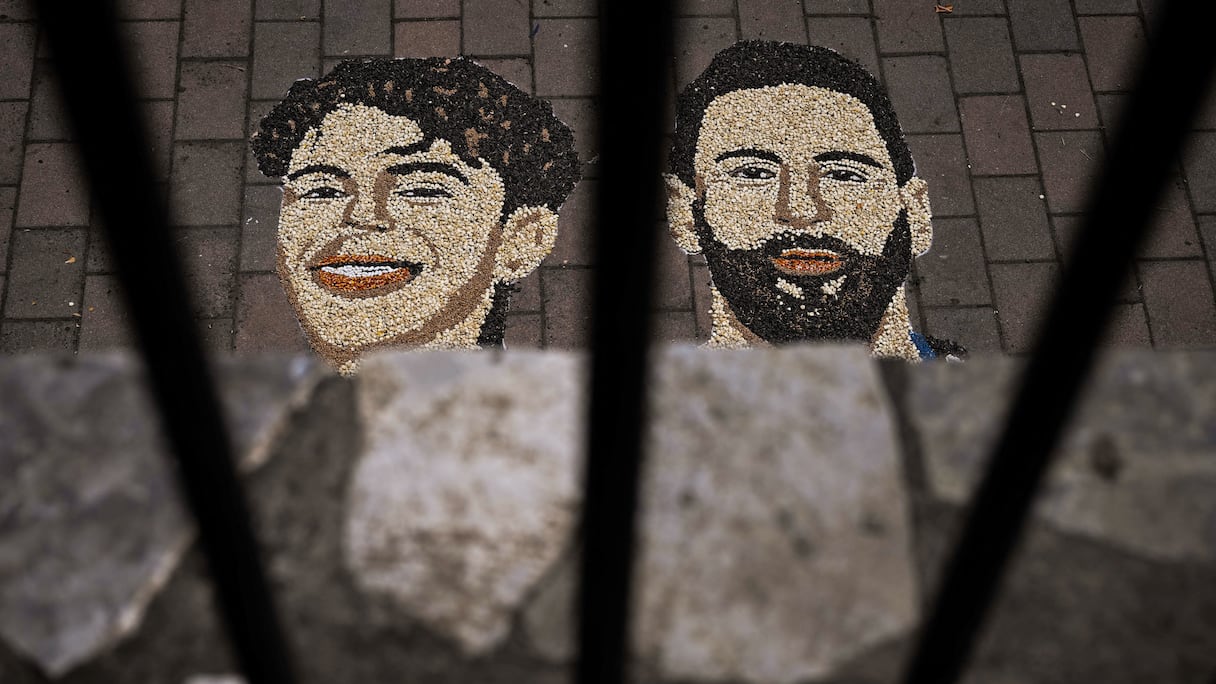

Lionel Messi (Argentina) vs Lamine Yamal (Spain), 2026 World Cup final. AFP
Spanish journalist Ismael López believes La Roja must exploit Argentina’s weaknesses, particularly in defensive transitions.
“Argentina suffer a lot in transition. They are a team that struggles to recover once they push forward,” he said.
“We saw it with Gordon’s goal and during the match against Cape Verde. They also struggle with crosses from wide areas, and their midfield faces serious difficulties when they don’t have possession.”
For Nunia, the key for Argentina will be different.
“The key will be to control the tempo of the match and make sure the game is played at the rhythm Scaloni’s team wants, just as they did against England.”
Lionel Messi vs. Lamine Yamal
The quality and experience of both squads would already make this final a special occasion. But Messi’s farewell and Lamine Yamal’s rise give the match an even greater symbolic significance: a genuine passing of the torch.
“Messi no longer has Lamine Yamal’s freshness, but he has more than enough experience to know when and how to hurt an opponent. He controls the flow of the game and understands exactly when to intervene. Messi still possesses that ability to make the difference and that football intelligence,” Nunia said.
“Yamal, on the other hand, will rely on his youth, speed, intensity and unpredictability to trouble Argentina.”
The Argentine journalist also pointed to another battle to watch closely: Rodri against Enzo Fernández.
“Who will dominate midfield in a final between two teams with similar styles?”
For López, however, the stakes extend far beyond football.
“I think fate has given us something we have never seen in football history: the myth against the chosen one. For Lamine Yamal, this match is an opportunity to establish himself as the true heir to the throne.”
The answer will come on Sunday at 8 p.m. (Moroccan time). It is a clash between two footballing philosophies, one that could close the Lionel Messi chapter with the final dance of La Pulga and deliver a fourth World Cup title to Argentina, or launch the Lamine Yamal era and bring Spain their second world crown after the triumph of 2010.
