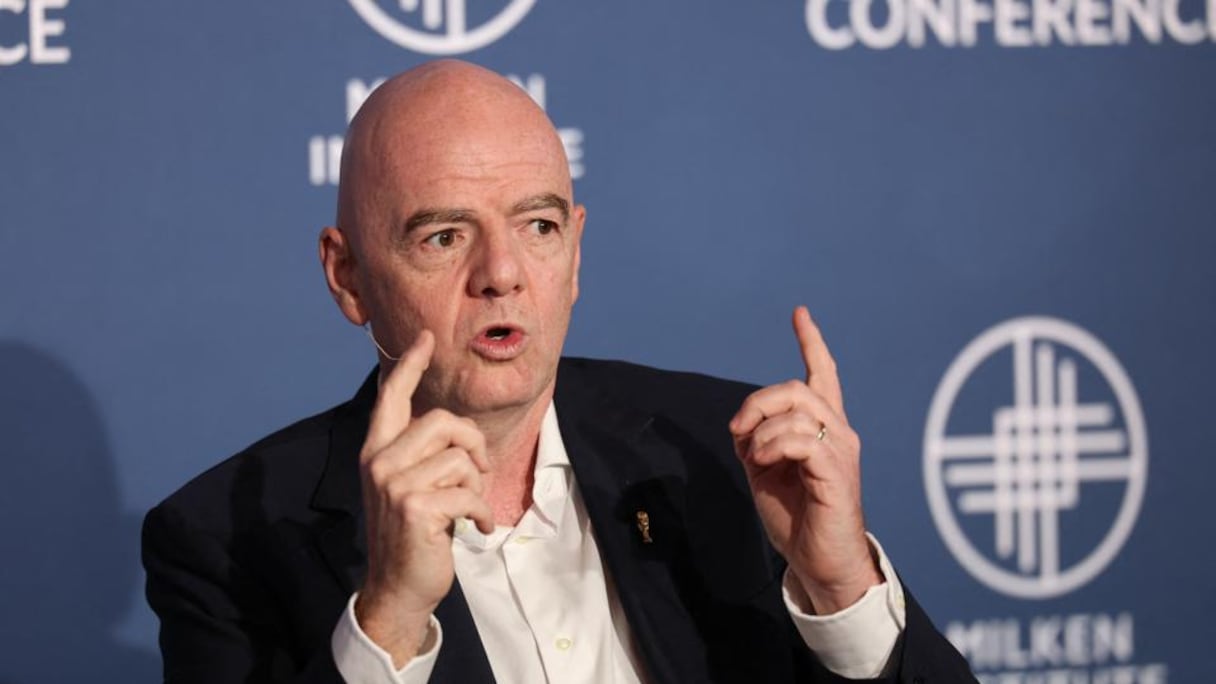
FIFA responded on Tuesday, October 20, to the public apology issued by The Times to its president, Gianni Infantino, following an article published on October 13 that contained several allegations that proved unfounded.
In the article, the British newspaper claimed, among other things, that Infantino received a “second salary” from FIFA that the organization had not declared. The Times has now acknowledged that this information was false.
“This information is incorrect. There was no second salary,” the newspaper stated in its correction.
The newspaper also acknowledged that Swiss regulations do not require FIFA to include the expenses and reimbursements received by its president in its annual report, as these amounts are not considered remuneration under the applicable disclosure requirements.
Another correction concerned a property in Miami. The Times had suggested that Infantino had acquired a property at an unusually low price. The newspaper has now withdrawn those claims and acknowledged that neither the FIFA president nor any members of his family directly or indirectly own Shadi LLC, and that they exercise no control over the company.
“We are pleased to make these corrections and apologize to Mr. Infantino and FIFA for these errors,” the British newspaper wrote.
In its statement, FIFA did more than simply acknowledge the apology. The organization, headed by Infantino, said the episode was part of a broader pattern of attempts to damage its reputation and that of its president.
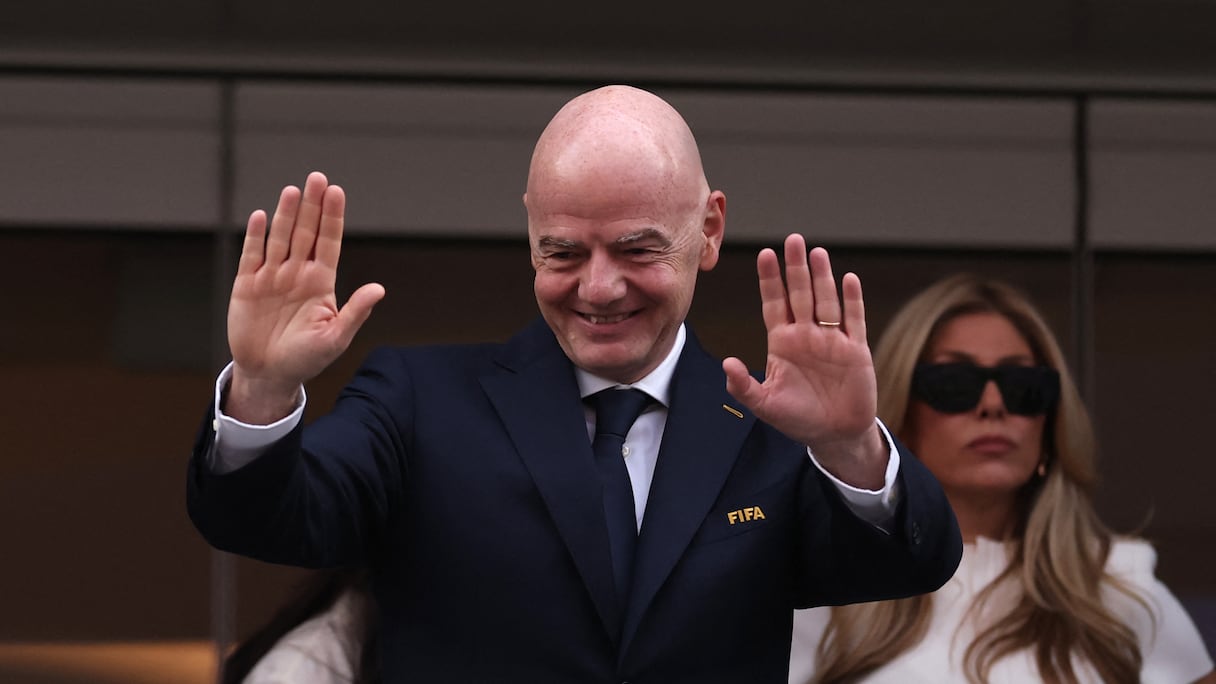
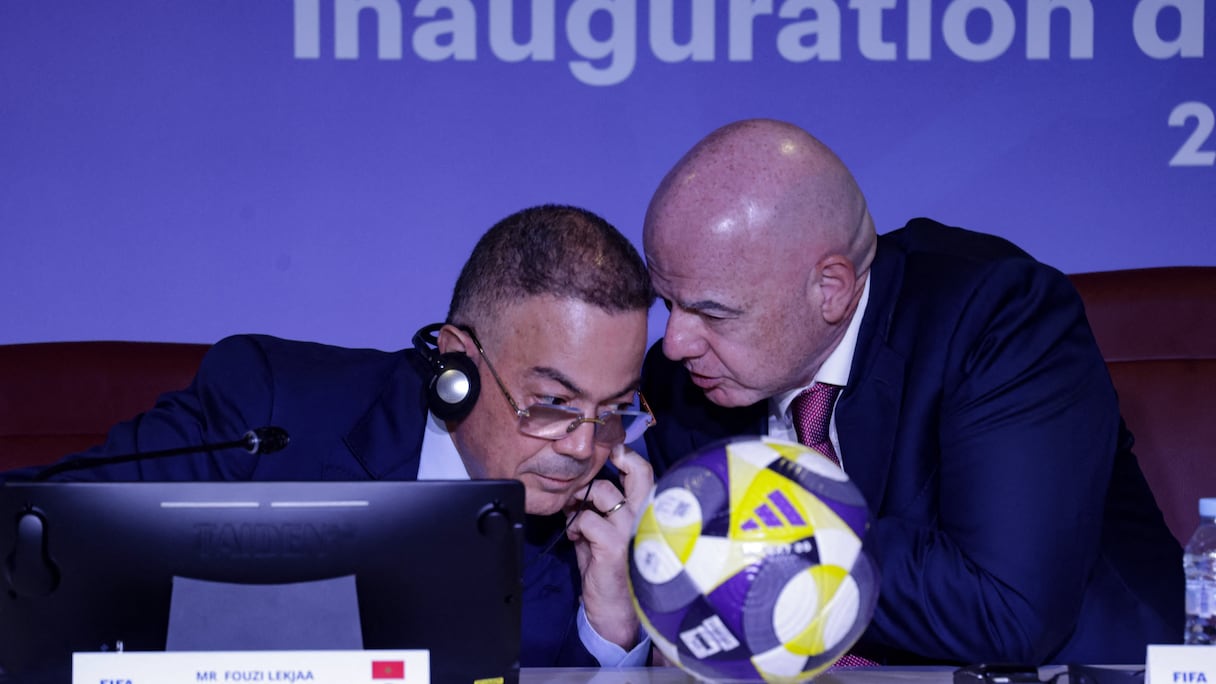
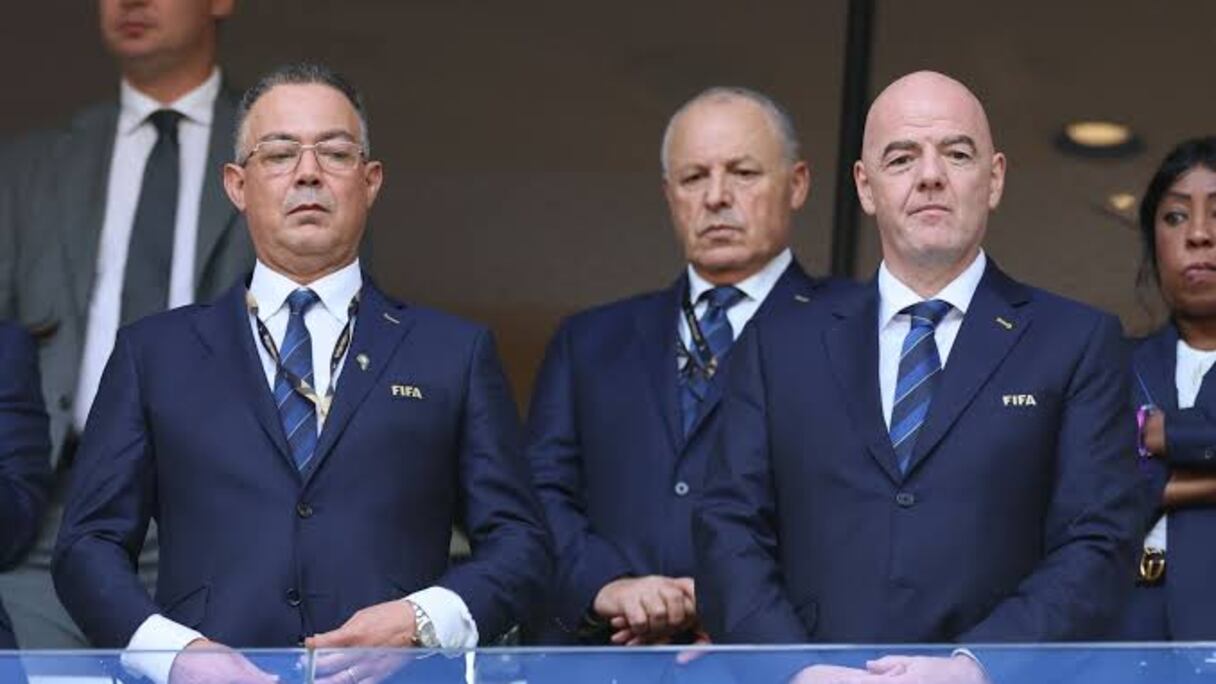

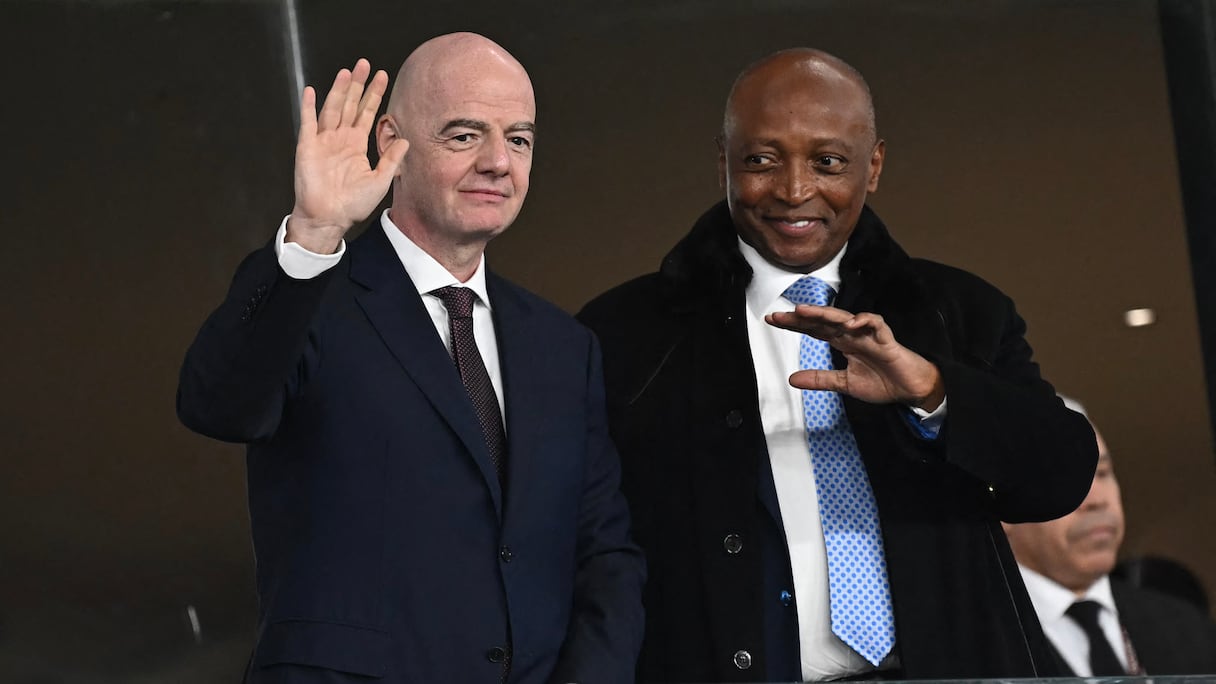
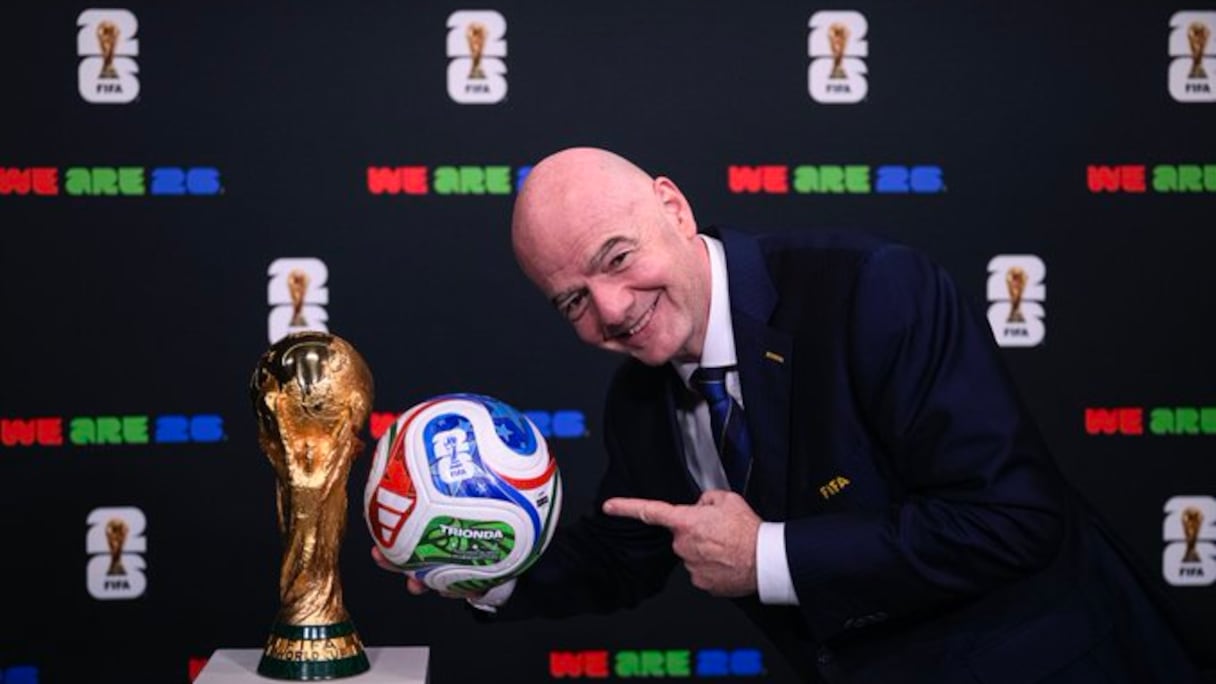


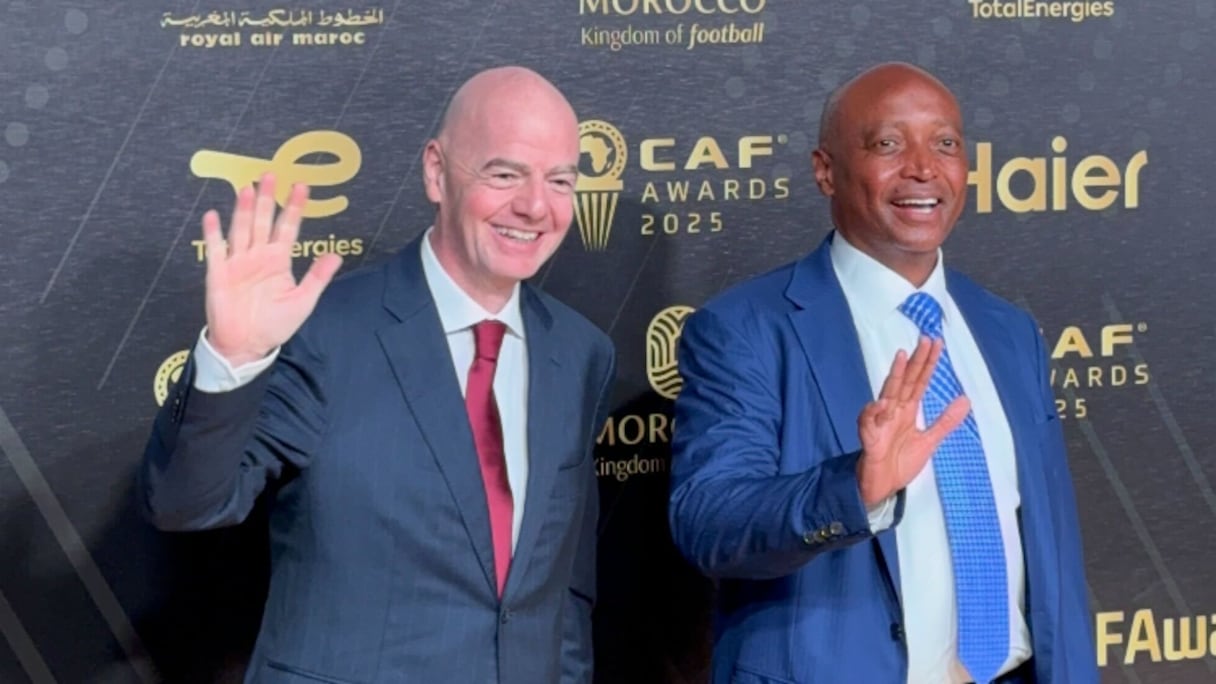
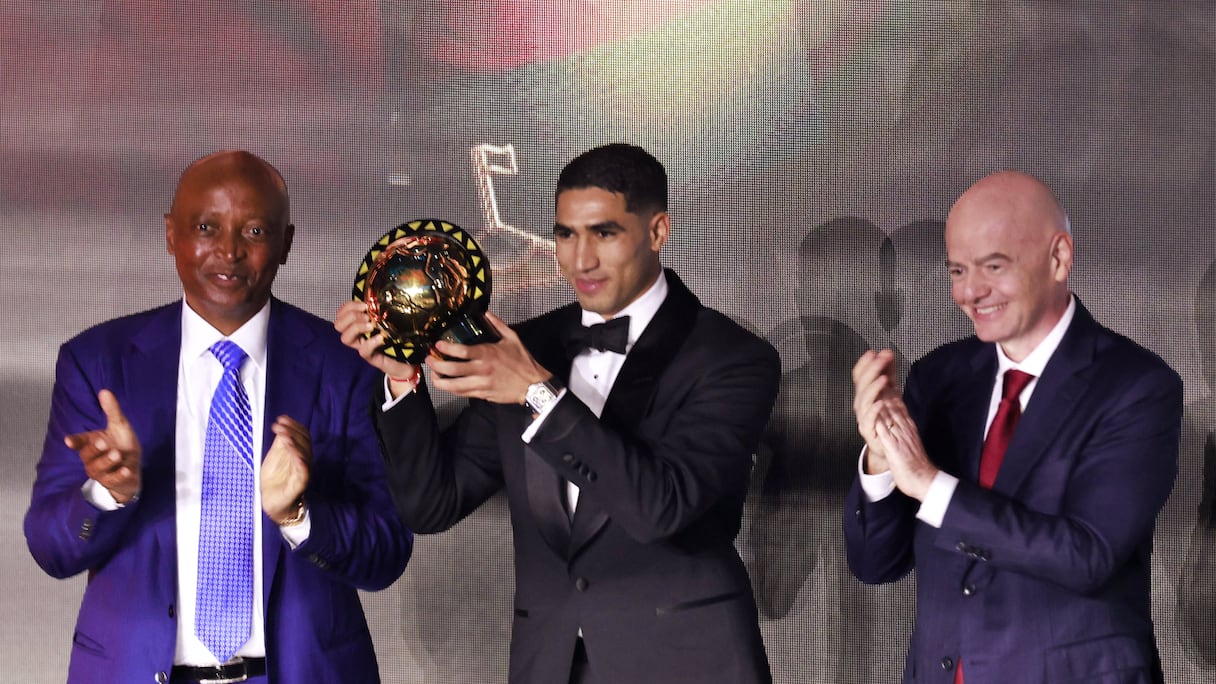

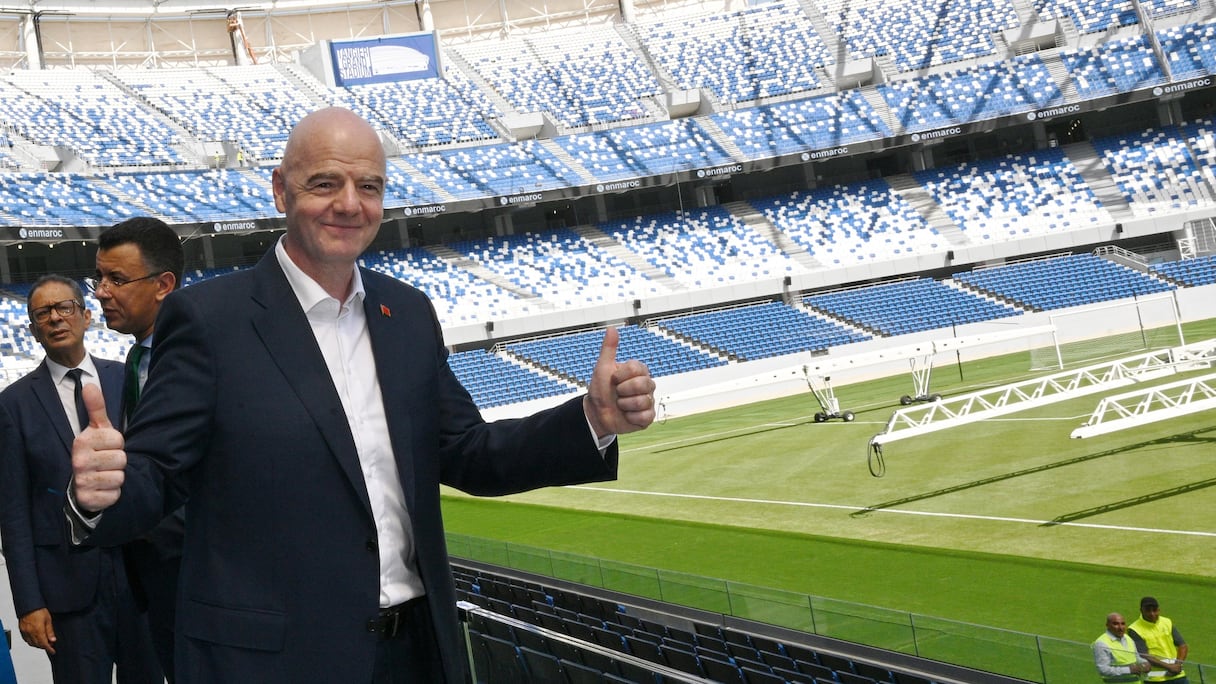
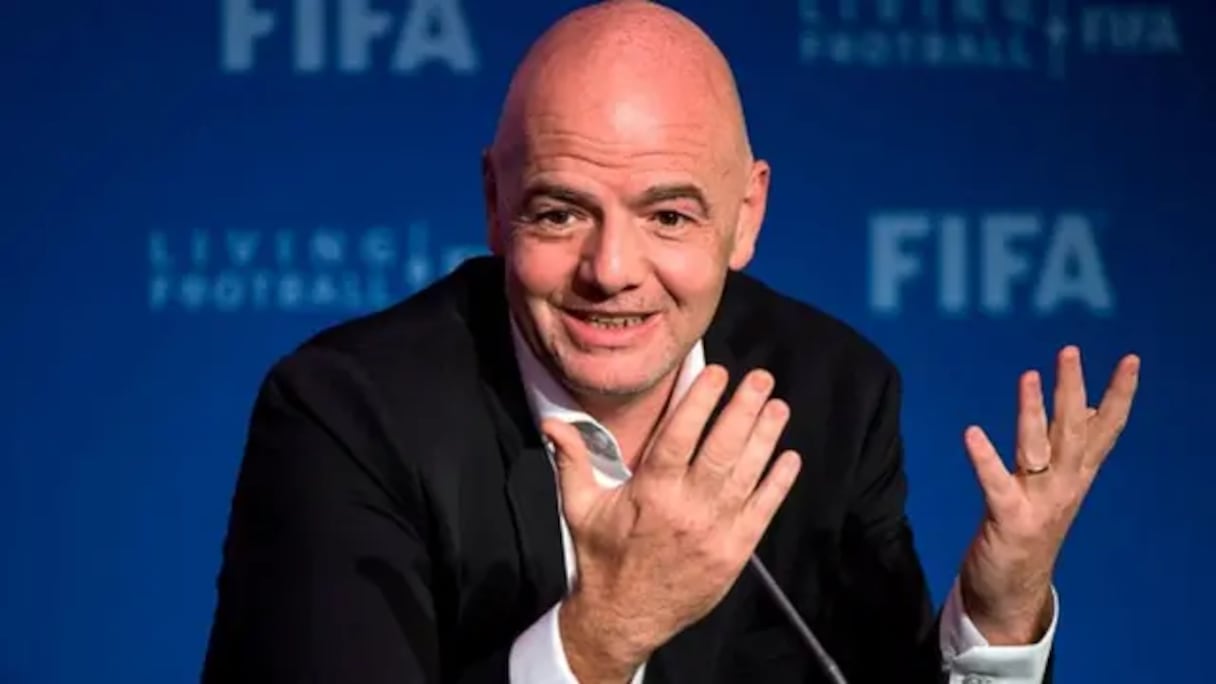

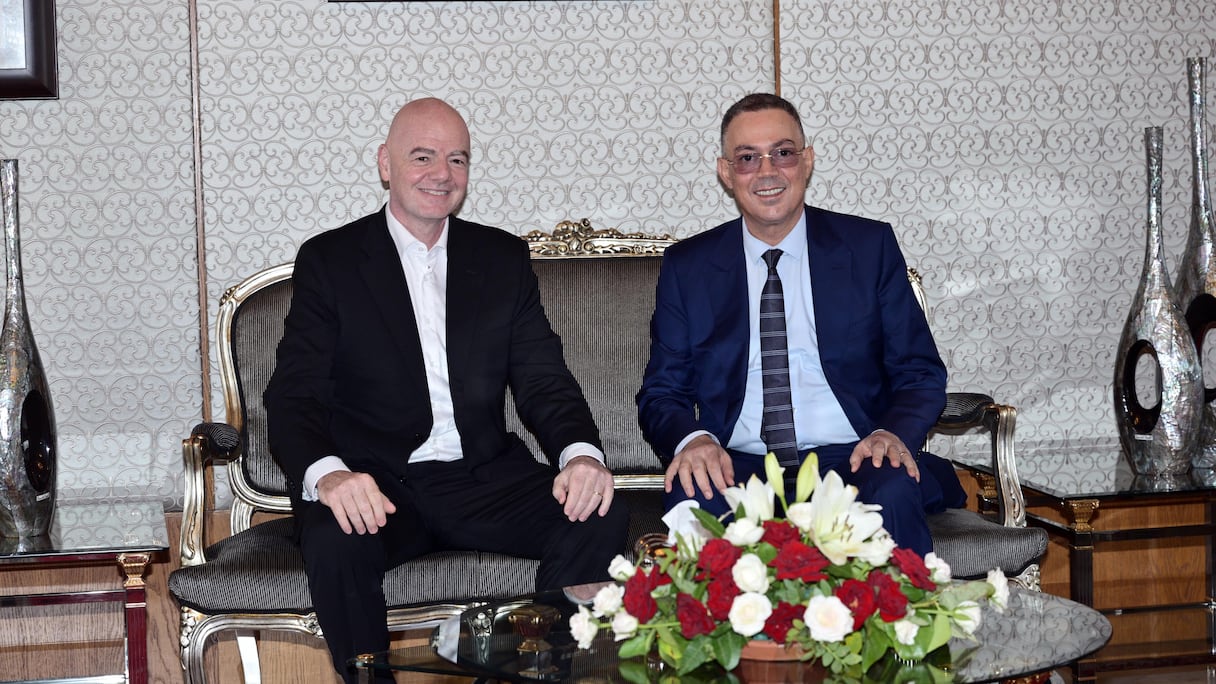
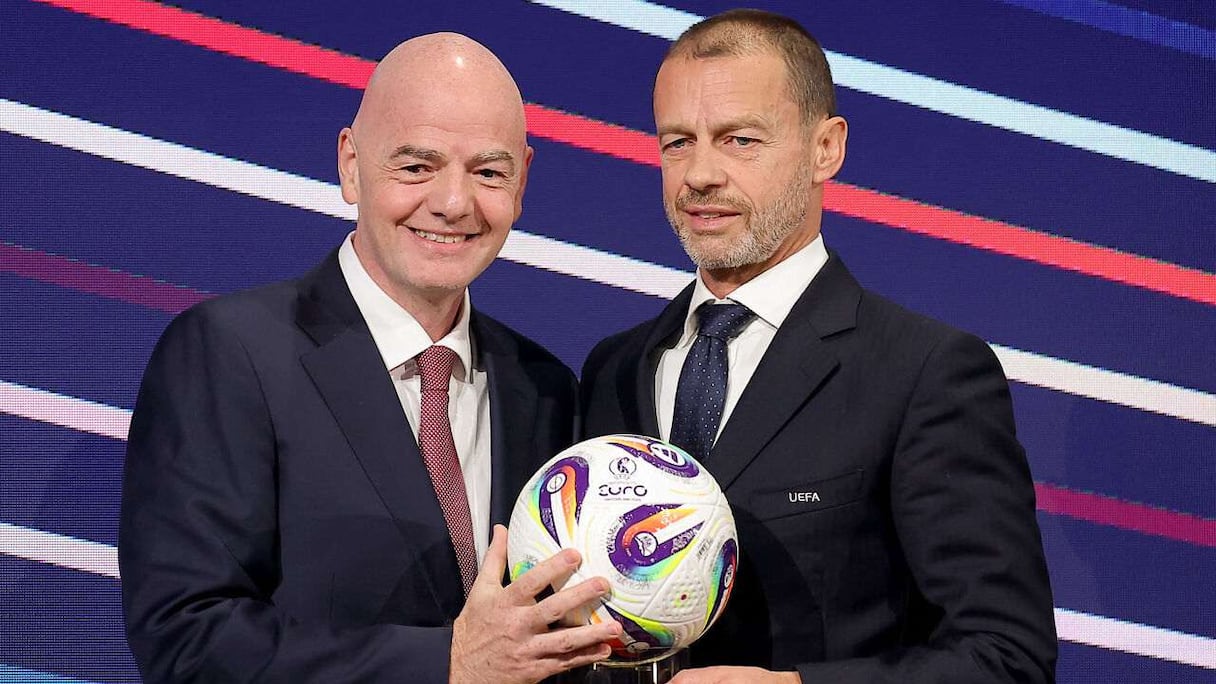
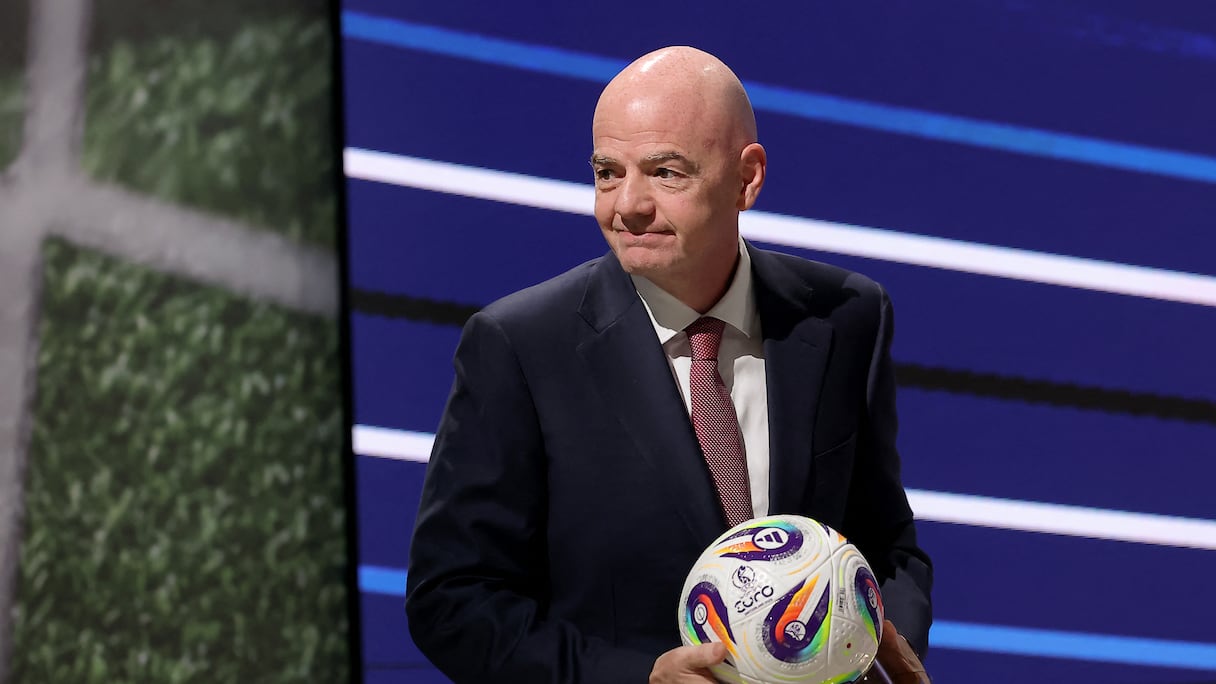
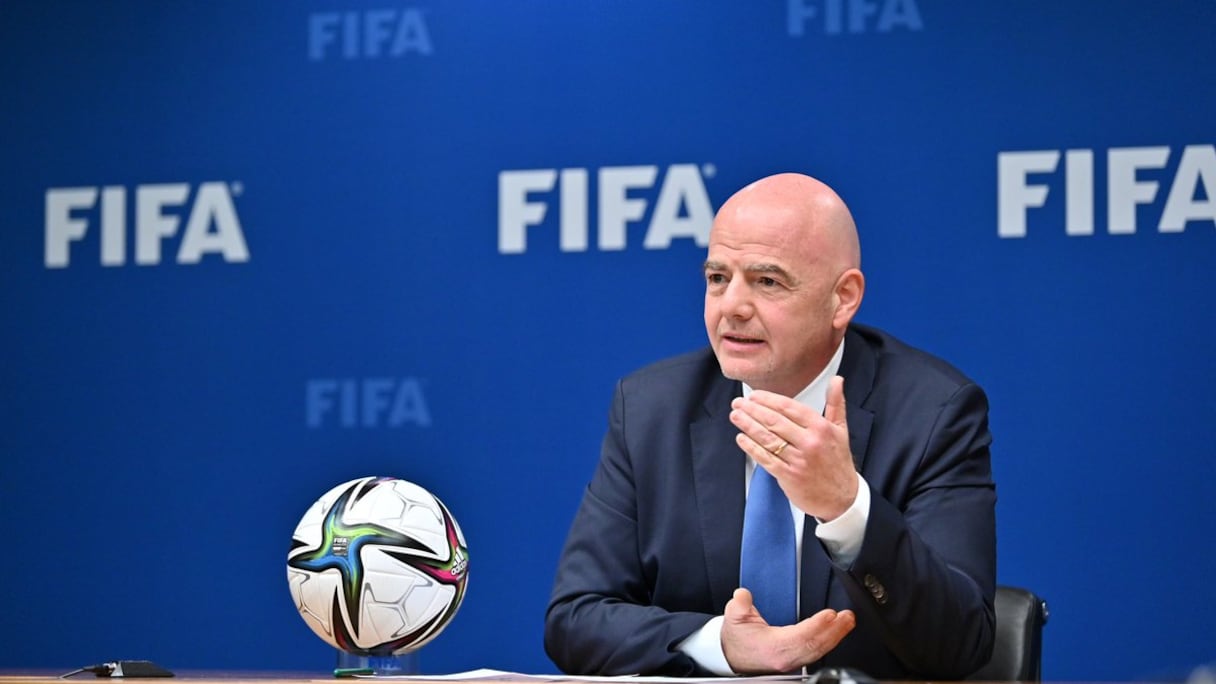
Gianni Infantino, président de la FIFA. Getty Images via AFP
“As FIFA already pointed out last August, it is clear that a coordinated and persistent campaign is being waged by certain actors with the aim of damaging FIFA and its president,” the organization said.
FIFA called on media outlets to exercise greater vigilance when verifying their sources to prevent the publication and spread of false or defamatory information.
While reaffirming that it accepts investigations and legitimate criticism of its operations, the world governing body stressed the need to distinguish fact-based journalism from the dissemination of unfounded allegations.
It also warned that it would continue to challenge “directly and with the utmost firmness” any information it considers inaccurate, misleading or false.
