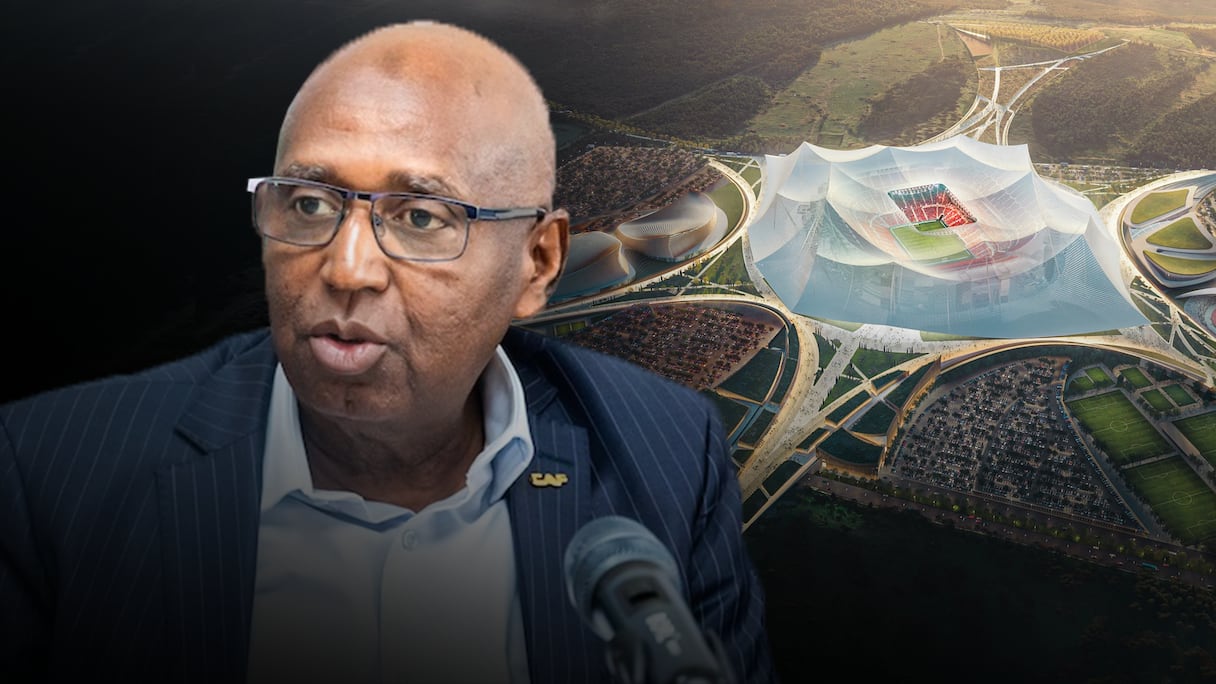
Could Africa host a second World Cup final after South Africa in 2010? Ibrahima Barry Blasco, secretary-general of the Guinean Football Federation (FGF), believes the continent has every reason to pursue that ambition.
Progress by African national teams, the growing presence of African players in leading leagues and efforts by several football federations all reflect how far the game has come on the continent, he says.
Morocco could play a key role in that ambition. As co-host of the 2030 World Cup alongside Spain and Portugal, the Kingdom has several advantages, including its infrastructure, hospitality capacity and experience in organizing international competitions. For the Guinean football official, hosting the final in Morocco would go beyond national recognition and could give African football fresh momentum.
«Africa is not just a reservoir of talent for other continents»
— Ibrahima Barry Blasco
Barry Blasco believes Africa deserves to host a second World Cup final not simply for geographical reasons, but also in recognition of its contribution to global football. The 2010 tournament in South Africa had already demonstrated that the continent could host an event of this scale.
Since then, African national teams have continued to improve, while numerous players from the continent have established themselves at the highest level. These advances deserve greater recognition on the international stage, he argues.
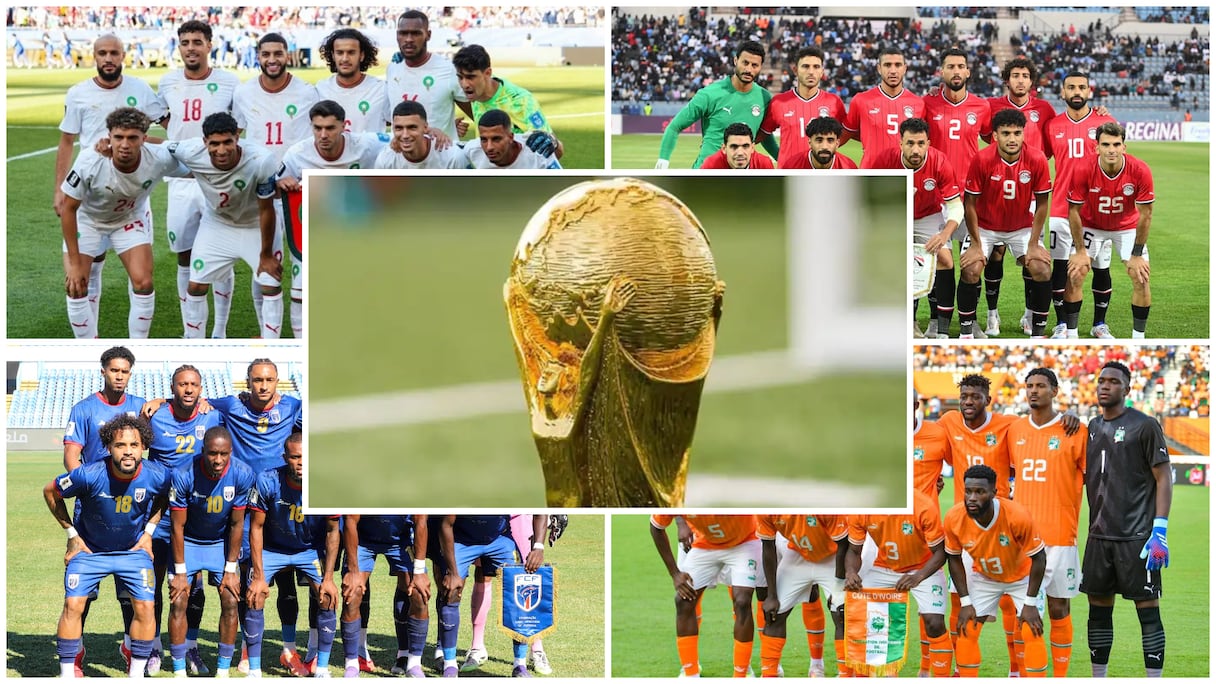
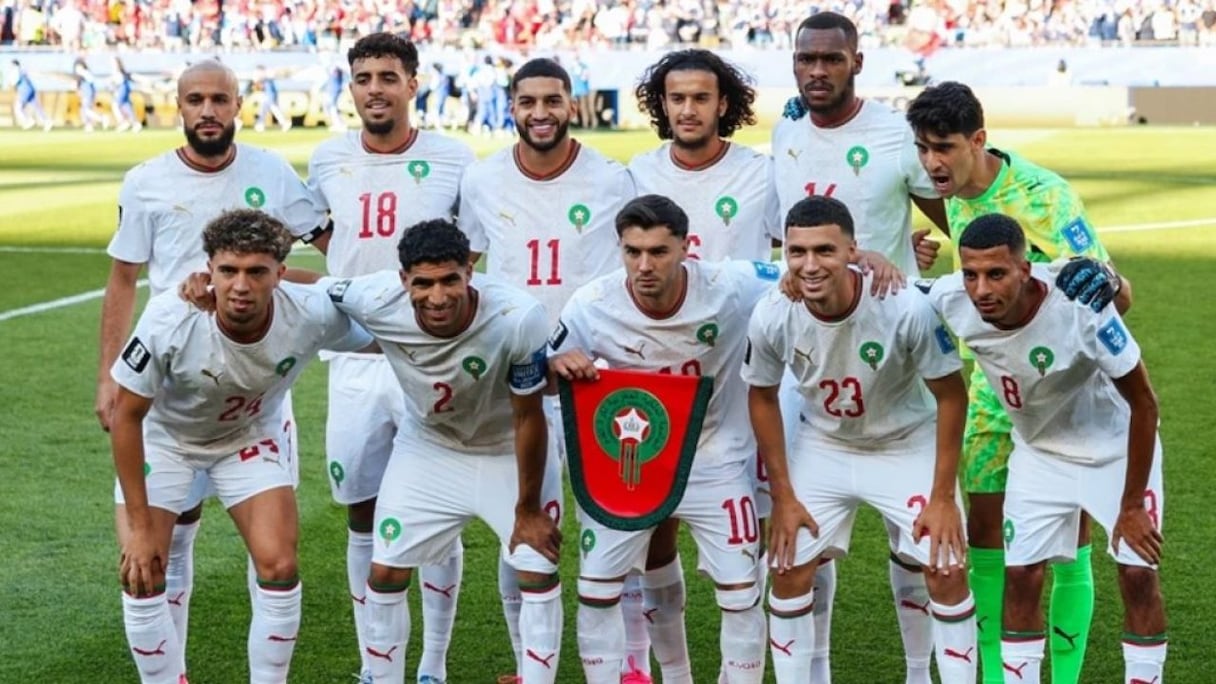
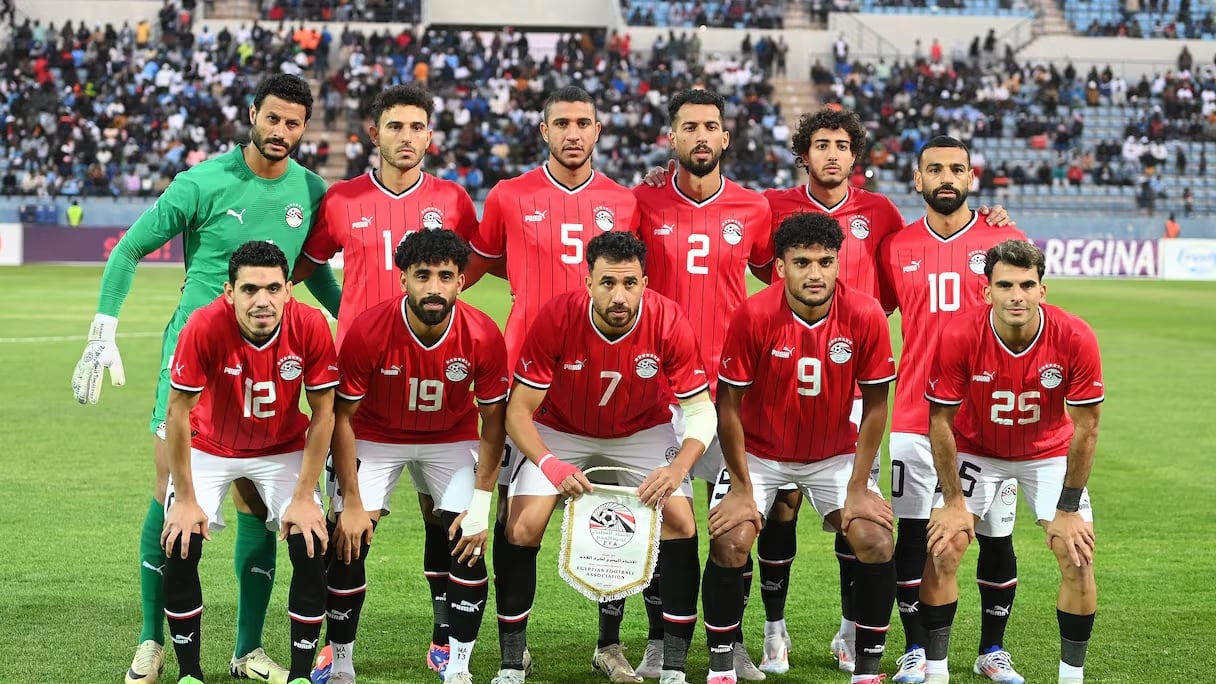
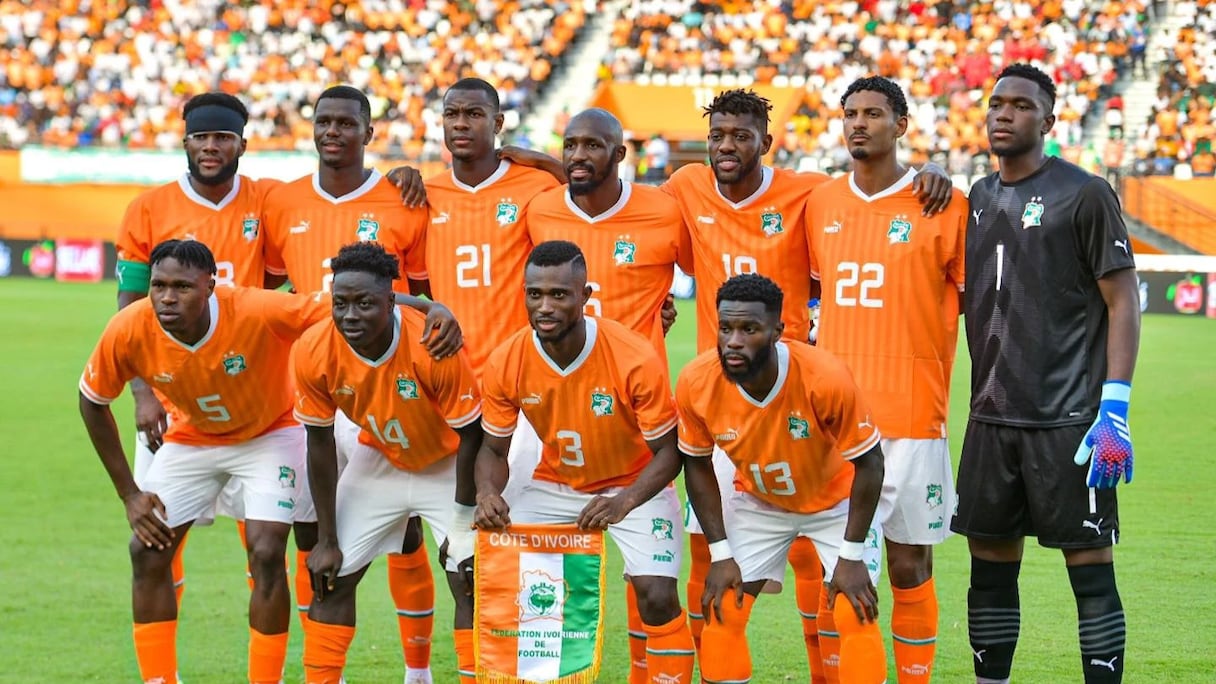
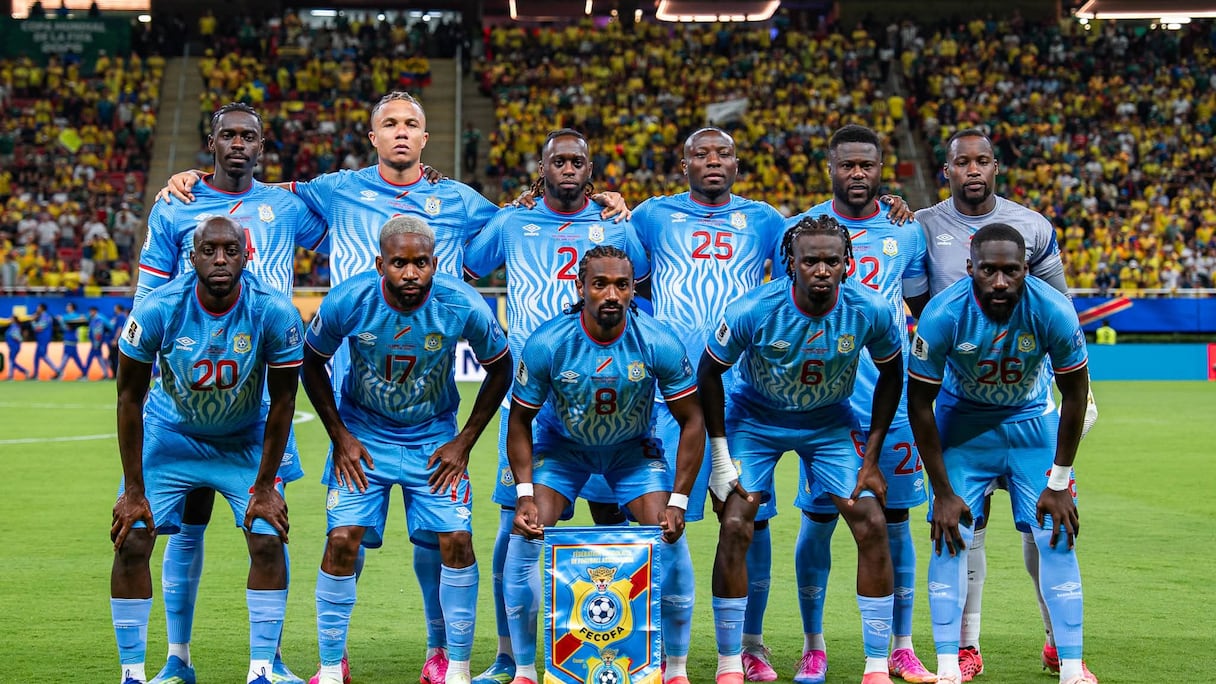
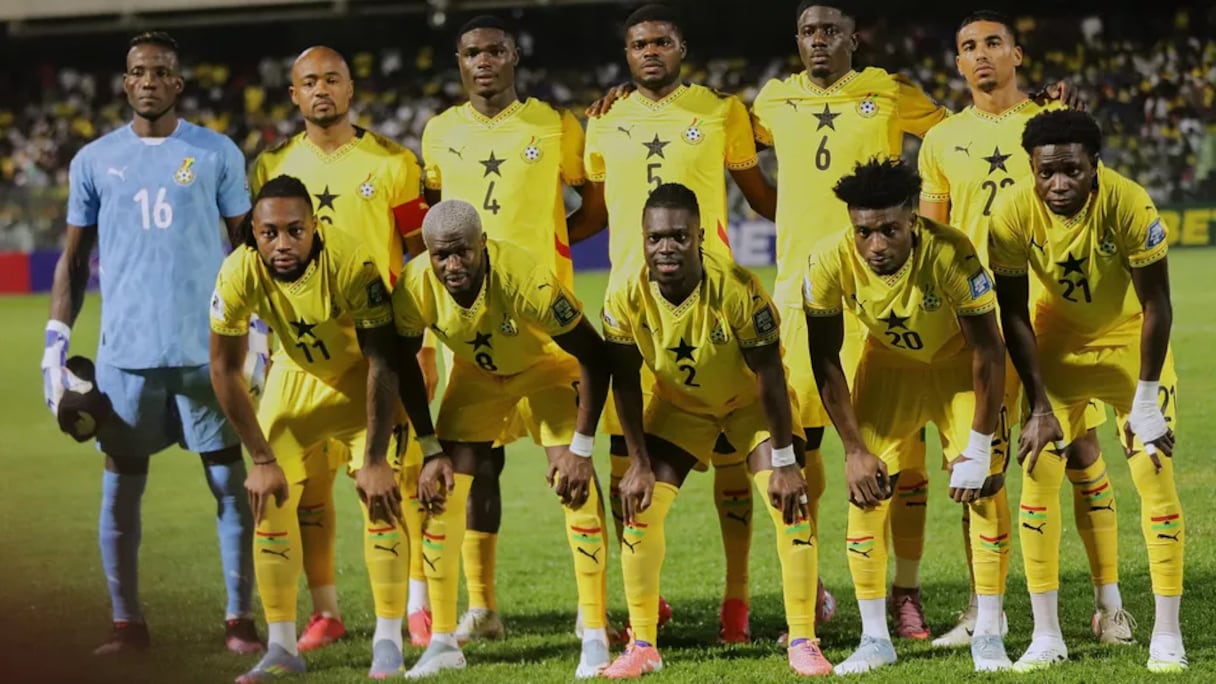
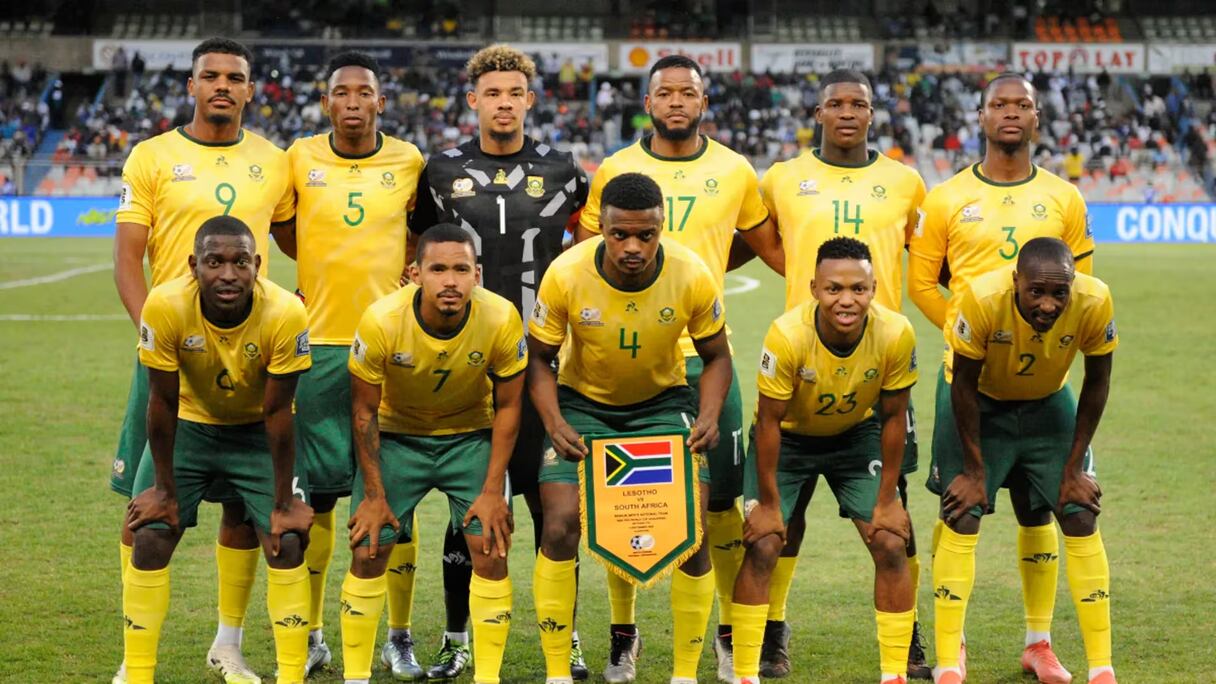
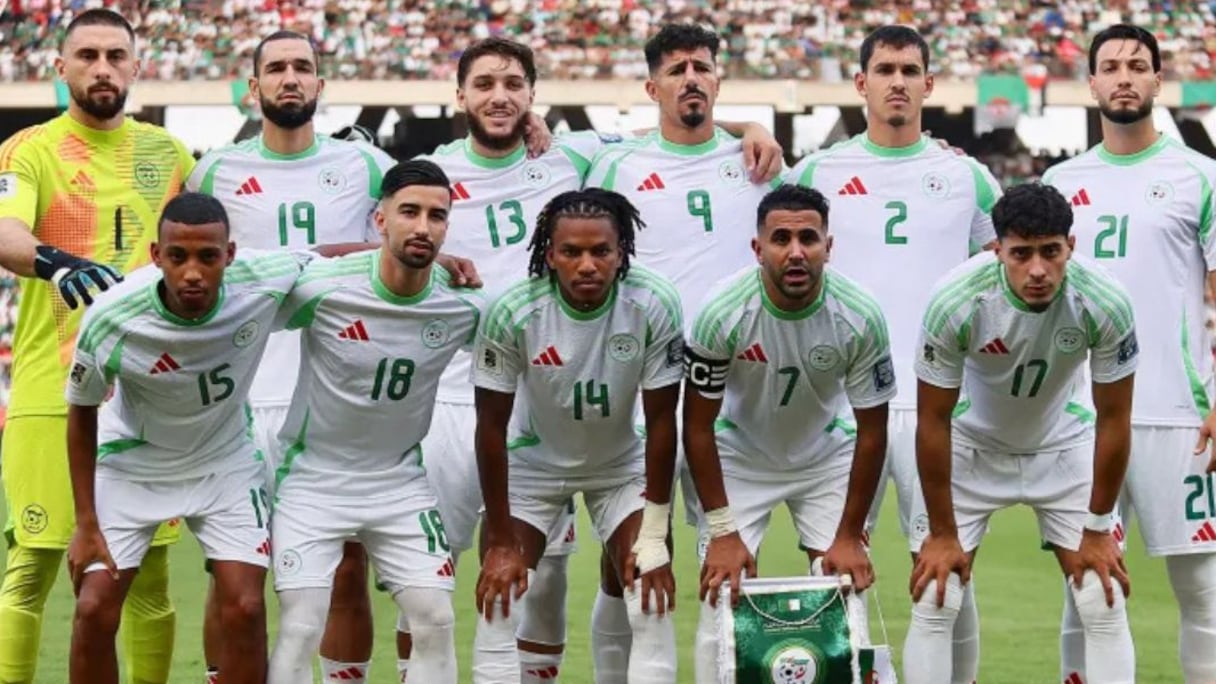
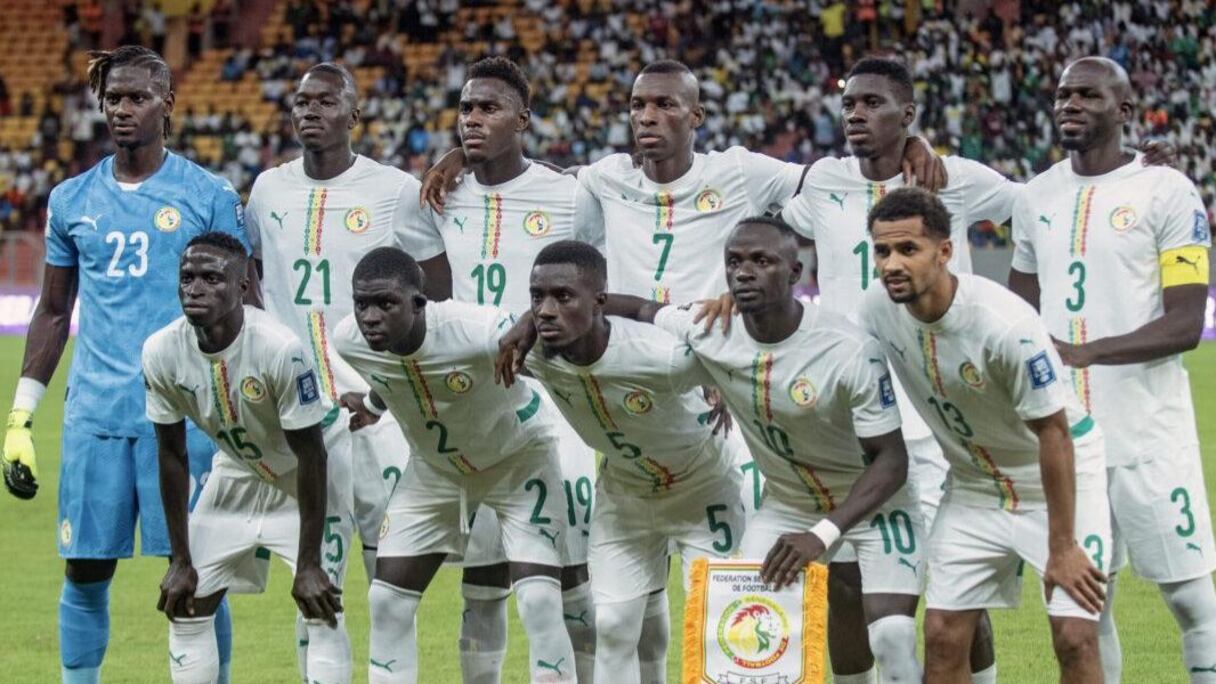
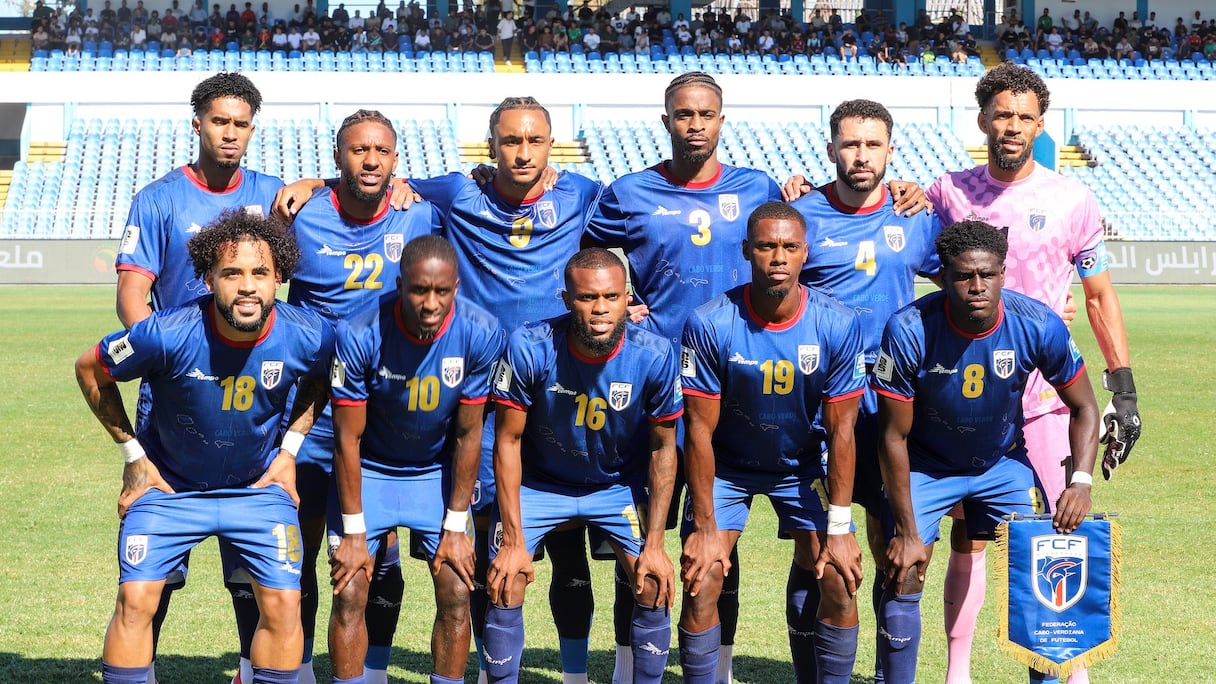
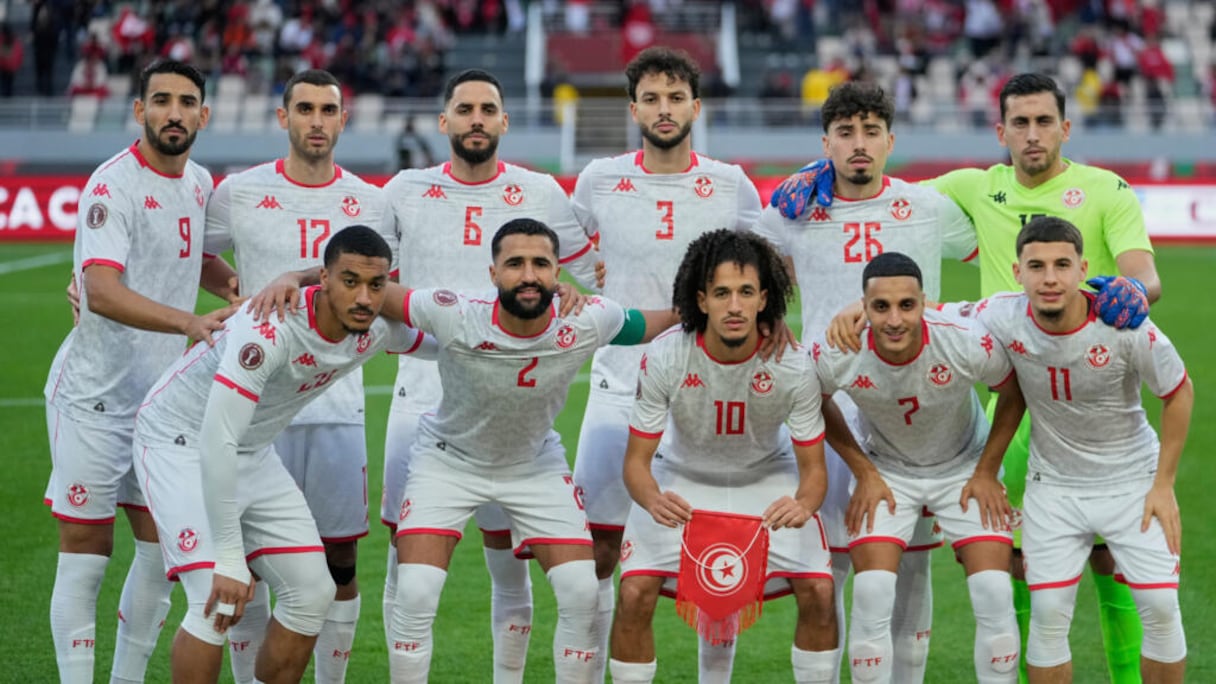
Mondial 2026: les 10 équipes africaines ont livré 42 matchs, enregistré 13 victoires, 19 défaites et 10 nuls. Elles ont marqué 53 buts et en ont encaissé 64.
“Africa is not just a reservoir of talent for other continents. It is also a land of major competitions, innovation, organization and ambition,” the FGF secretary-general says.
Morocco has a strong case to make
Asked about Morocco’s chances of hosting the 2030 World Cup final, Barry Blasco points to the quality of its sporting infrastructure, hotel capacity, transport networks and experience in organizing major football events.
«Morocco has a particular ability to connect Africa, the Arab world and Europe»
— Ibrahima Barry Blasco
The Guinean official also highlights Morocco’s geographical position at the crossroads of Africa, Europe and the Arab world, which he considers an additional advantage in giving the tournament a distinctive reach.
“Morocco has a particular ability to connect Africa, the Arab world and Europe. This position can help give the 2030 World Cup a sporting, cultural and human dimension,” Barry Blasco says.
He nevertheless stresses that hosting a World Cup final depends on more than the quality of the stadiums. Transport management, security, the reception of supporters, teams and media, as well as compliance with FIFA requirements, are all decisive factors.
“The Kingdom has demonstrated through the continental and international competitions it has hosted its determination to use sport as a driver of development and international visibility. Its involvement in preparing for the 2030 World Cup alongside Spain and Portugal is part of that momentum,” he says.
The FGF secretary-general believes Morocco has the means to make a strong case against other cities seeking to host the tournament’s final.
“I believe Morocco has a strong case for hosting a final of this scale while meeting FIFA’s technical and organizational requirements. Such a prospect would also be a source of pride for the entire African continent,” he adds.
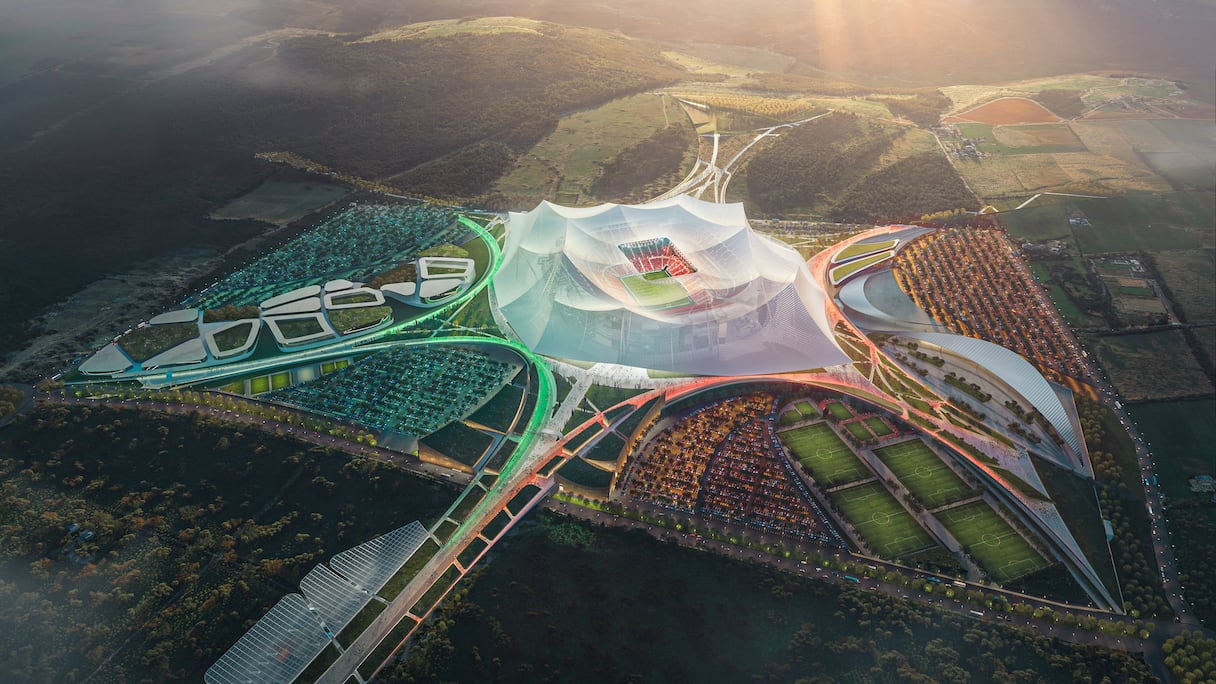
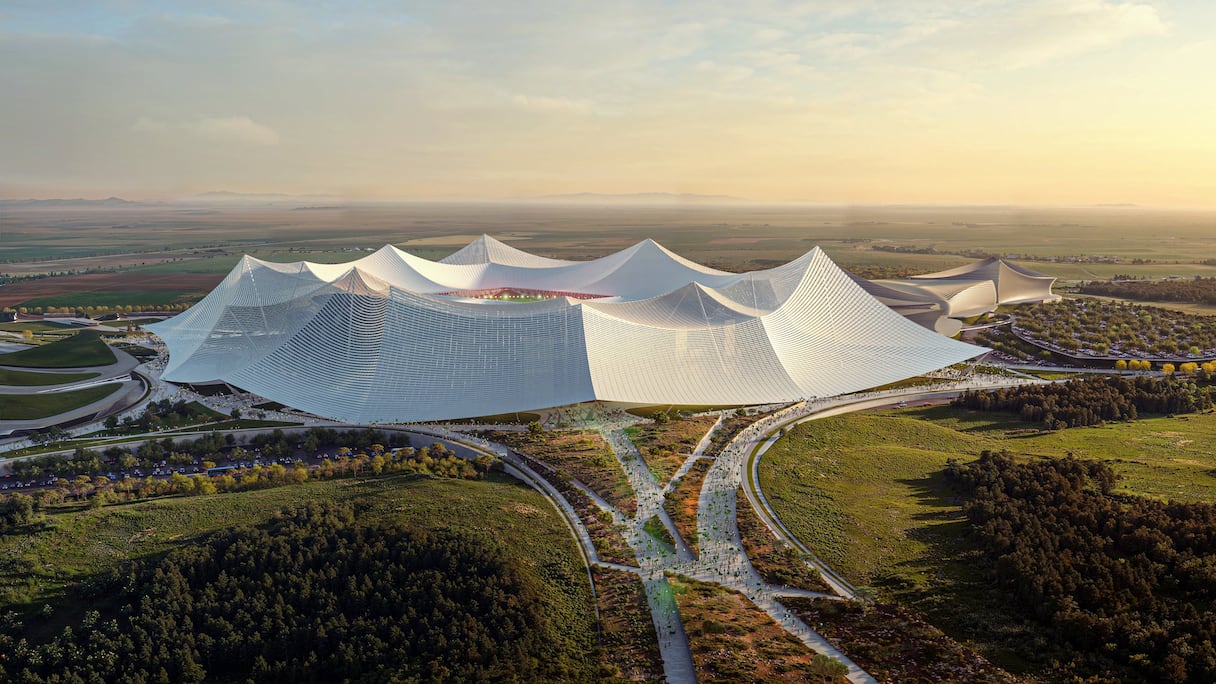
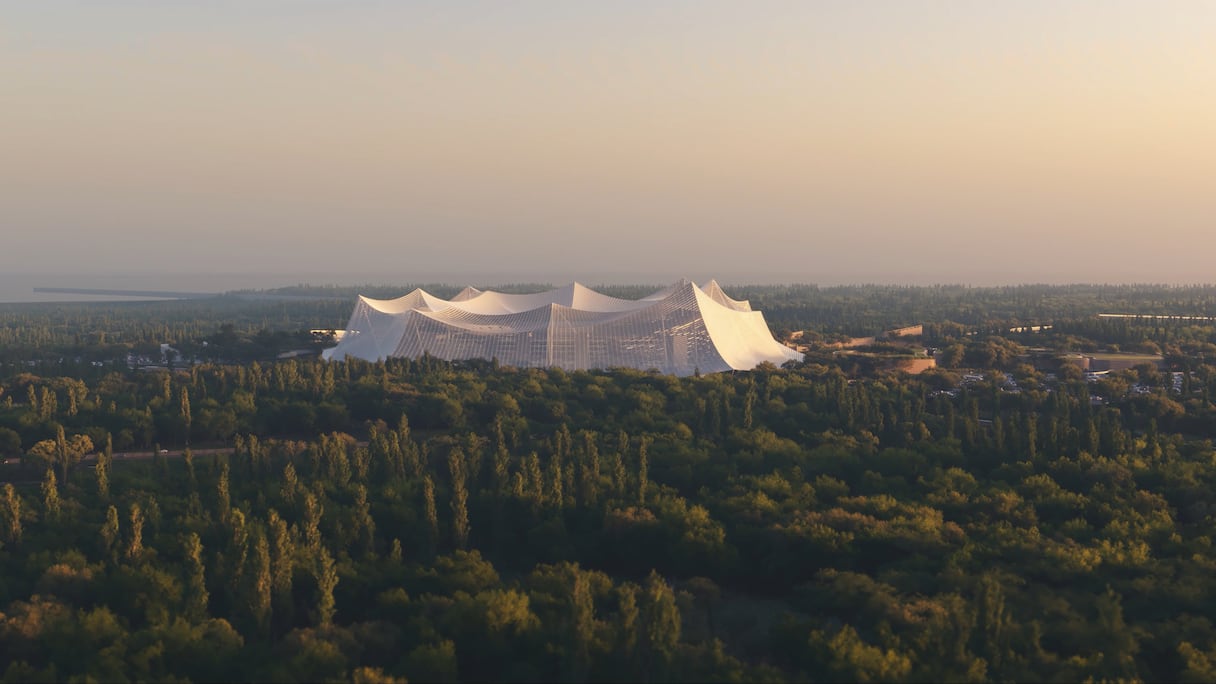
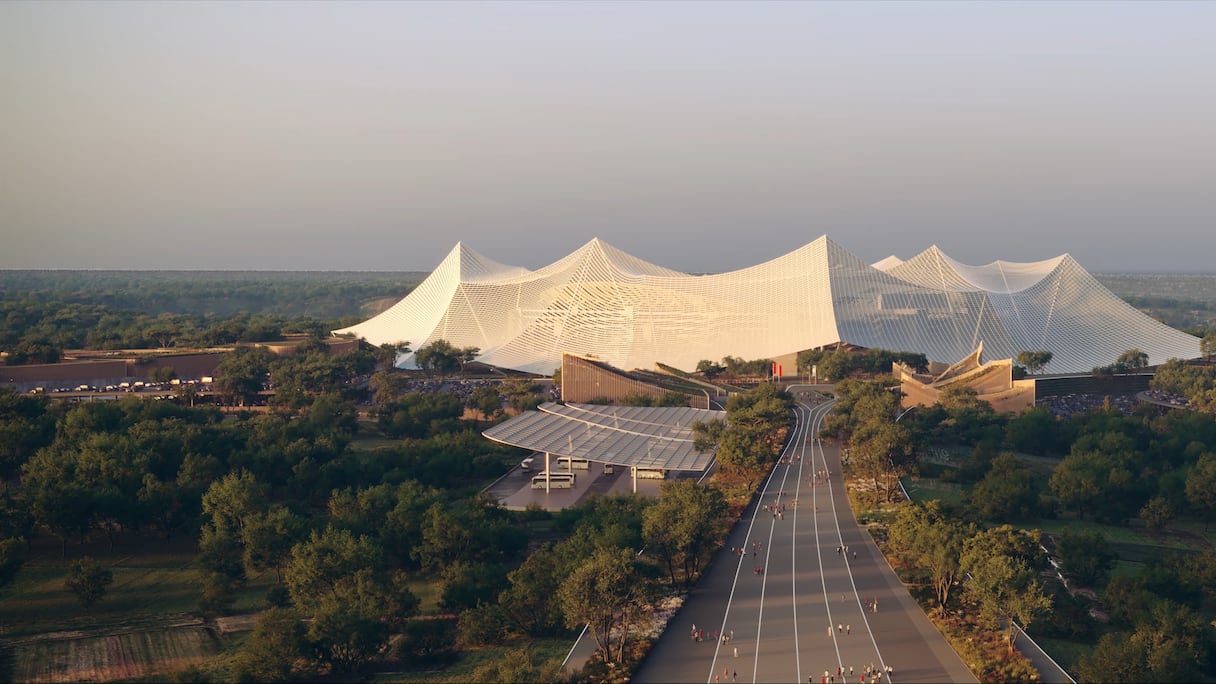
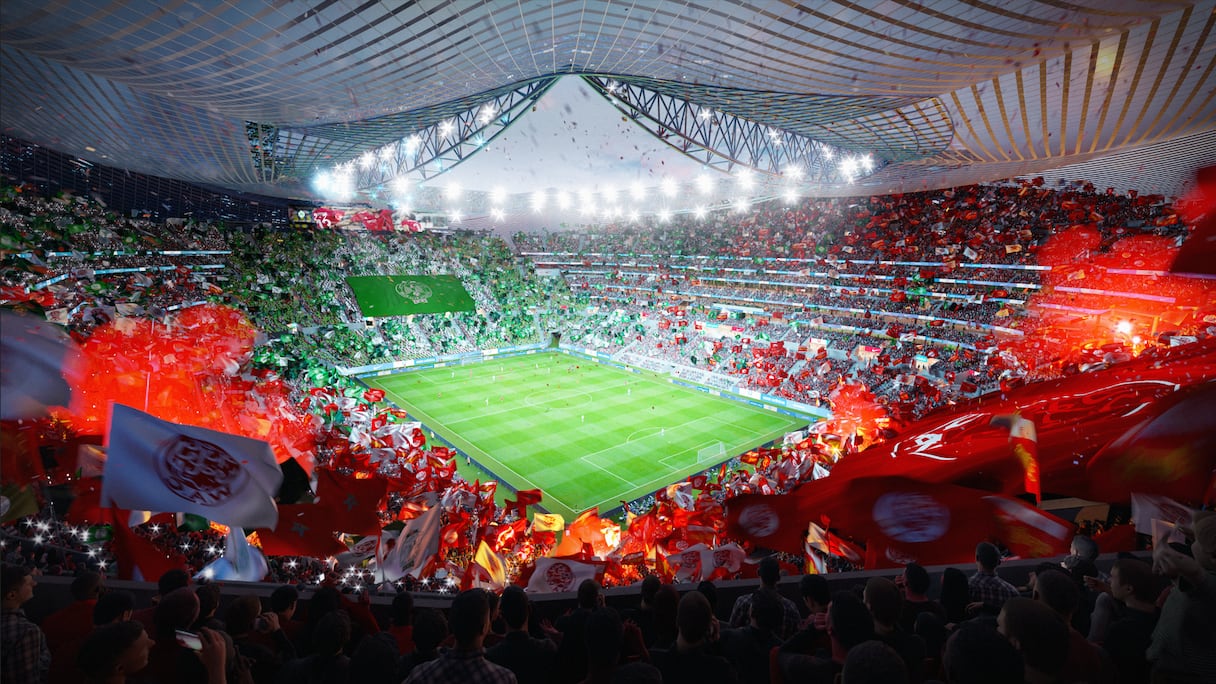



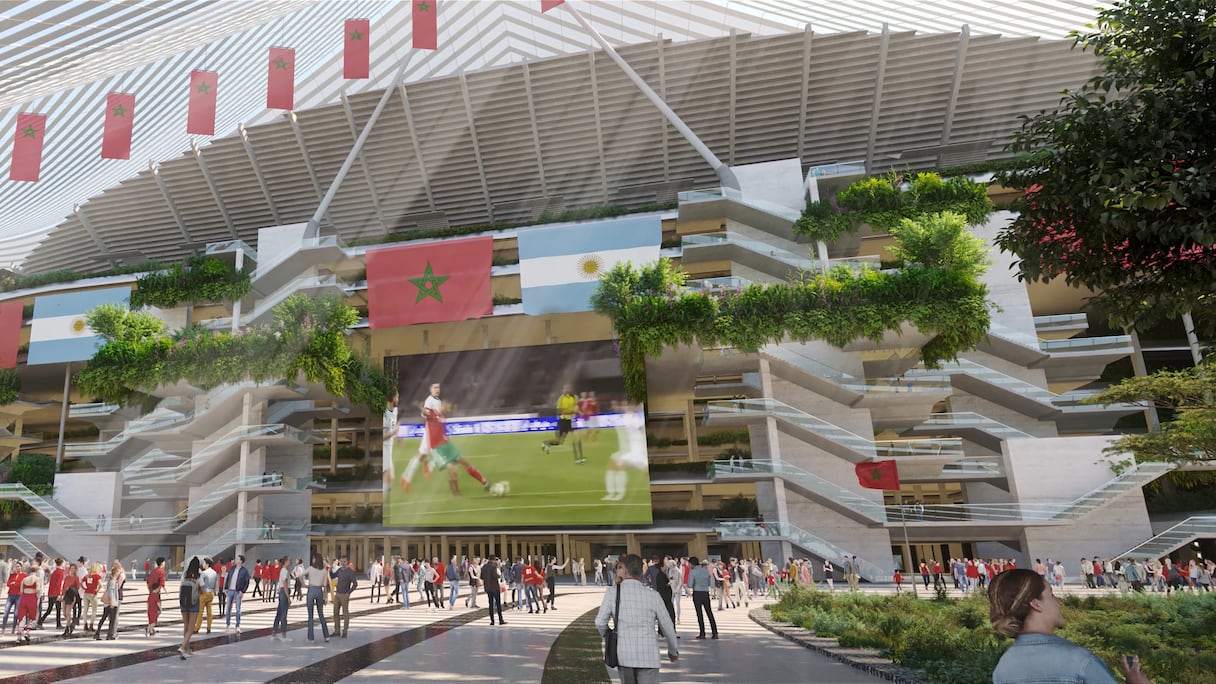
Model of the Grand Hassan II Stadium in Benslimane.
A final that should benefit African football as a whole
Beyond the prestige of hosting a second World Cup final on African soil, Barry Blasco emphasizes the potential long-term benefits for football across the continent.
In his view, the stakes go well beyond the few hours of the final itself. The priority is to ensure that the event delivers lasting benefits for African federations, clubs and young players.
Developing training centers, improving domestic competitions, training coaches and administrative staff, and promoting women’s football are among the priorities he identifies.
“The real success would be for the 2030 final to have a positive impact far beyond the stadium where it is played, reaching training centers, clubs, federations and African communities,” he explains.
The Guinean official also believes a final in Morocco could inspire an entire generation of young Africans. It would show that the continent can not only develop players capable of shining at the highest level, but also host the world’s biggest sporting events.
With that in mind, he encourages African federations to learn from Morocco’s experience through skills exchanges, technical cooperation and partnerships.
Read also : Mali voices support for Morocco to host 2030 World Cup final
Morocco’s model as a source of inspiration for African federations
The Atlas Lions’ historic run to the semifinals of the 2022 World Cup in Qatar marked a turning point for African football. As the first team from the continent to reach that stage, Morocco showed that an African side could compete with the world’s leading nations.
«Morocco’s success should inspire Guinea, just as it should inspire other African federations»
— Ibrahima Barry Blasco
For Barry Blasco, that achievement helped change perceptions of African football. But sporting results, however important, are not enough on their own.
The continent must also strengthen its influence within international governing bodies and continue developing its federations, domestic leagues and training systems.
“We must not only be present on the pitches where world titles are contested. We must also play a full role in the decisions, investments and policies that shape the future of football,” he insists.
The FGF secretary-general believes Morocco’s progress can serve as a reference for other African countries. He advocates closer cooperation between federations so that successful experiences can be shared and adapted to each country’s circumstances.
“Morocco’s success should inspire Guinea, just as it should inspire other African federations,” he says.
The decision on who will host the 2030 World Cup final has yet to be officially announced. Morocco will have to make its case against competing Spanish bids, particularly those involving Madrid and Barcelona.
Whatever the final decision, Barry Blasco believes Africa must continue to defend its place in hosting major international competitions, in line with its progress and its weight in world football.
“Africa is not asking for favors. It wants its capabilities, achievements and contribution to world football to be recognized at their true value,” he concludes.
