The programme covers Burkina Faso, Chad, Ethiopia, The Gambia, Mali, Mauritania, Niger, Nigeria and Senegal. More than half of the people expected to benefit are women. UNEP will implement eight of the programme’s 10 projects and coordinate work across the participating countries, while the West African Development Bank (BOAD) will oversee the other two.
Land degradation puts pressure on the Sahel
The initiative targets countries involved in Africa’s Great Green Wall, an African Union-backed programme launched in 2007 to combat desertification, land degradation and drought across the Sahel and surrounding drylands.
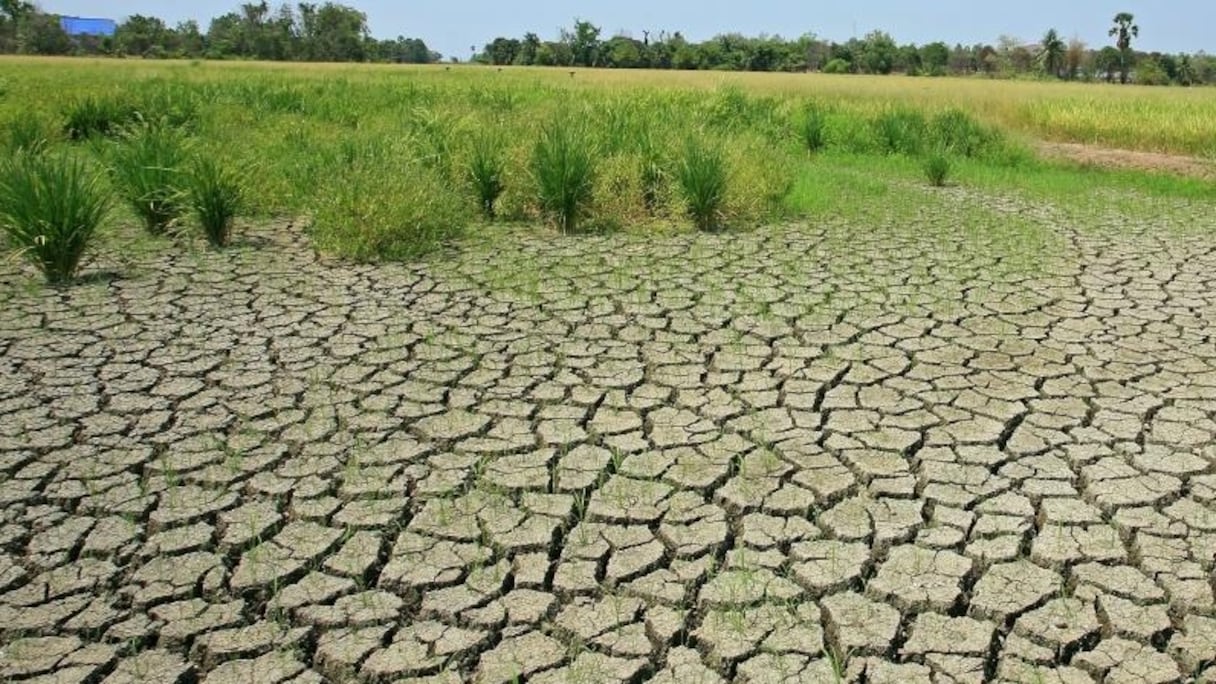
The Sahel, the semi-arid belt south of the Sahara, is warming about 1.5 times faster than the global average, according to UNEP. About two-thirds of its productive land is degraded, putting pressure on food production, water supplies and rural livelihoods. Environmental stress, food insecurity and conflict have also contributed to the displacement of more than 4 million people within the region.
Read also : Taounate to update irrigation plan to improve water use
The new programme, called the Transformation Approach to Large Scale Investment in Support of the Implementation of the Great Green Wall Initiative, builds on more than a decade of restoration work led by participating countries. It will also draw on earlier GEF-funded assessments that identified degraded areas where restoration could succeed.
Mali and Niger to receive major restoration projects
Mali will account for the largest area of planned restoration, with 150,000 hectares to be regenerated across the Kayes, Nioro and Ségou regions. In Niger, the programme will rehabilitate 55,000 hectares of farmland, woodland and grazing land.
In The Gambia, wetland and forest corridor restoration is expected to benefit nearly 800,000 people, most of them women. Projects in Nigeria’s Kebbi State and Mauritania will support women-led enterprises, while initiatives in Chad and Burkina Faso will focus on land management that can withstand drought.
Ethiopia will see 22,000 hectares of degraded land restored and 40,000 hectares of natural forest placed under improved management.
Total funding exceeds $500 million
The GEF’s $78 million grant will be supplemented by funding from the Green Climate Fund, the International Fund for Agricultural Development, the Food and Agriculture Organization of the United Nations and bilateral partners. Total programme resources are expected to exceed $500 million.
Read also : FAO flags erosion, salinization and soil depletion in Morocco
Susan Gardner, director of UNEP’s Ecosystems Division, said the funding would allow participating countries to act on previous restoration assessments and use a shared framework to plan projects, measure results and exchange lessons.
Almoustapha Garba, executive secretary of the Pan-African Agency of the Great Green Wall, said the programme would help countries accelerate restoration and adapt solutions to their own landscapes and communities.
The initiative supports participating countries’ commitment to bring 30% of degraded land under restoration by 2030.
