Duane “Keffe D” Davis, a former Los Angeles gang leader, has been found guilty of murdering rapper Tupac Shakur in a 1996 shooting in Las Vegas.
The 63-year-old was convicted Monday, August 31, by a Las Vegas jury of first-degree murder with a deadly weapon. Jurors reached their verdict after nearly three hours of deliberations, bringing an end to an 11-day trial.
Davis faces a maximum sentence of life in prison without the possibility of parole. He is due to be sentenced on October 13. Davis told the judge that he plans to appeal the verdict.
Prosecutors said Davis organized the shooting after members of Shakur’s entourage attacked his nephew at a Las Vegas casino several hours earlier.
Davis was a former leader of the South Side Compton Crips street gang. Prosecutor Binu Palal told the jury that Davis responded to the casino confrontation by getting a gun and gathering members of his group to find Shakur.
Shakur was in Las Vegas to attend a heavyweight boxing match involving Mike Tyson. About two hours after the confrontation at the casino, a white Cadillac pulled alongside the BMW carrying Shakur as both vehicles stopped at a red light.
Prosecutors said Davis handed a gun to someone in the back of the Cadillac and told that person to shoot Shakur. The rapper was shot and died six days later.
Davis was the only person who had been in the Cadillac that night who was still alive when the case went to trial.
Shakur’s murder remained unsolved for decades and became one of the most closely watched unsolved cases in the US music world.
The investigation gained new momentum after Davis published his memoir, Compton Street Legend, in 2019. Davis had previously spoken about his alleged involvement in the killing in interviews with police and the media and in his autobiography. He later changed his account and pleaded not guilty.
During closing arguments, Palal showed jurors clips of statements Davis had made over the years that prosecutors presented as confessions.
Davis’s lawyer, Michael Sanft, disputed that interpretation. He argued that Davis had made up the stories, partly to help promote his book.
“You’re reading a book that is fiction and not fact,” Sanft told the jury. “But the state wants you to believe that this is somehow a confession, that he was there and present at the time of the shooting.”
Sanft said there was no evidence connecting Davis to Shakur’s murder apart from Davis’s own statements.
Before the trial, Davis’s lawyers unsuccessfully sought to stop prosecutors from using his memoir as evidence, along with statements he made during a 2008 police interview.
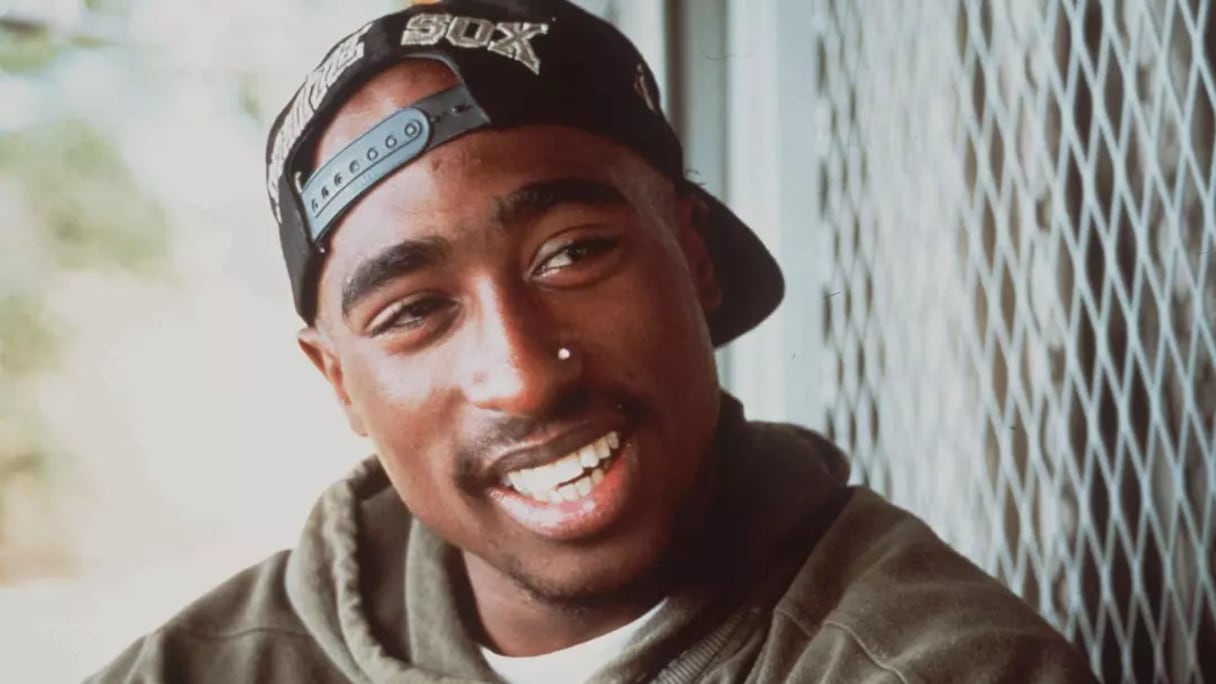
Shakur was 25 when he was killed. He had become one of the biggest names in hip-hop and was closely associated with the rivalry between artists from the US East Coast and West Coast.
He was known for songs including “California Love” and “All Eyez on Me” and became a major figure in West Coast hip-hop after signing with Los Angeles-based Death Row Records.
