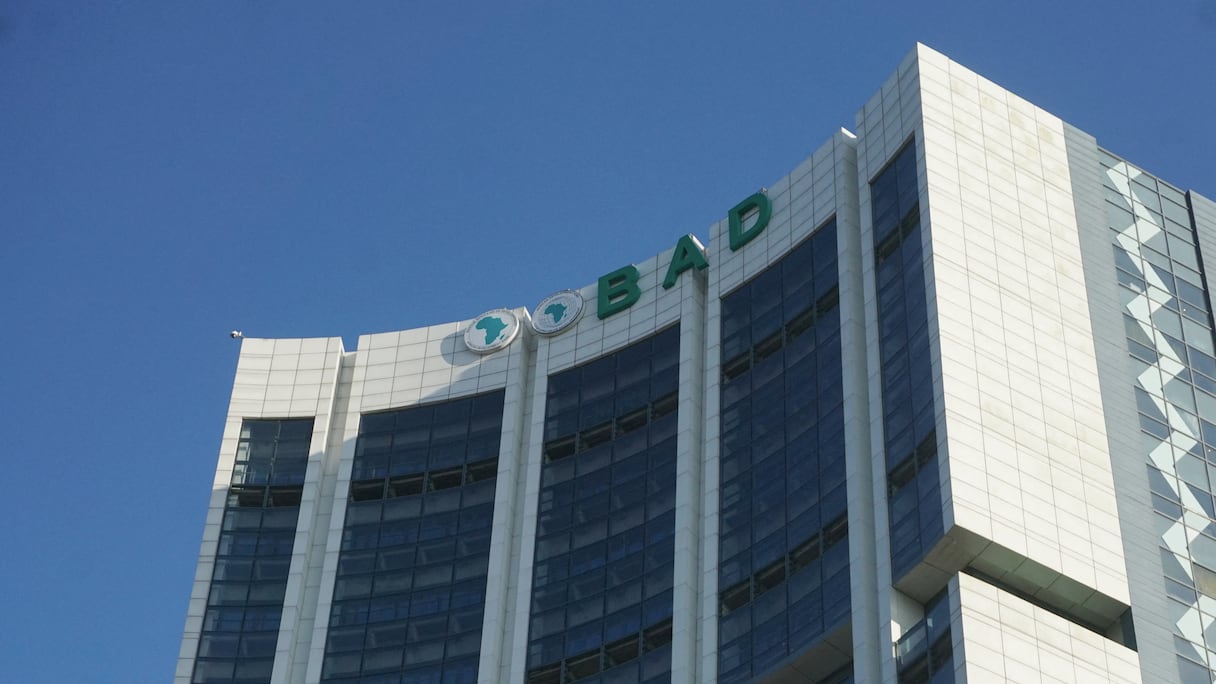
The African Development Bank Group has approved $487 million in financing for Morocco to support economic governance reforms and strengthen the country’s resilience to climate change and external economic shocks, the Bank said in a statement.
The Bank’s Board of Directors approved the funding on October 21 under the third phase of the Program to Support the Strengthening of Economic Governance and Resilience to Climate Change (PGRCC).
The program has two main components. The first focuses on economic governance and private-sector development, including the restructuring of public enterprises, modernization of the public-private partnership framework and improvements to the business climate. The second targets water and electricity governance, the integration of climate considerations into public policy and the transition to a low-carbon economy.
The economic reforms are intended to encourage private investment, particularly in small and medium-sized enterprises, support innovation and help Moroccan businesses integrate into global value chains. They also seek to “refocus the state on its strategic functions” while strengthening the private sector’s role in investment and value creation.
“Our ambition is to help cushion exogenous shocks, whether economic, energy-related or climate-related,” said Abdoulaye Coulibaly, the Bank’s director for governance and economic reforms. “It is also to consolidate the structural reforms necessary to sustainably strengthen the resilience of the Moroccan economy and to promote private investment.”
Read also : Al Barid Bank, MaroApp partner to expand banking access for delivery workers
The program’s climate-related component focuses on improving water and electricity governance and incorporating climate considerations into public policy.
The third phase builds on the program’s previous stages and is also intended to help Morocco manage the economic effects of the crisis in the Middle East, particularly rising energy and transport costs.
Achraf Tarsim, the Bank’s country manager in Morocco, said the country had continued implementing reforms despite external shocks.
“Morocco has chosen to take action by continuing its reforms despite external shocks,” he said. “Our aim is to support this vital momentum to accelerate the transformation of the economy, sustain growth and create more jobs.”
The financing falls under the African Development Bank Group’s Global Energy and Fertilizer Crisis Response Framework. According to the Bank, the program combines measures to address immediate external pressures with longer-term reforms. It is also designed to help preserve fiscal space for priority spending while maintaining investment and reform efforts.
